
In brief: Solar control window film is a self-adhesive or static-cling film applied to windows to reflect and absorb sunlight. It noticeably lowers room temperatures in summer, protects against harmful UV rays that fade furniture and can even reduce heating costs in winter thanks to its insulating effect.
The summer sun is blazing, your home is heating up relentlessly and the air conditioning is working flat out. This not only pushes up your electricity bill but also puts a strain on the environment. Solar control window film offers a simple, cost-effective solution for immediate protection. It effectively blocks heat before your rooms turn into a sauna, protects your furnishings from fading and improves your energy efficiency all year round.
What exactly is solar control window film and how does it work?
Solar control window film is a high-tech product. It consists of several ultra-thin polyester layers coated with metal particles or infused with ceramic particles. These layers are designed to selectively filter specific wavelengths of sunlight.
Its operation is based on two physical principles: reflection and absorption. Some of the sun's energy, particularly heat-producing infrared radiation, is reflected directly back outside by the film. Another part is absorbed by the film and released back outdoors. At the same time, it blocks up to 99% of harmful UV radiation. Depending on the tint level, visible light can still brighten the room.
The result: The total amount of solar energy entering through the window is drastically reduced. This keeps the heat outside while preserving most of the brightness indoors. This is a key advantage over shutters or curtains, which completely darken the room to achieve a similar effect.
Why is heat protection at the window so important for your well-being?
Large windows are modern and let plenty of light into your home, but in summer they can quickly turn into giant radiators. Short-wave sunlight passes through the glass, hits floors and furniture and is converted into long-wave heat radiation. This can no longer escape through the glass as easily. The room heats up – the familiar greenhouse effect.
Persistently high room temperatures put a strain on your circulation, disrupt sleep and reduce your ability to concentrate when working from home. Solar control window film counteracts this effect right at the source. It keeps rooms several degrees cooler on hot days, creating a much more pleasant living and working environment.
Solar control window film can noticeably reduce the amount of heat building up in rooms during summer, making air conditioning unnecessary or at least reducing its use.
A stable indoor climate not only improves your personal well-being but also actively helps you save on energy costs. Air conditioning needs to run less often or at a lower output, which is reflected directly in your electricity bill. This allows you to help protect the environment while also saving money.

How do you install solar control window film correctly? A step-by-step guide
With a little care, you can install solar control window film yourself without difficulty. The secret to a bubble- and crease-free result lies in preparing the glass surface perfectly. Take your time and you will be rewarded with an excellent finish.
Preparation: The key to success
Before you begin, you will need the following tools: a spray bottle, a squeegee (plastic scraper), a sharp utility knife, a lint-free cloth and a cleaning product. The foundation for successful installation is a spotless pane of glass.
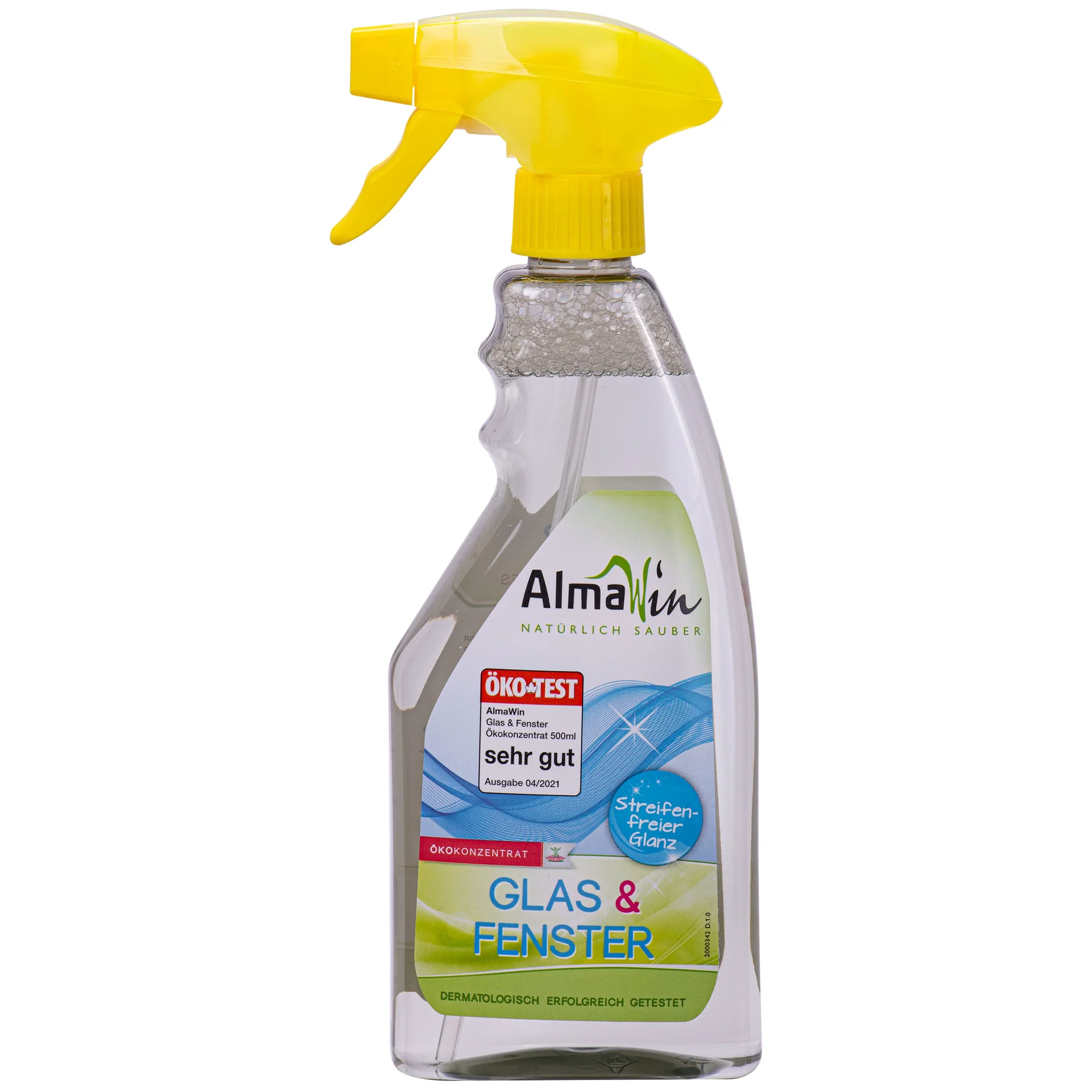
- Clean the window thoroughly: Remove all dirt, dust, grease and fluff from the glass. Carefully remove stubborn marks such as paint splashes with a glass scraper. For the final clean, use a specialist glass cleaner such as the ALMAWIN Glass and Window Cleaner. It leaves a streak-free, grease-free surface.
- Cut the film to size: Measure the visible glass area precisely. Cut the film so that it extends approximately 2-3 cm beyond each side. You will trim this excess precisely along the frame later.
- Mix the application solution: Fill a spray bottle with water and add a few drops of neutral washing-up liquid or application concentrate. This solution prevents the film from sticking immediately and allows you to position it accurately.
Pro tip
Use distilled water in your spray bottle. Tap water may contain limescale, which can leave unsightly marks beneath the film after it dries. Distilled water guarantees a crystal-clear result.
Installation: Step by step to success
- Spray the window and film: Spray the cleaned window generously with the application solution. The glass should be thoroughly wet. Now peel the protective backing from the solar control window film and spray the adhesive side of the film thoroughly as well.
- Apply the film: Place the wet adhesive side of the film onto the wet window pane. Thanks to the film of water, you can easily move the film and align it precisely. Make sure the gap to the frame is even.
- Squeegee out the water: Lightly spray the outside of the film as well. This helps the squeegee glide more easily. Start in the centre and use the squeegee to push the water and air bubbles towards the edges. Apply even pressure as you work.
- Trim the edges: Once everything has been smoothed out, use a sharp utility knife and the squeegee as a guide to neatly cut the excess film along the window seal.
- Check and allow to dry: Check the entire surface again for small bubbles and remove them with the squeegee if necessary. The remaining moisture beneath the film will dry completely over the next few days and weeks. During this time, the film may look cloudy, but this will clear up by itself.
More Than Just Heat Protection: The Many Benefits of Window Film
Modern solar control window films are incredibly versatile. In addition to their primary heat protection function, they offer a range of other benefits that significantly improve living comfort and help preserve the value of your furnishings.
- Effective UV protection: UV radiation is invisible but aggressive. It causes colours to fade and materials to age. Without protection, expensive furniture, parquet floors, curtains and works of art become unsightly over the years. High-quality window films filter out up to 99% of harmful UVA and UVB rays and act like sunscreen for your interior.
- Glare protection for eyes and screens: Bright sunlight can be extremely disruptive when working at a computer, watching TV or reading. Tinted solar control window film noticeably reduces glare, helping to ease eye strain and improve the picture on monitors and TVs.
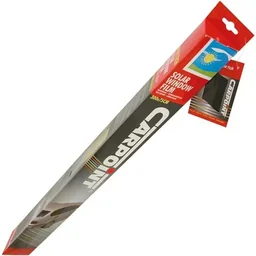
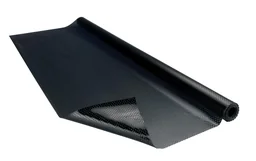
- Daytime privacy: Mirrored or heavily tinted films provide effective privacy during the day. From the outside, people see only a reflective surface, while you can look outside from indoors with almost no obstruction. This is ideal for ground-floor flats or offices. The ABG black solar control window film 35% offers a good balance between tint and light transmission. A special version is the perforated solar control window film, which allows you to see through it in one direction.
- Energy efficiency in winter too: The positive effect is reversed in winter. The metallised layer of the film reflects the long-wave heat radiation from your heating system back into the room. This reduces heat loss through the windows and can lower your heating costs. The film improves the insulation value (U-value) of your glazing.
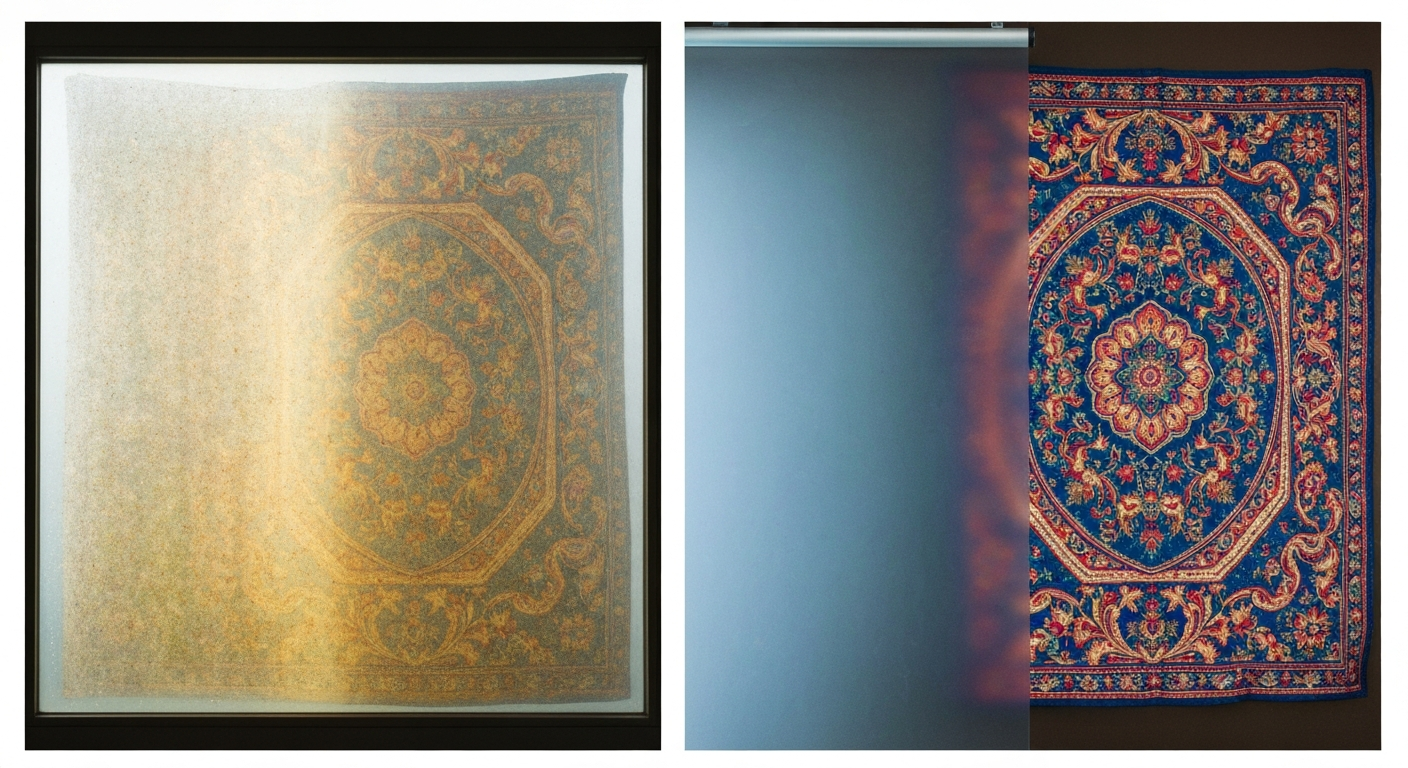
Light, particularly its UV component, is one of the main factors behind the fading of colours and the deterioration of materials such as wood, textiles and paper. Effective UV protection on windows is therefore a fundamental conservation measure for preserving interiors and works of art.
Additional advice
Clean windows fitted with solar control window film as you would normal windows, but do not use aggressive, abrasive cleaning products or hard brushes. A soft cloth and a mild soapy solution or gentle glass cleaner are ideal for preventing scratches on the film's surface.
What Types of Solar Control Window Film Are Available and Which One Is Right for You?
Choosing the right film depends on your priorities: maximum heat protection, a subtle appearance, privacy or a combination of all three. The key distinguishing features are where the film is installed and how heavily it is tinted.
Exterior vs. Interior Window Film
Exterior window films are applied to the outside of the window. Their major advantage is that they stop solar energy before it even reaches the glass and heats it up. This makes them the most effective solution for heat protection, especially with double and triple glazing. They are weather-resistant and robustly constructed, similar to high-quality tarps + nets, but have a shorter lifespan than interior films.
Interior window films are installed on the room-facing side of the window. They are easier to apply and protected from the weather, which increases their durability. With modern heat-insulating glazing, however, they can cause thermal stress in the glass because the heat absorbed between the panes cannot be dissipated as effectively.
Important note
Before buying, check whether the film you choose is suitable for your type of glass (single, double or triple glazing, tinted glass or safety glass). In particular, interior films on modern glazing can cause thermal stress due to heat build-up and, in the worst case, lead to glass breakage. Always follow the manufacturer's instructions.
Tinting and Mirroring
The degree of tint and reflectivity determines not only the appearance but also the performance of the film. The values are often given as percentages:
- Visible light transmission: How much visible light can still pass through? A lower value means a darker room.
- Total solar energy rejection (TSER): The most important value for heat protection. The higher it is, the better.
- Light reflection: How reflective is the film? High values mean a strong mirror effect and good daytime privacy.
You can find films ranging from almost clear (primarily for UV protection) to subtly tinted and heavily mirrored options in silver, bronze or other shades. Consider what matters most to you: maximum performance or an understated appearance.
Costs and Payback: Is the Investment Worth It?
Compared with other solar protection measures such as external blinds or air conditioning, retrofitting solar control window film is a very cost-effective solution. The cost of the film itself is manageable, and DIY installation means there are no additional labour costs.
The real question is: when does the investment pay for itself? The payback period depends on several factors:
- Size and orientation of your windows (south-facing windows benefit the most)
- The insulation standard of your home
- Your current cooling costs in summer and heating costs in winter
- The performance data of the film you choose
On a hot summer's day, a good solar control window film can reduce the energy consumption of an air conditioner by up to 50%. In winter, its insulating effect can lower heating costs by several percentage points. Over several years, these savings add up and exceed the initial purchase cost. Added to this is the invaluable gain in living comfort and the protection of your furnishings from fading.
Solar control window film is therefore not just an expense but a smart investment in comfort, preservation and energy efficiency. It is a simple measure with a major impact that you will feel immediately. Explore the full range in our shop and find everything you need for your projects in the garden + outdoor area, from plumbing + irrigation to workshop equipment.
Frequently asked questions
- Can you install solar control window film yourself?
- Yes, installation is easy enough for most DIY enthusiasts. The key requirements are an extremely clean glass surface, patience and the wet application method. You can achieve professional results with a squeegee, a utility knife and a spray bottle. A second person can be helpful when applying film to large windows.
- How long does solar control window film last?
- The service life depends on the quality of the film and whether it is installed on the inside or outside. High-quality interior films often last 10 to 15 years, while exterior films are generally exposed to the weather and have a service life of 5 to 7 years before they may need replacing.
- Does solar control window film make a room much darker?
- That depends on the tint level. Films range from almost invisible to heavily tinted. Highly reflective or dark films noticeably reduce the amount of light entering the room, while lighter options provide heat protection without significantly darkening the space. Choose the tint level to suit your needs.
- Can I use solar control window film on any type of glass?
- Take care with triple glazing or specialist solar control glass. The additional heat absorption caused by the film can create thermal stress and, in the worst case, cause the glass to break. Always check the manufacturer's specifications for both the film and the window glass, or consult a professional.
- Can the film be removed without leaving residue?
- Yes, most modern solar control window films can be removed. Usually, you loosen the film at one corner and peel it off slowly. Any adhesive residue can be removed with a glass scraper and a specialist adhesive remover or warm soapy water without damaging the glass.
You might also be interested in
- Energy-saving tips for your home: Cut costs and protect the environment
- Effective sun protection for patios and gardens: Ideas
- How to clean windows without streaks – even in bright sunlight
- Renovating windows: Get funding and reduce energy costs
- Using solar energy in your home
- Solar energy for your home: Benefits and installation