
In short: Solar lights are an eco-friendly and cost-effective solution for garden and balcony lighting. They use a solar panel to convert sunlight into energy and store it in a rechargeable battery. At dusk, they switch on automatically, require no wiring and provide flexible, safe and atmospheric lighting without ongoing electricity costs.
Table of contents
- How do solar lights actually work?
- What are the benefits of solar lights for gardens and balconies?
- Finding the right location for your solar lights: what you need to consider
- What types of solar lights are available?
- How do I care for and maintain my solar lights for a long service life?
- Creative ideas for solar garden lighting
A balmy summer evening on the balcony, a safe path through the garden at night or a flower bed illuminated with atmospheric light – outdoor lighting creates ambience and security. However, installing conventional lamps often involves a lot of effort: cables have to be laid, outdoor sockets need to be available and your electricity bill increases. The power of the sun offers a smart alternative. Solar garden lighting is the solution for anyone who wants to illuminate their garden or balcony easily, affordably and sustainably.
Solar lights capture the sun's energy during the day and release it as a soft glow at night. They offer an impressive variety of designs and uses, from practical path lighting to decorative string lights. Discover how the right outdoor solar light can transform your outdoor space into a welcoming oasis without spending a single penny on electricity. You will find the right solutions in our extensive Garden + Outdoor range.
How do solar lights actually work?
The technology behind solar lights is both simple and ingenious. Each light is a self-contained mini power station that works without an external power connection. At its heart is a small solar panel, also known as a photovoltaic cell. This panel is made from materials that can convert sunlight directly into electrical energy.
During the day, when the sun is shining, the solar panel produces electricity. This electricity is not used immediately but stored in an integrated rechargeable battery. You can think of the battery as a small energy store that gradually charges. The more direct sunlight reaches the panel, the faster and more fully the battery charges.
A dusk sensor controls the system. As soon as the ambient light falls below a certain level, at nightfall, the sensor sends a signal. This signal activates the LED lamp in the light. The LED now draws its energy from the charged battery and stays lit until the stored electricity runs out or the sensor detects daylight again in the morning and switches the lamp off. The charging cycle then begins again.
Using solar energy is an essential building block for climate-friendly energy supplies. It is inexhaustible, freely available and its use releases no pollutants or greenhouse gases.
What are the benefits of solar lights for gardens and balconies?
Switching to solar-powered lighting offers a range of tangible benefits that protect both your wallet and the environment. You gain flexibility and security in your outdoor space.
Cost savings and eco-friendliness
The most obvious benefit is the absence of running costs. Since the sun supplies the energy, you will not see any additional charges on your electricity bill. The initial investment quickly pays for itself. At the same time, you make an active contribution to environmental protection. You use a 100 % renewable energy source and reduce your carbon footprint.
Easy and flexible installation
Forget digging cable trenches or looking for an outdoor socket. Solar lights require no wiring at all. Simply push them into the ground, mount them on a wall or hang them from a branch. This flexibility makes them ideal for rented properties and spontaneous redesigns. Balcony lighting without electricity can be installed in just a few minutes.
Increased safety
Dark corners in the garden, unlit steps or poorly visible paths are potential sources of accidents. Targeted solar path lighting provides orientation and makes trip hazards visible. Models with motion sensors can also deter unwanted visitors and only switch on when light is actually needed.
Pro tip
To maximise the charging performance of your solar lights, position them facing south. The battery will charge even on cloudy days, but several hours of direct sunlight provide the longest illumination time at night.
Finding the right location for your solar lights: what you need to consider
The performance of a solar light depends largely on its placement. The simple formula is: more sun means more light. Look for a location that receives at least six to eight hours of direct sunlight throughout the day. Observe the path of the sun in your garden to identify the ideal spots.
Look out for potential sources of shade. A large tree, a house wall or even tall shrubs can shade the solar panel and significantly reduce its charging performance. Also consider how the seasons affect the sun's position. A spot that is sunny in summer may be shaded in winter because the sun is lower in the sky.
Consider the purpose of the lighting before positioning it. Do you want to illuminate a path safely? Then place the lights at regular intervals along the path. Would you like to highlight a particular plant arrangement? Position the light so that it illuminates the feature precisely. For a cosy atmosphere on the patio, lights that emit a diffuse, warm glow are ideal.
What types of solar lights are available?
The solar lighting market offers a huge selection for every taste and purpose. From practical to playful, there is something for everyone to enhance your garden equipment.
Solar ground spikes
The classic choice for flower beds and paths. These lights, such as the 38cm stainless steel solar lights, 3-piece set
, have a long spike that you simply push into the ground. They are ideal for marking garden paths, framing flower beds or adding accents to your lawn. Installation could not be easier and takes just seconds.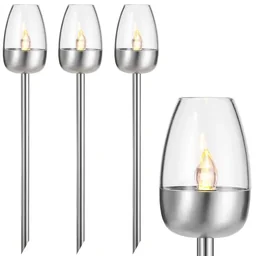
Solar wall lights
These models are mounted on house walls, fences, garages or garden sheds. They are ideal for lighting entrances or patios. Many solar wall lights have integrated motion sensors, making them an efficient security lighting solution. They only switch on when movement is detected, helping to conserve valuable battery power.
Important note
Solar lights naturally stay lit for less time in winter than in summer. Fewer hours of sunlight and lower light intensity mean that the battery does not charge fully. Expect reduced performance during the winter months.
Solar string lights and decorative lights
For a magical atmosphere, string lights and decorative lights are the perfect choice. Wrap them around tree trunks, string them across your balcony or drape them over a pergola. Decorative lights come in countless shapes, including lanterns, glass globes, animals and stone-effect designs. They add playful and romantic accents.
Solar spotlights
If you want to highlight a particular feature, solar spotlights are perfect. Direct the focused beam at a particularly beautiful tree, a sculpture or the facade of your house. This creates impressive pools of light and gives your garden more depth and structure at night. With the 2-piece LED solar lights set
you can create targeted highlights.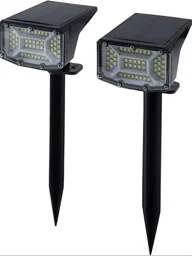
How do I care for and maintain my solar lights for a long service life?
Solar lights require very little maintenance, but a little care will help them shine reliably for many years. Just a few simple steps are all it takes to keep them working at full capacity.
The most important maintenance task is cleaning the solar panel regularly. Dust, pollen, leaves and bird droppings can build up on the surface and block the absorption of sunlight. Wipe the panel clean with a soft, damp cloth every few weeks. Do not use harsh cleaning products or abrasive sponges, as these can damage the surface.
Additional advice
When buying, pay attention to the light colour, which is measured in Kelvin (K). Warm white light (under 3.300 K) creates a cosy, homely atmosphere and is ideal for seating areas. Cool white light (over 5.300 K) is brighter, has a modern look and works well for practical path lighting.
The battery is the only wear part of a solar light. After one to three years, depending on quality and use, its capacity begins to decline. You will notice this when the light no longer stays on all night. Most models use standard rechargeable batteries (NiMH AA or AAA), which you can easily replace. Make sure to use only batteries that are suitable for use in solar lights.
In regions with snowy winters and little sunshine, it may be a good idea to bring the lights indoors during the coldest months. Store them in a dry, frost-free place. This protects the battery and extends its service life. Before using them for the first time in spring, leave the lights in the sun for a full day to charge completely.
Lighting in the garden is not merely functional; it is a design element that creates depth, accentuates structures and reveals its own special magic as soon as dusk falls.
Creative ideas for solar garden lighting
Solar lights leave almost no limit to your creativity. Transform your outdoor space into a wonderland of light. Here are some ideas for using them:
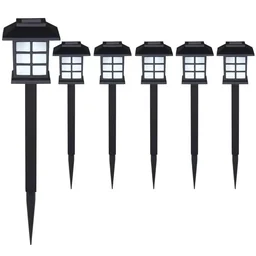
- Magical pathways: Line your garden paths with solar ground spikes spaced one to two metres apart. They look beautiful and also guide you and your guests safely through the night. The 6 x LED outdoor solar lights set is ideal for this.
- Illuminated planters: Place small solar lights directly into the soil of large planters on your patio or balcony. This turns your favourite plants into eye-catching features even after sunset.
- Floating lights: Hang solar lanterns or glass globes from the branches of a tree. The effect of floating points of light among the branches creates a fairytale atmosphere.
- Safer steps: Place small, flat solar lights on each step. This reduces the risk of tripping and adds architectural accents.
- Picturesque ponds: Use solar spotlights to showcase the plants around your garden pond. Reflections of the light on the water's surface double the effect.
Solar lights are more than just a source of light. They are a versatile garden design tool that allows you to showcase your outdoor space sustainably, affordably and with minimal effort. They combine functionality with aesthetics and make long evenings outdoors even more enjoyable.
Frequently asked questions
- Do solar lights work in winter?
- Yes, but with some limitations. Shorter days and less intense sunlight reduce the lighting time. Choose a location that is as sunny and free of snow as possible. Solar lights perform less efficiently in winter than in summer, but they are often sufficient for basic illumination.
- How long does the battery in a solar light last?
- A solar light battery typically lasts one to three years. After that, its storage capacity decreases. You can easily replace the batteries (usually standard AA or AAA types) to restore your light's full performance.
- Can I leave solar lights outside in the rain?
- Yes, solar lights are specially designed for outdoor use and are weatherproof. They are at least splash-proof (IP44 protection rating). Heavy rain, snow and frost generally do not damage them. When buying, check the specified IP protection rating.
- Why isn't my new solar light working?
- Make sure the switch is set to "ON" and that the protective film has been removed from the solar panel. The light needs a full day of sunlight to charge the battery initially. Also check that the battery is inserted correctly.
- Do solar lights need to be cleaned?
- Yes, regular cleaning is important for optimal performance. Wipe the solar panel with a soft, damp cloth every few weeks. Dust, pollen and bird droppings can block light absorption and significantly reduce the battery's charging performance.
You may also be interested in
- Solar energy in the garden: The ultimate guide to solar lights
- Using solar power at home: How to generate your own green electricity
- Solar lights review & comparison 2026
- Balcony solar panels: How sustainable is mini solar really?
- How can I make my balcony more sustainable?
- Garden lighting ideas for a cosy outdoor space