
In brief: The best shade sails in 2026 stand out with durable materials, flexible mounting options and strong UV protection. Look for wind stability, the right size for your space and easy installation. Retractable awnings with folding arms provide adjustable shade and are built to last.
A high-quality shade sail transforms your patio or garden seating area into a comfortable outdoor retreat. It protects you from intense sunlight and UV rays while creating a welcoming atmosphere. In our 2026 test and comparison, we present the best models and explain what to look for when buying. From classic tensioned fabric to modern folding-arm awnings, we’ll help you find the right shade solution.
Table of contents
Shade sail types at a glance
Shade sails come in several types. The right choice depends on your needs and the conditions in your space.
Classic tensioned shade sails
These simple yet effective models consist of a rectangular or triangular fabric panel that you stretch between fixed points such as house walls, posts or trees. They are flexible to install and often affordable. The shaded area is fixed and cannot be adjusted.
Folding-arm awnings
Folding-arm awnings, such as the model
, offer added convenience. They have a sturdy aluminum frame with fabric attached, which you can extend or retract as needed to adjust the shade as the sun moves. They are an ideal solution for a garden patio next to a house wall.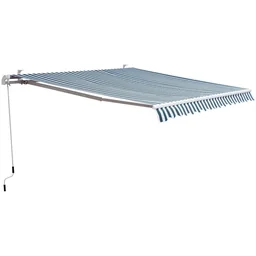
Tip: If flexibility and comfort are important to you, a retractable folding-arm awning is a great choice. It protects you from the sun and can be quickly retracted if rain or strong winds move in.
Freestanding shade sails
These models do not need a house wall. They stand on their own posts or masts, so you can place them in different parts of the garden. They are ideal for shading seating areas on the lawn or by the pool.
Key factors to consider when buying a shade sail
Before choosing a model, take a close look at the following points.
Material and construction
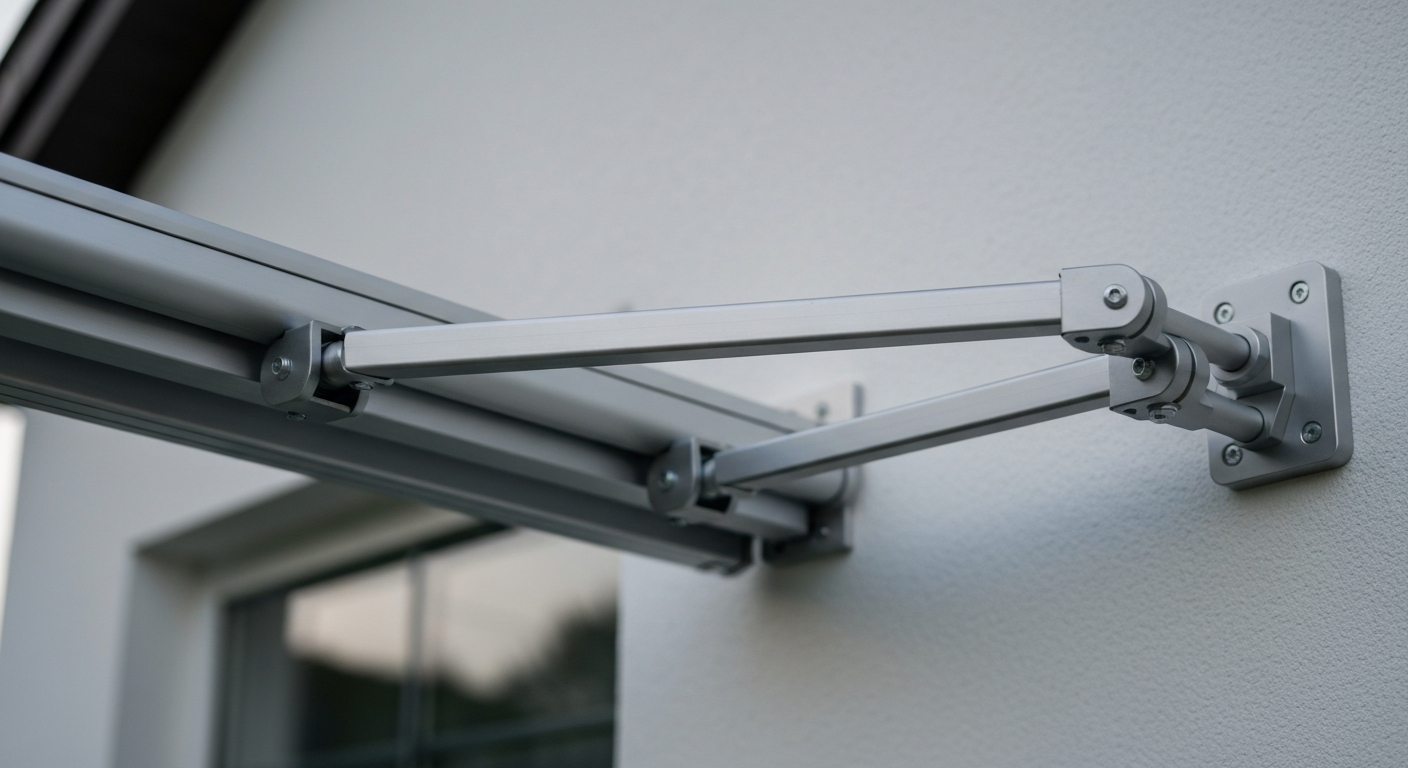
The lifespan of your shade sail depends largely on the quality of its material. High-quality sails are made from acrylic or polyester fabric with a PVC coating. The coating repels water, resists dirt and provides strong UV protection, often rated UPF 50+. The frame should be made from powder-coated, rust-resistant aluminum or sturdy steel. A product such as the
benefits from this type of aluminum construction.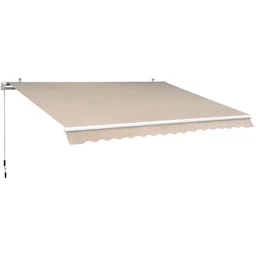
Size and shape
Measure the area you want to shade carefully. Keep in mind that the sail cannot be tensioned right to the edges, so leave enough clearance. Rectangular sails are versatile, while triangular sails work well in corners.
Mounting options
Before buying, check where and how you can mount the sail. Will you need wall brackets, ground anchors or freestanding posts? The mounting method affects stability and safety. A garden solution such as the
is designed for secure wall mounting.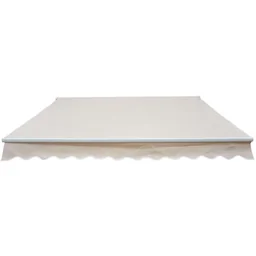
Important: Check the maximum wind load. Even sturdy shade sails should be retracted or taken down in strong winds or thunderstorms to prevent damage. Follow this safety precaution.
Comparison of the best shade sails
Comparing the models side by side shows their strengths and best uses.
Our top-rated shade sails compared:
| Model | Customer rating | Availability |
|---|---|---|
| Aluminum folding-arm awning | – | Currently unavailable |
| Aluminum folding-arm awning | – | Currently unavailable |
| Aluminum folding-arm awning for wall mounting | – | Currently unavailable |
| Aluminum folding-arm awning for wall mounting | – | Currently unavailable |
| Aluminum folding-arm awning for wall mounting | – | Currently unavailable |
Installation and mounting tips
Proper installation is essential for a stable shade sail that lasts.
How to install a shade sail on a wall
When installing on a house wall, take the wall construction into account. Use screws and wall anchors suited to solid walls. Brackets should be anchored in the masonry, not just the stucco. Leave enough clearance below the roof so rainwater can drain freely.
Ground anchors and posts
For freestanding models, or where there is no suitable wall, use ground sockets or heavy-duty posts. They must be stable and anchored deep enough in the ground. Special patio posts can work well with patio slabs.
Note: Professional installation is recommended for many folding-arm awnings and more complex setups. A specialist can ensure the awning is installed safely and correctly, taking the building's structural requirements into account.
How to care for and maintain your shade sail
With proper care, your shade sail will stay attractive and functional for years to come.
Cleaning: Clean the fabric regularly with clean water and a soft brush. For stubborn dirt, use a mild soapy solution. Avoid harsh cleaners and pressure washers, as they can damage the coating.
Winter storage: Before winter, clean the sail thoroughly and let it dry completely. Fold it up and store it in a dry, frost-free place. For permanently installed awnings, a suitable winter cover can protect the mechanism.
Maintaining the mechanism: For retractable awnings, occasionally check that the moving joints are lightly lubricated to keep them operating smoothly.
Which shade sail is right for each location?
Patio against the house
Retractable awnings are the top choice here. Permanently installed and space-saving, they provide adjustable shade. They cover the area directly outside the house and can often be fitted with side screens.
Freestanding seating area in the garden
For a seating area in the middle of the lawn, choose a freestanding shade sail with poles or a large gazebo. Both options are flexible and can be moved when needed. Make sure the shade coverage is large enough.
Small corners and alcoves
Traditional triangular or rectangular shade sails are ideal for smaller areas with unusual shapes. You can tension them between different fixing points, making them an affordable, versatile solution. Browse suitable options in our shade sails category.
Conclusion: How to choose the perfect shade sail
The right shade sail for you depends on your budget, desired level of comfort and the conditions at your location. For a permanent, comfortable solution on your patio, a high-quality retractable awning with an aluminum frame is an excellent investment. It offers stability, durability and flexibility. For a flexible or temporary option in the garden, a traditional tensioned shade sail or a freestanding model is a better choice.
Take your time when planning. Measure carefully, check your mounting options and choose a model made from high-quality materials. With the right shade sail, you can enjoy many relaxing hours in the shade of your garden.
Frequently Asked Questions
- What is the difference between a shade sail and an awning?
- A shade sail is a fabric canopy that is typically tensioned between fixing points. An awning, especially a retractable awning, has a rigid frame and can often be extended and retracted. Awnings usually provide more stable, adjustable shade.
- What is the most durable material for a shade sail?
- Acrylic or polyester fabric with a PVC coating is highly durable, weather-resistant and offers good UV protection. High-quality aluminum frames, such as those used for retractable awnings, resist corrosion and last for years. Look for fabric with a high weight per square meter.
- How can I secure a shade sail safely?
- The right fixing method depends on the mounting surface. For walls, use sturdy wall brackets and suitable wall plugs. For freestanding installations, you will need ground sockets or stands. The fixing points must be able to withstand the tension, especially in windy conditions.
- Can I leave a shade sail up in windy weather?
- It is not recommended. Most shade sails should be retracted or taken down in strong winds or storms to prevent damage. Some high-quality retractable awnings are designed to withstand wind.
- What shape and size shade sail do I need?
- Measure the area you want to shade carefully. Rectangular or square shade sails are classic choices, while triangular ones work well in corners. Choose a size that covers the entire area and allows extra room for fixing. A specialist retailer can help you find the right fit.
You may also be interested in
- Sun Protection: Test & Comparison 2026 – The Best Solutions Reviewed
- Weather Stations: Test & Comparison 2026 – The Best Models Reviewed in Practice
- Fire Pits: Test & Comparison 2026
- Beach Canopies: Test & Comparison 2026
- Gazebos: Test & Comparison 2026
- Garden Loungers: Test & Comparison 2026 – The Best Models Reviewed