
In brief: Only walk on a newly sown lawn once the grass has reached a height of around 8-10 cm and it has been mowed for the first time. Before then, every step puts the delicate roots at risk. Even after the first mowing, you should leave the area undisturbed for another four to six weeks before exposing it to full use. Patience during this phase determines the long-term quality of your lawn.
The critical phase: Why patience matters when establishing a lawn
You have prepared the soil, spread the lawn seed evenly and watered it. Now the waiting begins. During the first few weeks, it becomes clear whether your work will result in a dense, green carpet or a patchy area. The decisive factor is protecting the young lawn.
Every step on the germinating area creates localised pressure. This compacts the soil, closes pores needed for air and water, and can bend or tear out delicate seedlings that have not yet developed firm roots. The damage often only becomes visible weeks later as thinner, bare patches.
The first four weeks set the course for the years ahead. A protected young lawn develops a deeper, more branched root structure that can better withstand drought and wear later on.
When can you walk on a lawn? Your roadmap to success
It is not a specific date that matters, but the stage of grass development. Use these milestones as a guide.
Phase 1: Complete rest (week 1-4)
Walking on the area is strictly off-limits during this phase. The seeds swell, germinate and develop their first delicate roots and shoots. Secure the area physically. Simple measures create a clear boundary.
- Barrier: Stretch a cord with flags or put up protective netting.
- Visual barriers: Poles with brightly coloured ribbons are effective.
- For pet owners: Temporary fencing keeps pets away.
Important note
Even a supposedly careful inspection on tiptoe can cause damage. Organise your watering so you do not have to walk on the area. A sprinkler with a timer or a long garden hose is the solution here.
Phase 2: First inspection and mowing (from week 4-6)
Once the grass is around 8-10 cm high, it is time for the first cut. This is the first careful “walk” on the lawn. Use only broad stepping boards or lawn grids to distribute the pressure.
Mow at the highest setting (approx. 5-6 cm). A sharp blade is essential to avoid tearing out the grass blades. This cut removes the growth tip, encourages side-shoot formation and helps the lawn become denser.
Phase 3: Careful use (from week 8-10)
After the first and second cuts, the turf will have become somewhat firmer. You can now walk across the area briefly for light tasks. However, continue to avoid localised pressure such as heel marks or standing in one spot.
Games, garden parties or placing heavy furniture should wait until at least week 12. Only then will the root system be robust enough.
The right care: What your young lawn needs now
Protection does not just mean staying off the lawn. Active care ensures successful establishment.
Watering: Consistently moist, not wet
The top layer of soil must remain evenly moist until the grass has fully emerged. During dry periods, this means watering briefly several times a day. Use a fine sprinkler to avoid washing away the seeds.
Waterlogging is just as damaging as drying out. It causes a lack of oxygen and rot.
Pro tip
Water in the early morning. This reduces evaporation and allows the area to dry during the day. Wet grass overnight encourages fungal diseases. An automatic watering system takes this daily task off your hands.
Fertilising: The right start
Fresh lawn seed needs nutrients to get started. A starter lawn fertiliser contains more phosphorus for root development and is tailored to the needs of young grass.
Our
, the organic lawn fertiliser with NPK 8+3+6, provides gentle, long-term nutrition. Organic fertilisers also improve the soil structure. Work it into the soil according to the package instructions before sowing, or spread it carefully after the first cut.
Weeds and pests
Weeds often germinate faster than grass in loose soil. Carefully pull them out by hand so you do not damage the lawn. Chemical weed killers are not suitable for young lawns.
Birds may pick up the seed. Lightweight bird protection netting helps during the first two weeks. Cats also like to use loose soil as a litter tray. Thorny branches or specific plant protection products such as scent barriers can help here.
Impatience is the most common mistake. A lawn is not an instant solution, but a miniature plant ecosystem. Give it the time it needs to become firmly established. The result will reward you for many years.
Practical protection: Products for your young lawn
Several useful products can make protecting the delicate area much easier.
The
, narrow ground anchors for lawn edging are not just intended for permanent borders. You can temporarily push them into the ground along the sown area and stretch a warning cord between them. This creates a clear, cost-effective boundary.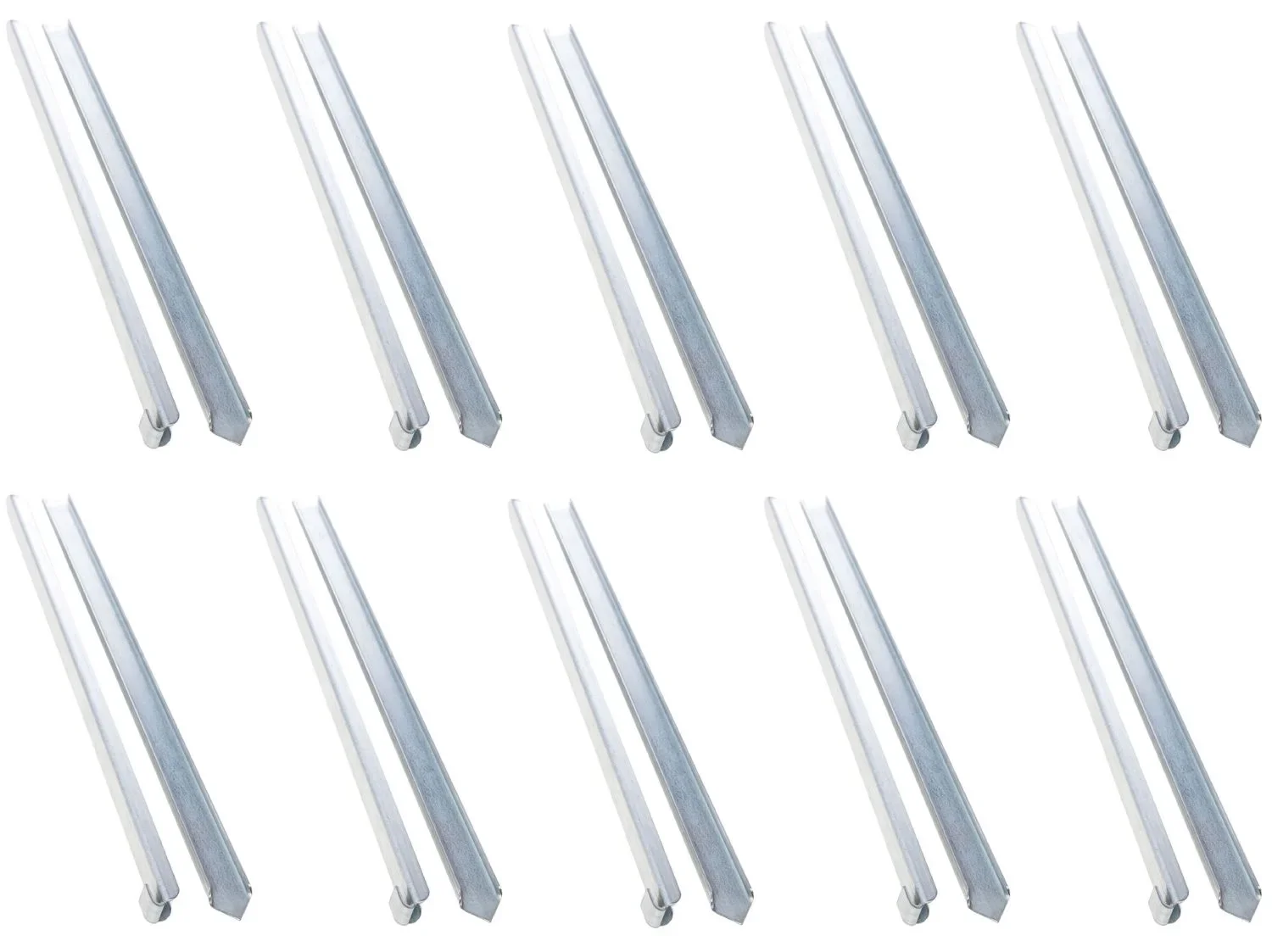
For larger areas, or to avoid constantly walking on the lawn for watering, lawn grids or stepping stones are worth considering. They distribute your weight effectively.
Additional advice
Document progress with weekly photos taken from the same viewpoint. This not only helps you assess development objectively, but also makes it easier to spot minor problems such as emerging dry patches or clusters of weeds before they become serious.
After the establishment phase: Transitional care
After around three months, the lawn can be treated like a normal established lawn—with one exception: Increase the amount of use gradually.
Start normal use in autumn or the following spring. If you sowed in spring, the lawn will be able to withstand full use in autumn. Applying an autumn fertiliser with a specialised autumn lawn fertiliser strengthens the grass for winter.
Regular mowing, without cutting too low (never remove more than one-third of the blade length), remains the most important care measure for a dense lawn.
Conclusion: Time Is the Key to Success
The question "When can I walk on it?" has a clear answer: only after the first cut at a height of 8-10 cm, and even then, only carefully. A lawn reaches full resilience after around three months.
Invest your time and care in this critical establishment phase. Protecting the lawn from foot traffic, watering evenly and mowing correctly are your most effective tools. With this patience, you lay the foundation for a robust, dense and hard-wearing lawn that you can enjoy for years to come.
For all the next steps, you will find the right equipment in our shop, from lawn seed and fertiliser to lawn protection.
Frequently Asked Questions
- How long must I avoid walking on my newly sown lawn?
- Allow an absolute rest period of at least four to six weeks after sowing. During this time, the grass develops its first roots and blades. Only walk on the area in urgent cases, such as careful watering, and then use wide boards to distribute the pressure. The first cut marks the end of this strict phase.
- Can I make my lawn ready for use sooner?
- Yes, with the right preparation and care. Use a high-quality, fast-germinating lawn seed mix. Applying starter lawn fertiliser at the time of sowing promotes germination and provides nutrients during the early stages. Even watering is essential. Once the blades reach 8-10 cm, mow them down to 5-6 cm. This stimulates dense growth.
- How do I know when the lawn is ready for its first cut?
- The lawn is ready to mow when around two thirds of the grass has reached a height of 8-10 cm. The blades should feel upright and firm. Carefully test the ground with a walking stick: if it does not sink into the soil and the grass only bends back slightly, root development is well advanced. Be sure to set your mower blade to the highest setting (5-6 cm).
- What are the biggest mistakes when establishing a new lawn?
- The three biggest mistakes are walking on the lawn too soon, uneven watering and cutting it too short the first time. Drought or waterlogging can kill seedlings. Foot traffic compacts the soil and tears out roots. Cutting too short the first time removes too much leaf mass and irreparably weakens the young plants. Protect the area from birds and cats.
- Does a young lawn need special fertiliser?
- Yes. A special starter fertiliser is ideal. It has a nutrient ratio that promotes root development (more phosphorus) and is often gentle enough for seedlings. Later, after the third or fourth cut, you can switch to a regular lawn fertiliser. Our PRODUCT_3691 is an organic fertiliser that is also suitable for the establishment phase.
You may also be interested in
- Sowing a lawn: First steps after sowing
- How long do grass seeds take to germinate? Facts for the perfect lawn
- Lawn seed: Sowed too much? Tips for the perfect lawn
- Promoting lawn growth: Your path to a dense green lawn
- Laying turf: Costs, preparation & practical tips
- Lawn care basics: How to achieve the perfect lawn step by step