
In brief: For effective spring cleaning, avoid getting started without a plan. Use the right cleaner for each surface instead of relying on an all-purpose cleaner. Do not clean windows in direct sunlight, and declutter before cleaning. Remember forgotten corners and allow cleaning products enough time to work to avoid unnecessary scrubbing.
The first rays of sunshine stream through the windows, mercilessly revealing the dust of winter. It is time for spring cleaning. This annual ritual promises not only a clean home but also a clear mind. Yet the project often ends in frustration and half-finished rooms. The reason: common mistakes that drain your efficiency and motivation. We show you how to avoid these mistakes and systematically get your home back in order.
Table of contents
- Why is a plan essential for spring cleaning?
- Which cleaner should you use for each surface? The all-purpose cleaner mistake
- How do you really clean windows and glass surfaces without streaks?
- What is often overlooked during a deep clean? The forgotten corners of your home
- Declutter before cleaning—why this order is worth its weight in gold
- How can you deal with stubborn dirt without scrubbing?
Why is a plan essential for spring cleaning?
The most common mistake is simply getting started without a plan. Without a clear strategy, you jump from one task to the next, clean surfaces twice and quickly lose track of what you are doing. The result is complete exhaustion with mediocre results. A good plan is half the battle.
Create a detailed checklist for each room. Write down every task, from dusting the ceiling light to mopping the skirting boards. Then work through it systematically. The golden rule is: always work from top to bottom and from dry to wet. This way, dust lands on the floor before you vacuum and mop it. You avoid soiling surfaces you have already cleaned.
Break the project into manageable stages. No one expects you to clean the whole house in one day. Tackle one room or one type of task per day. This boosts motivation and gives you a sense of visible progress.
Additional advice
Put together a cleaning caddy. Pack all the cleaners, cloths, sponges and bin bags you need into a bucket or basket. This keeps everything close at hand and saves you from constantly searching and walking between rooms.
Which cleaner should you use for each surface? The all-purpose cleaner mistake
One cleaner for everything sounds convenient, but it is often counterproductive. All-purpose cleaners are designed for light, everyday cleaning. During spring cleaning, however, you encounter more stubborn dirt that requires specialised solutions. The wrong cleaner can even permanently damage surfaces such as wooden floors, natural stone or stainless steel.
Understand the basics: acidic cleaners (containing vinegar or citric acid) dissolve limescale and urine scale. Alkaline cleaners are specialists for fats, proteins and oils. A powerful is ideal for deep-cleaning heavily soiled, hard-wearing floors or workshop surfaces. For hygienically sensitive areas in the kitchen and bathroom, where germs should have no chance, a specialised that combines cleaning and disinfection is ideal.
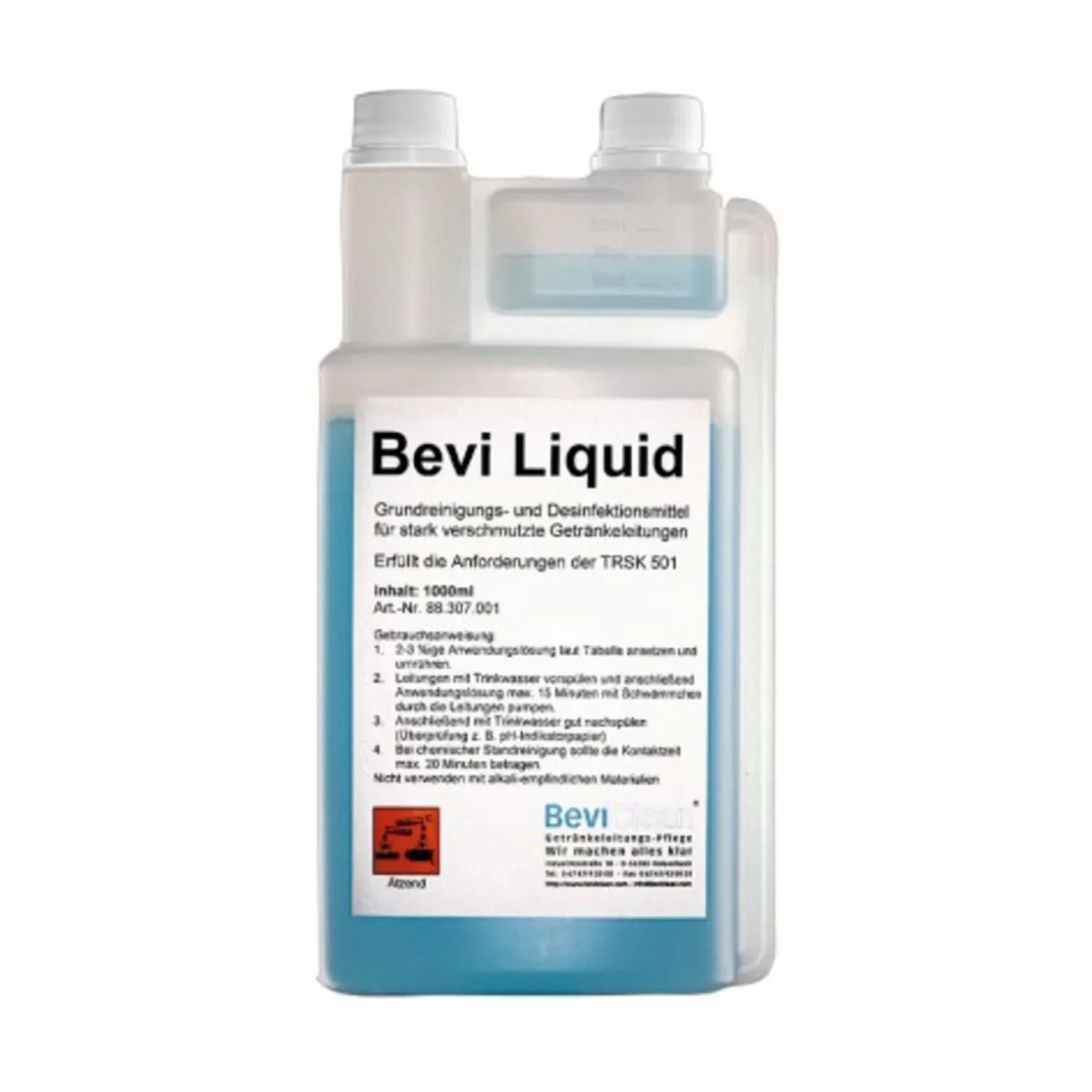

Always read the instructions on the label and test new products in an inconspicuous area. This ensures that you clean effectively without damaging your furnishings. In addition to an all-purpose cleaner, your cleaning arsenal should include a bathroom cleaner, glass cleaner and degreaser.
Order and cleanliness are not magic; they are the result of smart planning and the right tools.
How do you really clean windows and glass surfaces without streaks?
Bright sunshine motivates you to clean the windows. But this is exactly where the mistake lies. If you clean your windows in direct sunlight, the cleaning water dries on the warm glass before you can squeegee it off. Unsightly smears and streaks are the result. Frustration is inevitable.
Instead, choose a cloudy, dry day. First remove coarse dirt from the window frames and sills. Then mix your cleaning solution. Lukewarm water with a splash of washing-up liquid is often enough. For heavy soiling, a splash of methylated spirit helps remove grease and streaks.
Use a high-quality rubber squeegee. Hold it at a slight angle and pull it from top to bottom in overlapping strokes. Wipe the rubber blade with a clean cloth after each stroke. Dry the edges with a microfibre cloth. This will give you a professional, streak-free finish.
Expert tip
For especially hard, limescale-rich water that often leaves streaks, you can use distilled water in your cleaning solution. Alternatively, add a small splash of rinse aid for dishwashers to the cleaning water. It reduces the surface tension of the water and ensures spot-free drying.
What is often overlooked during a deep clean? The forgotten corners of the home
Another classic mistake is focusing on the obvious, large surfaces. The floor is gleaming and the worktop is clear, but dust on the door frames and fingerprints on the light switches remain. Spring cleaning is the perfect opportunity to clean these neglected areas.
Go into detail with your room-by-room checklist. Remember:
- Light switches, door and window handles
- Skirting boards and baseboards
- The tops of tall cabinets, door frames and pictures
- Radiators (inside and out)
- Lampshades and ceiling lights
- Drains and siphons
Drains in the kitchen and bathroom in particular need attention. Hair, grease and soap residue can build up here, causing blockages and unpleasant odours. For powerful cleaning that breaks down organic deposits, you can use an alkaline cleaning powder such as . Such products are often more effective than conventional household cleaners and help restore free flow in your home drainage system. There are also plenty of forgotten corners in the garden and outdoors that could benefit from a good clean.
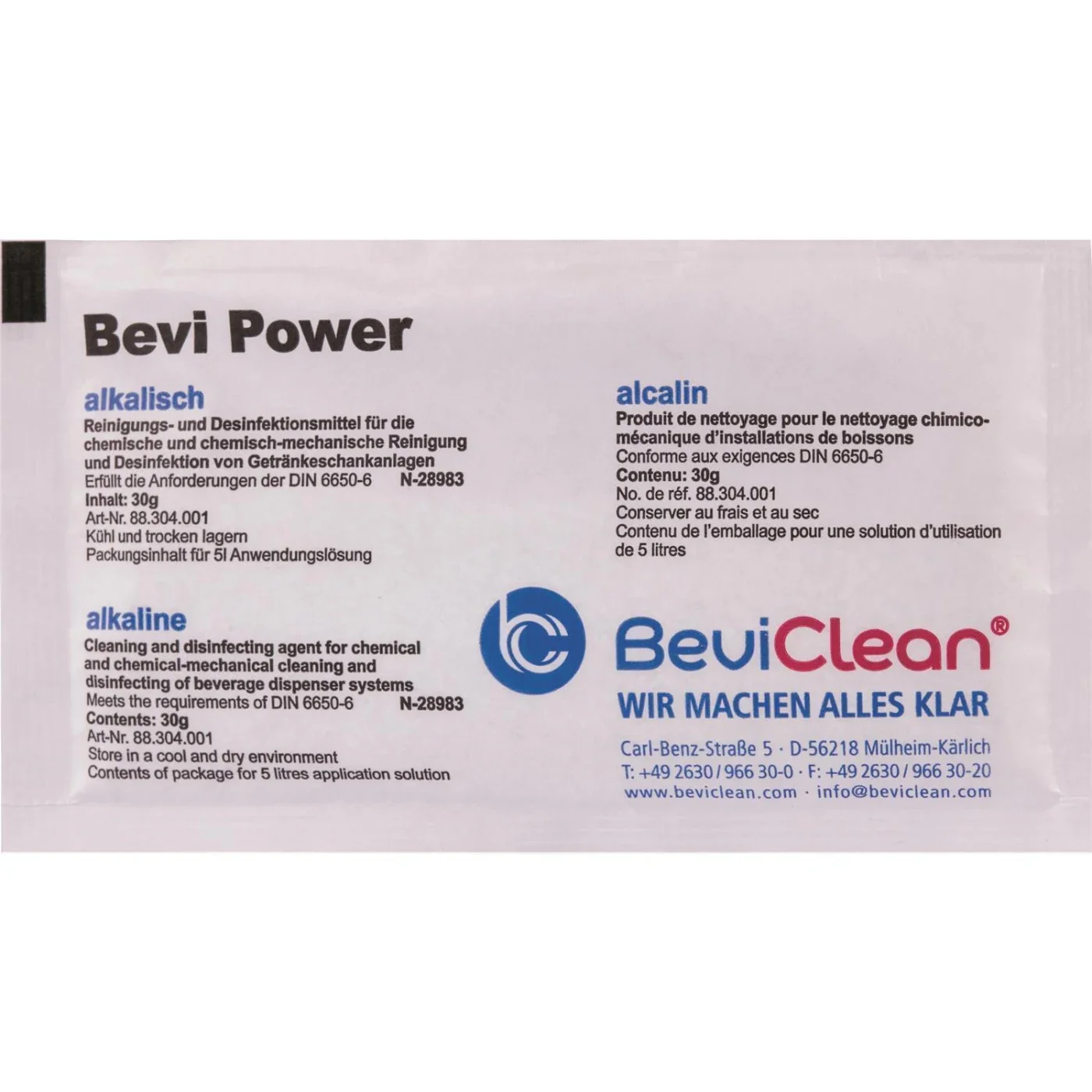
Important note
Always wear protective gloves and ensure good ventilation when working with strong cleaning products, especially alkaline or acidic cleaners. Read and follow the manufacturer's safety instructions to avoid skin irritation or inhaling fumes.
Declutter before cleaning – Why this order is worth its weight in gold
Do you wipe around piles of old magazines and move boxes full of unused items from one corner to another? Big mistake! Cleaning before decluttering is wasted effort. You may clean items that you throw away just minutes later. The right order is crucial: declutter first, then clean.
Use spring cleaning as an opportunity for a fresh start. Go through your home room by room and sort things out consistently. The tried-and-tested four-box method can help: one box for “Keep”, one for “Donate/Sell”, one for “Rubbish” and one for “Store” (e.g. seasonal decorations). Be honest with yourself: what did you really need or use last year?
Once your rooms are free of unnecessary clutter, cleaning becomes much easier and more satisfying. You can suddenly reach every corner, cabinets are easier to wipe down and the end result immediately looks tidier and more spacious. Decluttering frees not only your home, but also your mind.
The objective of cleaning is not just to clean, but to feel happy living within that environment.
How can you tackle stubborn dirt without scrubbing?
Burnt-on food in the oven and limescale deposits in the shower prompt many people to reach straight for a steel scourer and start scrubbing with brute force. This not only takes effort, but can also scratch surfaces. The clever approach is to let the cleaning chemicals do the work.
Almost every specialist cleaner needs some time to work at full strength. Spray limescale remover onto the tiles in your bathroom and leave it to work for a few minutes before rinsing it off. Apply oven cleaner and leave it to work overnight. The dirt can often be wiped away effortlessly the next day.
This principle applies to many areas. A degreaser in the kitchen needs time to work through layers of grease. A heavy-duty cleaner such as can be left to soak briefly on heavily soiled floors to loosen the dirt. Less scrubbing means less effort and gentler treatment for your surfaces.
Spring cleaning does not have to be a marathon of scrubbing. With good planning, the right tools and by avoiding these common mistakes, you can turn a tiresome chore into an efficient and even satisfying project. Enjoy the feeling of a thoroughly clean and fresh home – the perfect start to the new season.
Frequently Asked Questions
- Which room should I start with when spring cleaning?
- It is best to start with the room you use least often, such as the guest room or home office. This gives you a quick sense of achievement and lets you work gradually towards frequently used areas such as the kitchen and living room without them immediately becoming untidy again.
- How often should you do a spring clean?
- A thorough spring clean is ideally carried out once a year, typically between March and May. It supplements your weekly routine with less frequent tasks such as cleaning windows, wiping out cabinets and cleaning mattresses. This helps keep your home well maintained and clean in the long term.
- What is the most important tip for an effective spring clean?
- The most important tip is to follow the right order: declutter first, then dust and wipe down surfaces last. Always work from top to bottom (e.g. clean ceiling lights before the floor) and from dry to wet. A good plan saves time, energy and unnecessary extra work.
- Can I clean all surfaces with vinegar?
- No, vinegar is an acid and can damage sensitive surfaces. Do not use it on natural stone such as marble or granite, grout, hardwood floors or rubber seals. It is suitable for limescale deposits in the bathroom and kitchen, but always test it on an inconspicuous area first.
- How can I motivate myself to spring clean?
- Set realistic goals and divide the work into small stages. Create a playlist of your favourite music, reward yourself when the work is done and think about how great a fresh, clean home will feel. Sometimes it also helps to view the process as a fresh start.
You may also be interested in
- How to wash clothes properly: Avoid common mistakes
- Spring Cleaning Challenge: Your 21-day plan for a clean home
- Cleaning the bathroom: Top tips for a sparkling bathroom
- Spring cleaning: Organise your wardrobe and store winter coats
- Get your balcony ready for spring: Practical tips
- Easy decluttering: 10 expert tips for a tidier home