
In brief: Spring pruning rejuvenates plants, encourages new growth and promotes flowering and fruit production. After the last hard frost, remove old, diseased and crossing branches. This improves airflow, helps prevent disease and gives plants a strong, healthy shape for the season ahead.
The first warm rays of sunshine are here, birds are singing and nature is waking up. For gardeners, that means one thing: the gardening season is underway. Pruning is one of the most important jobs to tackle in spring. Many gardeners hesitate to pick up their pruning shears, worried they might damage their plants. In fact, the opposite is true. Pruning rejuvenates plants and encourages healthy growth, abundant blooms and a generous harvest.
This guide will help you prune with confidence. Learn why, when and how to prune your plants in spring, and give your garden a strong start to the year.
Why is spring pruning so important?
Spring pruning does more than improve the way your garden looks. It helps shape how your plants grow and gives them the best possible start to the growing season. Pruning can benefit your garden in several ways.
First, it encourages new growth. When you remove old shoots, the plant can put its energy into producing strong new ones. This leads to fuller growth and, for flowering plants, more blooms. Pruning also removes winter damage. Dead, frost-damaged or snow-broken branches can give pests and disease a way in. Clean cuts help stop them from spreading.
Pruning also improves airflow. Dense branches stay damp longer after rain, creating conditions for fungal diseases such as powdery mildew and black spot. Thinning the canopy lets more light and air reach the center of the plant, helping it stay healthy and resilient. Finally, pruning helps shape plants and manage their size so they don't grow out of control or crowd other plants in the bed.
Pruning encourages plants to produce new shoots. This promotes flowering and helps keep plants healthy and vigorous.
When is the right time for spring pruning?
Timing matters. Pruning too early leaves plants vulnerable to late frosts, which can damage fresh cuts and tender new growth. Pruning too late means cutting away growth the plant has already spent energy producing. For most plants, the ideal time is from late February to early April.
A good rule of thumb is to prune on a dry, frost-free day when no prolonged, severe frost is in the forecast. Ideally, the buds haven't opened yet. Forsythia is a helpful indicator: when it begins to bloom, it's the right time to prune many plants, including roses.
Take care with spring-flowering plants! Shrubs such as forsythia, ornamental cherry and lilac form their flower buds the year before they bloom. If you prune them before flowering, you'll cut off the season's blooms. Wait until they've finished flowering instead.
Important note
Follow the legal bird protection period! Under Germany's Federal Nature Conservation Act, heavy pruning of hedges and shrubs is prohibited from 1 March to 30 September to protect nesting birds. Light trimming and maintenance pruning that removes only the previous year's growth are permitted year-round.
Which plants should you prune in spring?
Different plants need different kinds of pruning. The right technique depends on the plant's species, age and growth habit. Here's an overview of the main plant groups and how to prune them.
Pruning roses: How to do it properly
Spring pruning is key to getting abundant blooms from your roses in summer. How much to prune depends on the type of rose.
- Floribunda, hybrid tea and miniature roses: These roses bloom on new growth and can handle hard pruning. Cut strong stems back to around three to five buds, usually 15-20 cm above the ground. Remove weak stems completely.
- Shrub roses: These need only light thinning. Remove old and dead wood, then cut the main stems back by around one third to maintain the shape.
- Climbing roses: Cut last year's flowering side shoots back to short spurs with two to three buds. These will grow into new flowering shoots. Leave the main stems unpruned unless you need to shorten them.
Summer-flowering shrubs and perennials
Many popular shrubs that bloom in summer and fall form their flower buds in spring on new growth. Hard pruning helps them produce as many blooms as possible.
- Butterfly bush (Buddleja): Cut all last year's stems back to short stubs with two buds. This encourages long new shoots with large flower clusters.
- Panicle and smooth hydrangeas (Hydrangea paniculata, H. arborescens): Cut these back hard to around 30-40 cm. This encourages strong new shoots with huge flower heads. Mophead hydrangeas, on the other hand, need little to no pruning because they bloom on old wood.
- Lavender: Cut the shoots back by around two thirds, but don't cut into the old, woody stems where there are no leaves. This keeps lavender compact and prevents bare patches at the base.
- Perennials: Once you see new growth, cut the dried stems of perennials such as coneflower, phlox and delphinium back to a hand's breadth above the ground.
Fruit trees and berry bushes
Pruning fruit trees is a science in itself, but a few basic rules can help. For routine pruning, thin the canopy by removing shoots growing inward, crossing branches and steeply upright shoots (water shoots). The goal is an open, airy canopy that lets sunlight and air reach the branches. This improves fruit quality and helps prevent disease.
For berry bushes such as currants and gooseberries, remove the oldest, darkest stems, usually 2-3 per bush, cutting them close to the ground. This continually rejuvenates the bush and encourages new, productive fruiting stems.
Ornamental grasses and evergreens
In spring, cut ornamental grasses such as Chinese silver grass and fountain grass back to about 10 cm above the ground, shortly before new blades emerge. Tie the old growth into a bundle before cutting to make the job much easier.
Evergreen shrubs such as boxwood, cherry laurel and yew usually need only light shaping. Spring is a good time to prune them, too. Avoid pruning in strong sunlight, which can scorch freshly cut leaves.
Pruning roses isn't a science; it's a craft. The most important cut is the one you feel confident making.
How do you make the perfect cut? Technique matters!
Knowing what to prune is only part of the job; how you do it matters just as much. Clean cuts and the right tools are essential for plant health.
The right tool is half the job
Invest in high-quality garden tools. For thinner branches up to the thickness of your thumb, bypass pruners are ideal. Their two blades glide past each other to create a clean, smooth cut that heals quickly. For thicker branches, use loppers with long handles or a small pruning saw. Always make sure your tools are sharp. Dull blades crush the wood and leave ragged wounds.
Expert tip
Disinfect your tools before use and between pruning different plants, especially if you have removed diseased shoots. A cloth with high-proof alcohol or denatured alcohol is sufficient. This prevents pathogens from spreading from one plant to another.
Making the cut: Clean and angled
Always make the cut about 5 millimetres above an outward-facing bud. The cut surface should be slightly angled away from the bud. This lets rainwater run off instead of collecting on the wound, where it could encourage rot. Always remove branches directly at the branch collar, the small swelling where the branch joins a larger branch or the trunk. Do not leave stubs, as they will die back and become entry points for infection.
What should you do with the prunings?
After pruning, piles of branches and twigs often build up. Do not simply throw this valuable material away. A garden shredder will chop up the prunings, which you can then use as mulch under hedges and on garden beds. It suppresses weeds, protects the soil from drying out, and slowly releases nutrients. A sturdy tarp such as this
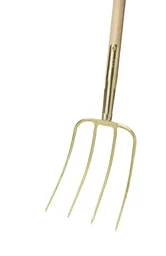
spread underneath will make it easy to collect the cuttings neatly. Move large quantities of prunings effortlessly with a manure fork to the compost pile or shredder. Collect smaller quantities in convenient garden waste bags.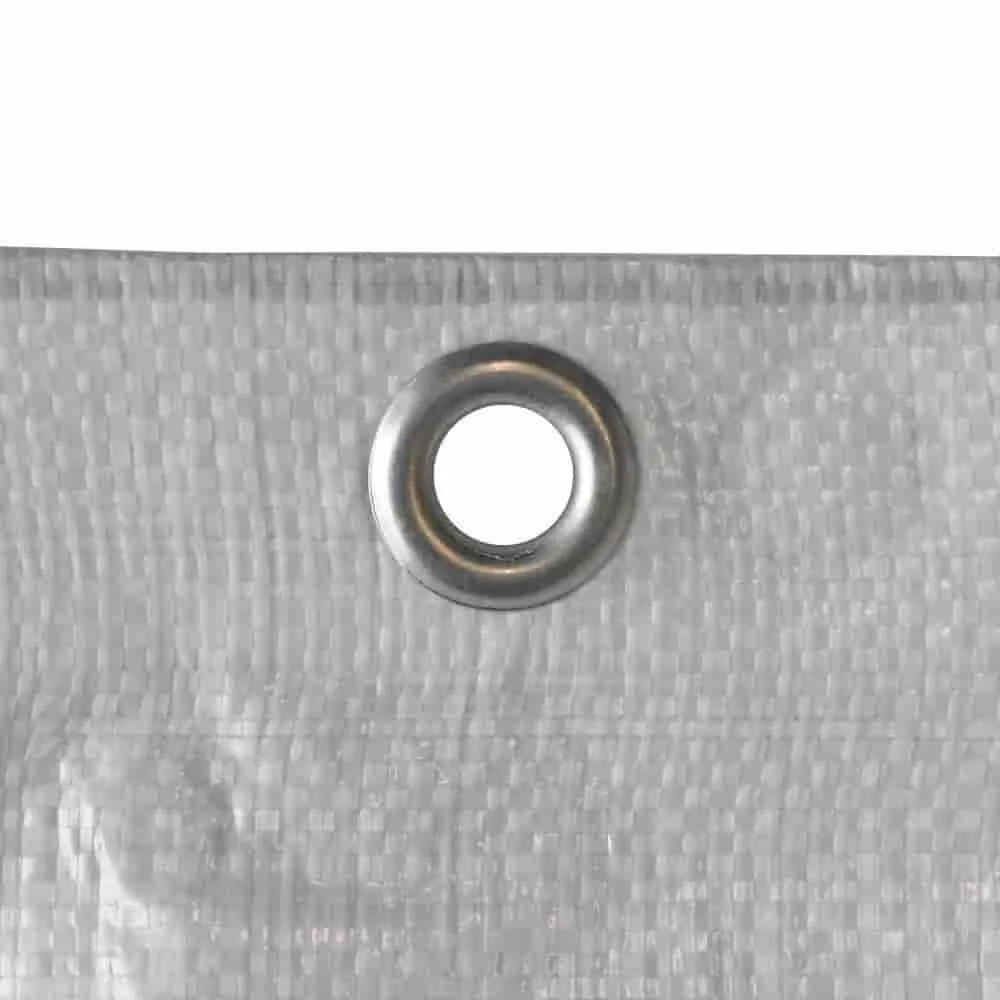
Care after pruning: What your plants need now
Pruning stimulates the plant to produce new growth. This burst of activity requires energy. Give your freshly pruned plants the right care to help them make the best possible start to the season.
A dose of nutrients is just what they need now. Work mature compost or an organic plant and flower fertilizer into the soil around the plant. This gives it the strength it needs for healthy, vigorous new growth. You should also water thoroughly during dry weather.
Check the fresh pruning wounds over the following weeks. A healthy cut will heal by itself. For larger cuts on trees with a diameter of more than 5 cm, you can apply a wound sealant to prevent moisture and pathogens from entering. Comprehensive pest and plant protection is part of sustainable garden care. If necessary, temporarily protect delicate, freshly pruned plants from curious birds with a lightweight net such as this
pond protection net to shield them from birds that might peck at young buds.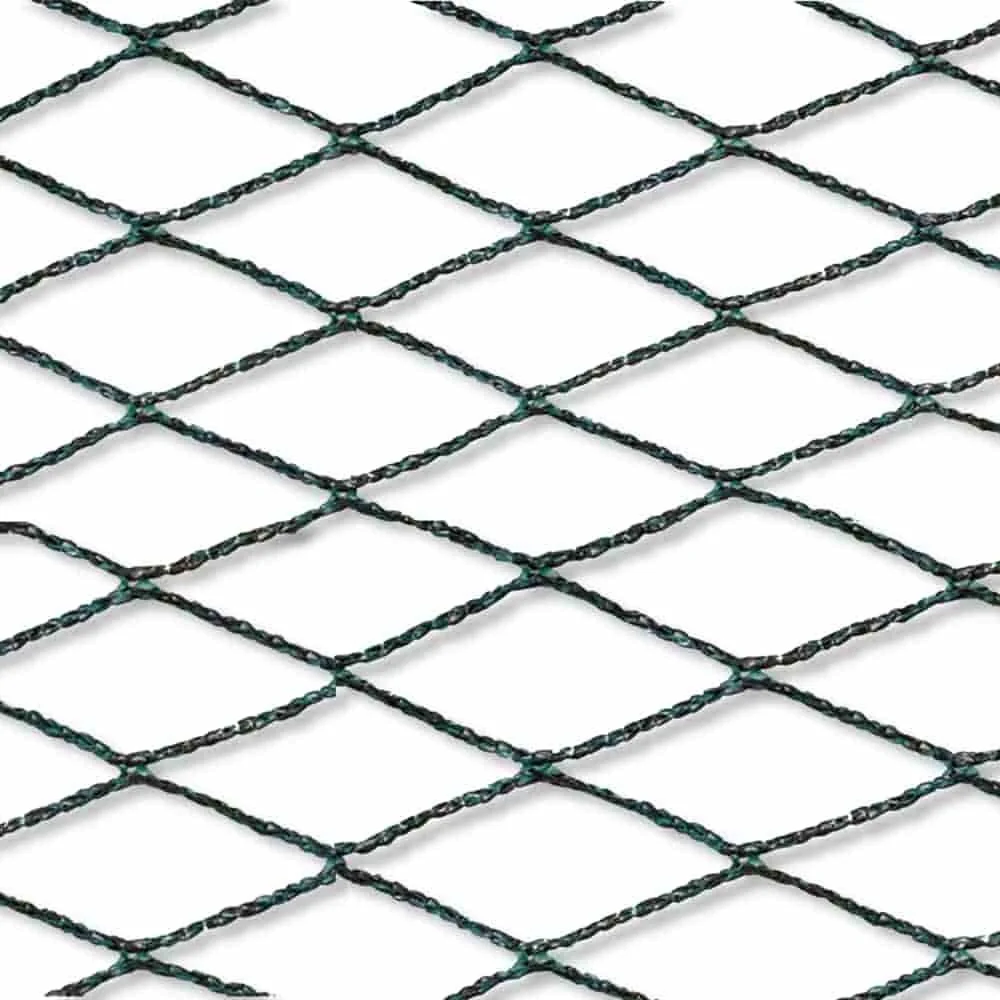
Additional advice
Use the shredded prunings as a layer of mulch. This method, known as sheet composting, is one of the best ways to improve the soil. Earthworms and other soil organisms slowly draw the material into the ground and turn it into valuable humus. Your plants will thank you with healthy, vigorous growth.
Spring pruning is one of the most rewarding jobs in the garden. With a little knowledge and the right tools, you can transform this task from a chore into a creative part of garden design. So pick up your pruners with confidence. Your plants will reward you with vigorous growth and a wealth of flowers to enjoy all summer long.
Frequently Asked Questions
- What happens if I don't prune my plants in spring?
- Without pruning, shrubs can become overgrown, lose foliage from the inside out, and produce fewer flowers or fruits. Dense growth restricts airflow and increases the risk of fungal diseases. The plant puts its energy into old wood instead of strong new shoots, leaving it weaker overall.
- Can I prune when it's frosty?
- No. Never prune during a hard freeze. Freshly cut surfaces are very sensitive. Water inside the cells can freeze, split the wood, and damage it at the cut. This makes the plant more susceptible to disease. Always wait for a frost-free period.
- What tools do I need for pruning?
- Sharp bypass pruning shears are enough for thinner shoots. For thicker branches, you'll need loppers with longer handles or a small pruning saw. Make sure all your tools are sharp and clean for smooth cuts and to prevent the spread of disease.
- Why are some shrubs pruned only after flowering?
- Spring-flowering shrubs such as forsythia and ornamental cherry trees form their flower buds the previous year. If you prune them in spring before they bloom, you'll remove all the flowers for the current season. Always prune these shrubs immediately after they finish flowering.
- What is the "bird protection period," and what does it mean for pruning?
- Under the Federal Nature Conservation Act, radically cutting back or removing hedges, shrubs, and other woody plants is prohibited from 1 March to 30 September. This rule is intended to protect nesting birds. Light shaping and maintenance pruning that affects only the previous year's growth is still permitted.
You may also be interested in
- The start of spring: When does gardening season really begin?
- Is your tree too big? Tips for pruning it properly
- Get your garden ready for spring: Is it time to install lawn edging?
- Spring flowers for your garden: A colorful start to the year
- Gardening in April: The start of the gardening season
- How to prune hedges: When is the best time?