
In brief: If your dishwasher is not filling with water, the cause is usually a blocked water supply, a faulty inlet valve or a defective door latch. First check the faucet and inlet hose. Clean the filter at the valve inlet, then test the door safety switch. These simple steps solve many problems without an expensive service call.
Dishwasher Not Filling with Water? Causes and Fixes
The appliance is silent. No humming, no bubbling. The dishwasher starts its cycle, but the interior stays dry. This problem is frustrating, but it often has a simple cause. We’ll guide you through a systematic diagnosis.
You don’t need a large set of tools. A screwdriver, pliers, a flashlight and a little patience are enough for an initial diagnosis. Start with the simplest solutions.
How do I troubleshoot the problem step by step?
Work methodically. Turn off the dishwasher and unplug it from the outlet. Shut off the faucet at the wall connection. You can now work safely.
First, check the obvious things. Is the faucet behind the machine fully open? A faucet that has been accidentally turned off is a common cause. Check the water supply from another faucet in the kitchen to rule out a general drop in water pressure.
Checking the inlet hose
The flexible hose connects the faucet to the machine. Carefully pull the dishwasher out from under the countertop. Take care not to damage the floor.
Inspect the entire hose for visible kinks or crushing. A pinched hose immediately blocks the water flow. Disconnect the hose from the dishwasher valve. Hold the end over a bucket.
Turn on the faucet briefly. A strong stream should come out. If the stream is weak or only drips, there’s a blockage in the pipe or faucet aerator. You can find a wide range of replacement parts, such as a new drain hose.
Important note
Always unplug the dishwasher before working on it. Never connect or disconnect electrical components such as the inlet valve while they’re live. Water and electricity can be a deadly combination.
Why is the inlet valve a common cause of failure?
The solenoid valve opens when it receives a signal from the control system. It’s located where the inlet hose connects to the machine. Limescale, rust particles and contaminants in the water supply can damage this component.
The valve has a small inlet filter that catches larger particles in the water. Over time, the filter can become clogged, allowing little or no water to pass through.
Cleaning the valve filter
After unscrewing the inlet hose, you’ll see the valve’s brass connection. A small cylindrical filter sits inside it. Carefully remove it with needle-nose pliers or tweezers.
Rinse the filter under running water. Brush it clean with an old toothbrush. Take care not to damage the fine mesh. Reinstall the cleaned filter.
Reconnect the hose. Turn on the faucet and check for leaks. Then run a test cycle. This simple cleaning often solves the problem right away.
In more than 30 percent of cases where a dishwasher isn’t filling with water, the inlet valve or its filter is to blame. Regular maintenance of this component can help prevent expensive repairs.
How do I test the door latch and switch?
Safety comes first. The dishwasher only fills with water when the door is securely closed. A mechanical or electronic door switch ensures this.
Close the door. Do you hear a clear mechanical click? If not, the door may not be latching properly. Check the seal for dirt or improper positioning.
The switch itself may have an electrical fault. Its contacts complete the circuit for the water inlet. A defective switch breaks this circuit, so the control system thinks the door is open.
Pro tip
You’ll need a multimeter to test the door switch. Measure the resistance across the contacts with the door closed. If the meter shows “infinity,” the switch is faulty. A working switch has very low resistance, close to zero ohms.
Replacing the switch
Replacement is usually straightforward. Remove the side door panel or inner door panel. Locate the switch. It’s often secured with a few screws and connected with a plug.
Disconnect the plug. Loosen the fastener. Install the new, matching replacement part. Make sure it’s positioned correctly so the door mechanism activates the switch.
What does the water level sensor do, and how can it fail?
The pressure switch monitors how much water has entered the machine. A small hose runs from the bottom of the dishwasher tub to this sensor. As the water level rises, the air pressure in the hose increases.
If this hose is leaking, blocked or kinked, the sensor receives incorrect signals. It tells the control system that the water level is already high, even though the tub is empty. The control system then stops the water supply.
Find the sensor. It’s a small, round plastic housing, often with one or two hoses. Check the hose for obstructions. Blow through it carefully. You shouldn’t feel any resistance.
Clean the connections. Reattach the hose securely. A faulty sensor must be replaced. It’s an electronic component that can’t be repaired.
Many customers overlook the pressure switch hose. A small insect or a bit of limescale is enough to block it. Taking two minutes to check it visually can often save you a service call.
What role do the electronics and control system play?
The cycle control is the dishwasher’s brain. It sends the command to open the inlet valve. If there’s a fault in the control system, the command never arrives.
This fault is less common but more complex. It’s often preceded by other symptoms, such as unusual cycles or unexplained error codes on the display.
A simple reset can sometimes help. Unplug the appliance for at least five minutes. This completely resets the control system. Plug the appliance back in and start a cycle.
If the problem persists, you’ll probably need professional help. Replacing the main control board is a demanding and expensive repair. In that case, compare the cost with the price of a new appliance.
Additional advice
Use a dishwasher cleaner or special descaling tablets regularly. Limescale deposits can damage the heating element, valves and sensors. Products such as
clean effectively while protecting the appliance.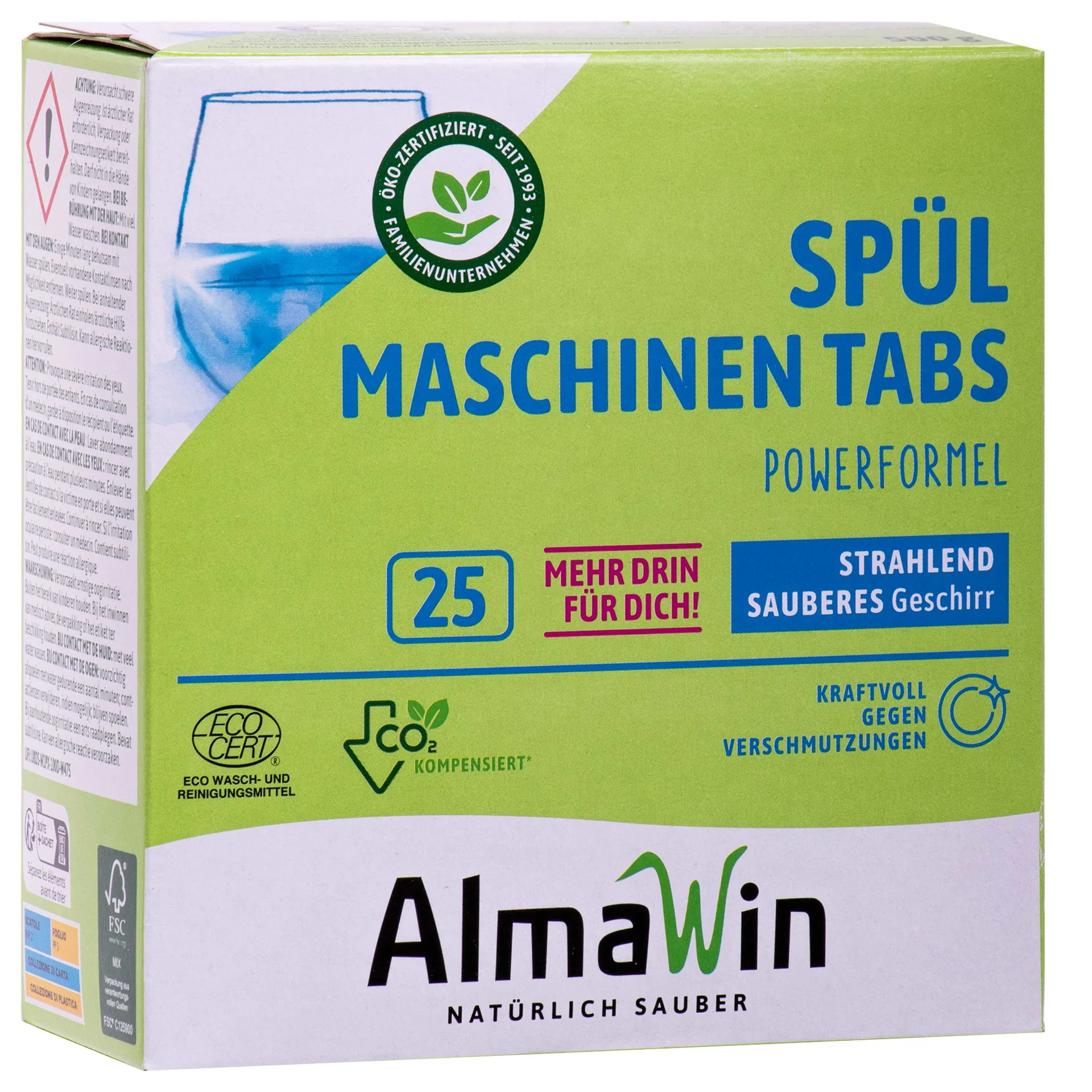
When should I check the drain hose?
A clogged or improperly installed drain hose can indirectly prevent your dishwasher from filling with water. Before filling, the dishwasher often checks that it can drain properly. If the drain is blocked, it may not start a new cycle as a safety precaution.
Check the drain hose for kinks. It should run in a wide curve to the drain connection. A bend that is too sharp or a loop under the machine can cause a blockage.
Disconnect the hose from the drain connection and let the water drain into a bucket. If the flow is weak, clean the hose. A longer hose may help, such as the
with a length of 3,5 metres.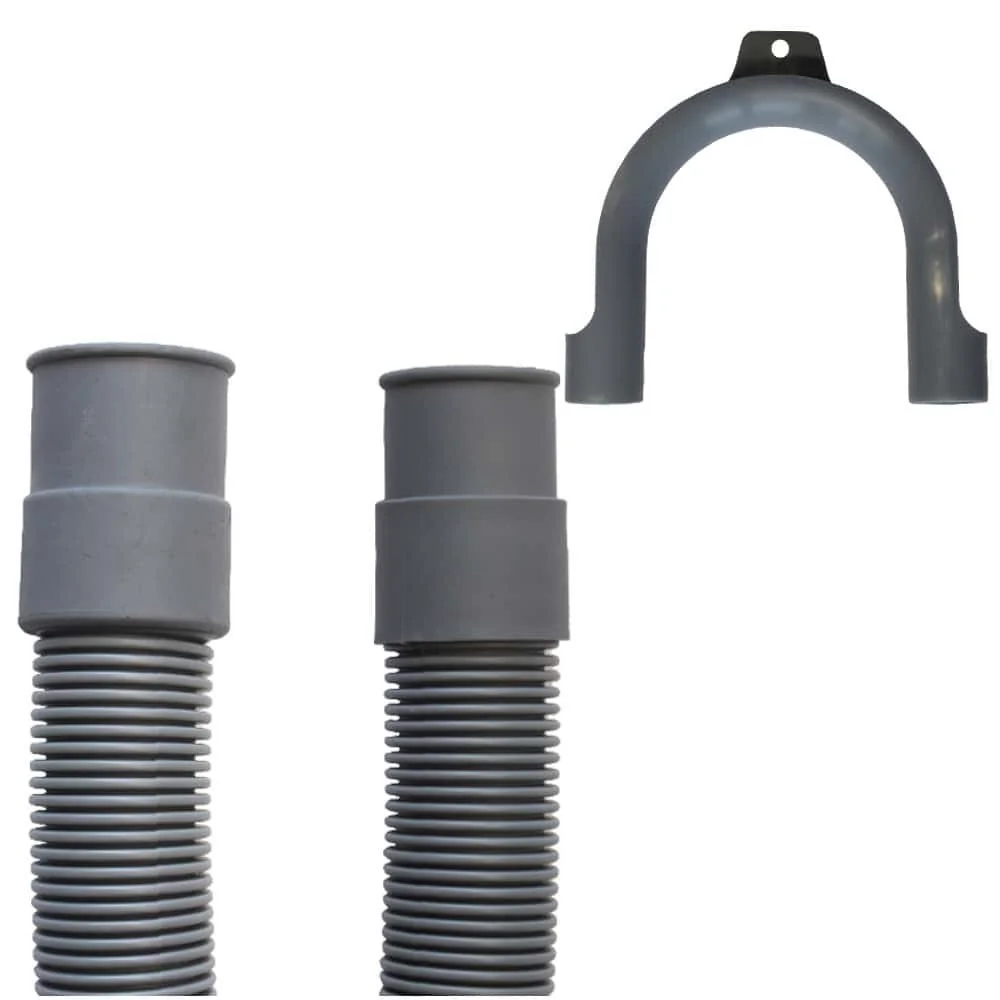
For hose and connection repairs, find the accessories you need in our Plumbing & Irrigation category. Proper installation is essential for reliable operation.
Preventive maintenance for a longer service life
You can avoid many problems with regular maintenance. Rinse large food scraps off dishes before loading them, and clean the filter at the bottom of the dishwasher regularly.
Descale the appliance every one to three months, depending on your water hardness. A clean dishwasher runs more reliably and uses less energy. To clean your home, take a look at our extensive shop.
Keep spare parts, such as a compatible drain hose, on hand. The
is a universal hose with a bracket that fits many models. That way, you’re prepared for minor problems.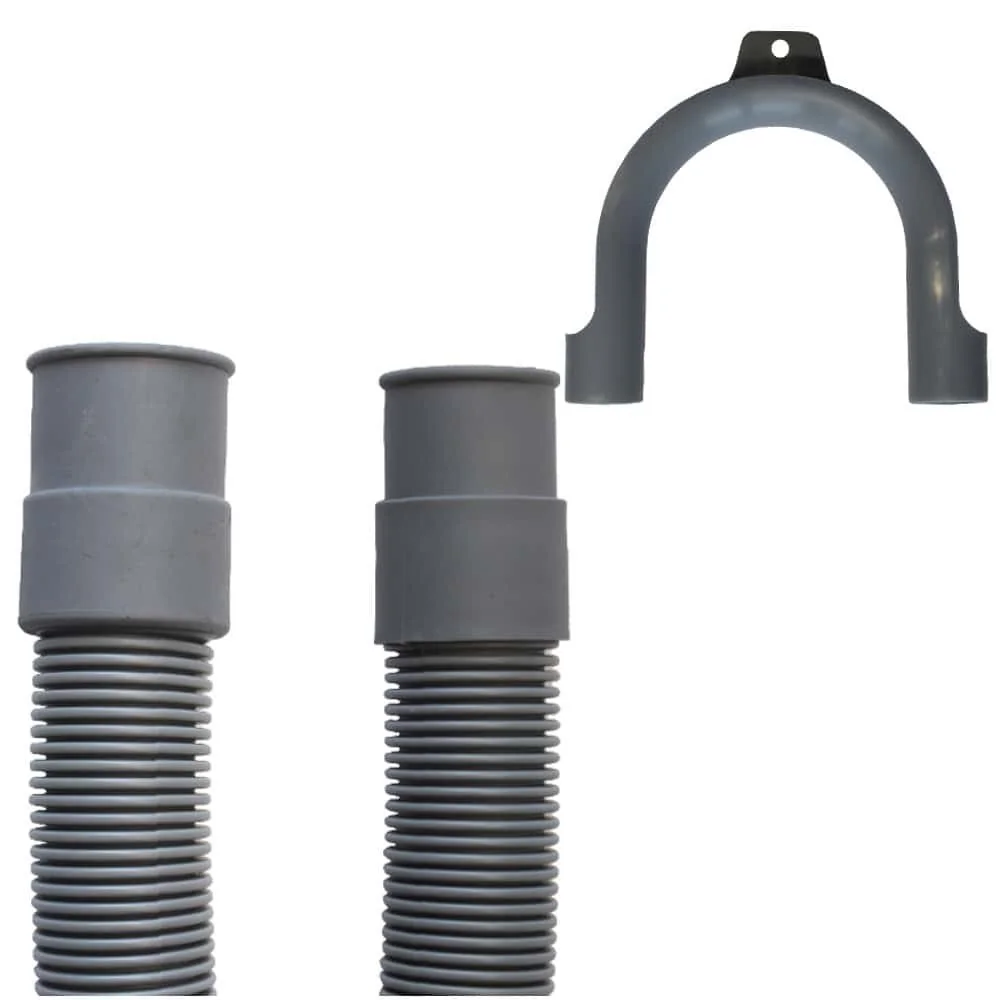
Remember to maintain your other appliances, too. Find repair tools in the Power Tools category. A well-maintained home saves time and money.
With this guide, you now know how to troubleshoot the most common reasons a dishwasher won’t fill with water. Get started—often, the fix is simpler than you think.
Frequently asked questions
- What should I do if the dishwasher starts but no water comes in?
- First, check that the water supply valve is open. Then check the inlet hose for kinks or blockages. The small filter in the inlet valve may be clogged with limescale. Clean it carefully, then check whether the dishwasher fills with water.
- Can a faulty door switch keep a dishwasher from filling with water?
- Yes. As a safety feature, the dishwasher only fills when the door is securely latched. A faulty door switch or latch can make the appliance think the door is open. You may not hear a click when you close it. Replace the faulty part.
- How can I tell if the water inlet valve is faulty?
- The valve is at the back of the machine, where the water supply connects. If you don’t hear a humming or clicking sound when a cycle starts, the valve may be faulty. Use a multimeter to check the resistance of the solenoid coil. An open circuit indicates a fault.
- Why isn’t my dishwasher filling even though the water supply is on?
- The water level sensor, also called a pressure switch, monitors the water level. If it’s faulty or its hose is blocked, the control unit may receive incorrect signals. Clean the hose leading to the sensor. If the sensor is faulty, it needs to be replaced.
- Is it dangerous to repair a dishwasher yourself?
- Always unplug the appliance before working on it. Use caution around water and electrical connections. If you’re unsure, hire a professional. For many mechanical problems, such as clogged filters or hoses, you can find suitable replacement parts in Industrial Supplies.
You may also be interested in
- How to save energy when using your dishwasher
- Washing machine won’t drain? Fix the problem yourself
- Water in your refrigerator? Find the cause and fix it yourself
- How to connect a washing machine: A complete guide
- Save energy at home by washing dishes in cold water
- How to clean a dishwasher: Tips and home remedies