
In short: You can reduce food waste through smart planning and proper storage. Create a weekly meal plan based on the food you already have. Store fresh foods such as berries and lettuce properly to extend their shelf life. Turn leftovers into creative new dishes or freeze them in individual portions.
How can I reduce food waste in everyday life?
One in eight foods we buy ends up in the trash. This costs you real money and harms the environment. The good news is that smart strategies and simple habits can significantly reduce this waste. It starts with shopping, continues with proper storage and ends with creative ways to use leftovers.
This article provides practical, easy-to-follow household tips. You will learn how to organize your refrigerator, what to do with different leftovers and which tools can help you. A sustainable household is not rocket science—it is a matter of routine.
The most common causes of food waste
Unrealistic shopping plans top the list. We buy too much, shop too spontaneously or fail to check what we already have. Improper storage causes fresh fruits and vegetables to wilt or spoil quickly. And often, we simply lack ideas for turning leftover ingredients into a tasty meal.
Plan and shop smarter
The best waste is waste that never occurs. A well-planned shopping strategy is your most effective tool.
A weekly meal plan is your best friend
Take ten minutes before the week begins to create a meal plan. Check your refrigerator, pantry containers and freezer. What needs to be used up? Plan your meals around those foods. A flexible plan reduces stress and prevents spontaneous, unnecessary purchases.
“Checking the refrigerator before shopping is the foundation of food rescue. We often discover forgotten yogurts, half a bell pepper or opened sauces that are still perfectly usable.”
Make your shopping list specific and realistic
Write your list based on your meal plan. Be specific: not “vegetables,” but “one zucchini, two bell peppers, one bunch of radishes.” Buy quantities you can actually use. It pays to be cautious with highly perishable products such as salad greens or fresh herbs. Visit our Garden + Outdoor category if you are considering growing your own herbs or vegetables—the ultimate guarantee of freshness.
Pro tip
Never go grocery shopping when you are hungry. A rumbling stomach encourages impulse purchases and oversized portions. A small snack before you enter the supermarket protects your wallet and helps prevent food waste.
Store and preserve food properly
Proper storage can extend the shelf life of food by days or even weeks. This saves money and reduces spoilage.
The secret to an organized refrigerator
Make use of the different temperature zones. The top shelf is suitable for cheese, prepared foods and jams. The middle shelf is perfect for dairy products. The bottom glass shelf is the coldest area for perishable foods such as meat and fish. The vegetable drawers have higher humidity levels for salad greens and vegetables. The door is intended for sauces, drinks and butter.
Perishable foods such as berries or fresh herbs last longer when stored in special food storage containers or in a container lined with paper towels. The paper absorbs moisture and helps prevent mold.
The art of freezing food
Your freezer is a powerful tool for preventing waste. Divide large packages or leftover meals into suitable portions right away. Use freezer bags or containers for this purpose. Label everything with its contents and date. Blanch vegetables briefly before freezing to preserve their color, flavor and nutrients.
“Many people underestimate their freezer. Even herbs, leftover wine for sauces, lemon zest and broth freeze very well and are ready for the next meal in no time.”
Organize your pantry intelligently
Use the “First In, First Out” principle. Place newly purchased, longer-lasting products toward the back. Move older items to the front. Check your supplies regularly. Clear storage containers give you a quick overview of quantities and help protect food. You can also find a range of storage solutions for your home in the Shop category.
Get creative with leftovers
Some of the best dishes are made from leftovers. With a little creativity, supposed “waste” becomes a delicious foundation.
Vegetable scraps: more than just compost
Peels and trimmings from onions, carrots, celery and leeks make an excellent vegetable broth. Simply simmer them in a pot of water, strain the broth and freeze it. Leftover, wilted vegetables are perfect for a stir-fry, quiche or creamy soup. You can also use soft apples or wilted spinach in a smoothie made from leftover fruits and vegetables.
Important note
Always check food with your senses before throwing it away. Mold on soft foods such as applesauce, yogurt or bread often penetrates the entire product—in these cases, discard it. With hard cheese or firm vegetables, you can cut away moldy spots generously. When in doubt, it is better to throw the food away.
Give bread, rice and potatoes a new life
Stale bread can become dumplings, croutons or breadcrumbs. A simple bread pudding with eggs and milk uses up larger quantities. Leftover rice becomes fried rice the next day. Turn cooked potatoes into potato pancakes or a hearty potato soup.
Turn “almost spoiled” into a gourmet meal
Overripe bananas are the perfect sweetener for banana bread or smoothies. Purée wilted herbs with oil to make a delicious pesto that keeps in the refrigerator for weeks. Sour wine can be used as the base for a reduction or a braising sauce.
Extra advice
Introduce one “leftovers day” each week. On this day, cook only with what is still available in your refrigerator and pantry. This boosts your creativity, systematically clears out your supplies and saves even more money.
Sustainable helpers for a mindful household
The right tools and habits support your efforts to live more sustainably.
Reusable instead of single-use
Avoid plastic bags when shopping. A sturdy, washable cloth bag is the more sustainable choice. The
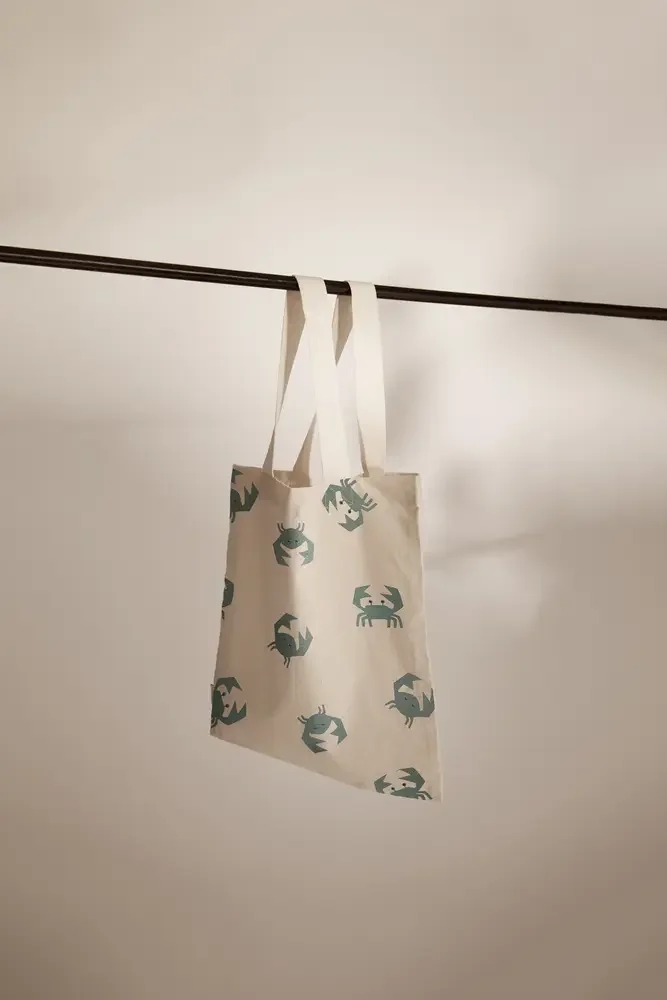
In your own kitchen, replace cling film and aluminium foil with beeswax wraps, silicone lids or simply inverted plates placed over bowls. Invest in a set of high-quality, airtight food storage containers in various sizes.
Self-sufficiency on a small scale
Grow your own herbs. A small pot on the windowsill will always provide fresh parsley or basil. If you have more space, browse Garden + Plant Accessories for raised beds or planters. Homegrown vegetables not only taste better; you also know exactly what you are harvesting and do not have to dispose of any plastic packaging.
Buying locally and seasonally reduces transport distances and often means less packaging waste. Visit farmers' markets or use vegetable boxes from local suppliers.
Technology as a helping hand
Vacuum sealers significantly extend the shelf life of food in the fridge and freezer. They are particularly useful for large cuts of meat, cheese or pre-cooked meals. A freezer with a star rating (at least ****) ensures a sufficiently low temperature for long-term storage.
For anyone who wants to water their garden while saving resources, water-saving systems are ideal. The
and are practical tapping saddles for easily connecting irrigation systems to a water pipe – an efficient way to water your garden.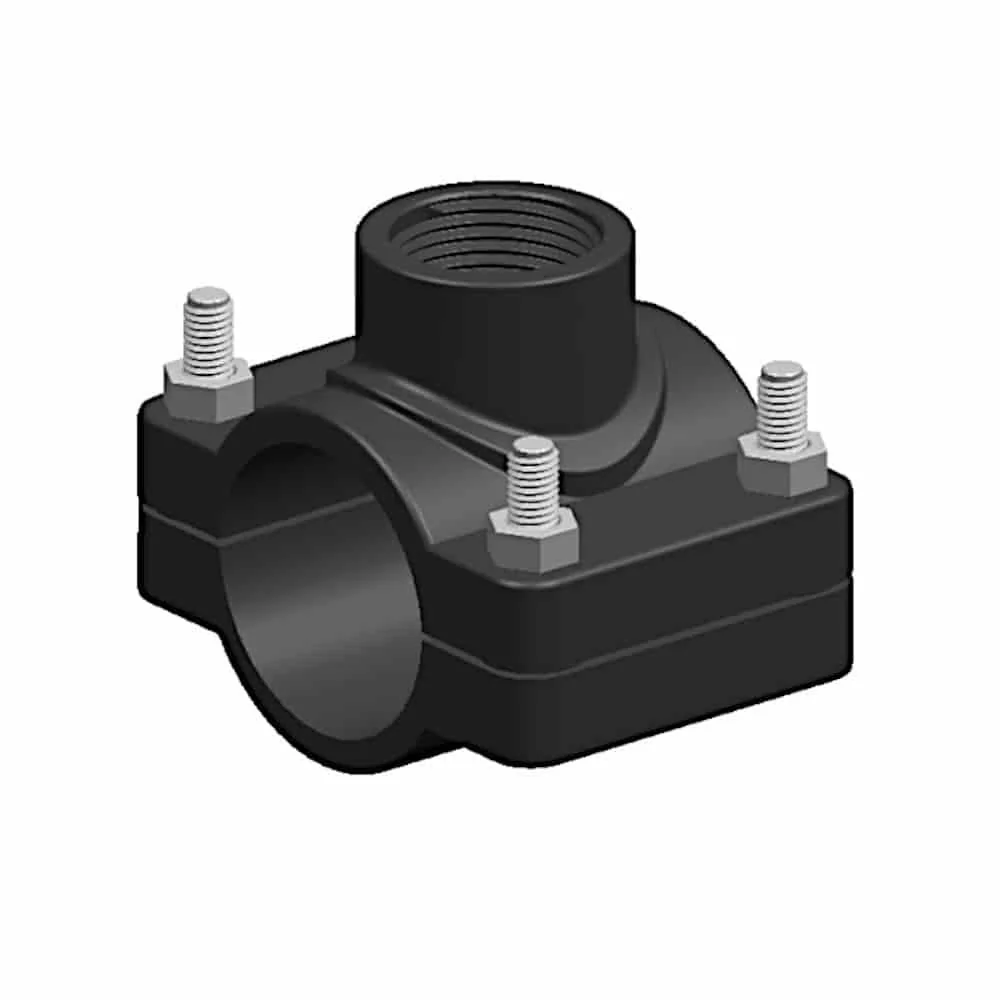

Conclusion: Small steps with a big impact
Preventing food waste is not a sprint but a marathon made up of many small, conscious decisions. Start with one or two of the tips above. Introduce a fridge check or establish a weekly leftovers day.
Every item of food you save conserves resources, protects your budget and helps the climate. A sustainable household not only feels good, it tastes better too. After all, creatively repurposed leftovers often make the most surprising and delicious dishes.
Discover more ideas for a sustainable everyday life in our categories, such as BBQ + Smoking, where you can find equipment for gently cooking or smoking home-grown vegetables and herbs.
Frequently Asked Questions
- How should I store fruit and vegetables so they last longer?
- Keep ethylene-producing foods such as apples, bananas and tomatoes separate from ethylene-sensitive vegetables such as broccoli, lettuce and carrots. Store root vegetables in a cool, dark and slightly humid place. Berries stay fresh for longer if you keep them unwashed and spread out on a kitchen towel in the fridge.
- What can I do with stale bread?
- Stale bread is perfect for making croutons, breadcrumbs or French toast. To make croutons, dice the bread, drizzle it with oil and toast it in the oven until crisp. You can grate frozen leftover bread directly to make breadcrumbs or use it later in a bread pudding.
- How can I plan my shopping to throw less food away?
- Check your fridge and pantry before you go shopping. Create a weekly meal plan based on what you already have. Write a specific shopping list and stick to it. Only buy perishable fresh food in quantities you can realistically use.
- Are food products past their best-before date automatically unsafe?
- No. The best-before date is a quality guarantee, not an expiry date. After the best-before date has passed, check food using your senses: does it look good, smell normal and taste fine? The use-by date on highly perishable foods such as meat is different – you should always follow this date strictly.
- What is the best way to freeze leftover food?
- Divide leftovers into suitable, labelled containers or freezer bags. Allow hot food to cool completely before freezing. Squeeze the air out of bags to prevent freezer burn. Write the contents and date on the container. Blanch vegetables before freezing to preserve their colour and nutrients.
You might also be interested in
- Zero waste at home: simple tips for everyday life
- Sorting waste: sustainable household waste disposal
- Keep food cool sustainably and save energy
- Save energy at home: sustainable tips to reduce costs
- Smart household tips: make your home more efficient
- Sustainable home remedies: replace drugstore products yourself