
In brief: Protect your pond with a fine-mesh pond net. It keeps falling leaves from affecting water quality and also creates a physical barrier against predators such as herons and cats. Stretch the net over the pond in the fall, before the leaves start dropping, and secure it firmly around the edges.
Table of contents
The twofold problem: Leaves and predators around the pond
A garden pond is a peaceful oasis, with gently trickling water, shimmering fish and darting dragonflies. But this idyllic setting can be under threat. In the fall, leaves drop into the pond and turn clear water murky. At the same time, predators such as herons and cats may discover an easy meal. You need a solution that tackles both problems at once.
The simplest and most effective method is a physical barrier. A sturdy net keeps out falling leaves and stops predators from reaching your fish. It helps create a healthy, protected pond throughout the year.
For most ponds, the best choice is the : Pond net 5 m x 6 m (30m²). Its generous coverage reliably protects even larger ponds. The net is tear-resistant and UV-stabilized, and its fine mesh keeps out small leaves without blocking too much light from reaching your aquatic plants.
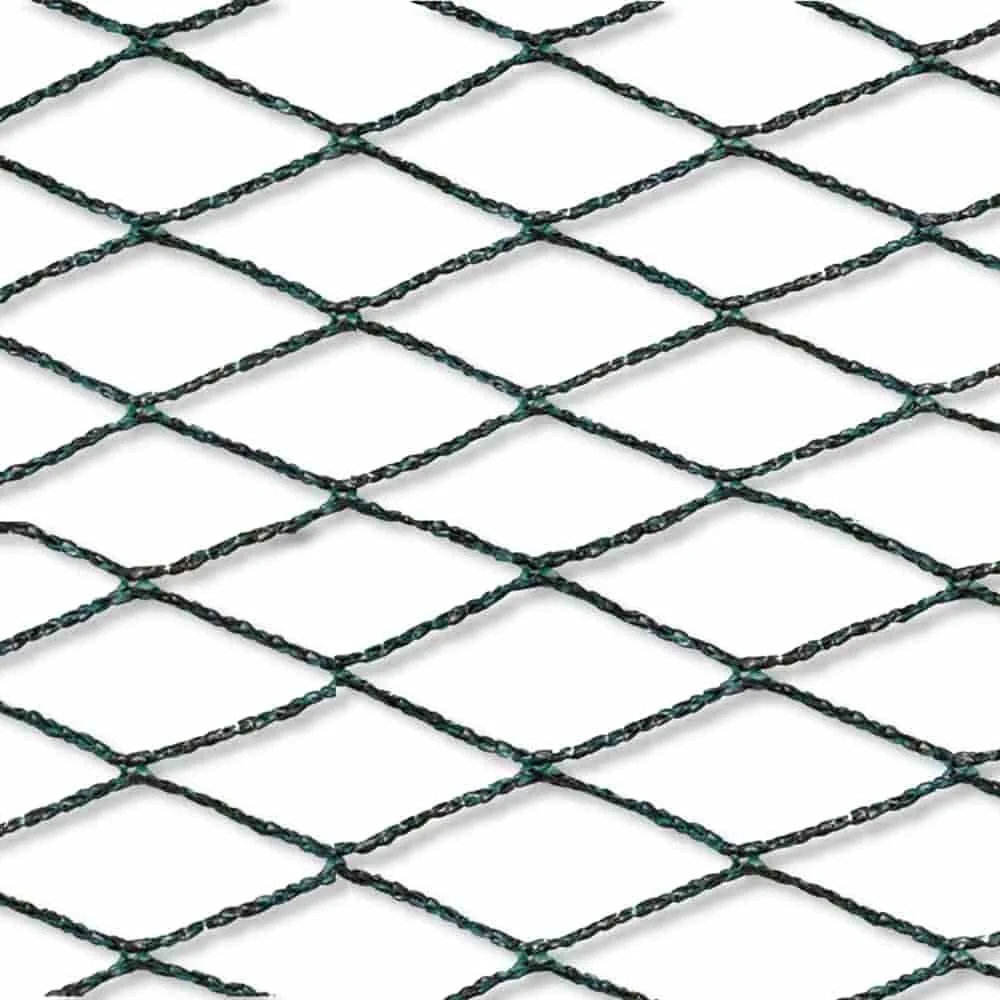
A healthy pond ecosystem starts with controlling what enters the water. In the fall, leaves are the largest source of nutrients and a major cause of algae problems the following spring.
Why are leaves in a garden pond a problem?
Fallen leaves are more than an eyesore. They can seriously disrupt the biological balance of your pond. As soon as leaves sink to the bottom, they begin to decompose.
Bacteria break down the organic material, using up large amounts of oxygen. In winter, especially under a solid layer of ice, oxygen levels in the water can drop to a critical level for fish and other aquatic life. Fish kills in the spring are often a direct result.
Decomposition also releases nutrients such as phosphates and nitrates, which act as fertilizer for algae. The following spring, you may see a rapid algae bloom that turns the water green and cloudy. A thick layer of sludge can build up on the pond bottom, causing unpleasant odors and putting further strain on the ecosystem.
The effects of leaves in a pond at a glance:
- Oxygen depletion: Decomposition uses up vital oxygen.
- Algae growth: Released nutrients encourage heavy algae blooms.
- Sludge buildup: Organic material collects on the bottom and decays.
- Falling pH: The water can become unhealthy and uninhabitable for fish.
- Clogged equipment: Leaves and sludge can clog pumps and filters.
Pro tip
Stretch your pond net at a slight angle. This lets rainwater and leaves collect in one spot, making cleanup much easier. Regularly remove leaves from the net before their weight makes it sag.
How can I protect my pond from leaves?
Prevention is key. Once leaves and sludge have settled on the bottom, removing them is laborious and time-consuming. The best way to keep leaves out is to use a pond net.
Best option: a pond net
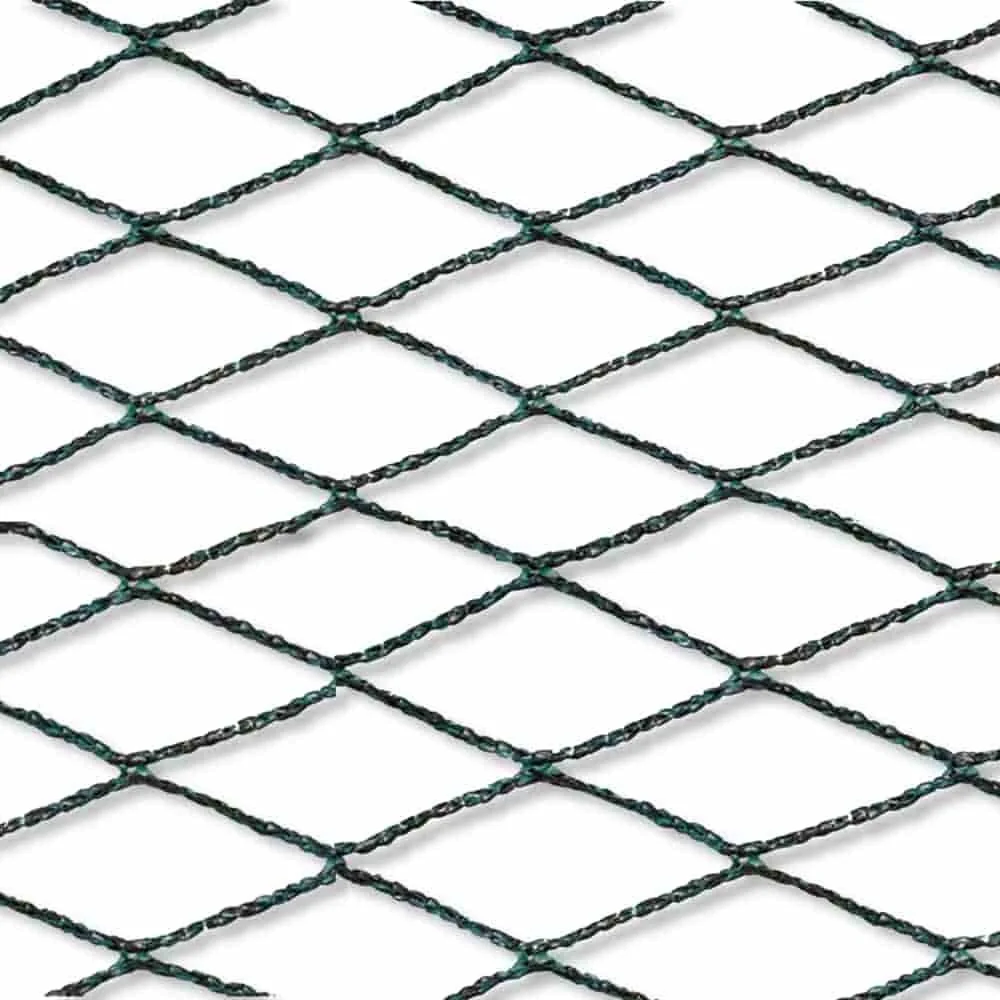
A fine-mesh net stretched over the pond catches most leaves before they reach the water. Installation is easy: spread the net over the entire pond surface and secure it around the edges with the included ground stakes. It should float a few centimeters above the water to avoid restricting gas exchange and to prevent leaves from falling into the pond.
For smaller ponds, the : pond net 3x6m (18m²), while the larger model is ideal for ponds up to 30m². These pond nets are sturdy and weather-resistant, so you can use them for many years.
Extra steps: manual cleaning
Even with a net, a small amount of organic material may still enter the water. A fine-mesh pond skimmer is essential for quickly removing leaves or pollen floating on the surface. For the bottom of the pond, a pond vacuum removes accumulated sludge without having to drain all the water.
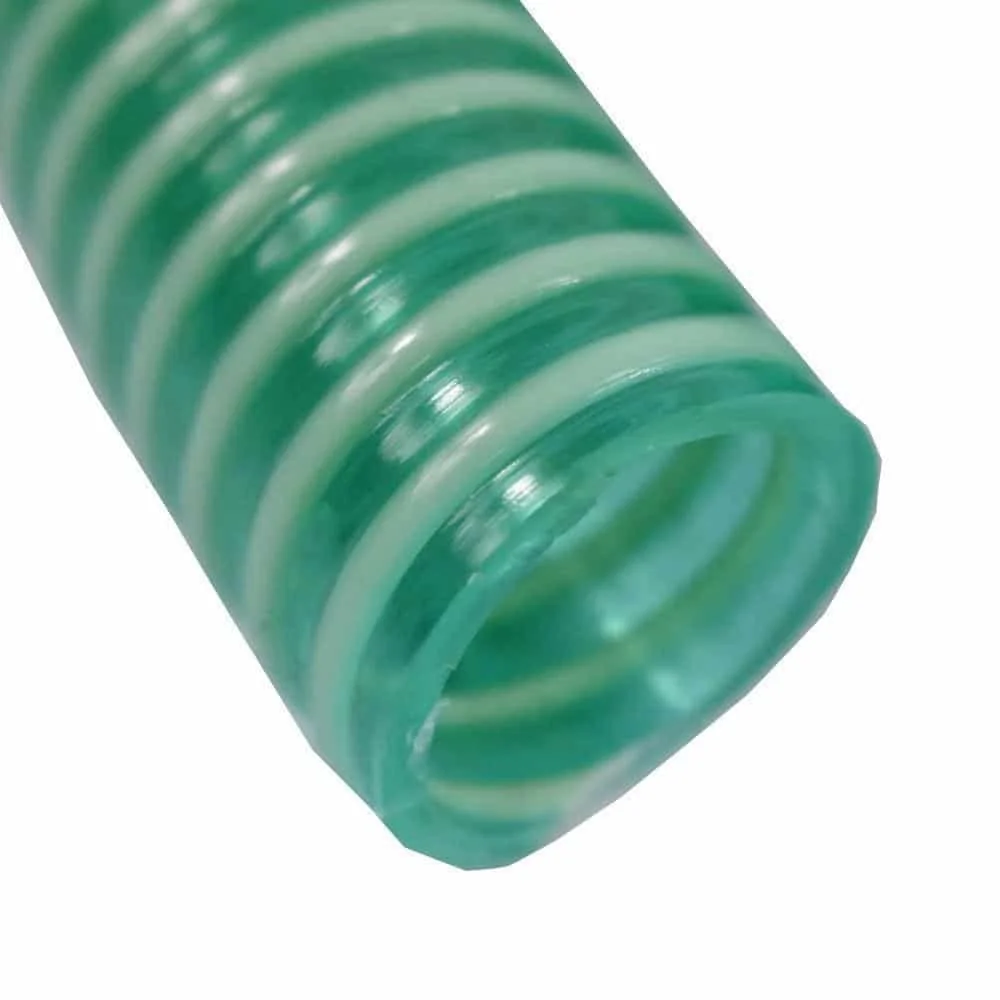
Regular maintenance of your pond equipment is also important. Clean your pump's filter mats and flush the hoses. A flexible and durable hose such as the : pressure hose 25mm, suction and pressure hose 4m is perfect for this purpose. It can withstand the pressure and is flexible enough for easy handling.
Extra tip
Check that your pond net is securely in place after storms or strong winds. Inspect the anchor points and tighten the net if necessary to ensure it provides full protection.
Grey herons are majestic birds, but pond owners fear them. They are patient and skilled hunters. You may not notice one has visited until fish have already disappeared. However, there are clear signs that a heron has been there.
The most obvious sign is the sudden disappearance of fish, especially larger, conspicuous specimens such as goldfish or koi. Sometimes you may find injured fish with typical beak marks. The remaining fish are often extremely wary, hide, and no longer come to the surface to feed.
Also look for tracks around the edge of the pond. Herons leave large, distinctive footprints in soft ground. White droppings on stones, plants, or the edge of the pond are another unmistakable sign that the bird has been there.
The grey heron is a creature of habit. Once it has identified a pond as a successful hunting ground, it will keep coming back. Scaring it away once is rarely enough; a permanent barrier is the only truly effective method.
How can I keep herons away from my pond?
To protect your fish for good, you need a reliable deterrent. Individual methods may help in the short term, but combining methods or using an impenetrable barrier offers the greatest chance of success.
Best solution: a physical barrier
This is where the dual benefit of a pond net becomes clear. The tightly stretched not only keeps leaves out of the pond but also keeps herons away from the water. They cannot land or stand in the shallow water to hunt. The mesh is fine enough to stop them from pushing their heads through. This is the safest and most animal-friendly way to protect your fish.
Other ways to deter herons
You can also use visual or sound-based deterrents. Shiny objects such as CDs or reflective balls that move in the wind can make herons uneasy. Motion-activated sprinklers that spray a jet of water can also be effective. These methods often work only for a limited time, as birds may become accustomed to the disturbance.
Important
Avoid methods that could harm animals. Barbed wire or sharp-edged grilles raise animal welfare concerns and pose an injury risk to all animals, including pets and hedgehogs. A pond net is an effective and safe alternative.
How can I keep cats away from my pond?
Wildlife is not the only threat to your fish—the neighbor's cat can also pose a danger. Cats lurk at the edge of the pond and try to scoop fish out of the shallow water with their paws. Young and unwary fish in particular can become easy prey.
Here too, the most reliable solution is a pond net stretched over the water. It prevents cats from reaching the fish. Make sure to stretch the net tightly so the cat cannot use it as a hammock. The attachment around the edge must be stable enough to support the weight of a cat.
You can also make the edge of the pond less attractive to cats. A shoreline covered with coarse gravel or planted with thorny or densely growing plants will keep them at a distance. You can also find special cat deterrents that use scents cats find unpleasant but are harmless to other animals and the environment.
Protecting your pond is an investment in the health and safety of its ecosystem. With a versatile pond net, you can solve several problems at once: keep leaves out, maintain water quality, and protect your valuable fish from herons and cats. This keeps your garden oasis a place to enjoy and relax.
Frequently Asked Questions
- How do I install a pond net correctly?
- Stretch the net taut a few centimeters above the water surface so leaves collect on top and animals cannot get into the water. Secure it firmly with the included ground pegs. For larger ponds, floats can provide extra support and prevent the net from sagging.
- Does a pond net harm fish or plants around the edge?
- No. When installed correctly, a pond net harms neither fish nor plants. Stretch it above plants along the pond edge, making sure it does not touch the water. This protects the entire pond ecosystem without disturbing it.
- When is the best time to install a leaf protection net?
- Install the net in early fall, before the leaves start to drop heavily. It will catch the first leaves and help keep your pond clean throughout the season. You can remove it in spring, after the risk of frost has passed.
- Do heron decoys really protect ponds?
- The effectiveness of heron decoys is debatable, and any effect often lasts only a short time. Herons are intelligent birds and quickly recognize a motionless decoy as harmless. A net provides a more reliable, long-lasting physical barrier.
- What can I do if cats use the net as a hammock?
- Stretch the net as tightly as possible. High tension makes it uncomfortable for cats. You can also plant lightly thorny plants around the pond or use special animal-safe repellents from the pest and plant protection section.
You may also be interested in
- Pond protection grids: Protect your pond from leaves, herons and cats
- Pond covers: Grid, net or tarp—which is right for your pond?
- How to keep birds away from your pond: 7 tips and grid tricks
- How to install a pond protection net: The ultimate guide to a clean pond
- Shade for your garden pond: Help prevent algae growth
- Cleaning and storing pond grids: Make your protection last longer!