
In brief: Design your summer balcony with plants suited to the location, sturdy containers and a clear seating area. Combine flowering plants with herbs, use tall plants for privacy and plan for shade during the hottest hours. Pots with drainage, morning watering and regular deadheading will keep your oasis looking its best throughout the season.
Garden + Outdoor
A summer balcony brings together flowers, herbs, shade and a comfortable place to sit. With a little planning, the space stays airy, plants grow healthily and care fits easily into your daily routine.
Searches for “balcony plants for summer”, “summer balcony plants” and “balcony ideas” point to a few key things to plan for: sunlight, water, heat, wind and how you use the space. These factors determine whether your balcony blooms all summer or looks tired after just a few hot days.
How do you plan a summer balcony that really works?
Start with the location, not the flower colors. Notice when the sun reaches the balcony, which direction the wind comes from and how much the floor, railing and exterior wall heat up. A south-facing balcony needs different plants from a shady north-facing one.
Also think about how you use the balcony. Do you need a table for breakfast, a clear spot for drying laundry or room for children? Keep doors, windows, drains and access to the railing clear. Plants look their best when they do not get in the way of everyday life.
Check the sun, wind and orientation
Note the light conditions on two or three sunny days. For many flowering plants, four to six hours of direct sun counts as a sunny location. Light-colored walls add to the heat, while an awning or a neighboring balcony can significantly reduce direct sun.
- South-facing: Geraniums, petunias, dipladenias, lavender, rosemary and thyme grow well here. Small pots dry out quickly.
- West-facing: Afternoon sun brings warmth, but often strong winds too. Secure tall plants and choose stable containers.
- East-facing: Morning sun suits many herbs, begonias and flowering plants. They get plenty of light without overheating in the afternoon.
- North-facing: Choose plants for bright shade. Ferns, ivy, hostas, fuchsias and shade-tolerant begonias feel more at home here than Mediterranean herbs.
Wind can put more strain on leaves and shoots than the sheltered view from your living room might suggest. Place tall planters against a wall and pair them with shorter plants. Always secure window boxes according to the manufacturer's instructions.
Choose containers and seating first
Measure the available width and depth before buying pots. A narrow balcony benefits from long window boxes along the railing and individual tall containers in the corners. On a larger balcony, divide the space into seating, planting and walking zones.
Choose no more than two or three materials. Terracotta creates a Mediterranean look, while light-colored plastic containers are lighter and retain less heat than very dark pots. Wood adds warmth, but outdoors it needs protection from constant moisture.
For matching pots, saucers, climbing supports and other garden and plant accessories, you can find coordinated options that give the balcony a more cohesive look. Position the seating so you can reach the plants without stepping over boxes or hoses.
Pro tip
Take photos of the balcony in the morning, at midday and in the evening. Mark sunny, partially shaded and sheltered areas on the images. This makes it easier to choose plants suited to each spot and avoid costly mistakes.
Which summer plants are right for your balcony?
Summer balcony plants should do more than flower: they also need to suit the available light and the amount of care you can provide. Combine plants with similar needs in one window box. A thirsty hydrangea is a poor match for drought-loving lavender.
Plan for different heights too. An upright plant adds structure, compact flowers fill the center and trailing stems soften the edges of window boxes. Repeat colors or varieties so several containers create a cohesive look.
For sunny south-facing balconies
Geraniums and petunias flower for many weeks when they receive enough water and nutrients. Dipladenias love warmth and produce striking flowers in a bright spot. Remove faded flowers regularly so the plants can put their energy into new buds.
- Lavender: It needs a sunny spot, well-drained potting mix and relatively little water.
- Rosemary and thyme: Both herbs like sun and should dry out slightly between waterings. Waterlogged soil damages their roots.
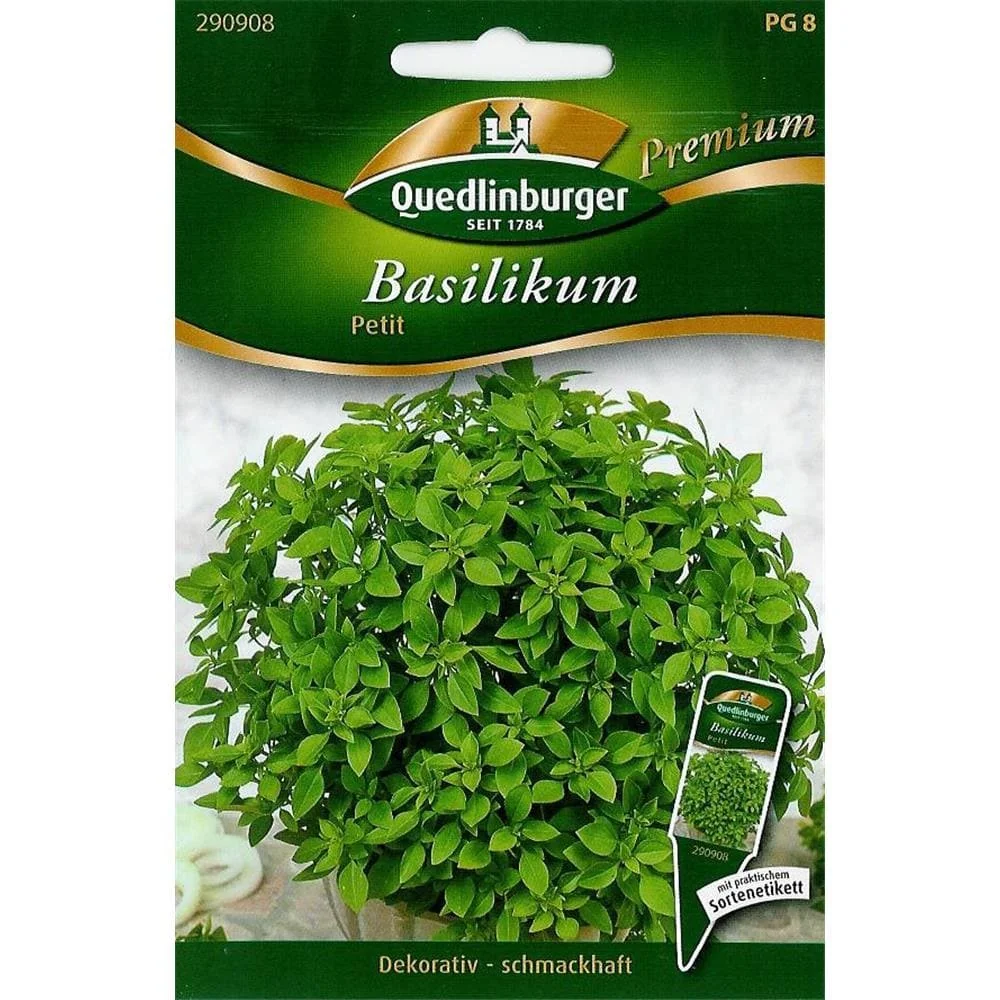
- Basil: It grows in warm, bright conditions with consistent moisture. Harvest the shoot tips regularly, just above a pair of leaves.
- Nasturtiums: They add color, produce edible flowers and suit larger window boxes or hanging baskets.
- Tomatoes and chillies: They need large containers, sturdy support and, if possible, a sunny spot protected from wind.
The aromatic is ideal for a kitchen herb corner. Do not plant basil in a small pot that heats up completely. A slightly larger container keeps moisture more even and makes harvesting easier.
For east-, west- and north-facing balconies
On an east-facing balcony, fuchsias, begonias, busy Lizzies and many herbs grow reliably in the gentle morning sun. A west-facing spot is also suitable for flowering plants, but needs more attention to wind and evening heat. Do not place delicate shoots directly at the exposed edge of the railing.
For a north-facing balcony, choose plants with decorative foliage and flowers that can manage with little direct sun. Ferns, ivy and hostas add structure. Fuchsias, tuberous begonias and busy Lizzies provide color as long as the soil stays evenly moist.
Group plants with similar watering needs. Keep thirsty summer bloomers, herbs that prefer drier soil and delicate shade plants in separate containers. This lets you control watering more precisely and reduces the risk of root rot.
“There will be flowers all summer long.”
How can you plant your balcony in summer without pots drying out?
You can plant window boxes and containers in summer, too. Choose sturdy plants with a compact shape, healthy foliage and a well-rooted but not completely dry root ball. Do not leave plants for hours in a hot car or in direct sunlight before planting them.
Choose the right container
The new pot should be around two to five centimetres larger than the root ball. Containers that are too large stay wet for a long time after watering, while pots that are too small dry out quickly. Choose considerably larger containers for tomatoes, chillies or larger herbs than for seasonal flowering plants.
Every container needs at least one drainage hole. A piece of broken pottery or fleece over the hole prevents the potting mix from falling out. A drainage layer does not replace the hole. Raise the pot slightly on feet so excess water can drain away.
Potting mix, drainage and spacing
Use fresh potting mix for balconies or containers. It contains a suitable blend of organic components, mineral additives and starter nutrients. Compacted garden soil stays wet in a pot for a long time, reduces the roots' access to air and adds weight.
For lavender, rosemary and thyme, mix in a little coarse sand or mineral material if necessary. A structurally stable potting mix with greater water-retention capacity is suitable for balcony flowers. Leave some space between plants so their leaves can dry quickly after watering.
Wear sturdy gloves when filling containers and transplanting. The are suitable for planting, tying up shoots and handling containers with rough edges. Still, check every container for sharp edges and work in pairs when handling large planters.

- Water the root ball of the purchased plant thoroughly before taking it out of the pot.
- Fill the container with potting mix until the root ball sits a few centimetres below the rim.
- Carefully loosen the outer roots without breaking the root ball apart completely.
- Plant it upright. The top of the old root ball should then be approximately level with the new soil.
- Press down the potting mix lightly, leave space for a watering rim and water slowly and thoroughly.
Initially, place freshly planted boxes in a sheltered spot for a few hours. Gradually acclimatise sensitive plants to full midday sun. After a few days, they can move to their final location, provided their leaves and shoots remain firm.
Important information
A balcony has a limited load-bearing capacity. Large, wet planters weigh considerably more than dry pots. Whenever possible, place heavy containers close to load-bearing walls, do not stack plant containers, and follow building rules and requirements for balcony boxes.
How can you create shade, privacy and atmosphere?
A beautiful summer balcony needs a spot where you can sit even on hot afternoons. Combine practical sun protection with plants and textiles. A parasol, clamp-on awning or densely planted trellis can shade individual areas without darkening the entire balcony.
Position shade effectively
Position your sun protection so that the plants still receive enough light. Herbs such as basil, rosemary and thyme need sun. Sensitive flowering plants and the seating area, on the other hand, can benefit from a movable parasol or a textile element.
The Alavya Home organic muslin canopy can create a soft, inviting feel in a dry, sheltered area. The manufacturer describes it as a bed canopy. So do not use it as a tested sun sail, leave it outside permanently, or keep it up in rain or storms or during longer absences.
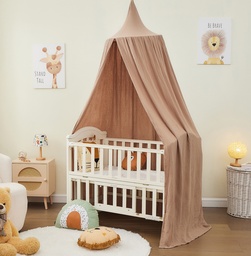
For permanent solutions, use only sturdy, designated fixing points. Do not drill into the façade or balcony railing without permission. Keep textiles away from barbecues, fire bowls, patio heaters and open flames.
For parasol bases, plant stands and other garden equipment, stability is the most important factor. Secure every item against tipping over, especially on higher floors and exposed west-facing balconies.
Balcony ideas with height and colour
Arrange plants on three levels. Place low-growing herbs and flowers at the front, medium-height plants in the middle, and tall grasses, tomatoes or climbing plants at the back. Leave gaps between the levels so you can water, harvest and remove spent shoots.
- Calm colour palette: White, pink and violet create a light feel and pair well with wood or natural stone.
- Warm colour palette: Yellow, orange and red add vibrancy to shady balconies.
- Edible balcony: Combine basil, thyme, nasturtiums and a tomato plant with flowering companion plants.
- Green privacy screen: Use trellises, bamboo grass or tall container plants without overloading the railing.
Repeat one colour in flowers, cushions and planters. This ties different plants together without requiring all the containers to match. Small solar lights or a lantern add accents in the evening, but they should be placed securely and must not create a tripping hazard.
“A garden is a great teacher. It teaches patience and careful observation.”
How do you keep your balcony oasis looking beautiful through fall?
Good care is what keeps your balcony looking vibrant through August. Check your plants regularly and adjust your care to the weather, container size, and plant growth. A consistent routine helps, but let the soil guide you.
Watering without the stress
In the morning, push a finger 2 to 3 centimetres into the soil. If it feels dry, water slowly until water drains from the drainage hole. Very small pots, dark containers, and windy balconies often need daily watering on hot days, while large planters need water much less often.
Water as early as possible in the morning or in the evening. Pour water directly onto the soil and avoid wetting the leaves. Empty saucers after a short time so the roots are not left sitting in water.
If you will be away for a longer period, group your plants together and use a suitable watering system. Test it several days before your trip. In the garden watering category, you will find solutions for different container sizes and watering schedules.
Fertilizing, pruning, and checking
Fresh potting soil provides many summer plants with nutrients for the first few weeks. After that, heavy bloomers need regular feeding. Follow the dosage instructions on the package and only fertilize moist soil to prevent concentrated salts from damaging the roots.
Liquid fertilizer works well for window boxes and planters, while slow-release fertilizer means less frequent care. A suitable summer fertilizer can help supply nutrients during the warm growing season. Herbs need a lighter dose than heavy-feeding flowers or tomatoes.
Prune basil regularly just above a pair of leaves instead of picking off individual large leaves. Remove spent blooms from geraniums and petunias. Cut back long, bare stems and check the undersides of leaves for aphids, spider mites, or sticky residue.
Additional advice
Give your plants a quick check once a week: check the soil, remove spent blooms, inspect the leaves, tie up stems, and empty saucers. This routine takes just a few minutes and helps prevent drought stress or pest infestations from getting out of hand.
A simple planting plan to get started
A small, sunny balcony only needs a simple plan. Place a large planter with rosemary or lavender in one corner, put a window box with geraniums or petunias on the railing, and keep an easily accessible pot for basil. You will have fragrance, color, and fresh herbs to harvest.
On a west-facing balcony, add a sturdy privacy screen and choose wind-resistant containers. On a north-facing balcony, focus on foliage plants, fuchsias, and begonias. Stick to a few varieties that suit your light conditions.
A summer balcony looks its best when it is not overcrowded. Leave room to move, choose sturdy containers, and pair your plants with a functional seating area. The result is a green oasis that brings joy on sunny days and stays attractive through fall with manageable care.
Frequently asked questions
- Which plants are best for a sunny south-facing balcony?
- Geraniums, petunias, dipladenia, lavender, rosemary, thyme, and basil all do well on a sunny south-facing balcony. Choose pots with drainage holes and water regularly, since black containers and sun-warmed walls can dry out the soil quickly. Lavender and herbs tolerate short dry spells better than petunias.
- How often should I water balcony plants in summer?
- Check the top 2 to 3 centimetres of soil in the morning. If it feels dry, water slowly until some water drains from the drainage hole. Small pots often need daily watering on hot, windy days, while large planters need water less often. Empty saucers after a short time.
- Which balcony plants bloom in partial shade?
- Begonias, fuchsias, impatiens, tuberous begonias, and many hydrangeas bloom reliably in partial shade. Morning sun or bright, indirect light is usually enough. Protect the pots from drying winds and keep the soil evenly moist. On a north-facing balcony, ferns, ivy, and hostas complement the flowers.
- How can I shade a balcony without drilling?
- Use a patio umbrella in a sturdy base, a tension-fit shade, or fabric panels attached to existing load-bearing fixing points. Check your building rules before installing anything and secure every structure against the wind. A canopy is not automatically a weatherproof sunshade. Remove cotton fabrics during rain, storms, and extended periods away.
- What kind of soil do summer balcony plants need?
- Use high-quality potting soil for balcony or container plants, with a loose texture and plenty of nutrients. For herbs such as rosemary and thyme, mix in mineral components if needed so water drains quickly. Every container needs a drainage hole. Compacted garden soil holds too much water and adds unnecessary weight to the balcony.
You may also be interested in
- Give your balcony a makeover: Fresh ideas for your green oasis
- Designing your balcony: Practical ideas for your outdoor space
- A vacation on your balcony: Create your outdoor paradise
- Planting your balcony: Summer flowers for sun and shade
- Plants for sunny balconies: Ideal for south-facing balconies and full sun
- Creative urban balcony ideas: Make the most of a small outdoor space