
In brief: Sunflowers grow best in a sunny spot with nutrient-rich, loose soil. Sow Helianthus annuus directly outdoors from mid-April and keep the soil evenly moist. Support tall varieties early, remove faded flower heads to encourage a long flowering period and harvest the seeds when the flower head is dry.
Short answer: Sunflowers grow best in a sunny spot with nutrient-rich, loose soil. Sow Helianthus annuus directly outdoors from mid-April and keep the soil evenly moist. Support tall varieties early, remove faded flower heads to encourage a long flowering period and harvest the seeds when the flower head is dry.
How do you choose the right location when growing sunflowers?
Sunflowers need at least six hours of direct sunlight every day. A spot on the south or west side of the garden encourages strong stems and large flowers. Partial shade often results in tall, unstable plants with smaller flower heads.
The soil should be loose, rich in humus and well drained. The roots do not tolerate waterlogging. Work mature compost into the soil before sowing and loosen compacted areas to a depth of at least 25 centimetres.
Planning sunlight, soil and space
Check the variety's eventual height before sowing. Short sunflowers are suitable for pots, the front of borders or in front of low fences. Tall varieties reach two to three metres and cast a lot of shade on neighbouring plants in late summer.
Leave about 40 to 60 centimetres between standard varieties. Giant sunflowers need 60 to 80 centimetres, depending on the variety. This spacing allows air to circulate and prevents the plants from toppling into one another in the wind.
- Choose a sunny spot that is as sheltered from the wind as possible.
- Improve heavy soil with compost and a little sand.
- Avoid areas where water collects after rain.
- Do not plant tall varieties directly in front of low-growing vegetables.
For essential supplies for your garden beds and patio, explore Garden + Outdoor for suitable solutions. The right garden and plant accessories can also make sowing and care easier.
Which variety is right for beds, pots and balconies?
Helianthus annuus is an annual sunflower. Tall mixes usually produce one strong main stem and a large flower head. Branching varieties flower for longer because they develop several side buds.
For small spaces, dwarf sunflowers reaching 30 to 80 centimetres in height are ideal. The is designed for compact sunflowers. A short mix such as is suitable for rows, tubs and narrow beds.
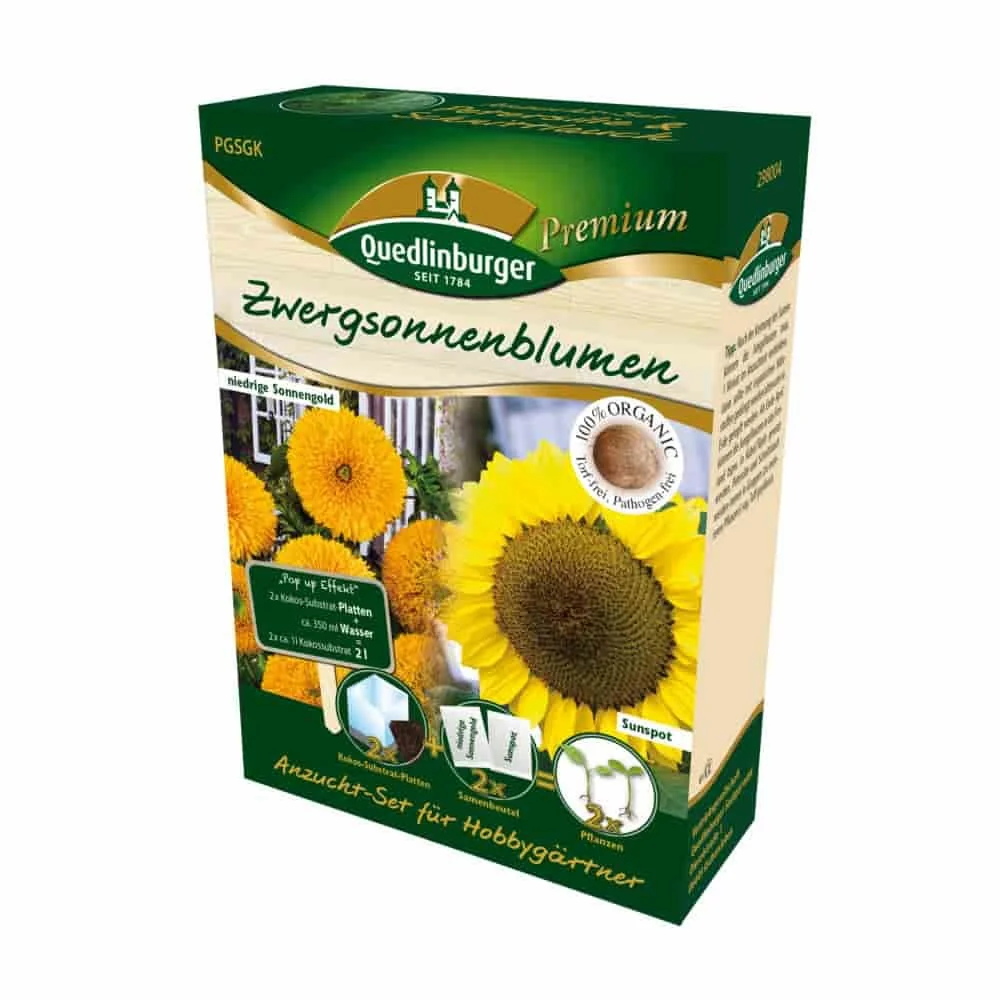
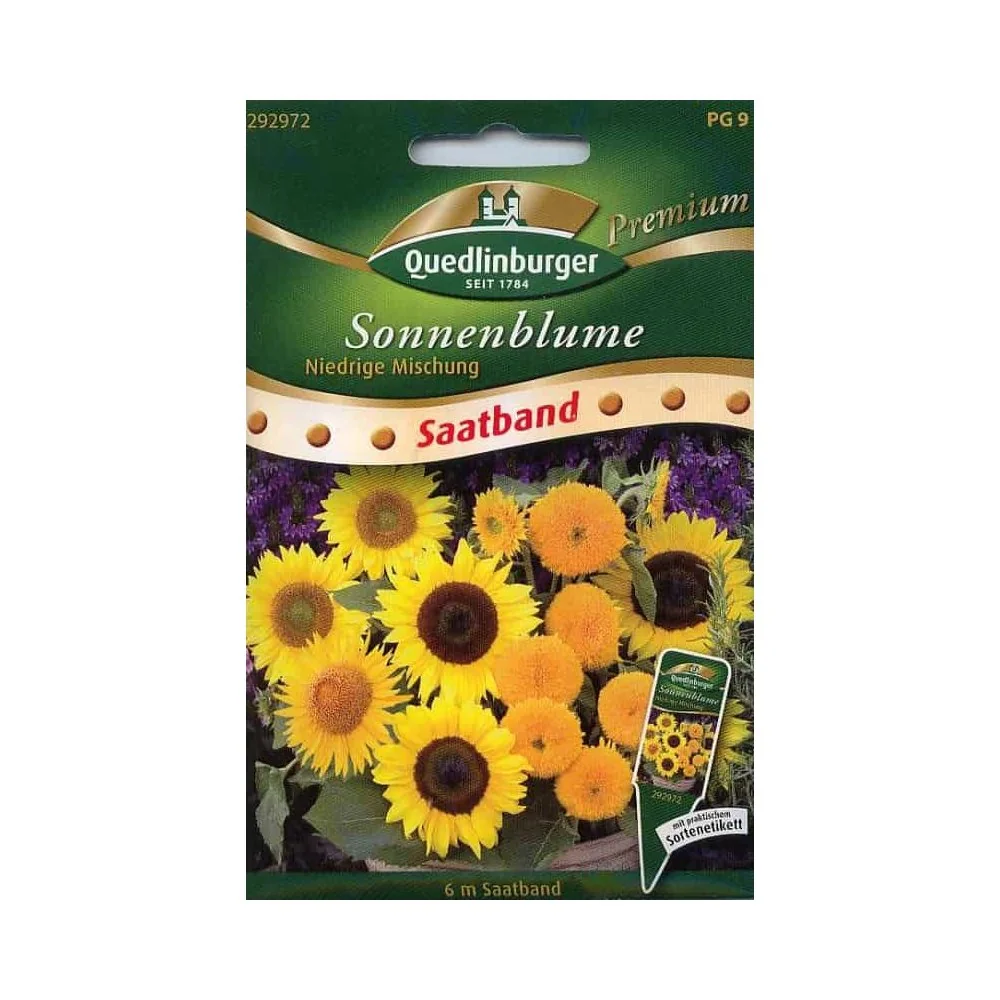
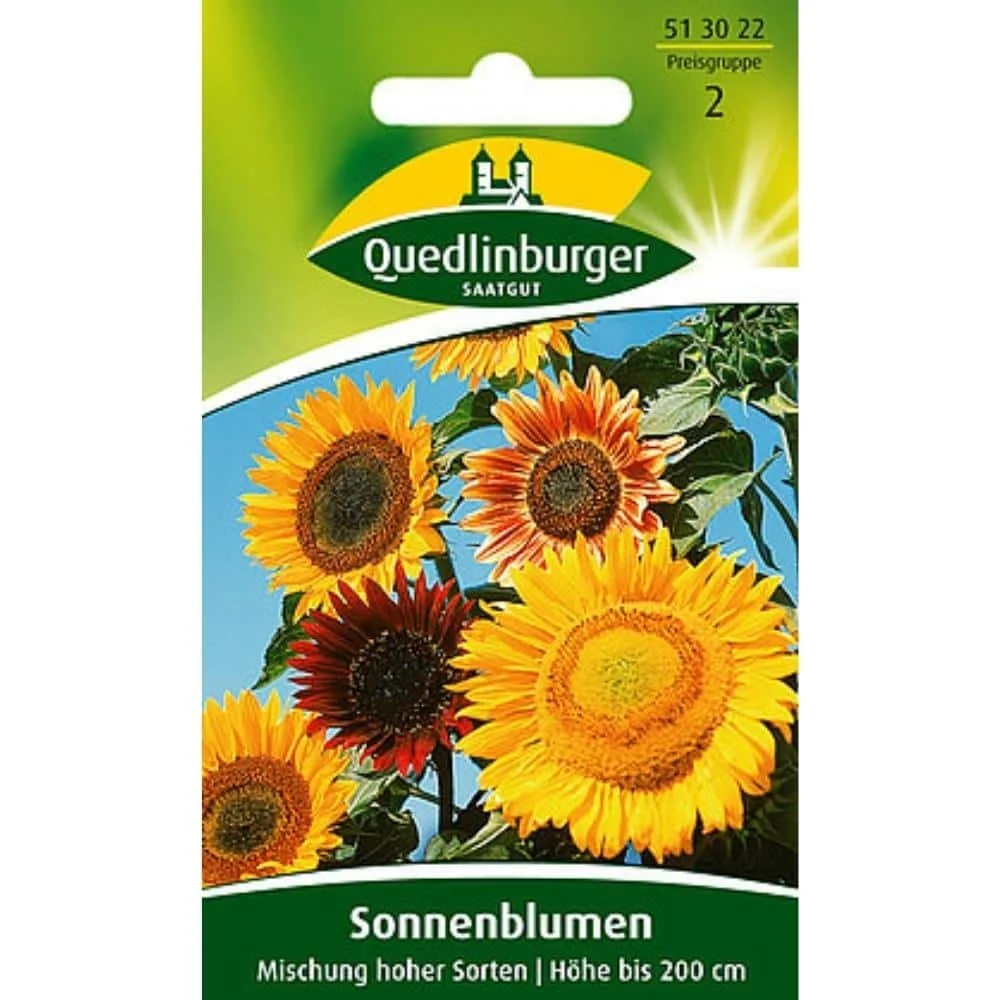
If you are planning a tall floral backdrop, choose a mix of tall varieties such as . Varieties with red or multicoloured flowers, such as Ring of Fire, add eye-catching accents among perennials and summer flowers.
“Sunflowers grow most reliably in a sunny, sheltered spot and can be grown directly from seed.”
When and how do you sow sunflowers?
In the open ground, start sowing from mid-April as soon as there is no longer a risk of severe frost. The soil should be at least about 8 to 10 °C. In colder areas, wait until early May or grow the plants under cover for a few weeks first.
Sunflowers develop a strong taproot. Direct sowing prevents the root from being damaged during transplanting. For this reason, sow them at their final growing site whenever possible.
Step by step to sowing sunflower seeds
- Loosen the soil and remove root pieces and large stones.
- Make a shallow furrow or create individual planting holes.
- Place two to three seeds about two to three centimetres deep in the soil.
- Leave 30 to 80 centimetres between plants, depending on the variety.
- Press down the soil lightly and water carefully.
Germination usually takes seven to 14 days. Keep the seedbed evenly moist during this time without making it waterlogged. As soon as the first true leaves appear, remove weak seedlings and leave only the strongest plant in each spot.
Pro tip
Sow a small row every two to three weeks. This way, your sunflowers will not all bloom at once but will flower in succession well into autumn. Mark each row with the sowing date so you can keep track.
Should you start sunflowers indoors or sow them directly?
Starting seeds indoors is worthwhile if slugs eat many young plants or you want early-flowering sunflowers. In March or April, sow one seed in each deep pot and place it somewhere bright and cool.
Gradually acclimatise plants started indoors to outdoor conditions. First place them outside in a sheltered spot during the day and only plant them out after the last night frosts. Keep the root ball intact when planting.
Protect freshly sown areas with a loose net if pigeons or mice are taking the seeds from the soil. Remove the cover as soon as the seedlings reach it so that the stems grow straight.
How do you care for Helianthus annuus in the garden bed?
Helianthus annuus care mainly involves regular watering, the right nutrient supply and early support for tall varieties. In the first few weeks, sunflowers compete poorly with weeds. Keep the area around the stems free of weeds.
How much water do sunflowers need?
Young plants need evenly moist soil. Use your finger to check whether the top five centimetres are dry. If so, water directly at the soil rather than over the leaves.
Later, water less often but thoroughly. Large plants need significantly more water than short varieties in hot weather, especially when growing in a pot. A thin layer of mulch made from dry grass clippings or compost keeps moisture in the soil for longer.
Potted plants dry out quickly in sun and wind. Check them daily in midsummer. Excess water must be able to drain from the container.
When do sunflowers need fertiliser?
Compost added before sowing is often enough in well-nourished garden soil. In sandy or very poor soil, apply an organic slow-release fertiliser once the plants are established. Follow the dosage instructions on the packaging and work the fertiliser lightly into the surface.
A balanced supply supports leaves, stems and flowers. However, too much nitrogen produces soft foliage and long, easily broken shoots. For different soil conditions, you will find suitable products in the Fertilisers section.
Important note
Do not leave sunflowers standing in wet soil permanently and do not over-fertilise tall varieties. Waterlogging causes roots to rot, while excess nitrogen makes the stems soft. Remove diseased leaves and do not put plant material affected by fungal disease in the compost.
How do you support tall varieties?
Place the support stake beside the root area when planting. This prevents you from damaging the taproot later. Tie the stem loosely to the stake with soft material, leaving some room for movement.
For particularly tall varieties, secure the stem at two points. Check the ties after strong growth and loosen them if necessary. A single thin bamboo cane is often not enough for heavy flower heads.
Practical garden tools help with loosening soil, weeding and putting up supports. Work carefully, as the large leaves tear easily.
What tips does the giant sunflower need in wind and dry conditions?
Anyone looking for giant sunflower tips should plan the location and support first. Giant sunflowers do better beside a house wall, a sturdy fence or in a sheltered part of the bed than in a completely exposed position. The site must still receive several hours of sunlight.
Protecting stems from wind damage
Do not plant tall varieties too close together. Dense planting encourages long, thin stems and keeps the leaves wet for longer after rain. Even spacing allows wind to flow through the bed without putting excessive strain on individual plants.
If strong winds are forecast, check the stakes, ties and soil around the plant. Carefully press down loosened soil without exposing the roots. A second tie in the upper third helps stabilise the flower head.
Remove only shoots that have snapped off completely. You can tie partially damaged stems to a stake. With branching varieties, individual side shoots can be pruned if they are crowding other plants.
Recognising slugs, aphids and fungal diseases
Slugs mainly eat young sunflowers in the first few days after emergence. Check the plants in the morning and remove hiding places such as boards or dense plant material in the immediate vicinity. A protective ring around young plants can help during the first few weeks.
Aphids are often found on young shoot tips. If the infestation is minor, it is often enough to rinse them off with a strong jet of water. Good air circulation, sufficient spacing and watering in the morning reduce the risk of leaf spot and powdery mildew.
Additional advice
Leave a few faded flower heads in place if you want birds to find food in autumn. To collect seeds, protect the heads with an air-permeable net or fabric bag. Plastic bags trap moisture and encourage mould.
You can cut off faded heads on varieties where you do not want to collect seeds. Cut just above a strong pair of leaves so the plant puts its energy into side buds. With many giant sunflowers, however, the main flowering period ends after the first large head.
When and how do you harvest sunflower seeds?
Harvesting begins when the back of the flower head turns yellowish brown and the bracts look dry. The head usually hangs down at this stage. The seeds are plump and firm and can be easily removed from the dry flower base.
Harvesting flower heads for seed and bird food
Cut off the flower head with 30 to 50 centimetres of stem. Continue drying it in an airy, dry place. Place it on a rack or hang it upside down so that air can reach the seeds from all sides.
- Wait for a dry day.
- Cut off the ripe head with a sharp knife.
- Once fully dried, rub out the seeds with your fingers.
- Remove empty, damaged and discoloured seeds.
- Store the seed in a dry, dark and cool place.
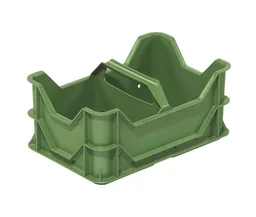
For harvesting small quantities, the harvest basket is ideal. It keeps flower heads and loose seeds together and is easy to empty after use.
If you are feeding the seeds to birds, use only uncoated, untreated seeds. For ready-made food and other products for feeding birds, visit the Sunflower Seeds for Bird Food category.
How do you collect seed for next year?
Choose only healthy plants with strong growth and typical flowers. With open-pollinated varieties, the offspring resemble the parent plant. Hybrid varieties, however, may develop different colours, heights or flower shapes.
Dry the seeds completely before storing them in paper bags or small screw-top jars. Label each portion with the variety and harvest year. Check the seed for moisture or mould in spring and discard any affected seeds.
Seasonal care calendar
- March to April: Choose varieties, prepare pots and start plants under cover if needed.
- Mid-April to June: Sow directly, keep moist and thin out seedlings.
- June to August: Water regularly, fertilise if needed and tie up tall stems.
- August to October: Cut off faded heads or leave them for birds and seed collection.
„Sunflower seeds are among the energy-rich grains that many garden birds particularly enjoy.“
With a sunny location, a consistent water supply and support put in place at the right time, sunflowers stay healthy and stable. Choose the variety according to the available space and decide before flowering whether you want to use the heads for seed, decoration or bird food.
Frequently asked questions
- When is the best time to sow sunflowers?
- Sow sunflowers directly outdoors from mid-April, as soon as the soil is frost-free and at least around 8 °C. In colder regions, wait until early May. For a long flowering season, sow additional rows through to the end of June at intervals of two to three weeks.
- How often do sunflowers need watering?
- Young plants need evenly moist soil and, in dry weather, often need watering every one to two days. Later, water less frequently but thoroughly once the top five centimetres are dry. Large sunflowers lose a lot of water through evaporation. Avoid waterlogging, as this can cause the roots to rot.
- Do giant sunflowers need support?
- Yes, when planting varieties over 1.50 metres tall, place a sturdy stake or pole next to the root ball. Tie the stem loosely to it with soft material. A sheltered location, sufficient spacing and regular watering help prevent the heavy flower head from bending or breaking the stem.
- Can I grow sunflowers in pots?
- Yes. Choose dwarf varieties and a pot with a capacity of at least 20 to 30 litres and drainage holes. Use nutrient-rich, loose soil. Place the pot in a sunny spot and water more frequently than plants in a bed, as the growing medium dries out faster. Tall varieties need a heavy planter and support.
- How do I harvest sunflower seeds for sowing?
- Wait until the back of the flower head is yellowish-brown and dry. Cut off the head with a little stem attached and leave it to dry further in an airy place. Rub out the seeds, allow them to dry completely and store only undamaged seeds in a dry, dark and cool place. Hybrid varieties do not reliably pass on their characteristics.
You might also be interested in
- Sowing and caring for sunflowers: How to grow this summer favourite
- Caring for annual summer flowers: How to ensure a wealth of blooms
- Sowing flowers: The perfect time for a stunning display
- Growing tomatoes: The complete guide from sowing to harvest
- Growing and caring for courgettes: Tips for a plentiful harvest
- Strawberry season: The best time to harvest and care tips