
In brief: Sow sunflower seeds directly in the garden bed from mid-April. Choose a spot in full sun with nutrient-rich soil. Keep the soil evenly moist after sowing. Tall varieties need support. Follow these basics for reliable success growing tall flowers.
Sunflowers: How to Plant and Grow Summer Blooms
Sunflowers turn your garden into a summer showpiece. They're easy to grow if you follow a few basic guidelines. This guide covers sowing, care, and harvesting.
How do I choose the perfect location?
Sunflowers love the sun. Choose a spot with at least six hours of direct sunlight each day. The location should be sheltered from the wind, especially for tall flowers.
The soil should be nutrient-rich and well-drained. Mix sand into heavy soil to improve drainage. A specialty flower fertilizer is a great way to prepare the soil.
The location determines how stable the plant will be. A sunny, sheltered spot with deep soil is half the battle when it comes to strong stems.
Avoid planting under trees or near hedges. Competition for light and water can slow growth. Make sure there's enough room for the plant to reach its full size.
When and how do I sow sunflowers?
Start sowing in mid-April. The soil must be frost-free and at least 10 degrees Celsius. Sow the seeds directly in the garden bed.
Expert tip
Soak sunflower seeds in lukewarm water for 24 hours before sowing. This can speed up germination by several days.
Push each seed two to four centimetres into the soil. Spacing depends on the variety. A spacing of 70 centimetres is ideal for giant sunflowers. Cover the seeds with soil and press it down lightly.
Keep the soil evenly moist. Use a watering can with a fine rose. The first seedlings will appear in one to two weeks.
Which varieties are suitable for my garden?
There's plenty to choose from. Decide between annual and perennial varieties, and consider the height and flower shape you want.
For classic tall flowers, choose 'American Giant' or 'King Kong'. These varieties grow more than three metres tall. Medium-height varieties such as 'Evening Sun' fit into any flower bed.
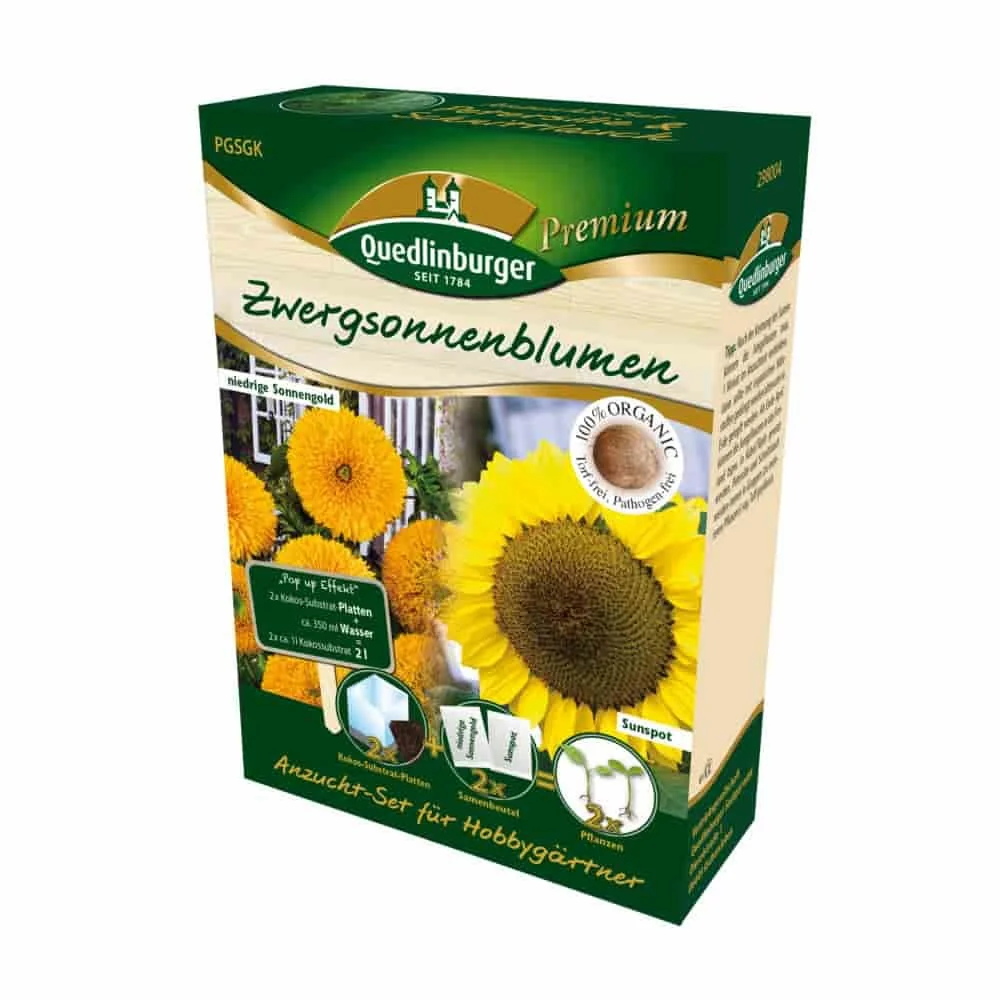
Dwarf varieties are ideal for pots and window boxes. The has everything you need to grow sunflowers in a compact space. Colorful mixes such as offer a colorful alternative.
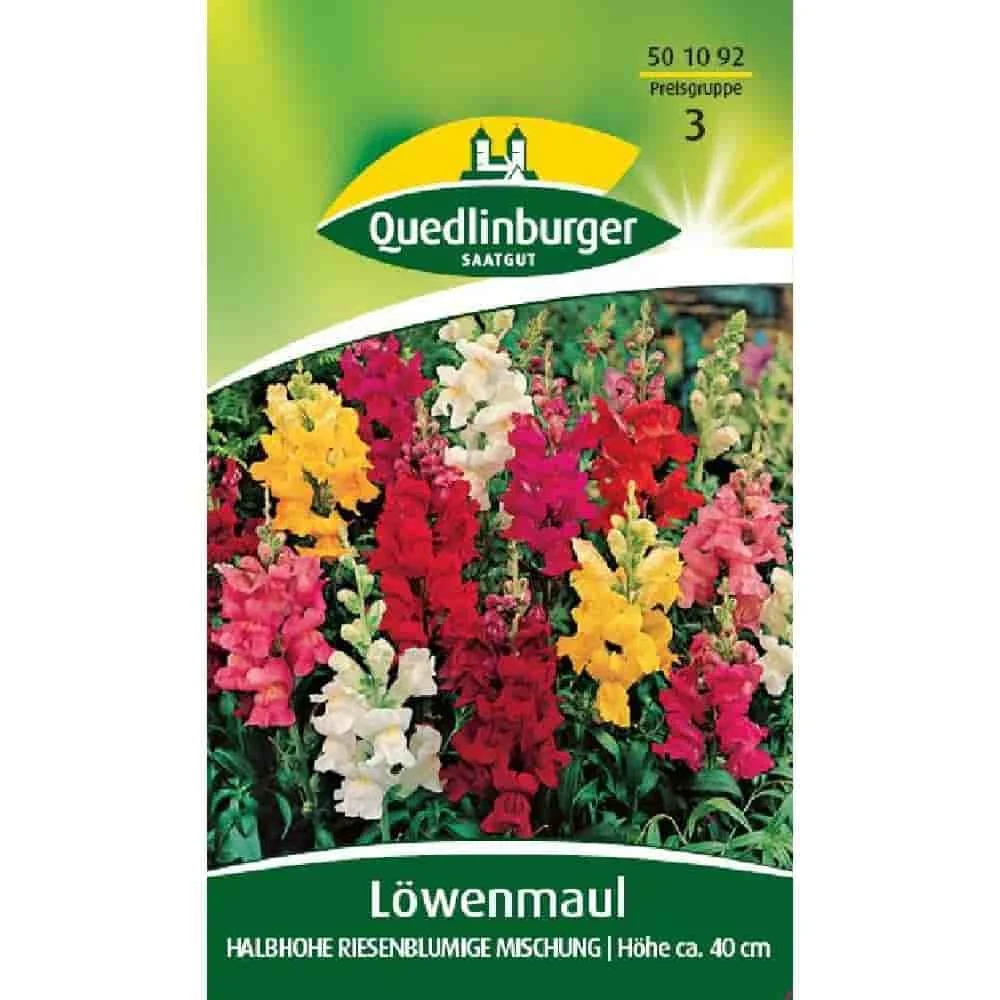
Explore more options in our flower seeds category.
How do I care for my sunflowers properly?
Focus on three things: water, nutrients, and protection. Sunflowers need plenty of each.
Important note
Always water at the base of the plant. Wet leaves and flowers can encourage fungal diseases. Avoid waterlogged soil.
Water thoroughly in the morning. On hot days, large plants may need several litres of water. A layer of grass-clipping mulch helps the soil retain moisture.
Feed every four weeks with a liquid all-purpose fertilizer. Alternatively, mix slow-release fertilizer into the soil before planting. Yellow lower leaves can indicate a nutrient deficiency.
Why do sunflowers need support?
Tall varieties develop heavy flower heads. Rain and wind can put a strain on the stems. Support helps keep them from bending or breaking.
Push a stake into the soil right after planting. Tie the stem to it with soft garden twine. Check the tie weekly to make sure it isn't cutting into the stem.
Staking a plant isn't a sign of weakness; it's smart prevention. A sturdy bamboo stake beside the seedling provides support without restricting growth.
When planted in groups, sunflowers can also support one another. A ring-shaped bamboo grid works well. Find suitable supports in our garden accessories section.
How do I protect the plants from pests?
Slugs love young sunflowers. Protect the seedlings with a slug barrier. Beer traps or regular evening hand-picking can also help.
Birds may peck at the seeds. Cover the seeded areas with row cover. Remove it as soon as the cotyledons appear.
Additional advice
Plant marigolds or nasturtiums between the sunflowers. This companion planting can deter many pests and attract beneficial insects.
For aphids, spray the plants with a strong stream of water. Ladybugs are natural predators. Chemical products are rarely needed.
What should I do with the seeds after flowering?
Leave the flower heads on the plant to ripen. They'll droop and the petals will fall off. The backs of the heads will turn brown.
Cut off the heads with a long piece of stem. Hang them upside down in a dry, airy place. The seeds will be dry in two to three weeks.
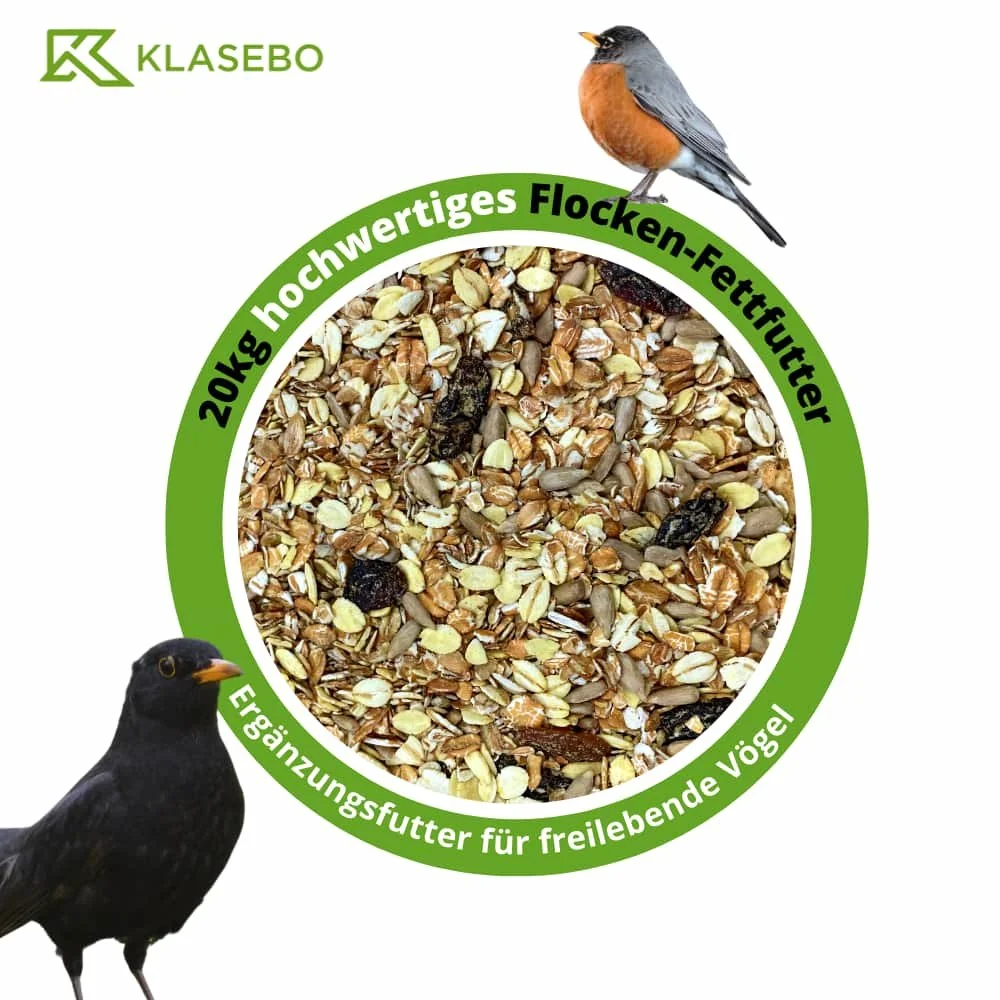
Rub the seeds out of the flower head. They're suitable for sowing next year or feeding to birds. Our offers a ready-made mix with sunflower seeds for your feathered visitors.
Store the seeds in a cool, dark, dry place. Label the bag with the variety and year. Properly stored seeds can still germinate after three to five years.
Can I grow sunflowers in pots?
Yes, dwarf and medium-height varieties grow well in containers. Choose a pot with a capacity of at least 30 litres and good drainage.
Fill it with high-quality potting mix. Mix in slow-release fertilizer. Water container plants daily, or even twice a day in hot weather.
Place the pot in a sunny spot sheltered from the wind. A patio or balcony is ideal. Turn the pot regularly so the plant grows evenly.
Find everything you need in our large shop.
Frequently asked questions
- When is the best time to sow sunflowers?
- Sow sunflower seeds directly outdoors from mid-April to the end of May. The soil should be frost-free and at least 10°C warm. For earlier blooms, you can start seeds indoors on a windowsill in March. You can sow them later, through June, but the flowers are often smaller.
- How deep should sunflower seeds be planted?
- Plant the seeds two to four centimetres deep. Plant them four centimetres deep in light, sandy soil and two centimetres deep in heavy clay soil. Depending on the variety, space seeds 30 to 70 centimetres apart. Firm the soil after sowing.
- Why are my sunflowers falling over?
- Tall sunflowers often fall over because their stems are too weak or bend in wind and rain. Stake varieties over 150 cm tall early, using a sturdy bamboo or wooden stake. A spot in full sun encourages strong growth. Waterlogged soil weakens the roots.
- How often do sunflowers need watering?
- Water sunflowers regularly, especially during dry spells. Keep the soil evenly moist but not waterlogged. A thorough watering once a day is better than several shallow waterings. Watering in the morning can help reduce slug damage.
- Can I harvest seeds from my sunflowers and sow them again?
- Yes. Harvest seeds from fully ripe, dried flower heads. Clean and dry them thoroughly, then store them in a cool, dark place. Keep in mind that seeds from purchased F1 hybrids often don’t grow into plants true to type. Older varieties are better for saving seed.
You may also be interested in
- Caring for annual summer flowers: How to keep them blooming
- Sowing and caring for basil: How to grow it at home
- Sowing pumpkin seeds: How to grow pumpkins successfully
- Growing tomatoes: Your journey from seed to a bountiful harvest
- Caring for chrysanthemums: Tips for beautiful autumn blooms
- Planting a balcony: Summer flowers for sun and shade