
In brief: Sustainable gardening means conserving resources and protecting ecosystems. Choose durable tools made from renewable materials, natural fertilisers and locally sourced seeds. Avoid plastic, collect rainwater and create habitats for beneficial insects. Every conscious decision helps turn your garden into a place that protects the environment.
Sustainable Garden Supplies: Gardening for a Greener Future
Your garden is more than a beautiful retreat. It is a small ecosystem. The garden supplies you choose have a direct impact on the environment. Sustainable gardening starts with the choice of materials and ends with a circular economy in your own green space.
Why sustainable gardening really matters
Every product you buy has a story involving energy use, transport and materials. Cheap plastic tools end up in the bin after one season. Peat extracted from drained bogs destroys valuable habitats. Your purchasing decisions are a vote for a particular type of production.
Sustainability in the garden therefore means conserving resources, promoting biodiversity and enjoying high-quality items for a long time. It is a practical approach, not an ideological obstacle.
A sustainable garden thinks in cycles. Waste becomes a resource. What is used up is replaced. The aim is a closed system that is as self-sufficient as possible.
How can I recognise eco-friendly garden supplies?
The market makes many claims. Look for specific features rather than vague terms.
Material is crucial
Wood should carry the FSC or PEFC certification for sustainable forestry. Parts made from recycled steel or aluminium are a good choice. Avoid products with unnecessary plastic content, especially disposable items.
Durability and repairability
A sustainable product lasts a long time. Can you replace a tool handle? Can the hose be repaired? Durability is the biggest factor in a product's environmental footprint. It saves money and reduces waste.
Discover durable garden essentials in our garden tools category.
Expert tip
Buy less, but buy better. A high-quality
BRITTA spade with an ash handle will outlast dozens of cheap alternatives. The investment pays for itself through decades of use.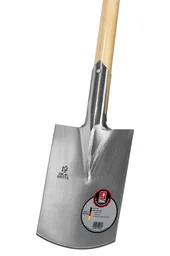
Which products can make my garden more eco-friendly straight away?
Start with specific changes. These products have a direct environmental impact.
Protection through reusability: the leaf protection net
A pond protection net such as the
stops leaves from decomposing in the water and encouraging algal blooms. This protects the pond and saves energy for the filter pump. UV stability and tear resistance are important so the net lasts through many autumns.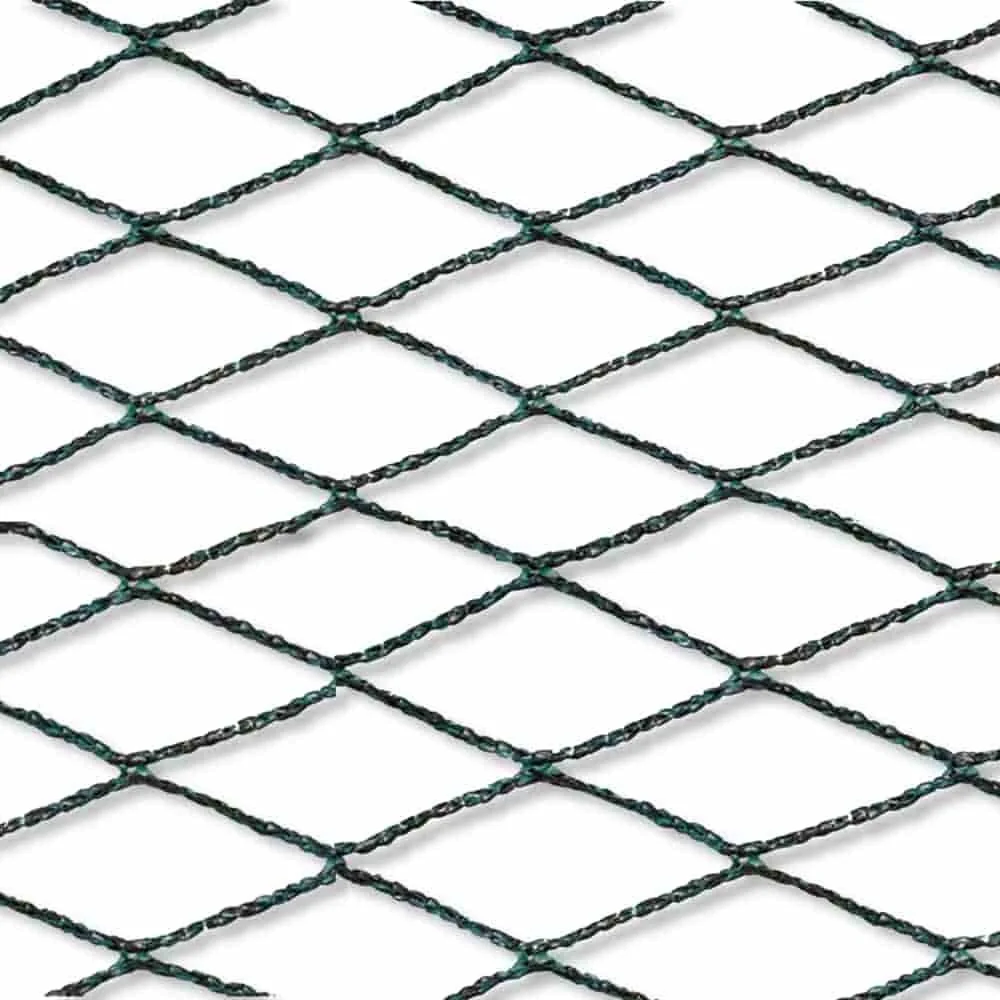
Instead of buying new, thin nets every year, choose a robust model. That is a more sustainable way to consume.
Habitat, not just decoration: the balcony planter box
The
balcony planter box offers more than flowers. Plant it with the bee garden seed mix. You create a microhabitat for pollinators. Use peat-free compost and fertilise with your own compost.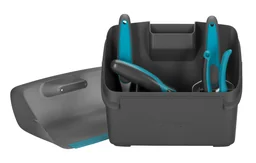
Every balcony can contribute to eco-friendly gardening. Find suitable supplies in garden and plant supplies.
The greatest impact comes from choosing not to use something: peat, pesticides and single-use plastic. Every item you do without creates room for a better alternative.
Keep water in the cycle: the durable hose
A leaking hose wastes precious mains water. A high-quality
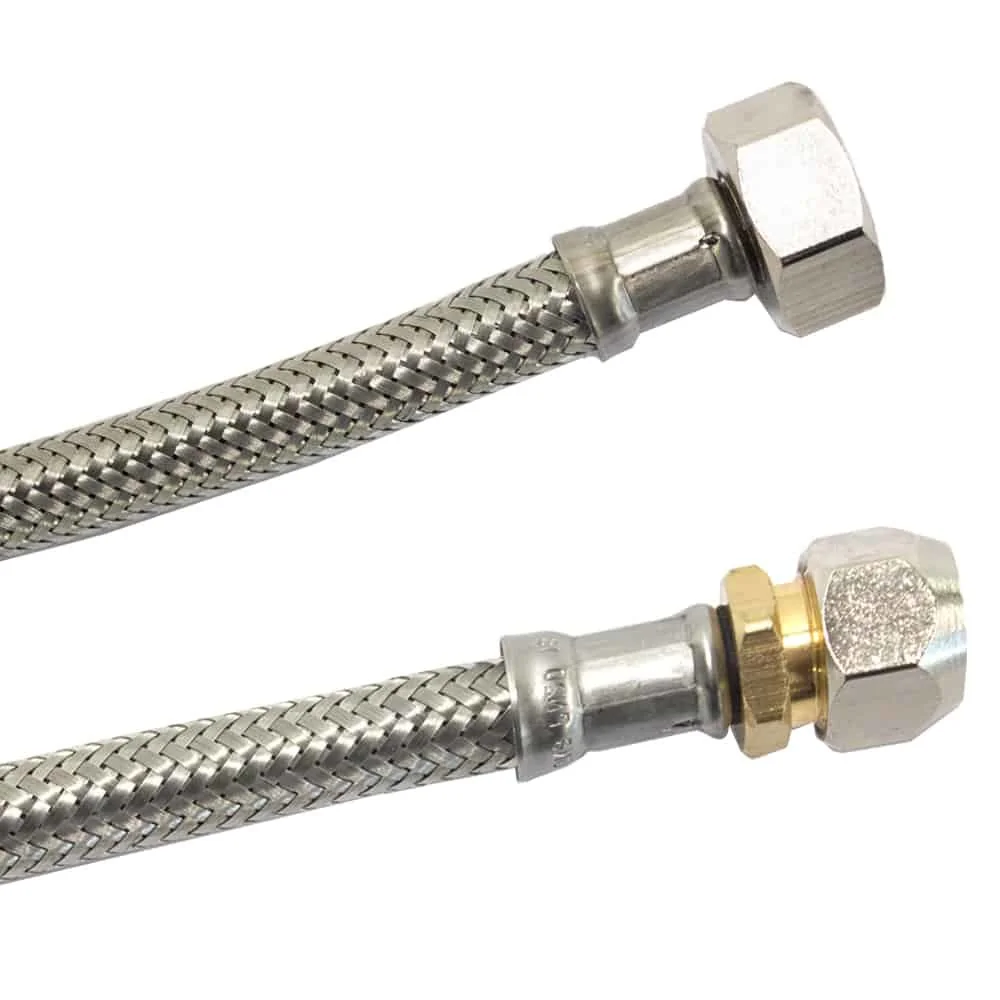
Even better: combine it with a water butt. This allows you to use collected rainwater. Find everything you need for garden watering here.
Important note
Avoid garden hoses made from soft PVC, often sold cheaply as “flexi hoses”. They can release harmful plasticisers into the water and quickly become brittle. Stainless steel braiding or high-quality rubber are safer alternatives.
How do I incorporate fair trade products into my garden?
Sustainability also has a social aspect. Fair trade products guarantee decent working conditions during production.
This is not always easy to verify with garden accessories. Look for certifications such as "Fair Trade" or "WFTO". When it comes to tools, manufacturers with traditional European craftsmanship can often guarantee fair conditions. Ask your specialist retailer where products come from.
Fair trade products often cost more. This price reflects genuine value creation, not the exploitation of people and nature.
Where can I find sustainable alternatives for everyday garden essentials?
Many standard products have more environmentally friendly alternatives.
Cover sheets: Durable instead of disposable
Instead of thin, tear-prone covers for garden furniture or beds, choose high-quality tarpaulins. A sturdy
made from tear-resistant material can be reused in many ways – as a cover, a base for composting or a privacy screen.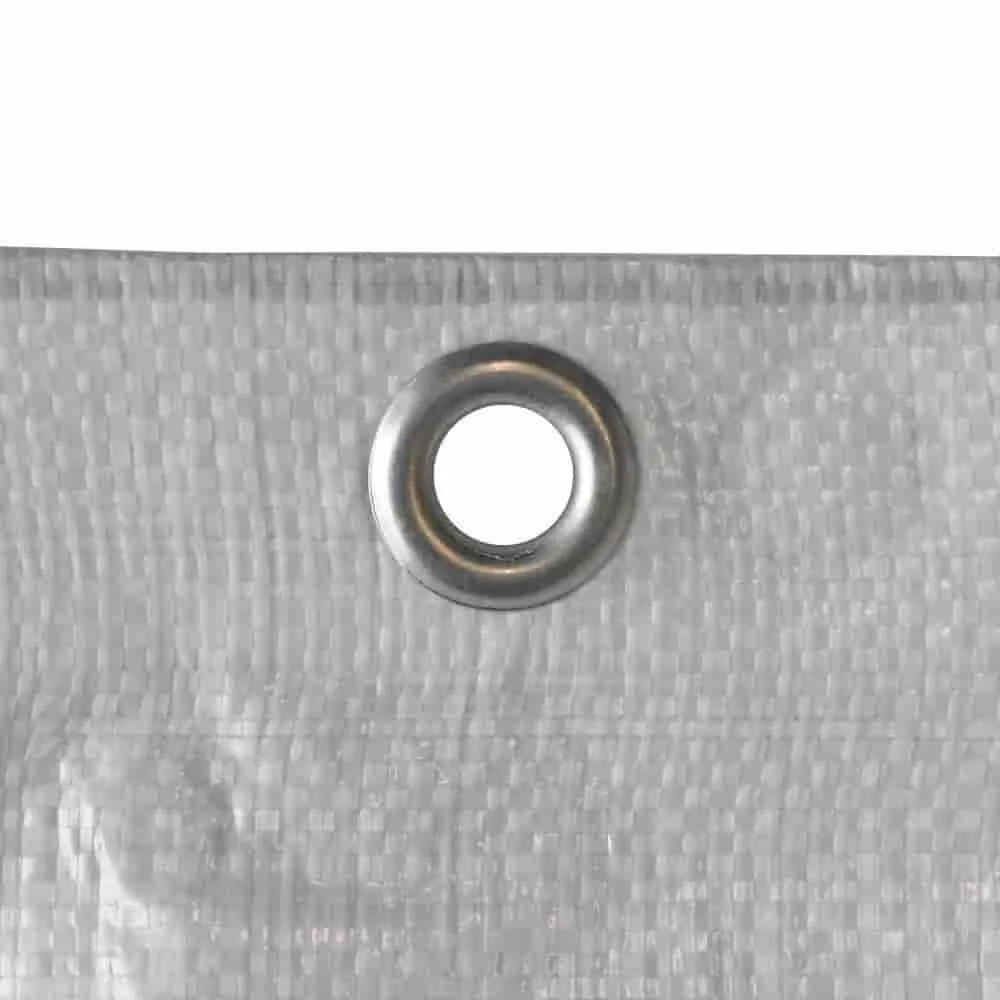
Discover durable solutions in the garden furniture covers category.
Additional tip
Use natural covers: A layer of straw or brushwood protects sensitive plants in winter. Fallen leaves are free mulch for garden beds. These materials decompose and become humus – a perfect cycle.
Seeds: The beginning of all life
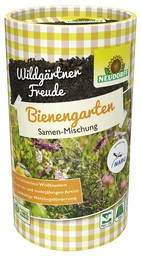
The bee garden seed mix “Wildgärtner Freude” is an example of regional, organic seed. Such mixes support native insects and are adapted to our climate. They need less water and no chemicals.
Avoid hybrid seeds (F1), which you have to buy again every year. Collect seeds from robust, open-pollinated varieties in your own garden.
How do I get started in practice?
Do not overwhelm yourself. Start with one area.
Year 1: Switch to peat-free compost and start composting. Get a water butt.
Year 2: Replace one important broken tool with a durable, sustainable version. Plant a bee-friendly hedge.
Year 3: Set up a wormery or build a raised bed from untreated native wood.
Every step counts. Your garden will become more resilient and biodiverse, while requiring less work and money in the long term.
Sustainable gardening is not a trend; it is the future
The principles of the circular economy, resource conservation and species protection become tangible in our gardens. With every decision in favour of durable eco-friendly garden accessories, fair trade products and against waste, you are actively shaping this future.
Your garden is your own personal piece of the world. Make it a role model.
Discover more inspiration and suitable products for your sustainable garden in our extensive range in the Garden & Outdoor section.
Frequently asked questions
- What exactly is sustainable garden equipment?
- Sustainable garden equipment is characterised by durable, resource-saving materials such as FSC-certified wood, recycled steel or bioplastics. It is produced under fair working conditions and is usually repairable. The aim is to minimise its environmental footprint, from production through to disposal.
- How can I fertilise my garden without chemicals?
- Avoid mineral fertilisers. Instead, use compost made from your garden and kitchen waste. Green manure using plants such as lupins or clover improves the soil. Nettle feed and worm humus from your own wormery are also excellent sources of organic nutrients.
- Which garden tools are genuinely durable?
- Choose tools with forged metal parts and handles made from native woods such as ash or beech. Look for full-length metal tangs on spades and sturdy riveted joints. High-quality handles do not break as easily and can even be replaced when necessary.
- Why are regional seeds better for the environment?
- Regional seed mixes are adapted to local climate and soil conditions and support native insect life. They do not displace local species and are often more robust. Certified organic seed also guarantees that no chemical seed treatments have been used.
- Can I protect my garden pond sustainably?
- Yes. In autumn, cover the pond with a robust leaf protection net such as PRODUCT_5684 to prevent algae growth caused by rotting leaves. This saves energy for pond pump filters. Plant native marsh and aquatic plants to create a natural balance.
You may also be interested in
- Sustainable everyday products: Practical solutions for the garden, home & outdoor
- Sustainable garden trends: Redesign your eco-friendly garden
- Build a sustainable raised bed: Eco-friendly gardening
- Sustainable gardening: 24 tips for a greener garden
- Efficient harvesting: The best garden helpers & tips
- Make sustainable gifts yourself: DIY ideas for the home & garden