
In brief: Choosing the right sweeper primarily depends on the area to be cleaned and the type of drive you want. For small to medium-sized yards or public sidewalks, compact gas-powered models such as PRODUCT_84158 are often the best all-around solution. For large, open areas such as parking lots, powerful machines like PRODUCT_94174 are a strong choice. For environmentally friendly operation in sensitive areas, battery-powered models are becoming increasingly popular.
A clean yard, clear sidewalk or well-maintained parking lot – with the right sweeper, you can handle these tasks efficiently and thoroughly. The market offers a wide range of models, from compact push sweepers to powerful gas-powered machines. Our 2026 test and comparison helps you keep track of the options. We compare the best sweepers and explain what to look for when making your choice.
Table of contents
Which drive type is right for me?
The drive type determines performance, maintenance requirements and flexibility. You essentially have three options.
Gas-powered sweepers: The workhorses
Gas-powered models are the classic choice for demanding applications. They offer a high degree of independence because you do not need to worry about access to a power outlet or battery runtime. Their performance is generally the highest, making them ideal for large areas with heavy dirt and debris. The disadvantages include higher operating noise, exhaust emissions and the need for regular engine and combustion-system maintenance.
Battery-powered sweepers: Quiet and flexible
Battery-powered sweepers are becoming increasingly important. They operate without emissions, quietly and with less maintenance. Modern lithium-ion batteries offer respectable runtimes. These models are ideal for sensitive areas such as city centers, hospital grounds or food-processing facilities. However, they often cannot match the peak performance of gas-powered models.
Corded electric sweepers: Consistent power
Electric models with a power cord deliver consistent performance without concerns about runtime. They are a good choice for areas close to a power outlet. However, the cord and the range of the extension cable are their biggest limitations, especially on very large or hard-to-navigate areas.
Tip: Choose gas power when you need maximum performance and independence. Choose battery power if quiet, clean operation and low maintenance are important to you. A corded electric model is a cost-effective option for manageable areas with convenient access to power.
What buying criteria should I consider?
In addition to the drive type, other technical features play a decisive role in your purchase.
Sweeping width and throughput
The sweeping width determines how much area you can clean in a single pass. Widths between 60 and 90 cm are common. Throughput, often specified in tons per hour, indicates how much dirt the machine can collect and transport. Moderate performance is sufficient for leaves, sand and light debris. For wet sand, gravel or construction-site debris, you need high throughput.
Collection hopper and emptying
Pay attention to the capacity of the collection hopper. A larger capacity reduces the number of stops needed to empty it. Even more important is convenient emptying that produces as little dust as possible. Folding or tipping mechanisms are advantageous here. A suitable collection container can make the job even easier.
Manoeuvrability and transport
A sweeper's manoeuvrability is especially important in confined areas or driveways. Check the turning radius and weight. Lighter models are easier to transport and store. Many machines have a trailer hitch and can therefore be moved easily behind a walk-behind tractor.
Important: Do not overestimate your physical strength. A heavy, unwieldy machine can make cleaning a real chore. If possible, test how it handles before buying, or look for reviews that mention manoeuvrability.
The best sweepers tested
Our comparison covers models for a range of requirements. The following table provides a quick overview of the top models tested.
The most highly rated sweepers in our range compared directly:
| Model | Customer rating | Availability |
|---|---|---|
| Collection container for SW 60 P sweeper | – | Currently unavailable |
| ST300e cordless snow brush set | – | Currently unavailable |
| Handy Sweep 650 TG sweeper for summer and winter use | – | Currently unavailable |
| Petrol sweeper "SW 60 P" | – | Currently unavailable |
| Petrol sweeper SWS 600 | – | Currently unavailable |
After this tabular overview, we take a closer look at the individual test winners.
Comfort and all-weather performance:
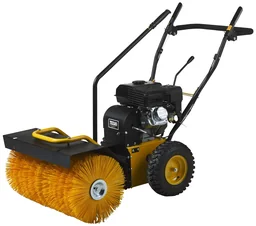
The Handy Sweep 650 TG sweeper stands out as an all-weather machine. It is specially designed for use in summer and winter. In testing, it impressed us with its robust construction and easy conversion. The machine is ideal for local authorities, caretaking services and agricultural businesses that need a reliable cleaning solution all year round.
Performance for medium-sized areas:
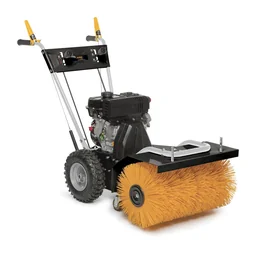
The "SW 60 P" petrol sweeper is a reliable workhorse for everyday use. In testing, it impressed us with its balanced combination of performance, manoeuvrability and durability. With a sweeping width of 60 cm, it is perfect for driveways, medium-sized car parks and pavements. Its clearly laid-out control panel makes it easy to operate.
Power for large areas:

When maximum performance is required, the SWS 800 petrol sweeper sets the standard. In the 2026 test, it demonstrated its strength when cleaning large multi-storey car parks, industrial yards and warehouse areas. Its high throughput and large collection hopper minimise interruptions to work. This model is an excellent choice for demanding commercial applications.

Note: The models mentioned are examples from our test. The best choice for you always depends on your individual circumstances. Use our comparison as a guide to find the right machine in the sweepers category.
How can I keep my sweeper in good working order for longer?
Regular maintenance significantly extends your machine's service life and maintains its performance.
Clean the machine regularly after use
Always empty the collection hopper completely. Remove coarse dirt such as stones or branches from the housing and brushes. More thorough cleaning is necessary after sweeping damp or clay-rich material to prevent corrosion and blockages. Dry the machine after cleaning before storing it.
Maintain the drive system
For petrol models, check the oil level regularly and change the oil according to the manufacturer's specifications. Check the air filter and replace it if it is heavily soiled. For cordless machines, proper battery care is essential. Store the battery in a dry place at moderate temperatures. Avoid deep discharges.
Keep an eye on wear parts
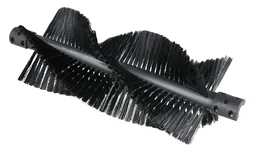
The main brush and side brush are subject to natural wear. Check them regularly for signs of wear. Heavily worn brushes sweep inefficiently and put unnecessary strain on the drive system. Replacing them in good time, for example with a
(replacement disc brush) or (replacement roller brush), keeps sweeping performance at a high level.
Which model is suitable for which application?
The requirements for a sweeper vary depending on the terrain and type of dirt.
Agricultural yards and farms
These areas often have coarse dirt such as clods of earth, stones or straw. A robust petrol sweeper with high throughput and a sturdy, easy-to-clean housing is ideal. Models such as the or the more powerful are good candidates here. They also handle damp dirt reliably.
Municipal cleaning and pavements
For towns and local authorities, all-weather performance, reliability and operator comfort are key. All-weather models such as the or quiet cordless machines for early-morning and late-evening use are in demand. The sweeping width should be suited to standard pavement widths, and emptying should be quick and hygienic.
Industry and logistics
Large, paved areas such as car parks, warehouse yards and factory sites require machines with a wide sweeping width, high travel speed and very large collection capacity. Powerful petrol sweepers such as the are unbeatable here. Their productivity quickly justifies the investment.
Which accessories make a sweeper more useful?
The right accessories make your sweeper even more versatile and efficient.
Replacement brushes for different surfaces
In addition to standard brushes, there are special versions for hard surfaces (asphalt, concrete) or softer surfaces (pavers, grass pavers). Having different brushes, such as the or , improves sweeping performance and protects the surface.
Transport and storage solutions
A trailer or specialized transport cart makes mobile use across large areas easier. For storage, covers or dedicated spaces in the garden shed protect the machine from the weather and extend its service life.
Convenience accessories
An additional, larger collection container can reduce the number of times you need to empty it. For battery-powered models, a spare battery is a worthwhile investment that can double runtime. Always check the compatibility of these parts with your machine.
With the information from this test and comparison, you are well equipped to choose the ideal sweeper for your needs. Keep the key criteria in mind: drive type, required power, comfort and your specific area of use. Choosing the right machine will save you time, effort and money in the long run.
Frequently Asked Questions
- Which is better: a gas-powered or battery-powered sweeper?
- The right choice depends on the intended use. Gas-powered sweepers provide maximum power and independence for large areas. Battery-powered models are quiet, emission-free and low-maintenance, making them ideal for sensitive areas such as hospitals or courtyards. For standard yard work, gas-powered models are often the more robust choice.
- How often do I need to replace a sweeper's brushes?
- Brush wear depends on how often the machine is used and the type of surface. With regular use on asphalt, you should inspect the brushes every one to two seasons. Severely worn brushes significantly reduce sweeping performance. Replacement brushes such as PRODUCT_86117 or PRODUCT_98877 keep your machine working efficiently.
- Can I use a sweeper in winter?
- Special all-weather models such as PRODUCT_112854 are designed for use in both summer and winter. Gas-powered sweepers can often be used in winter as long as they are stored in a dry place. However, to sweep snow, you need special snow pushers or snow brushes, which not every standard model can accommodate.
- What area size makes buying a sweeper worthwhile?
- Buying a sweeper becomes economical and time-saving for areas of around 200-300 square meters that need to be cleaned regularly. For smaller areas or tight corners, a powerful leaf blower or broom may be more practical. See our sweepers category for all models.
- What should I look for when buying a used machine?
- When buying a used machine, be sure to check the condition of the engine (starting behavior, oil level), wear on the main brush and side brush, and the operation of the switches and adjustment mechanisms. Also look for rust on the housing and ask about the maintenance history. A test run is essential.