
In brief: Tall perennials create a natural, ever-changing privacy screen for your garden. Plants such as Chinese silver grass, coneflowers and Joe-Pye weed grow quickly, bring seasonal interest and support biodiversity. They’re a flexible, attractive alternative to traditional hedges or fences and can be combined to suit your style.
Contents
- Why are tall perennials ideal for privacy screening?
- Which tall perennials are best for privacy screening?
- How do I plan and plant a perennial privacy screen?
- How to care for a long-lasting privacy screen
A fence creates a boundary. A hedge blocks the view. But a privacy screen made from tall perennials is alive. It sways in the wind, changes color with the seasons and hums with life. If you want more privacy but prefer to avoid the rigid look of a wall or fence, tall perennials offer a wonderful alternative. They create green walls that don’t divide, but transform your garden + outdoor area into a private oasis.
Forget monotonous green hedges. Tall perennials bring movement and variety to your garden. Play with height, color and leaf shape to create a privacy screen that doubles as a magnificent flower bed. Many varieties grow impressively tall in a single season, filling unwanted gaps.
Why are tall perennials ideal for privacy screening?
A living wall of perennials brings many benefits. It does much more than provide privacy, enhancing your garden in several ways. Unlike wood or stone, a perennial planting is a constantly changing work of art.
The best gardens are those that tell a story and change with the seasons.
Fast growth and seasonal interest
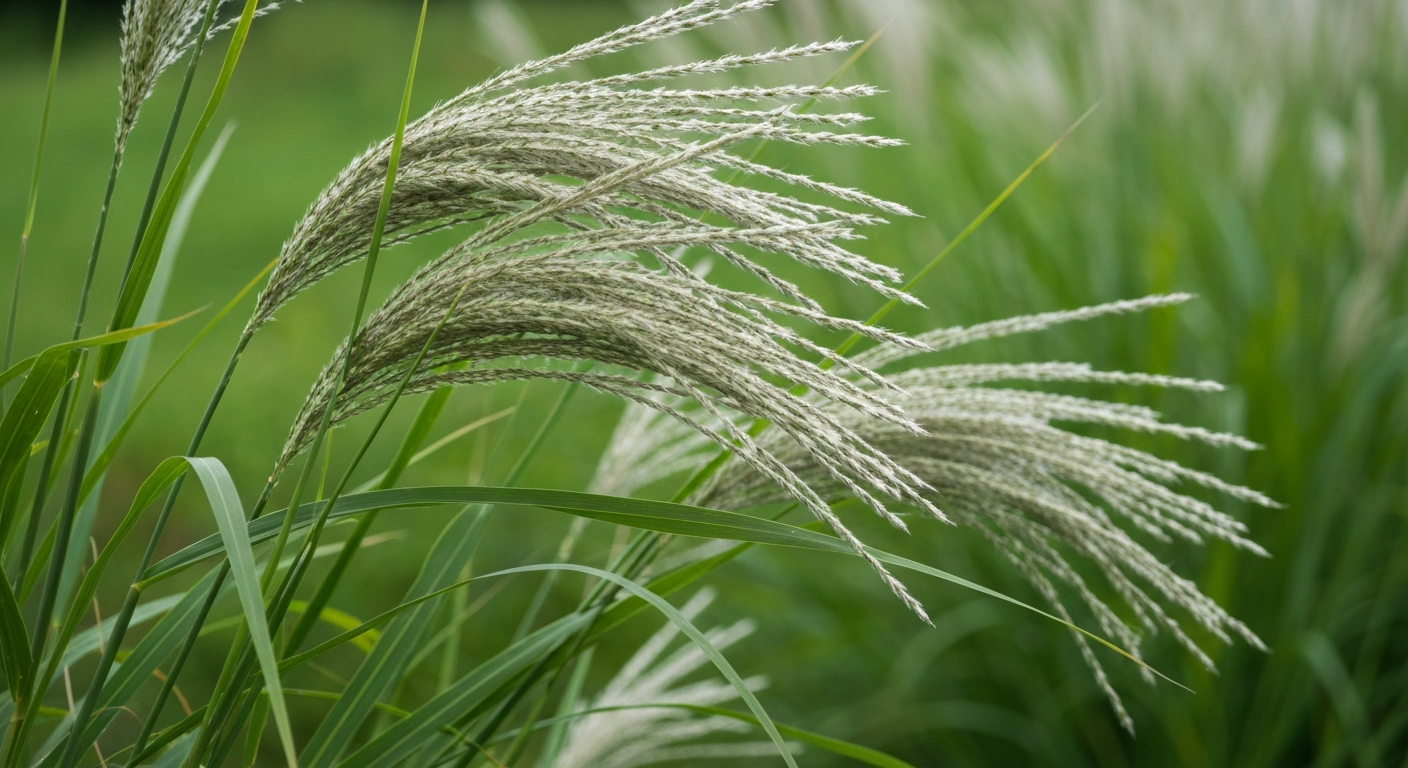
Many tall perennials are true sprinters. A beech hedge can take years to grow dense enough for privacy, while Chinese silver grass or knotweed can reach their full height in a single summer. Plant them in spring and you can enjoy a lush green screen by midsummer. The display keeps changing throughout the year: fresh green growth in spring, abundant flowers in summer, warm fall colors and picturesque seed heads in winter, when they’re covered in frost.
A haven for bees and butterflies
Flowering perennials invite nature into your garden. Wherever coneflowers, Joe-Pye weed or stonecrop bloom, there’s a buzz of activity. A flowering privacy screen provides valuable habitat and food for countless insects, including bees, bumblebees and butterflies. Your garden comes alive, and you help support biodiversity—an advantage no wooden fence can offer.
Variety in color, form and texture
Perennials offer endless variety. Combine fine-textured grasses with large-leaved plants. Set the vertical flower spikes of delphiniums beside the flat flower clusters of yarrow. Pair dark red foliage with silvery stems. This creative freedom lets you design a privacy screen that suits your style and garden.
Which tall perennials are best for privacy screening?
Choosing the right plants is key to success. Consider their mature height, the growing conditions—sun or shade—and the look you want to create. Here are some tried-and-true options for a natural privacy screen.
Ornamental grasses: movement and lightness
Ornamental grasses are stars among privacy plants. They’re hardy, easy to care for and bring a wonderful sense of lightness to the garden. Their rustling in the wind has a calming effect.
- Chinese silver grass (Miscanthus sinensis): A classic choice. Varieties such as 'Gracillimus' (up to 1,70 m), with fine foliage, and 'Malepartus' (up to 2,20 m), with striking red flower plumes, are very sturdy and provide effective screening. They form dense clumps without spreading aggressively.
- Switchgrass (Panicum virgatum): The 'Northwind' variety is especially known for its upright growth. It reaches around 1,80 m tall and turns bright yellow in fall. It’s ideal for contemporary gardens.
- Pampas grass (Cortaderia selloana): Its huge, feathery plumes make it a real showstopper. It needs plenty of space and a sunny, sheltered spot.
Important note
Pampas grass needs special protection from winter moisture. Tie the leaves together at the top in late fall to keep water from reaching the plant’s “heart.” Also cover the root area with leaves or brushwood.
Flowering giants: color and structure
Who says a privacy screen has to be green? These perennials pair impressive height with magnificent flowers, drawing the eye—and attention away from whatever lies behind them.
- Joe-Pye weed (Eupatorium): The 'Riesenschirm' variety grows up to 2,50 m tall and produces huge clusters of purple flowers in late summer. It’s a butterfly magnet.
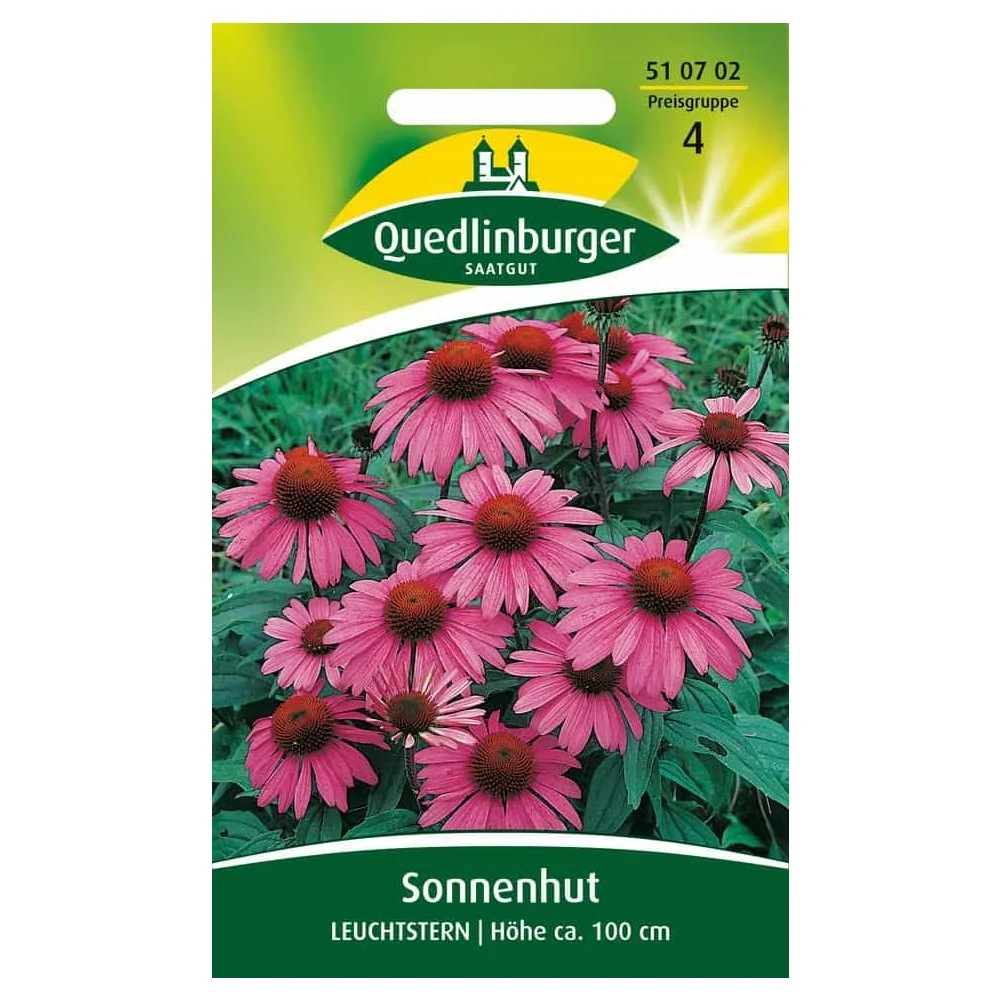
- Coneflower (Rudbeckia): Yellow coneflowers such as add a bright splash of color in late summer. The 'Herbstsonne' variety (Rudbeckia nitida) easily reaches 2 metres and produces tall stems with radiant yellow flowers.
- Perennial sunflower (Helianthus): Varieties such as Helianthus microcephalus grow over 2 metres tall and cover themselves with countless small, sunflower-like blooms. They form dense stands.
- Meadowsweet (Filipendula): For damper spots in partial shade, common meadowsweet—with its fragrant clouds of creamy white flowers—is an excellent choice.
Foliage plants: dense greenery all summer
Sometimes it’s the leaves, rather than the flowers, that make the biggest impact. Large, structured leaves create a dense, calming backdrop.
- Rodgersia (Rodgersia): With its huge, fan-shaped leaves, it’s ideal for partial shade or shady areas. It quickly forms dense clumps up to 1,20 m tall.
- Bugbane (Cimicifuga/Actaea): Varieties with dark red to almost black foliage, such as 'Brunette' or 'Black Negligee', create striking contrast. Their elegant white flower spikes in late summer are an added bonus.
How do I plan and plant a perennial privacy screen?
Good planning is half the battle. Take the time to assess the site and combine your plants carefully. This will help you create a harmonious, long-lasting result.
The right location: full sun, partial shade or shade?
Observe the planting area throughout the day. How many hours of direct sunlight does it receive? Choose plants suited to the available light conditions. A sun-loving plant such as switchgrass will struggle in deep shade, while Rodgersia may scorch in the hot midday sun.
Native perennials are the best choice for supporting local insect populations. They provide exactly the food that bees and butterflies in our region need.
Soil preparation is everything
A good start is crucial. Loosen the soil deeply with a digging fork and remove all weeds, especially root weeds such as ground elder or couch grass. Work in plenty of compost or a high-quality organic fertilizer to enrich the soil with nutrients. You can also find a great selection of fertilizers for plants and flowers here at Westfalia.
Plant spacing and layout
Do not place the plants in a straight line like toy soldiers. A staggered arrangement in two or three rows looks much more natural and creates privacy more quickly. Follow the recommended planting distance so that each perennial has enough room to flourish. Perennials planted too closely compete for light and nutrients and are more susceptible to disease.
Pro tip
Combine different heights for a vibrant sense of depth. Place the tallest grasses and perennials at the back, with medium-height and shorter plants in front. This not only creates better privacy but also makes for a more interesting overall look.
The right care for a long-lasting privacy screen
Once established, a perennial privacy screen is pleasantly easy to care for. With just a few tasks each year, you can keep your green wall vigorous and healthy.
Watering and feeding
Regular watering is important after planting so the perennials can establish well. Later, well-rooted plants can largely look after themselves. Water only during prolonged dry periods. A helping of compost or slow-release fertilizer in spring gives the plants the energy they need for strong new growth.
Cutting back in spring
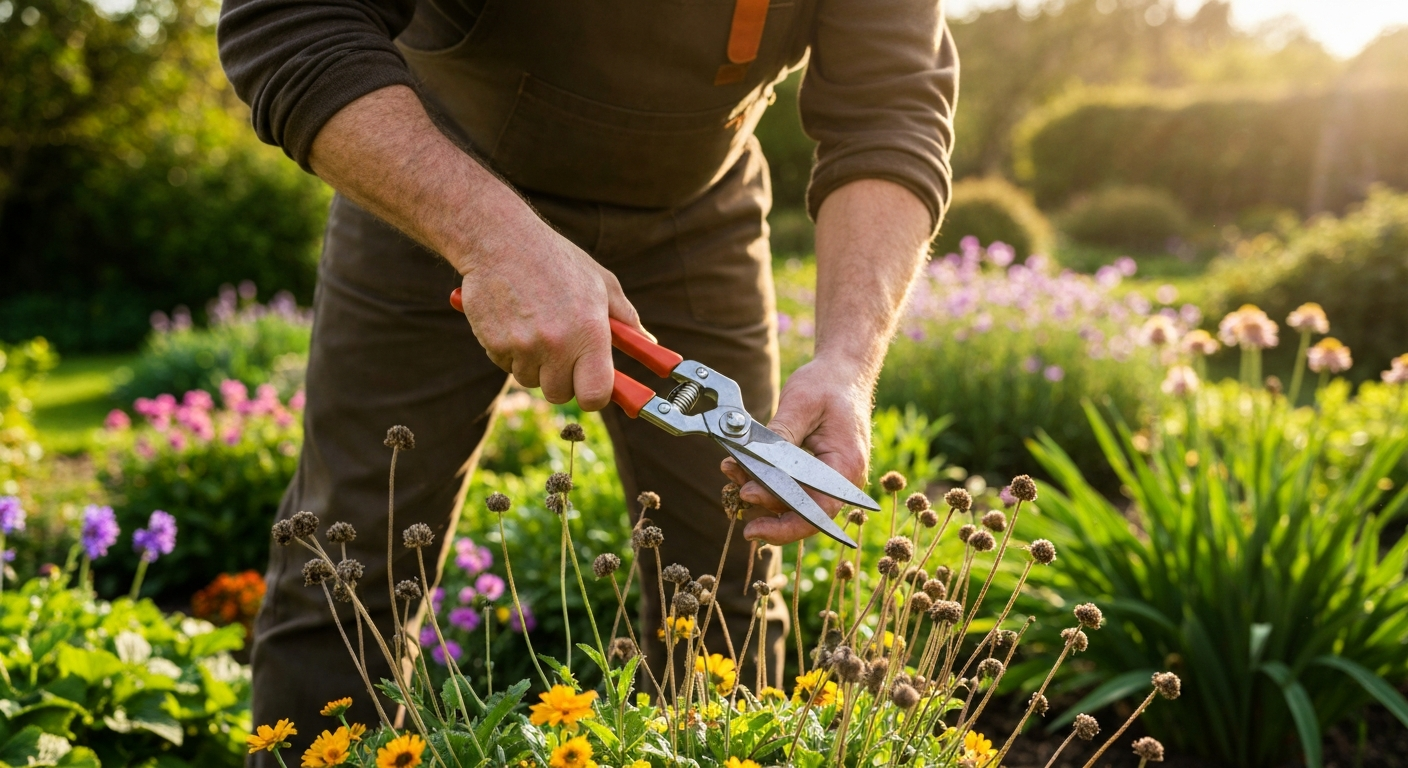
The most important maintenance task is cutting back. Cut the previous year's dried stems and leaves close to the ground in late winter or early spring, shortly before new growth begins. Use sharp, sturdy shears for this. The
"Pruning shears" are ideal for this job. Suitable gardening tools make seasonal maintenance much easier.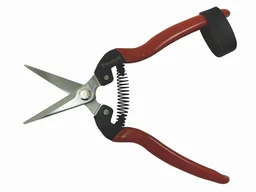
Additional advice
Leave the dried stems standing over winter. They protect the plant, provide many insects with a place to overwinter and look beautiful when covered with frost or snow. You can wait until spring before cutting them back.
Dividing and rejuvenating
Many perennials, especially grasses and coneflowers, become bare in the center or flower less vigorously after a few years. When this happens, it is time to divide them. Dig up the root ball in spring, split it into several sections with a spade and replant the vigorous outer sections in a new location. This rejuvenates the plants and gives you new planting material at the same time.
A privacy screen made from tall perennials is an investment in a living, ever-changing garden. It offers not only privacy but also beauty, movement and valuable support for nature. Be creative and create a green boundary that brings people together. Browse our range of garden and plant accessories and get your project started.
Frequently asked questions
- How quickly do perennials grow into a privacy screen?
- Many tall perennials, such as Chinese silver grass and perennial sunflowers, reach their full height within a single season. Plant them in spring and you can already enjoy a dense privacy screen in summer. Unlike hedge shrubs, which take years to mature, perennials provide a very quick way to increase privacy.
- Do tall perennials provide privacy in winter?
- Only to a limited extent. The above-ground parts of most perennials die back in winter. Ornamental grasses such as Chinese silver grass retain their dry stems and seed heads, providing a delicate, translucent structure. For year-round, dense privacy, it is best to combine perennials with evergreen shrubs.
- What planting distance is ideal for a perennial privacy screen?
- The spacing depends on the mature width of the perennial. As a rule of thumb, plant them about half as far apart as they will grow tall. For a denser effect, plant in two staggered rows. This creates a continuous green wall more quickly.
- Are tall perennials high-maintenance?
- Maintenance is manageable. The main task is cutting back the dried stems in spring. Otherwise, most robust perennials only need extra water during extreme drought and a dose of fertilizer in spring to grow vigorously. Dividing them every few years keeps them healthy and vigorous.
- Can I also use tall perennials as a privacy screen on a balcony?
- Yes, many tall grasses and perennials also thrive in large containers. Choose varieties that do not grow too wide, such as shorter types of Chinese silver grass. Make sure the planter is large enough (at least 40-50 litres) and has good drainage to prevent waterlogging.
You might also be interested in
- Build your own garden privacy screen: ideas for greater privacy
- Growing climbing plants: create green walls and privacy screens
- Planting around a garden fence: privacy and design ideas
- Hedges for privacy: the best plants for your garden
- Garden fences and privacy screens: design, materials and installation
- Flexible privacy screens to insert: quick solutions for gardens and balconies