
In brief: Create a flexible, personal room for your teenager. Combine functional furniture with individual DIY projects. Create clear zones for sleeping, studying and relaxing. Involve your teenager in the planning so the room reflects their identity. Choose adaptable furniture that grows with their needs.
How can you turn a child's bedroom into a cool teen bedroom?
The move from a child's bedroom to a teen bedroom marks a change in identity. The room now needs to do more: it is a bedroom, study, lounge and guest room all in one. The furnishings need to grow with changing demands.
Flexibility is key. Teenagers quickly develop new interests. Today's favourite colour may already be out of fashion tomorrow. So invest in a neutral, durable foundation. Add character with elements that are easy to replace.
Involve the room's occupant from the start. Their opinion matters. Planning together avoids later disappointment and gives them a sense of responsibility for their own space.
Pro tip
Set a fixed budget for the "look & feel" that your teenager can spend freely. It could be used for posters, LED lights, textiles or a DIY piece of furniture. This gives them creative control without putting the core investment at risk.
Which furniture does a teenager really need?
Furniture in a teen bedroom needs to be functional and robust. It often has to last throughout the teenage years. Quality is worth investing in here.
The bed: more than just a place to sleep
A teen bed is often a multifunctional piece of furniture. Bunk beds or loft beds create valuable space underneath. Use this area for a desk, seating area or generous storage.
An adjustable slatted base and a good mattress support a growing back. Consider practical details such as integrated reading lights or USB ports.
The desk: a home office for school and hobbies
The demands placed on a desk increase with every school year. A sufficiently large, height-adjustable desktop is essential. It should be able to accommodate a monitor, laptop and textbooks at the same time.
Organisation is everything. A mobile drawer unit under the desk, a desk organiser or a pinboard next to the workspace help keep everything in order. Pay attention to cable management.
The desk in a teen bedroom is the most important workspace for academic development. Ergonomics is often underestimated here. A tilting desktop and the correct seating height help prevent postural problems.
Storage: the battle against clutter
Open shelving looks light and airy but can encourage clutter. Combine it with closed cupboards or boxes. A large wardrobe with an adjustable interior layout grows with the clothing collection.
Make use of unused niches. Beds with storage, benches with hidden compartments or full-height shelving systems maximise space. Transparent boxes make it easy to find contents quickly.
For small items, craft supplies or tech accessories, you can find practical storage solutions in our small furniture category.
Important note
Always secure tall shelves and cupboards to the wall. The stability of freestanding furniture is often overestimated, especially when it is misused as a ladder or shelf. An anti-tip restraint is essential.
How can I use DIY ideas in a teen bedroom?
Handmade furniture and decor give the room a distinctive character. They are often less expensive and fit better than ready-made pieces.
Simple DIY furniture with a big impact
Start with a project that matches your abilities. A pallet bed looks casual and is robust. A chest of drawers made from wooden shipping crates can be customised and stacked.
A shelf made from wooden slats and industrial pipes suits an urban loft look. You can often find the materials at a hardware store. Simple instructions are available online.
For transporting heavy materials or furniture, furniture dollies are indispensable helpers.
Wall decor as a statement
The wall is the biggest canvas. Cover an accent wall with wallpaper designed for stickers. This allows posters and pictures to be put up without glue and rearranged whenever you like.
Hand-painted wall graffiti (with permission!) or a large chalkboard wall for writing on are real eye-catchers. A gallery frame made from wooden strips, with photos clipped into place, is easier to create.
DIY projects in a teen bedroom build self-confidence. The teenager sees the tangible result of their work every day. This creates a much deeper connection with the room than any piece of bought furniture.
Upcycling: turn old into new
Give old furniture from the basement or a flea market a new look. A fresh coat of specialist furniture paint, new handles or colourful film on cupboard fronts can transform standard furniture into one-of-a-kind pieces.
An old ladder can become a bookcase or ceiling light. Wooden crates can serve as side tables or magazine racks. There are almost no limits to your creativity.
Additional advice
Always allow extra time and set aside a small budget for improvements when planning DIY projects. Not every project works out perfectly first time. The process and working together are often more valuable than the perfect result.
How do I divide the room into different functional areas?
A well-structured room works better. Define clear zones, even if the room is small.
The study zone: encourage concentration
Place the desk as close to the window as possible to make use of natural light. Position it so the view is not towards the door or bed, minimising distractions.
A room-divider shelving unit or a screen creates visual separation from the relaxation area. Make sure there are enough power outlets for a laptop, lamp and chargers.
The sleep zone: peace and relaxation
The bed should not be in a passageway. Position it in a quiet corner. A small rug beside the bed adds cosiness when getting up.
A bedside table with storage and pleasant lighting are important. Avoid harsh overhead light in this area.
The lounge zone: space for friends
Teenagers spend a lot of time with friends in their room. Create seating away from the bed. Large beanbags, a cosy hammock corner or a simple mattress with lots of cushions work well.
A mobile side table for drinks and snacks completes the area. Flexible children's seating can be rearranged quickly when needed.
For inspiration on the basic furnishings, browse our category kids' bedroom ideas.
How do I choose the right lighting?
Lighting creates atmosphere and functionality. Use a layered lighting scheme.
A ceiling light provides the general brightness, preferably with a dimmer. The desk needs a flexible, glare-free table lamp with cool white light.
Floor lamps with warm light, LED strips behind the bed or shelves, and fairy lights create ambience. They can be switched on individually to suit your mood.
Smart bulbs that change colour and brightness via an app are popular with teenagers. They are a relatively inexpensive way to give the room a fresh new look again and again.
How can I incorporate hobbies and passions?
A teen bedroom reflects its occupant’s personality. Incorporate your teenager’s interests directly into the room’s design.
A music lover needs space for instruments and recording equipment. Shelves for vinyl records or a wall-mounted guitar holder are both practical and decorative.
An enthusiastic gamer needs an ergonomic seating solution and cable management for consoles and PCs. A shelf for games and accessories helps keep everything organised.
Creative minds appreciate a large, easy-to-clean work surface and storage space for materials. A pinboard for sketches and inspiration is ideal.
For younger siblings or as a creative play feature, you can also find ideas in the play furniture category.
Products such as the
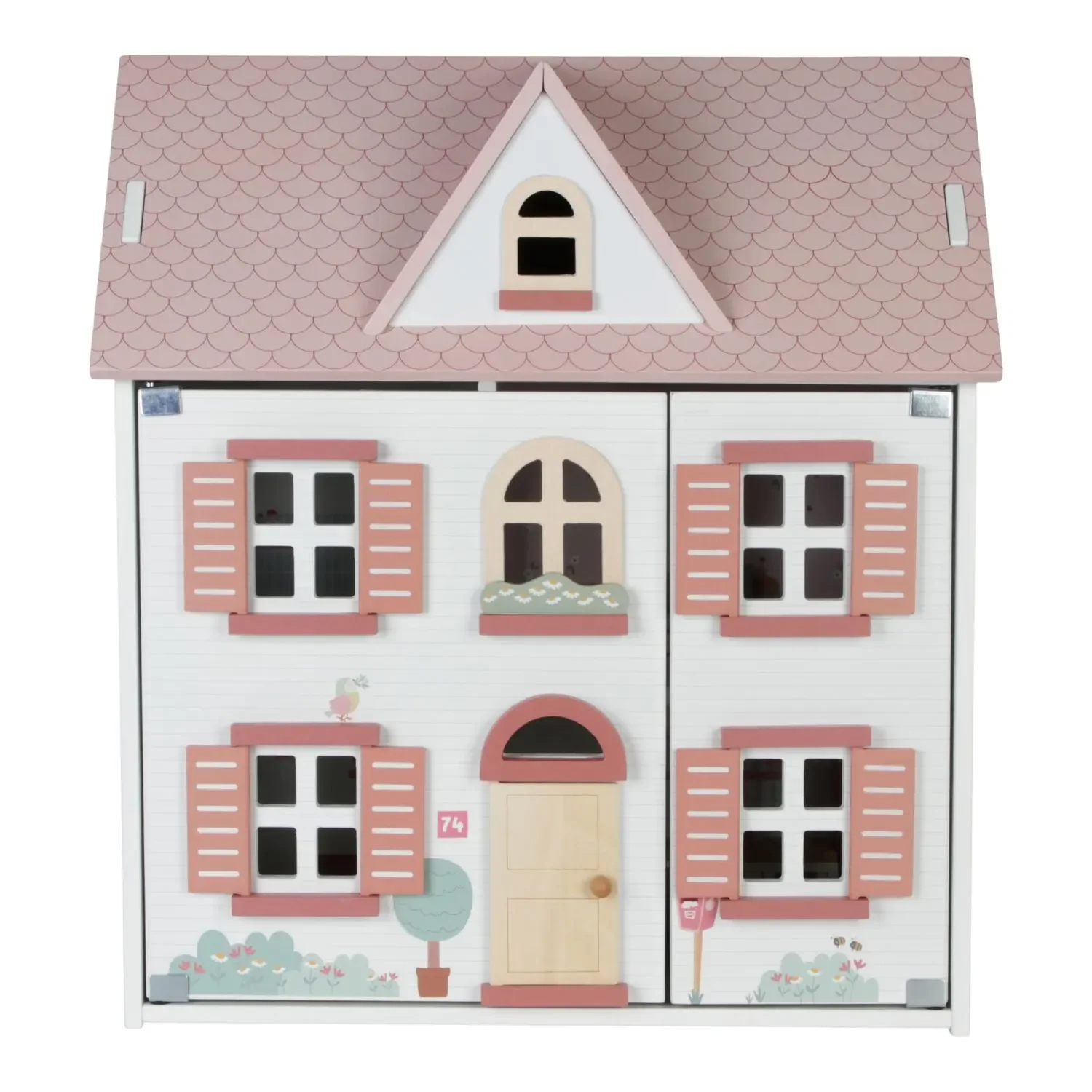
Practical helpers for furnishing the room
Specialist products can help you put your ideas into practice.
and (both Orchid fertiliser 500 ml) are examples of products that support the care of indoor plants. Plants improve the indoor climate and bring nature into a teen bedroom.

For protecting furniture on a balcony or patio during a move or while in storage, transparent garden furniture covers are practical. They are also suitable for covering furniture in the attic or basement.
Furnishing a teen bedroom is a process. Start with the essential furniture and develop the room over time. The room should be allowed to breathe and change, just like the teenager who lives in it.
Frequently asked questions
- How can I make the most of a small teen bedroom?
- Make use of vertical space with bunk beds or loft beds. Furniture with castors allows for flexible rearrangement. Light colours and reflective surfaces make the room appear larger. Integrated storage solutions such as under-bed drawers or floor-to-ceiling shelving reduce clutter.
- Which colours are suitable for a teen bedroom?
- Neutral base walls in white, grey or natural tones offer long-term flexibility. Add accents with changeable elements such as colourful textiles, posters or LED strips. This lets you change the look without repainting.
- How can I involve my teenager in furnishing the room?
- Let them create mood boards or collect ideas on Pinterest. Give them the freedom to choose accent colours, poster walls or individual pieces of furniture. Planning a DIY project together creates a sense of ownership.
- Which furniture is essential in a teen bedroom?
- A comfortable bed, a spacious desk with an ergonomic chair and sufficient storage are essential. Flexible seating for friends and easily accessible surfaces for everyday items complete the basic furnishings.
- How can I keep a teen bedroom organised?
- Give everything a designated place: boxes under the bed, shelf compartments and wall hooks. Use transparent storage for small items. A weekly "reset day" keeps the system working.
You may also be interested in
- Setting up a small teen bedroom: Make the most of minimal space
- Smart shared bedroom ideas for siblings: Make the most of the space
- Small apartment ideas: Big ideas for limited space
- Painting a child’s bedroom: Practical tips for choosing colours
- DIY furniture: Creative ideas for your home
- Renovating and decorating your living room