
In brief: Thuja diseases show up as brown tips, fungal infections or pest damage. You can identify fungi such as Pestalotiopsis blight by discolored shoots. Pests such as arborvitae leaf miners leave tunnels. Use targeted fungicides, insecticides and proper care to save your hedge.
Thuja Diseases and Pests: Identify and Control
A brown, patchy arborvitae hedge is every gardener's nightmare. The causes are varied: fungal diseases, pests or care mistakes. This article shows you how to identify problems accurately and use effective measures to save your hedge.
How do you identify arborvitae diseases?
The first warning signs are often brown tips on arborvitae or discolored shoots. Observe exactly where and how the damage appears. The pattern provides clues about the cause.
Fungal infections on arborvitae: The most common pathogens
Fungal infections on arborvitae are a major cause of browning. Two fungi are particularly common.
Pestalotiopsis blight (Pestalotiopsis funerea) starts at the shoot tips. You initially see individual brown needles, then the entire shoot dies back from the tip. In damp conditions, small black fruiting bodies appear.
Shoot blight (Didymascella thujina) affects the scale leaves. Typical signs are yellowish-brown spots that spread. Infected needles later fall off.
Fungal diseases spread particularly quickly in warm, damp weather and in densely planted hedges with poor air circulation. Prevention through an airy location is crucial.
How to identify arborvitae pests
Identifying arborvitae pests means looking for feeding damage and the insects themselves.
The arborvitae leaf miner (Argyresthia thuiella) is a common pest. Its caterpillars burrow into the shoot tips. You can identify an infestation by hollowed-out, brown shoot tips and fine webbing.
Mealybugs or scale insects suck sap from the shoots. They leave behind sticky honeydew and weaken the plant. Sooty mold, a black coating, often follows.
Pro tip
Check your arborvitae regularly from April to September. Shake an infested shoot over a white sheet of paper. This also helps you spot tiny pests such as spider mites.
Why does arborvitae turn brown? It is not always disease
Not every instance of browning is a sign of hedge diseases. Care mistakes are often the cause.
Drought stress is a common cause. Arborvitae need consistent moisture. Shallow-rooted species such as Thuja occidentalis suffer quickly. The needles first become dull, then brown, beginning at the tips.
Waterlogging and compacted soil damage the roots. They can no longer absorb water, so the plant dries out despite wet soil. The symptoms resemble drought stress.
Nutrient deficiency, especially magnesium or nitrogen deficiency, causes chlorotic (yellowish) discoloration that may turn brown.
For the right watering technique, you can find suitable watering cans and hoses in our garden watering category.
Many suspected fungal diseases turn out to be drought damage on closer inspection. Before treating with fungicides, always check the soil moisture level at a depth of 10 cm.
How can you effectively treat fungal infections on arborvitae?
If a fungal infection on arborvitae is confirmed, proceed systematically.
1. Remove infected plant parts. Cut all brown shoots back to healthy, green wood. Use sharp, disinfected garden shears. Dispose of the cuttings with household waste, not in the compost.
2. Apply a fungicide. Use an approved fungicide for conifer diseases. Follow the application instructions carefully. Repeat the treatment at the recommended interval.
3. Strengthen the plant. A weakened plant is more susceptible. After treatment, feed your arborvitae with a special conifer fertilizer containing magnesium and iron.
Important note
Plant protection products are biocides. Always read the label and product information before use. Protect yourself with gloves and suitable clothing. Keep children and pets away during application.
How to control arborvitae pests: Targeted measures
The treatment depends on the specific pest. In general, the earlier you act, the better.
Insecticides based on Bacillus thuringiensis (Bt) can help control the arborvitae leaf miner. This natural active ingredient works specifically against caterpillars. Timing is critical: treat during the moths' first flight period, around late May.
For scale insects and mealybugs, oil-based products (rapeseed oil) can help in spring before new growth appears. In summer, systemic insecticides that are absorbed by the plant are suitable.
Prevention: Encourage beneficial insects such as ladybugs and parasitic wasps by planting a diverse range of plants near the hedge.
What should you do about brown tips after winter?
Brown tips on arborvitae in spring are often caused by winter desiccation. Winter sun evaporates water from the needles, while the frozen roots cannot supply more.
Cut back frost-damaged tips in May, as soon as there is no longer a risk of severe frost. The plant will sprout again from the old wood.
Water your arborvitae on frost-free days in winter, especially in sunny weather. A fleece winter cover can protect sensitive young plants. You can find such covers in our tarps and nets section.
Additional advice
Before using chemicals, try mechanical methods: cut off infected shoots, spray with a strong jet of water (against sap-sucking pests) or attach glue bands (against crawling pests). Often, that is enough.
The right care is the best prevention
A healthy, vigorous arborvitae is better able to resist diseases and pests. The foundation is proper care.
Plant correctly. Do not plant thuja too deeply. The root ball should be level with the soil surface. High-quality potting soil promotes healthy establishment. Stable, healthy hedge plants such as the
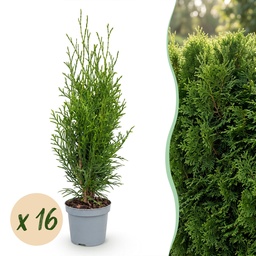
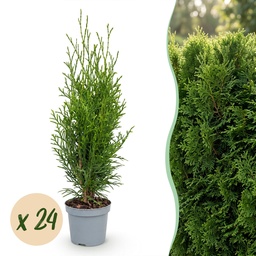
Water deeply. It is better to water thoroughly once than superficially and often. This encourages the roots to grow deeper.
Fertilise moderately. A slow-release fertiliser for conifers in spring is usually sufficient. Avoid over-fertilising with nitrogen, as this makes the shoots soft and susceptible.
Prune correctly. Never cut thuja hedges back into old, bare wood. The best time is before new growth starts in spring or in late summer. Always use clean, sharp tools.
You will find the right equipment for all your gardening tasks in our extensive Garden & Outdoor range.
When is it worth replacing your thuja?
Sometimes a thuja can no longer be saved. This is the case when the damage is too extensive, the plant is rotting from the roots or the infestation keeps returning.
Choose new, robust plants. Thuja occidentalis 'Smaragd' is considered comparatively resistant to diseases. You can buy it in different quantities, for example as
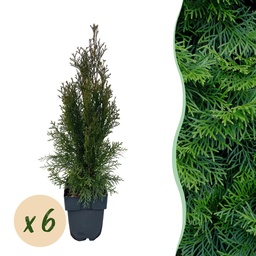
Dig out the planting hole generously at the old location and replace the soil. This reduces the risk of pathogens or pests passing to the new plant.
With this knowledge, you can reliably identify and effectively control thuja diseases and pests. A healthy thuja hedge will then provide reliable privacy for many years.
Frequently asked questions
- Why is my thuja hedge turning brown inside?
- Brown areas inside thuja are often the natural shedding of old needles, especially in dense hedges. It becomes a concern when entire shoots turn brown from the outside inwards – this indicates a lack of water, fungal infection such as Pestalotiopsis blight or pest infestation.
- Which fungus turns thuja brown?
- The most common fungal pathogens are Pestalotiopsis blight (Pestalotiopsis funerea) and twig blight (Didymascella thujina). Pestalotiopsis blight starts at the shoot tips, while twig blight begins on the scale leaves. Both cause progressive browning and needle loss.
- How do I control the arborvitae leaf miner?
- Control the arborvitae leaf miner with an approved insecticide, such as a product based on Bacillus thuringiensis. Spray during the moths' first flight period in May/June. Cut off heavily infested shoots and dispose of them with household waste.
- Can a diseased thuja hedge recover?
- Yes, thuja often recovers if treated in time. Remove affected shoots back to healthy wood. Provide optimum conditions: thorough watering, balanced fertilisation and loose soil. Minor damage will fill in over time.
- How can I prevent thuja diseases?
- Do not plant thuja too closely together, and choose an airy location. Avoid waterlogging and stress caused by drought. Use clean, sharp tools when pruning. Regular but moderate fertilisation with a special conifer fertiliser strengthens the plants.
You may also be interested in
- Planting and caring for thuja: The ultimate guide
- Identifying and successfully treating plant diseases
- Olive tree diseases: identify and control fungi & pests
- Caring for boxwood: pruning, location & protection from pests
- Box tree moth control: Effective treatments for your garden
- Conifers in containers: caring for thuja, cypress and juniper