
In brief: Tomato support anchors are ideal for individual plants on balconies or in containers, as they provide targeted support. Trellises are better suited to several plants in rows or in raised beds, as they create a large-scale support structure and promote air circulation. Your choice depends on the space available and the tomato variety.
- The challenge of choice: Stability for your tomatoes
- The tomato support anchor: Precise support for individual plants
- The trellis: Large-scale support for team players
- Tomato support anchor vs. trellis: Which suits your garden?
- How do you support tomatoes correctly and prevent damage?
- What alternatives to tomato supports are available?
The challenge of choice: Stability for your tomatoes
Every gardener knows the moment: young tomato plants are growing vigorously, the first flowers appear and anticipation of a plentiful harvest is building. But growth also brings extra weight. The stems bend dangerously towards the ground, laden with juicy fruit. Without the right support, they can snap, the fruit can rot on the damp soil and fungal diseases can spread easily. A sturdy support is not a luxury but a necessity.
Two systems are particularly popular: the flexible tomato support anchor and the classic trellis. Both promise stability and healthy plant development. But which system is right for your needs, your space and your tomato varieties? This comparison will help you make the right choice.
The tomato support anchor: Precise support for individual plants
Imagine a support that grows with your tomato plant and adapts flexibly. That is exactly what a tomato support anchor does. Instead of a rigid framework, it gives the plant a central point around which it can wind or to which you can tie it. This system is particularly space-saving and ideal for growing plants in containers or as individual plants in a bed.
Our tomato support anchor, 2-piece set () is a perfect example of this simple yet effective method. It consists of a sturdy rod that you anchor firmly in the ground. You attach a string to this rod and run it upwards to a hook, ceiling or wire. The tomato plant is then simply wrapped around the string or tied to it. This allows it to grow straight and stable upwards, while all side shoots and fruit receive support.
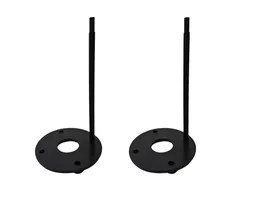
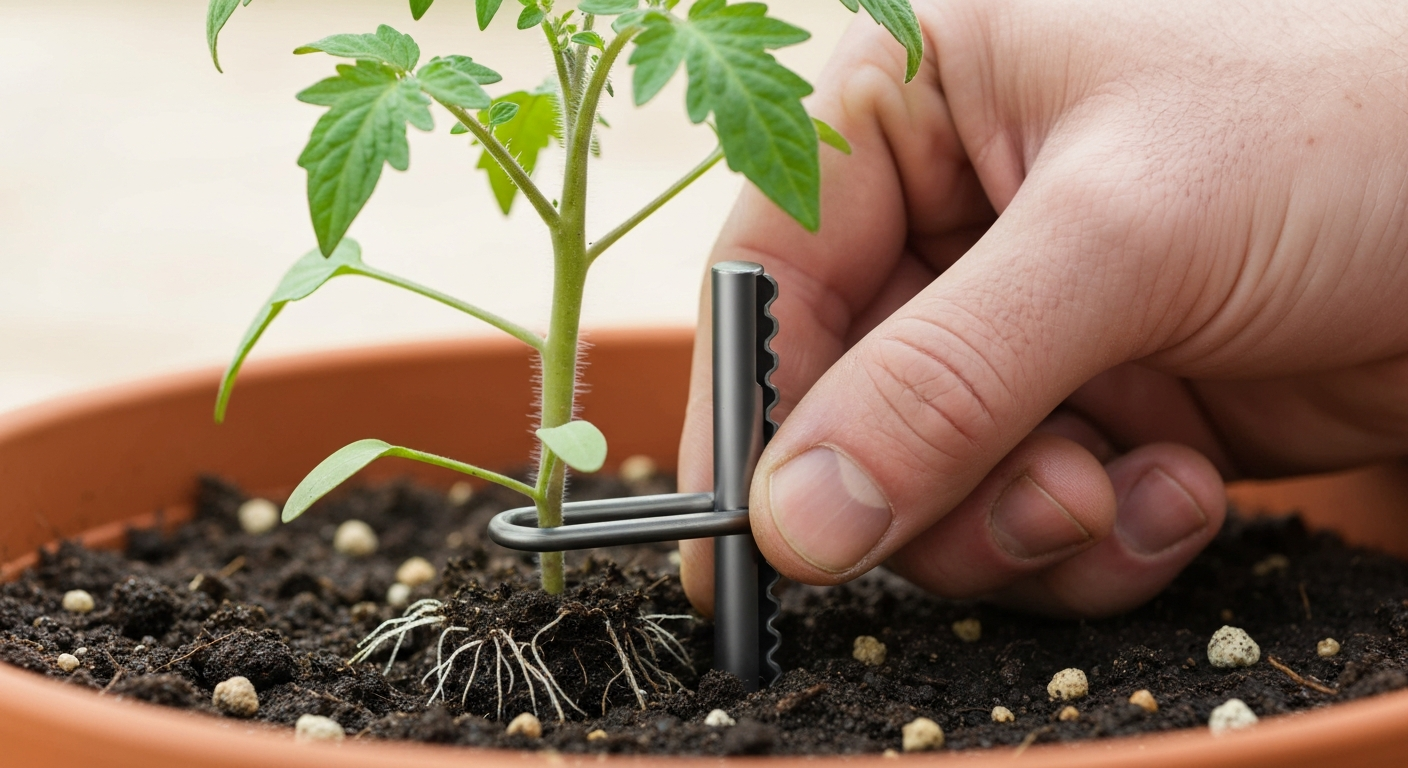
The advantages of tomato support anchors at a glance:
- Space-saving: Ideal for balconies, patios and small gardens where every centimetre counts.
- Targeted support: Each plant gets its own individual support.
- Flexible: The height of the string can easily be adjusted as the plant grows.
- Good air circulation: As the plant grows upwards in a slim shape, the leaves dry quickly after rain, helping to prevent fungal infections.
- Reusable: The sturdy metal anchors last for many seasons.
In the past, tying up the plants was a huge amount of work. With tomato support anchors, I give each plant exactly the support it needs without having to build complicated frameworks.
The trellis: Large-scale support for team players
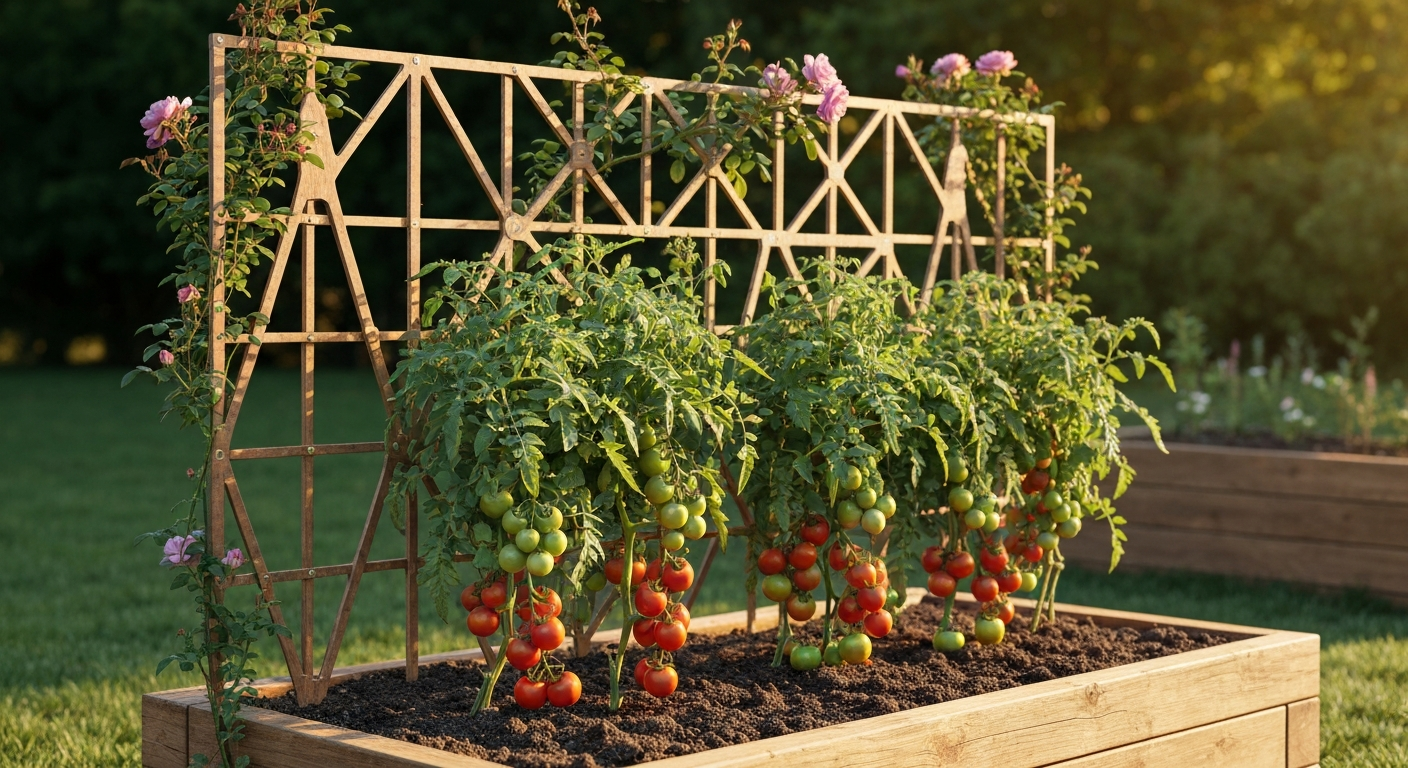
A trellis is the classic solution for growing several tomato plants in a row. It creates a stable wall to which you can attach the shoots of your plants. Trellises are available in many shapes and materials, from simple wooden constructions to durable metal grids. They are the first choice for larger beds and greenhouses.
A trellis provides a broad surface to which you can attach not only the main stem but also strong side shoots. This is particularly beneficial for spreading varieties. The open structure ensures excellent ventilation throughout the planting area and makes harvesting easier, as the fruit hangs within easy reach. In the entire Garden + Outdoor range, you will find numerous solutions suitable for your needs.
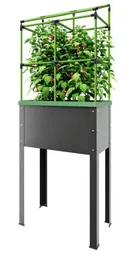
Integrated systems such as the "Heidelberg" metal raised bed with trellis & irrigation () are particularly practical. Here, you combine the benefits of a raised bed with a sturdy support system built directly into it. This saves space, looks tidy and creates ideal growing conditions.
Pro tip
It is best to install your trellis before or when planting the tomatoes. This prevents you from disturbing the delicate root system later. If necessary, run additional wires or strings horizontally through the trellis to create even more attachment points.
The strengths of a trellis:
- Stable and hard-wearing: Easily supports the weight of several tomato plants laden with fruit.
- Ideal for row planting: An efficient solution for vegetable beds or greenhouses.
- Promotes air circulation: The open structure minimises the risk of fungal diseases.
- Versatile: After the tomato harvest, you can also use the trellis for cucumbers, beans or peas.
Tomato Stake vs. Trellis: Which Suits Your Garden?
The choice between a stake and a trellis depends on four factors: available space, the number of plants, the tomato variety and your preferred way of working. The following overview will help you choose the best option.
Situation 1: The Balcony and Container Garden
You have limited space and grow your tomatoes in pots and containers. In this case, the tomato stake is the clear recommendation. It takes up very little space, can be anchored directly in the container and guides the plant upwards. A bulky trellis would be oversized and impractical here.
Situation 2: The Classic Vegetable Bed
You are planning one or more rows of tomatoes in your garden bed. This is where the trellis comes into its own. You can build a single structure for many plants, saving time in the long run. The trellis creates a uniform appearance and makes care tasks such as pruning and harvesting easier.
Situation 3: Indeterminate vs. Determinate Varieties
Tomato varieties differ considerably in their growth habits. Indeterminate varieties (cordon tomatoes) theoretically continue growing indefinitely and can become very tall. They benefit from tall supports such as a tomato stake or a tall trellis. Determinate varieties (bush tomatoes) stop growing taller after producing a certain number of flower trusses. They grow bushier and do need support, but a lower and wider support structure, such as a trellis, is often sufficient.
Additional Advice
Regardless of the support you choose, regular pruning (removing side shoots from the leaf axils) is essential for cordon tomatoes. It directs the plant's energy towards the main stem and fruit production and, together with the support, improves air circulation.
Situation 4: The Raised Bed
Both systems are possible in a raised bed. If you are mixing different types of vegetables, tomato stakes offer flexibility for individual tomato plants. If you are reserving an entire side of the raised bed for tomatoes, a permanently installed trellis, such as the previously mentioned Heidelberg raised bed (), is a neat and extremely stable solution.
How Do You Tie Up Tomatoes Properly and Avoid Damage?
The best support is useless if you attach the plant incorrectly. A tomato's main stem is delicate and can be injured or even "strangled" if tied too tightly. This interrupts the flow of sap and can seriously damage the plant.
Always use soft, elastic or wide material. Special plant ties, jute twine or strips cut from old T-shirts are ideal. Avoid thin wire or hard plastic string. Tie the plant to the support with a loose loop. The "figure-eight loop" is a proven technique: Pass the string between the stem and the support, cross it over itself and then tie it to the support. This gives the stem room to thicken.
Gardening upwards not only allows you to harvest more in a small space, but also effectively protects your plants from soil moisture and the diseases associated with it.
Check the ties every few weeks and loosen them if necessary. With a tomato stake, the process is slightly different: Carefully wind the growing main stem clockwise around the taut string. The plant will then support itself for the most part, although additional loose ties at critical points can provide extra security.
What Alternatives to Tomato Supports Are Available?
In addition to stakes and trellises, there are other tried-and-tested ways to support your tomatoes. Each has its own advantages and disadvantages in a direct tomato support comparison.
- Spiral stakes: These twisted metal stakes are very popular. Place them next to the plant and guide the main stem through the spirals. This works well, but offers little support for heavy side shoots.
- Tomato cages: Round or square mesh cages that you place over the young plant. The plant grows upwards inside and is supported by the mesh bars. This is simple, but harvesting from inside the cage can sometimes be awkward.
- Simple wooden stakes: The most traditional method. Drive a sturdy stake into the ground next to the plant and tie the stem to it regularly. Simple and inexpensive, but it requires ongoing work.
- Florida weave method: With this method, you run strings horizontally between two stakes and guide the tomato plants between the strings. It is highly efficient for long rows, but requires some practice.
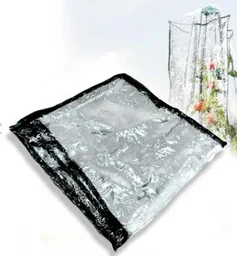
To provide your supported plants with additional protection from pests or heavy rain, you can use special covers. The Mesh cover "Maxitom" () fits over suitable planter towers, for example, and protects your harvest. Covers such as these tarpaulins + nets are a useful addition for any dedicated tomato grower who also supports plant health with the right fertiliser.
Important Note
When tying up your tomatoes, make sure you never crush the stem. A tie that is too tight damages the plant's vascular tissue and can cause the shoot above the tie to die. Always leave at least a finger's width of space.
Ultimately, there is no single perfect solution. The flexible tomato stake is a champion in small spaces, while the trellis comes into its own in a large garden bed. Assess your garden, choose your tomato varieties carefully and select the support that best suits your style. That way, nothing will stand in the way of a plentiful and healthy harvest.
Frequently Asked Questions
- Can I grow tomatoes without support?
- Bush tomatoes (determinate varieties) can be grown without support because they remain more compact. However, cordon tomatoes (indeterminate varieties) definitely need support. Without it, the stems would lie on the ground, rot and become more susceptible to diseases and pests.
- How deep should a tomato stake be inserted into the soil?
- Insert the tomato stake as deep into the soil as possible, ideally 15 to 20 centimetres. This provides a stable anchor that keeps the plant secure even in windy conditions and under the weight of heavy fruit.
- What is the best material for a trellis?
- Metal and wood are the most common materials. Metal trellises are durable, weather-resistant and often powder-coated. Wooden trellises blend naturally into the garden but can weather over time. Both materials work very well.
- When does a tomato plant need support?
- It is best to install the support when planting or shortly afterwards. This prevents you from damaging the roots of an established plant later on. The plant can then grow up the support from the very beginning.
- How can I prevent string from cutting into the stem when tying up the plant?
- Use soft, wide fastening materials such as special plant string, strips of fabric or wide plant ties. Always tie the loops loosely in a figure-eight shape so the stem has enough room to grow and is not constricted.
You may also be interested in
- Installing Tomato Anchors: The Guide to a Bountiful Harvest
- My Tomato Plants Are Breaking! How to Support Them Properly & Safely
- Growing Tomatoes Upside Down: The Space-Saving Method
- Growing Tomatoes: The Ultimate Guide to a Bountiful Harvest
- Ground Anchors for Lawn Edging: The Ultimate Buying Guide
- Climbing Plants & Trellises: Creating Green Walls