
In brief: Start with a reliable basic toolkit that includes a hammer, screwdrivers, and pliers. Add essential power tools such as a cordless drill/driver and a jigsaw. When shopping, consider the power source (battery or corded), performance, and ergonomics so you’re ready for every project.
The basics: What does every DIYer need?
Every project, big or small, depends on having the right tools. A reliable basic toolkit is the foundation of successful DIY projects. You don’t need a fully equipped professional workshop right away. Start with the essentials that help with the most common jobs around the home and garden.
Hand tools—the foundation of your workshop
Before investing in powerful machines, build a solid foundation with high-quality hand tools. They don’t need electricity, are always ready to use, and are essential for precision work. You’ll appreciate their quality with every task.
- Hammer: A machinist’s hammer weighing about 300 to 500 grams is a versatile choice.
- Screwdriver set: Choose a set with different sizes for flathead and Phillips screws. A magnetic tip is a handy extra.
- Pliers: Combination pliers for gripping and cutting, water pump pliers for plumbing, and side cutters for wire cover most needs.
- Tape measure and level: Accurate measuring and alignment are half the battle. A 5-meter tape measure and a 60-cm level are ideal for getting started.
A well-organized socket and tool set brings many of these essentials together and keeps everything organized and portable.
First power tools—power for bigger projects
Once you have the basics covered, power tools make your work much easier. They save time and effort and make projects possible that would be nearly impossible by hand. Three essential tools are enough to get started.
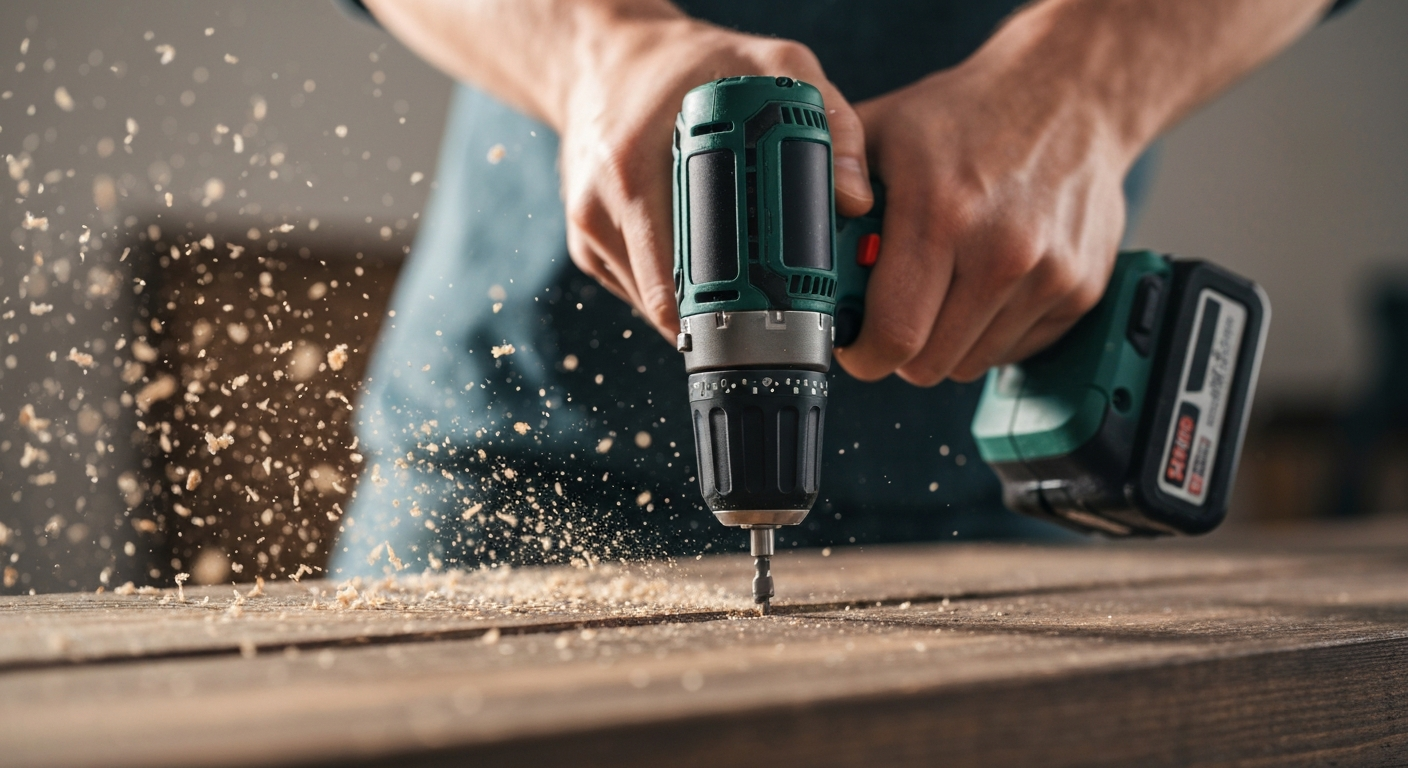
The cordless drill/driver is probably the most frequently used power tool. It drives screws in and out with ease and drills holes in wood or drywall. Look for a model with at least 12 volts and two batteries so you can work without interruption.
You’ll need a hammer drill for harder materials such as concrete or brick. Its switchable hammer action helps drill into the material and clear the way for a wall anchor.
The jigsaw is the go-to tool for curves and cutouts. Whether you’re fitting countertops, cutting out decorations, or trimming laminate, its versatility makes it indispensable.
Pro tip
When buying cordless tools, look for a shared battery platform. Many manufacturers offer a wide range of tools that all use the same type of battery. This saves money when you buy bare tools without a battery, as well as storage space and charging time.
How do you choose the right power tool?
The selection of power tools is huge. To make the right choice, learn a few technical basics and think about what you need. The most expensive tool isn’t always the best fit.
Battery, cord, or compressed air?
Your choice of power source directly affects how you work. Each system has clear advantages and disadvantages.
- Cordless tools: They offer maximum freedom. There’s no cord in the way and no extension cord to deal with. They’re ideal for the garden, roof, or hard-to-reach places. Modern lithium-ion batteries are lightweight and powerful, but need to be recharged regularly.
- Corded tools: They deliver steady, uninterrupted power from an outlet. They’re often lighter than cordless models and less expensive to buy. They’re a good choice for stationary work or energy-intensive jobs such as extended sanding or chiseling.
- Air tools: These specialized tools run on a compressor. They’re rugged, durable, and often very powerful. Common examples include impact wrenches, nail guns, and paint sprayers. For most DIYers, they’re a specialized addition.
Consider performance and ergonomics
The performance specs on the packaging can be confusing. For corded tools, wattage indicates power consumption—more watts usually mean more power. For cordless tools, voltage (volts) indicates the power class (e.g. 12V, 18V, 36V). Amp-hours (Ah) describe battery capacity, or how long you can work on a single charge.
Ergonomics are just as important. The tool should feel comfortable in your hand. Check its weight and balance. Rubberized grips (soft grip) reduce vibration and provide a secure hold. A heavy, poorly balanced tool can quickly cause fatigue and lead to imprecise results.
If the only tool you have is a hammer, every problem looks like a nail.
Specialty Tools for Advanced Projects
As you gain experience and take on more demanding projects, you may need specialty tools. These machines are designed for specific tasks and deliver results that general-purpose tools can’t match.
For Woodworkers
Working with wood calls for precision and creativity. A circular saw makes fast, straight cuts in sheet materials. For fine joinery or rounded edges, a router is the tool of choice. Sanders such as an orbital sander for smooth surfaces or a belt sander for faster material removal help you achieve the perfect finish.
For Remodeling and Construction
Larger remodeling projects call for heavy-duty equipment. A rotary hammer combines rotation with a pneumatic hammer mechanism to drill through reinforced concrete with ease. An angle grinder cuts metal, stone, and tile or removes rust and old paint. For demanding jobs, you’ll find a wide range of rugged construction tools. A paddle mixer makes mixing mortar or paint clean and easy. During renovation work, a simple scraper such as the
is often all you need to remove old wallpaper or paint residue.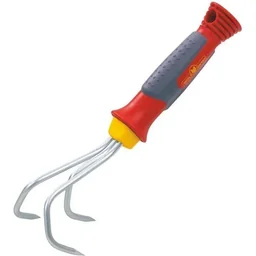
Extra tip
Rent instead of buying. Expensive specialty tools you only need for one project can often be rented from a home improvement store or equipment rental company. This saves money and workshop space.
For the Garden
There’s plenty to do outdoors, too. Electric garden tools make it much easier to care for hedges, lawns, and trees. A hedge trimmer gives hedges a clean, shaped finish, while a grass trimmer reaches the edges the mower misses. For smaller jobs in flower beds, a set such as the
is ideal. For larger trees, you’ll need a chainsaw—always follow safety precautions and get proper training when needed.
Why Are Tool Care and Maintenance So Important?
High-quality tools are an investment. With the right care, you can maintain their performance and precision while significantly extending their service life. Well-maintained tools are also safer to use.
Regular Cleaning
Make it a habit to give your tools a quick cleaning after every use. Remove dust, sawdust, or resin with a cloth or brush. Compressed air helps blow dust out of the ventilation slots on power tools. Clean tools are less likely to rust or overheat.
Sharpening and Adjustment
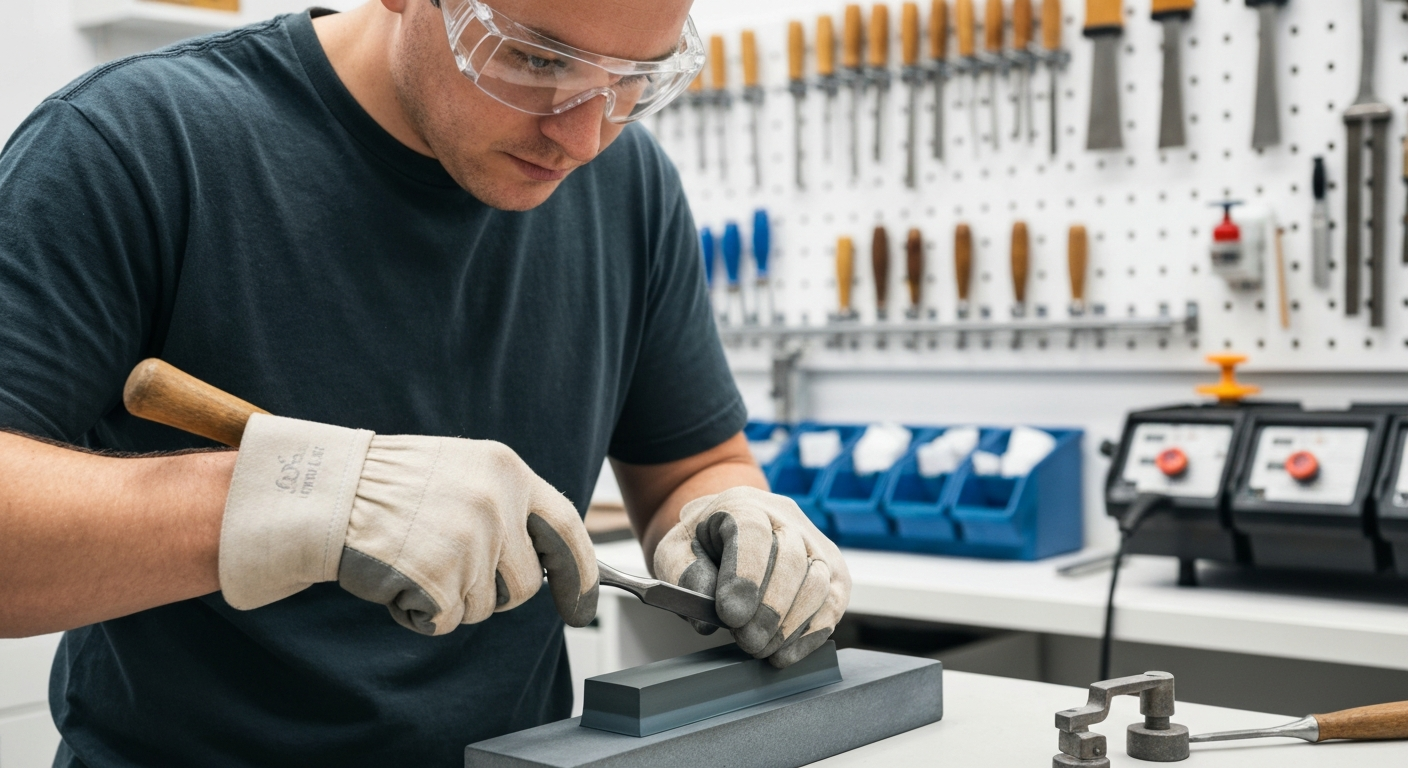
Dull tools are dangerous. They require more effort, increasing the risk of accidents, and produce poor results. Saw blades, drill bits, and chisels should be sharpened regularly. With a set of
you can keep blades razor-sharp. Also check all settings and screws on your machines regularly, and tighten them as needed.
Important note
Always unplug power tools or remove the battery before performing maintenance or cleaning. A machine that starts accidentally can cause serious injuries. Always wear cut-resistant gloves when cleaning sharp blades.
Proper Storage
Your workshop doesn't have to be chaotic. Good organization protects your tools and saves time when you're looking for them. Store tools in a dry, clean place. Toolboxes protect them from bumps and moisture. Drawer cabinets or pegboards make it easy to see what you have and grab what you need. Store batteries at room temperature and protect them from deep discharge.
Workshop Safety: More Than Just Gloves
The best tool is useless if the job ends in the hospital. Workshop safety isn't a chore; it's the foundation for enjoying DIY projects for years to come. Take the time to protect yourself and your workspace.
Personal protective equipment (PPE) is your first line of defense. Safety glasses are essential for any work where chips, splinters, or dust could fly. Hearing protection (earmuffs or earplugs) is a must when using loud machines such as circular saws, angle grinders, or rotary hammers. When sanding or working in particularly dusty conditions, a respirator (at least FFP2) protects your lungs.
Wear close-fitting clothing and tie back long hair to keep it from getting caught in rotating machine parts. Sturdy, closed-toe shoes protect your feet from falling objects. Work gloves protect against splinters and sharp edges, but don't wear them when using machines with rotating parts (e.g. drills, circular saws), as they can get caught.
The most important minute in any project is the one you take to prepare for safety. Putting on safety glasses takes seconds; losing your eyesight lasts a lifetime.
A tidy workshop is a safe workshop. Trip hazards such as cables or materials left lying around are a common cause of accidents. Make sure you have good lighting and a stable workbench. Get to know your tools and read the owner's manual before using them for the first time. With respect for the machine and the right preparation, every project can be a success.
Frequently Asked Questions
- What should every basic tool kit include?
- Every household should have a hammer, a set of screwdrivers (flathead and Phillips), combination pliers, a tape measure, and a level. A good cordless drill is also a worthwhile investment because it makes many manual screwdriving tasks much easier and faster.
- Should I buy cordless or corded tools?
- Cordless tools offer maximum flexibility and are ideal for jobs without easy access to a power outlet. Corded tools deliver consistent, high performance without needing to recharge and are well suited to stationary or extended use. Your choice depends largely on the type and location of your project.
- How can I tell if a tool is good quality?
- Look for high-quality materials such as chrome vanadium steel, clean workmanship without sharp edges, and an ergonomic design. For power tools, factors such as motor power (watts), battery capacity (Ah), and low vibration are also important indicators of quality.
- How should I store my tools?
- Always store your tools clean and dry to prevent rust and damage. Toolboxes, drawer cabinets, or wall mounts help keep everything organized and within easy reach. Store batteries away from extreme temperatures and protect them from deep discharge.
- What protective gear do I need for DIY projects?
- Safety glasses are essential for almost all jobs to protect your eyes from chips and dust. Hearing protection is a must when using loud machines such as saws or angle grinders. Sturdy footwear and work gloves round out your basic safety gear.