
In brief: Many popular houseplants and garden plants are toxic to dogs, including yew, oleander, rhododendron, autumn crocus, foxglove and dieffenbachia. Move plants out of reach, secure garden beds and ponds, and watch for symptoms such as vomiting, drooling, trembling or seizures. If you suspect poisoning, contact a vet right away: take a photo of the plant, save any remaining pieces and don’t induce vomiting yourself.
Short answer: Many popular houseplants and garden plants are toxic to dogs, including yew, oleander, rhododendron, autumn crocus, foxglove and dieffenbachia. Move plants out of reach, secure garden beds and ponds, and watch for symptoms such as vomiting, drooling, trembling or seizures. If you suspect poisoning, contact a vet right away: take a photo of the plant, save any remaining pieces and don’t induce vomiting yourself.
Dogs explore their surroundings with their noses and mouths. A fallen leaf, a berry along the path or a freshly cut branch can quickly end up in a dog’s mouth. Plants that affect the heart, nervous system or liver are especially dangerous.
Keeping your dog safe takes knowledge, distance and supervision. Check your houseplants, garden beds, hedges, compost areas and pond edges. This guide explains which plants commonly cause problems, how to recognize plant poisoning and how to make your yard safer for your dog.
Which plants are toxic to dogs?
Toxicity depends on more than the type of plant. The part of the plant, its maturity, how much your dog eats and your dog’s weight all play a role. A small dog may react more severely to the same amount than a large dog.
Highly toxic garden plants
Some plants should not grow in areas where dogs can roam freely. Remove them or block access with a sturdy, sufficiently high barrier.
- Yew: The needles and seeds contain taxines. Eating them can cause vomiting, weakness, circulatory problems and dangerous heart rhythm disturbances.
- Oleander: The leaves, flowers and branches contain cardiac glycosides. Clippings remain dangerous and should not go in an open compost pile.
- Foxglove: This plant also contains substances that affect the heart. Vomiting, diarrhea, weakness and heart rhythm disturbances may occur.
- Autumn crocus: All parts of the plant contain colchicine. It can cause severe gastrointestinal problems and organ damage.
- Rhododendron and azalea: The leaves, flowers and nectar can cause drooling, vomiting, weakness and loss of coordination.
- Laburnum: The seeds and pods in particular contain toxic alkaloids. Trembling, seizures and breathing problems are possible.
- Lily of the valley: The leaves, flowers and berries can affect the heart and circulation.
- Angel's trumpet: The tropane alkaloids it contains can cause agitation, severely dilated or constricted pupils, disorientation and seizures.
Which houseplants can harm dogs?
Many houseplants are also unsafe for pets and should be kept out of reach. Dieffenbachia, philodendron, monstera, peace lily and pothos contain irritating calcium oxalate crystals. If a dog chews on them, the lining of the mouth and the tongue may burn or swell.
Sago palm is especially dangerous because of its seeds. Ficus species, dragon tree and poinsettia can cause gastrointestinal problems or irritation. The risk varies by plant, but unfamiliar plants should never be kept at nose level.
Why are berries, seeds and clippings a concern?
Many dogs ignore leaves but eat colorful berries or chew on dry branches. In yew, laburnum and lily of the valley, some of the most toxic substances are found in the seeds or fruit. Tulip and daffodil bulbs can also cause problems if a dog digs them out of freshly planted soil.
Check the ground after pruning. Pick up leaves, berries and branches, then seal the clippings in a sturdy bag. Keep toxic plant parts out of any compost pile your dog can reach.
“The risk of poisoning depends not only on the plant species, but also on the plant part and the amount eaten.”
How can you recognize plant poisoning in dogs?
The first signs often appear soon after a dog chews on a plant, but they can take longer to develop. Watch your dog closely after time spent unsupervised in the yard. An empty plant pot, chewed leaves or missing berries can provide important clues.
What symptoms are common?
- Mouth and digestion: Excessive drooling, lip licking, redness in the mouth, pain when swallowing, vomiting or diarrhea.
- Nervous system: Restlessness, lethargy, staggering, dilated pupils, trembling, muscle twitching or seizures.
- Heart and circulation: Weakness, an unusually slow or fast pulse, collapse and pale mucous membranes.
- Breathing: Coughing, difficulty breathing, hoarse sounds or visible swelling in the mouth and throat.
A single symptom doesn’t prove poisoning. Vomiting and diarrhea can have other causes. But if they occur along with a chewed plant, treat the situation as a suspected poisoning and seek help right away.
Important note
Don’t wait if your dog has difficulty breathing, has seizures, seems disoriented or unresponsive, collapses or is vomiting severely. Call a veterinary clinic or emergency vet immediately. Don’t give milk, oil, salt or other home remedies, and never induce vomiting without instructions from a veterinary professional.
Keep your dog away from any remaining plant parts until you’ve spoken to the vet. If it’s safe to do so, take a sample, photograph the leaves and flowers, and note when your dog may have eaten the plant. This information will help the vet assess the situation.
How can you protect your dog from houseplants?
Start by taking an inventory. Write down the botanical name of each plant and check whether it is safe for dogs. Common names aren’t always enough, as similar plants are often sold under different names.
Check each room
- Hallway and living room: Don’t place pots on the floor next to beds, sofas or windowsills. Dogs can reach many windowsills by jumping or climbing onto furniture.
- Kitchen: Keep herb pots, cut flowers and fallen leaves out of reach. Water in flower vases may also contain compounds from the plants.
- Home office: Don’t leave small plant parts, fertilizer bottles or pesticides lying around. A locked cabinet is safer than a high shelf that your dog could knock over.
- Balcony and conservatory: Check for gaps in the railing, loose pots and hanging shoots. Secure the doors if poisonous plants are kept there.
Hanging pots need sturdy fixings. They must not fall or hang so low that your dog can reach the leaves or soil. Check hooks, ropes and wall brackets regularly.
Which alternatives are suitable for decoration?
If you can’t keep a plant safely in your home, remove it. Artificial greenery can be a practical alternative, as long as your dog doesn’t chew it. The artificial plant wall panel works as a decorative surface, but it must be securely attached and kept out of reach of dogs that like to chew.
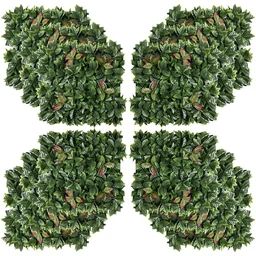
Plastic leaves, wires and small fasteners aren’t food. Check the decoration for sharp edges and loose parts. For puppies or dogs with a strong urge to chew, a plant-free area is still the safest option.
Find suitable pots, brackets and other solutions in the garden and plant accessories section. Choose products with a stable base and avoid wobbly planters that could tip over if knocked.
Pro tip
Photograph each plant and save its botanical name along with its location. In an emergency, this will help you identify what your dog may have eaten more quickly. Mark poisonous plants before bringing a new dog home, and remove them from frequently used rooms first.
How can you make your garden safe for dogs?
A dog-safe garden needs more than a fence. Dogs may find berries under hedges, dig up bulbs or pick up cut branches when you look away for just a moment. Divide the garden into areas for relaxing and areas for gardening.
Plan beds and paths safely
- Create a planting plan: Record poisonous shrubs, bulb plants, climbing plants and ground cover. Check neighboring properties too if branches or berries extend over the fence.
- Separate flower beds: A sturdy barrier prevents direct access. Secure it so your dog can’t move it or dig underneath.
- Check the ground: Remove fallen leaves, berries and flowers from paths every day. Check again after storms and heavy rain.
- Secure garden waste: Don’t leave branches beside the bed. Put them in a sealed container right away or dispose of them out of reach.
- Keep compost covered: An open compost pile may contain poisonous plant parts, bulbs and spoiled food. Use a lid your dog can’t pry open.
Don’t put flower beds with poisonous plants in your dog’s favorite spots. Leave a clear path and provide a shady place to rest with fresh water. This can make your dog less likely to explore the flower bed.
How can you secure a pond?
A pond presents two risks: your dog could eat poisonous aquatic plants or fall into the water. A pond net can keep leaves and plant parts out of the water and make it harder for your dog to access a small pond. The measures 3 x 6 meters and is tear-resistant and UV-stable.

This type of net isn’t strong enough to support a dog. Don’t rely on it to prevent falls or use it as a walkable surface. Tension and secure it according to the manufacturer's instructions, and add a sturdy fence around the pond if needed. Find more protective nets for your intended use.
What helps when pruning?
Wear gloves when handling unfamiliar plants, and keep your dog away while you work in the garden. Cut poisonous shoots directly into a bag and seal it. Sharp shears make clean cuts easier and reduce the time garden waste is left lying around.
The works as an all-purpose cutter for the home and garden. Store it safely after use. Find more solutions for plant care and pruning in the garden tools and garden equipment sections.

If you use pesticides, store them in a locked place and keep your dog away from the treated area until the stated waiting period has passed. Follow the application instructions in the plant protection section. Don’t put liquid products in bowls, watering cans or open buckets.
Additional advice
Keep your dog on a leash while you’re planting, or move it to another safe area. This helps protect your dog from plant poisoning and injuries from shears, thorns, fertilizer and open water.
What should you do if your dog eats a poisonous plant?
Stay calm and follow a clear sequence. Even if your dog initially appears normal, the effects of some plant toxins may be delayed. Don’t simply watch your dog for several hours without seeking professional advice.
These steps can help in an emergency
- Move your dog to safety: Take your dog away from the flower bed or room and prevent further ingestion.
- Identify the plant: Photograph the entire plant, including its leaves, flowers, fruit and packaging. The botanical name is especially helpful.
- Assess the exposure: Note the approximate amount eaten, the time and your dog’s body weight. Place any plant material or vomit in a bag.
- Call your veterinarian: Describe the symptoms and share any information you have. Follow their instructions carefully.
- Don’t give home remedies: Milk, oil, salt and medications given without veterinary advice can make the situation worse. Use activated charcoal only if your veterinarian instructs you to.
- Prepare for transport: If your dog has severe symptoms, call ahead and drive to an animal hospital or veterinary clinic. Keep your dog warm and calm, and secure them with a seat belt.
When does every minute count?
If your dog has trouble breathing, has a seizure, collapses, shows altered consciousness, trembles severely, seems unusually weak or has visible swelling in the mouth, go to an emergency animal hospital immediately. Don’t wait for symptoms if your dog has eaten yew, oleander, foxglove, autumn crocus, laburnum or sago palm.
Inducing vomiting isn’t always helpful. Sharp plant parts or irritating substances can cause additional injuries when brought back up. Let your veterinarian decide whether treatment should begin and how.
“Only induce vomiting on veterinary advice, as some substances can cause additional injuries when brought back up.”
A list of plants, secured flower beds and clear rules for garden waste can help protect your dog. Check new plants before buying them, and let your dog roam freely in the garden only after you’ve inspected the area.
Frequently Asked Questions
- Which plants are especially poisonous to dogs?
- Yew, oleander, foxglove, autumn crocus, laburnum, rhododendron, azalea and lily of the valley are especially dangerous. Dieffenbachia, philodendron and other houseplants can also cause symptoms. The risk depends on the species, plant part and amount eaten. Check every plant by its botanical name and keep unknown plants out of reach.
- How can I tell if my dog has plant poisoning?
- Early signs often include excessive drooling, lip licking, vomiting, diarrhea, mouth irritation and difficulty swallowing. Weakness, unsteadiness, trembling, seizures, breathing problems or an abnormal heart rhythm may follow. If symptoms appear after your dog chews on a plant, save a sample and call your veterinarian or an emergency animal hospital immediately.
- What should I do if my dog eats a poisonous plant?
- Carefully remove plant remnants from your dog’s mouth if you can do so safely. Photograph the plant, save any leaves or vomit, and note the time and estimated amount eaten. Contact your veterinarian or an emergency animal hospital immediately. Don’t give home remedies, and induce vomiting only if instructed to do so.
- How can I keep houseplants safe for my dog?
- Place poisonous plants out of reach or remove them entirely. Make sure hanging pots are securely fastened and keep fallen leaves out of reach. Also check potting soil, fertilizer and plant saucers. Choose known non-toxic alternatives and secure doors to rooms where plants are kept temporarily.
- Are artificial plants safe for dogs?
- Artificial plants don’t contain plant toxins, but dogs may swallow leaves, plastic parts, wires or fasteners. Use them only if they’re securely mounted and out of reach of dogs that chew. Check the edges regularly. If your dog swallows a piece, contact a veterinarian, especially if your dog is gagging, vomiting or has abdominal pain.
You may also be interested in
- How to Identify Poisonous Plants in the Garden: Practical Protection for Family and Pets
- Poisonous Plants for Cats: What to Consider in the Home and Garden
- Stay Safe Outdoors: The 10 Most Poisonous Garden Plants
- Poisonous Houseplants: What Are the Risks and How Can You Handle Them Safely?
- How to Identify and Avoid Poisonous Berries in the Garden
- Keeping Dogs at Home and in the Garden: Your Guide to Responsible Pet Care