
In brief: A tractor rear box greatly expands your tractor's transport capacity. In our test, models with a robust steel frame, well-balanced load distribution and practical mounting options perform best. Choosing the right size and design for your typical loads and your tractor's three-point linkage is crucial. Our comparison helps you find the right model.
A tractor rear box turns your tractor into a versatile transport vehicle. Whether you need to move crops, tools or farm supplies, the right model lets you handle these tasks efficiently and ergonomically. Our 2026 test and comparison shows what matters when choosing a model and which options prove themselves in practice.
Table of contents
What types and designs of tractor rear boxes are available?
Not every box is suitable for every task. The design largely determines how it can be used.
Classic box designs
These models feature a closed or partially open steel box. They are ideal for transporting loose materials such as soil, sand or crops. A fold-down or removable tailgate makes unloading with a tractor loader easier.
Flatbed and platform boxes
These models focus on providing a flat, robust loading area. They can transport pallets, large equipment or bulky materials. Raised side panels prevent the load from slipping. These boxes can often be covered with tarpaulins.
Specialised boxes
For specific requirements, there are solutions such as tank boxes for liquids, enclosed tool boxes or models with integrated push-off mechanisms. These are generally tailored more closely to the individual needs of a farm.
Tip: Consider whether you also want to use the box as a stationary storage container. Some models have folding support legs that allow them to stand securely without the tractor.
These buying criteria matter
Before choosing a model, you should check the following points.
Compatibility with the three-point linkage
This is the most important criterion. Check the category (I, II, etc.) and the required minimum lifting capacity. An incompatible box is unusable or dangerous. Find out more about the technology behind the three-point linkage.
Material and workmanship
The frame should be made from strong welded steel sections. Galvanisation or a high-quality powder coating protects against rust. Look for clean welds and sturdy connections.
Payload and volume
Choose the size realistically according to your needs. An oversized box is more expensive, heavier and puts unnecessary strain on the tractor. A model that is too small will force you to make frequent trips.
Functionality and accessories
Do you need a hydraulic tipping function? Would mounts for attachments be useful? Is the lighting already integrated? These extras increase convenience, but also the price.
Comparison of the best tractor rear boxes
This table shows the key data for the tested models in a direct comparison.
The highest-rated tractor rear boxes in our range compared directly:
| Model | Customer rating | Availability |
|---|---|---|
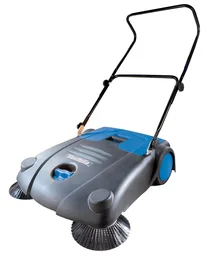
| Sweeper, 70 cm working width, 14 Liter dirt container 🏆 Test winner | ★ 4,6 (19) | In stock |
| Wide-angle rear window | ★ 4,8 (8) | In stock |
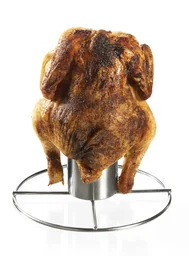
| Grilled chicken holder with aroma container, stainless steel | – | In stock |
| Fritz Göbel 38 L Flexible trough - Robust plastic feed container | – | Currently unavailable |
| Fritz Göbel blue calf collar with chain - Durable & Secure hold | – | Currently unavailable |
Safety and correct use in everyday work
A tractor rear box significantly changes the handling characteristics of your tractor. Observe the following points.
Always load the box evenly and keep the load close to the three-point linkage. A load positioned too far back can reduce the weight on the front axle and increase braking distance. Always secure your load with tie-down straps.
Warning: Never drive with an unsecured or overloaded box. The increased weight at the rear leads to a longer braking distance and less stable handling, especially when cornering or driving downhill.
Adjust your speed to the new driving conditions. Remember the greater overall length and larger turning circle when manoeuvring around the farm or in the field.
Care and maintenance for a long service life
With little effort, you can keep your tractor rear box in good condition for decades.
Clean the box regularly to remove dirt and moisture, especially after transporting salty materials or fertiliser. Periodically inspect the welds and connection points for cracks.
Lubricate all moving parts, such as tipping pivots and latches. Check the electrical wiring for the lighting for damage. Applying fresh paint to worn areas helps prevent rust.
Note: If possible, store the box in a dry place under cover. If that is not possible, at least place it on wooden blocks to prevent standing water from collecting on the base.
Suitable Products for Your Farm
In addition to the rear box itself, these products from our store can make your work easier.
For cleaning the farmyard, the is a practical addition. It helps you keep the loading area of your rear box and the work area clean.
Good rear visibility is essential when maneuvering a rear box. The expands your field of vision and improves safety.

For catering for your team or at farm events, the robust provides reliable service—even beyond its actual agricultural use.
Conclusion: How to Find the Ideal Tractor Rear Box
Choosing the right tractor rear box depends on your specific transport tasks and your tractor. Make compatibility with the three-point hitch your top priority. A robustly constructed model in the right size is an investment that will serve you for many years.
In our test, models that offer a good balance of stability, functionality and ease of use stand out. Use our comparison to weigh up the advantages and disadvantages. The right rear box can noticeably increase efficiency on your farm.
Frequently Asked Questions
- What are the advantages of a tractor rear box over a trailer?
- A tractor rear box offers significantly better agility and maneuverability in confined spaces because it is attached directly to the tractor. You do not need a separate trailer or hitch. Loading and unloading is often more ergonomic too, as you can access the box directly from the side or rear.
- What should I consider when choosing the size?
- First and foremost, consider the permissible gross weight and the loading volume required for the goods you typically transport. Compatibility with the lifting capacity and category of your three-point hitch is also crucial. A rear box that is too large puts unnecessary strain on the rear axle.
- Can I attach any tractor rear box to my tractor?
- No. You need to know the category of your three-point hitch (e.g. Cat. I or II) and check whether the rear box is designed for it. The tractor's required minimum lifting capacity and the available power supply for any hydraulic functions are also important compatibility factors.
- What material is best for a tractor rear box?
- For the frame, sturdy galvanized or powder-coated steel is the best choice. The body or box is often made from robust, weather-resistant sheet steel or durable plastic. Plastic is corrosion-free and lighter, while sheet steel offers maximum stability for heavy loads.
- Do I need special permits for use?
- Usually not for agricultural local transport on private roads or farm tracks. As soon as you drive on public roads, the requirements of the German Road Traffic Licensing Regulations (StVZO) apply. Make sure the lighting and reflectors work properly and that the permissible gross weights are observed.