
In brief: The right trailer hitch depends on your vehicle, the required tongue weight and how you plan to use it. Make sure it works with your vehicle’s electrical system, and have it installed professionally. In our 2026 comparison, we explain what to look for when buying a trailer hitch so you can tow safely and legally.
Planning to tow a trailer? Whether you need one for occasional hauling, a camping trip or regular use for work and hobbies, a reliable trailer hitch is essential. There are many models, wiring kits and accessories to choose from.
Our 2026 test and comparison makes it easier to choose. We explain the different types of trailer hitches, what to consider before buying and how specific products compare on vehicle fit, installation and safety.
Contents
- What types of trailer hitches are available?
- What should I look for when buying a trailer hitch?
- Our test and comparison
- Hitch installation: DIY or professional?
- Wiring and connectors: making the right connection
- How to care for your trailer hitch
- Conclusion: choosing the best trailer hitch for your needs
What types of trailer hitches are available?
Not all trailer hitches are the same. The right type can affect your vehicle’s comfort, safety and everyday practicality.
Fixed trailer hitches
These hitches are permanently bolted to the vehicle frame. They are sturdy, affordable and provide maximum stability. The main drawback is that the hitch ball remains visible at the rear of the vehicle. It can get in the way when parking and affect your vehicle’s appearance.
Detachable trailer hitches
These offer a good balance of convenience and appearance. After use, you can remove the hitch ball with the push of a button or a special wrench. The vehicle looks much as it did before installation, while the receiver stays hidden beneath the bumper. This is a popular option for everyday driving.
Swiveling and retractable trailer hitches
When not in use, swiveling hitches fold beneath the bumper or into an opening in the bodywork. They stay attached to the vehicle but are barely visible. Retractable hitches slide into special mounts beneath the vehicle floor and are a good fit when the rear of the vehicle is enclosed, as it is on many SUVs.
Tip: For most modern cars and SUVs, a detachable trailer hitch is a great choice. It’s practical when you need to tow and keeps a low profile for everyday driving.
What should I look for when buying a trailer hitch?
Before choosing a model, check a few technical details. They’re essential for safety and vehicle fit.
Tongue weight and towing capacity
Towing capacity is the maximum weight your vehicle is rated to tow. Tongue weight is the maximum downward force the trailer can place on the hitch ball. Check your owner’s manual or the vehicle manufacturer’s specifications for both ratings. Your new hitch must meet or exceed the vehicle’s ratings. A hitch with a higher tongue-weight rating than your vehicle allows is fine, but you must never exceed the vehicle’s limit.
Vehicle-specific fit
A trailer hitch is not a universal fit. Choose a model designed for your exact vehicle, model year and, where applicable, engine. This helps ensure the hitch is securely attached to the frame and does not interfere with parking sensors or the liftgate.
Electrical preparation
Modern vehicles often require a vehicle-specific wiring kit for towing. It controls the trailer lights and may also work with stability control (ESC) and other vehicle features, such as the rear wiper. Check whether your car is prewired or needs a separate control unit.
Important: Never exceed the maximum tongue weight or towing capacity listed in your vehicle’s documentation. Doing so may violate vehicle regulations and make you liable in the event of an accident. In the worst case, you could lose your insurance coverage.
The Big Test & Comparison
We took a close look at a range of trailer hitch kits and accessories, focusing on compatibility, installation instructions and overall usefulness.
Several suitable kits are available for owners of a FORD KUGA I built between 2008 and 2012. One key difference is often the model-year specification. The
is designed specifically for vehicles from model year 03/08 onwards, while the offers a similar option for the same period, although the fit or included parts may differ. Check the model-year specification carefully.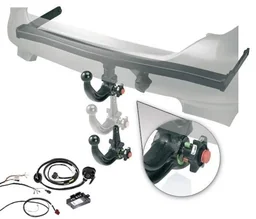
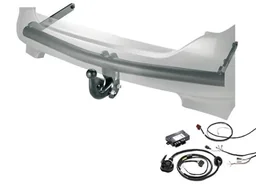
Along with the mechanical components, the electrical system is essential for safe operation. A high-quality socket, such as the
(13-pin with cut-off contact), offers important benefits. When no trailer is connected, the cut-off contact interrupts its power supply. This helps prevent corrosion on the plug pins and short circuits.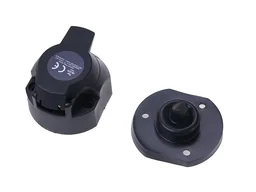
What if your trailer has an old 7-pin plug but your car has a 13-pin socket? An adapter is the answer. A
(long 13-to-7 adapter) lets you connect them. Choose a sturdy model with adequate strain relief for the cable.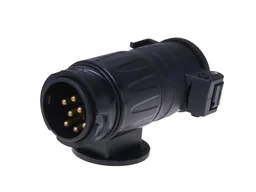
The comparison table below gives you a clear overview of the key features of the products mentioned, along with other relevant kits.
Our top-rated trailer hitches compared:
| Model | Customer rating | Availability |
|---|---|---|
| 12-volt plug, 13-pin | – | Currently unavailable |
| 13-pin plug | – | Currently unavailable |
| 13-pin socket with cut-off contact | – | Currently unavailable |
| Long 13-to-7 adapter | – | Currently unavailable |
| Towbar kit FORD KUGA I model year 03/08 -11/12 | – | Currently unavailable |
Note: Availability of specific kits may vary. Always use your vehicle identification number to check that your chosen kit is 100% compatible with your exact model. A call to a specialist dealer can help confirm compatibility.
Installation: DIY or a professional workshop?
Installing a trailer hitch is a demanding job. Weigh the potential savings against the safety considerations.
DIY installation if you have mechanical experience
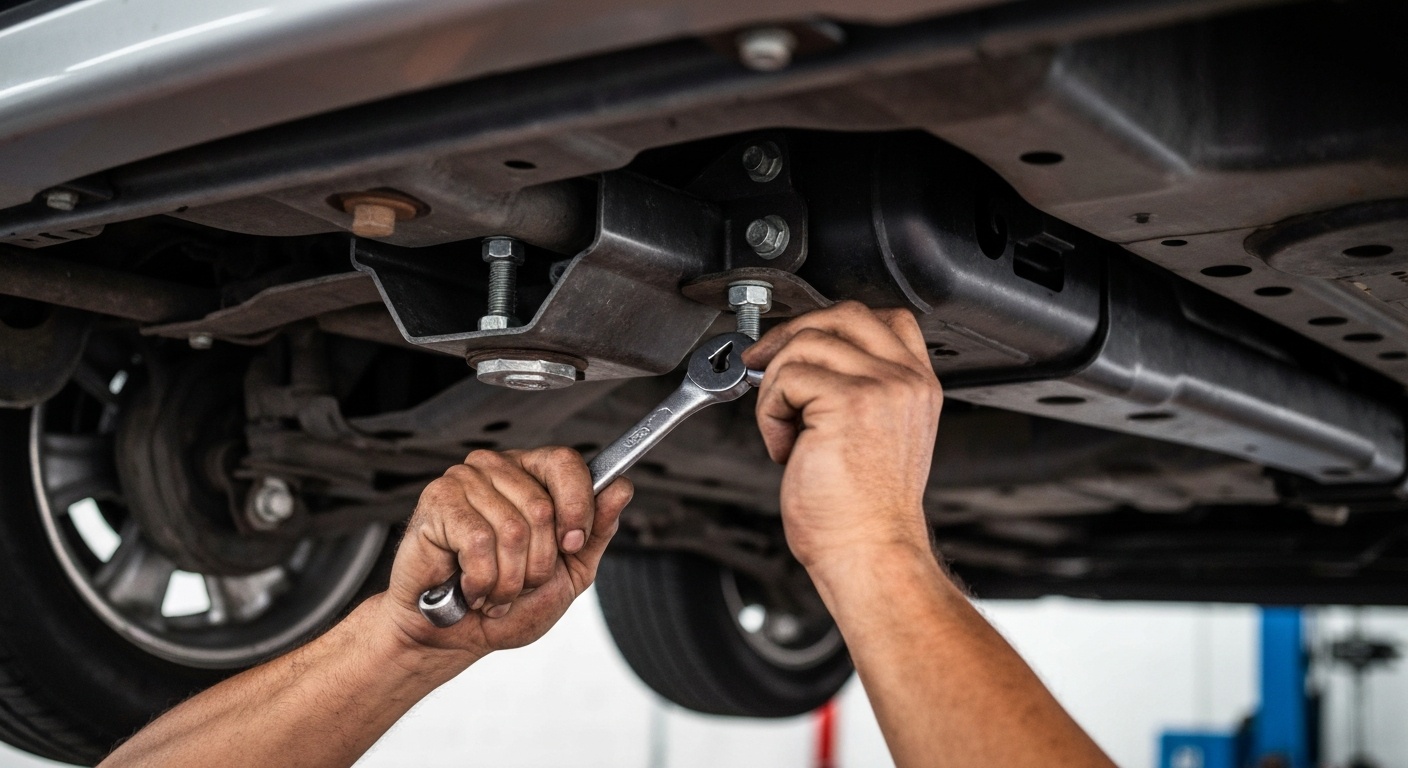
The right kit for your car usually comes with detailed instructions. With the right tools and practical skills, you can handle the mechanical work, including bolting the support structure to the vehicle floor. You’ll need to raise the vehicle securely and may have to remove parts of the underbody trim.
Electrical work: best left to the professionals
Have a specialist workshop handle the wiring. Technicians know the correct connection points for your vehicle’s electronics, route cables to protect them from short circuits and moisture, and program the control unit if needed. Incorrect wiring can cause costly damage to the vehicle’s electronics and affect its road approval.
Inspection by TÜV/Dekra
After installation, the trailer hitch must be recorded in the vehicle documents. The workshop will provide the paperwork needed for registration. Using the hitch without completing this step is illegal. A specialist workshop will usually take care of the process as part of the installation package.
Electrical systems and sockets: the vital connection
Working lights are essential for the safety of your car and trailer. The socket you choose makes a big difference.
7-pin vs. 13-pin: why the standard matters
The older 7-pin standard (ISO 1724) supports basic trailer lighting. The 13-pin plug (ISO 11446) is the European standard and supports all caravan functions, including a charging lead for the leisure battery, a refrigerator and a separate reversing light. We highly recommend the 13-pin version for new purchases.
Cut-off contact and protection rating
Quality sockets, such as the one mentioned, have a cut-off contact. Look for a high protection rating (at least IP54) to guard against splash water and dust. An integrated LED indicator that shows when the plug is correctly seated is a useful feature.
Adapters as a practical solution
Adapters are essential if you use different trailers or have older equipment. Choose a sturdy adapter with high-quality, corrosion-resistant contacts. A long adapter such as the one mentioned helps prevent the cables from kinking.
Care and maintenance for a longer service life
A trailer hitch is exposed to considerable wear and tear. A little care can keep it working reliably for years.
Tow ball and wear parts
Clean the tow ball regularly to remove dirt and road salt. Apply special tow ball grease before hitching up a trailer. This reduces wear and helps prevent squeaking. Check the mechanical parts regularly for cracks or significant rust.
Maintaining the socket and contacts
The electrical contacts in the socket and plug can oxidize over time. Keep the socket covered when it is not in use. Use a contact spray designed for automotive plug connections to maintain conductivity.
Regular visual inspection
Inspect the trailer hitch before every trip with a trailer. Are all locking pins secure? Is the tow ball firmly seated in its mount? Is the wiring undamaged? This quick check can significantly improve your safety.
Conclusion: The best trailer hitch for your needs
There is no one-size-fits-all trailer hitch. The right choice depends on your needs, your vehicle’s specifications and your budget.
For most modern cars, detachable systems offer an ideal balance of functionality and everyday practicality. Invest in a high-quality, vehicle-specific kit from a reputable manufacturer. The higher purchase price can pay off through durability, a precise fit and easier installation.
Don’t forget the wiring. Include the cost of having the trailer connector and, if needed, a control unit professionally installed in your budget. A 13-pin connector with a cutoff function is the recommended standard today.
Finally, decide whether to install the trailer hitch yourself or have it professionally fitted. If you’re unsure about your skills, especially when it comes to the wiring, a specialist shop is always the safer and often more cost-effective option in the long run.
With the right trailer hitch and proper installation, you can safely and reliably expand your vehicle’s capabilities. A well-planned, properly installed trailer hitch system will serve you for years and countless miles.
Frequently Asked Questions
- What tongue weight do I need for my trailer?
- The required tongue weight depends on your trailer’s gross weight. As a general guideline, 50 kg is often sufficient for lightweight trailers up to 750 kg. For heavier combinations or travel trailers, choose a trailer hitch rated for 80 kg, 100 kg or more. Your vehicle’s paperwork lists the permitted tongue weight.
- Can I install a trailer hitch myself?
- You can install the mechanical parts of a detachable trailer hitch yourself if you have the necessary skills. However, you should always have the wiring installed by a specialist shop. This helps ensure the brake lights and turn signals work correctly and prevents costly damage.
- What’s the difference between a 7-pin and a 13-pin connector?
- A 7-pin connector is sufficient for a trailer’s basic lights (turn signals, brake lights and taillights). The 13-pin version is the standard in Europe and is needed for all the functions of a caravan or trailer with a refrigerator, reverse light or separate battery charging. It’s the recommended choice today.
- Do I need approval to install a trailer hitch?
- A trailer hitch must be listed in your vehicle’s paperwork. Most new vehicles have one available with individual approval (EC type approval). Retrofitted trailer hitches require an individual operating permit from TÜV or Dekra. Your specialist shop can handle these formalities.
- What’s the difference between a swiveling and a detachable trailer hitch?
- You can remove a detachable trailer hitch after use to preserve your vehicle’s appearance or help prevent theft. Swiveling models fold underneath the bumper when not in use. Fixed trailer hitches stay permanently installed and are often the most affordable option, but also the most noticeable.