
In brief: You can remove roots from pipes with a product such as Wurzel-Weg, which kills roots inside the pipe without harming the tree. Pour the granules into the toilet and flush. For best results, apply overnight and repeat once or twice a year as a preventive treatment.
A gurgling kitchen drain. A toilet that flushes slowly. Water pooling in the shower. These everyday nuisances often have a common cause hidden beneath your yard: tree roots. In search of water and nutrients, roots can grow into sewer pipes, causing costly clogs and damage. Before calling an expensive emergency plumber, try an effective solution you can use yourself.
The good news is that you can tackle the problem at its source without digging up your entire yard. Targeted treatment stops root growth and helps keep wastewater flowing freely. The key is a powerful product such as Wurzel-Weg. It treats existing roots in the pipe and helps prevent new growth—simply and effectively.
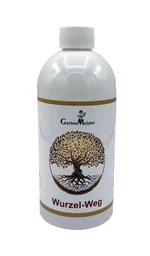
Table of contents
- How can I tell if there are roots in my drain pipe?
- Understanding the cause: Why do roots grow into pipes?
- How to remove roots from pipes: 5 expert tips
- What should I do if home remedies no longer work?
How can I tell if there are roots in my drain pipe?
Root problems develop gradually. The first signs are often subtle, but they become more noticeable over time. If you spot one or more of these symptoms, take action before a complete clog forms.
- Slow-draining water: This is the most common early warning sign. If several drains in your home are affected, the problem is probably in the main sewer line.
- Gurgling sounds: If you flush the toilet and hear gurgling from the shower or sink, trapped air in the plumbing may be to blame. Roots narrowing the pipe keep water from draining smoothly and can cause these sounds.
- Unpleasant odors: A foul, sewage-like smell may rise from the drains. Debris caught on the roots starts to decompose and causes the odor.
- Recurring clogs: You cleared the drain with a plunger or drain snake, but the problem comes back a few weeks later. This may point to a stubborn obstruction, such as a mass of roots.
- Changes in the yard: Sometimes you can spot signs of the problem above ground. An unusually green, lush patch of lawn may indicate a leaking pipe. Nutrient-rich wastewater can escape and attract roots.
Most people don't notice the problem until water is already pooling in the basement. But gurgling and slow drainage can be warning signs for weeks beforehand. Acting early can save you a lot of trouble and expense.
Understanding the cause: Why do roots grow into pipes?
Trees and large shrubs are always looking for three things: support, nutrients and, above all, water. Sewer pipes can provide all three. Roots aren't naturally aggressive; they're opportunistic. They follow the path of least resistance toward any source of moisture.
The process starts at tiny weak points in the pipe system. Older pipes made of clay or concrete can develop hairline cracks over time, especially where pipe sections join. Warm, damp air and small amounts of water escape through these cracks. The sensitive tips of tree roots detect the moisture and grow toward it.
Important note
Don't ignore the problem. A small root that enters a pipe can grow into a dense mass in just a few years. The roots can block the drain and eventually crack the pipe, causing pipe failure and expensive excavation work.
Once a root tip finds its way inside, it can grow rapidly. The pipe provides an ideal environment: constant moisture and a steady supply of nutrients. The root branches out, thickens and gradually fills the pipe. Toilet paper and other solids get caught in the roots, completing the clog.
Remove Roots from Pipes: 5 Pro Tips for DIY
You've spotted the signs and know that roots are the cause. Now it's time to act. With the right approach, you can tackle the problem yourself and help prevent it from coming back.
Tip 1: Use Wurzel-Weg for chemical root removal
The simplest, most direct way to treat roots in your pipes is with a chemical product. Products such as Wurzel-Weg are designed specifically for this problem. This crystalline salt mixture works in two ways: it draws moisture from roots inside the pipe, causing them to die and decompose. It also acts as a herbicide, helping prevent regrowth in the treated area for an extended period.
Application is straightforward. Pour the recommended amount of granules into the toilet closest to the problem area, then flush once. The active ingredients travel through the pipes and settle on the root mass, where they work over several hours. The main advantage is that the tree in your yard remains unharmed because the treatment acts locally on the roots inside the pipe.
Pro tip
For best results, apply Wurzel-Weg late in the evening before bed. That gives it time to work in the pipes overnight without being diluted by more toilet flushes or shower water. Longer contact time helps maximize effectiveness.
Tip 2: Clear the drain mechanically first
If the drain is already severely narrowed or almost completely blocked, chemical treatment alone may not restore water flow right away. In this case, start with mechanical cleaning. A drain auger can bore through the blockage and reopen the main drain.
However, don't treat mechanical cleaning as a permanent fix. It removes only part of the root growth. Any roots left in the household drain pipe system can grow back quickly. The best approach is to combine both methods: restore water flow mechanically, then use Wurzel-Weg to treat any remaining root material and help prevent regrowth.
Tip 3: Apply preventative treatments regularly
Roots are persistent. If your property has trees and your pipes are getting older, root intrusion can be a recurring problem. A one-time treatment addresses the immediate issue, but the underlying cause—the tree and leaks in the pipe—remains. That's why prevention matters.
Make preventative treatment with Wurzel-Weg part of your annual routine. One application in spring and another in late fall are generally sufficient. This helps stop new, fine roots from becoming established inside the pipe. Regular treatment can keep your system clear and help prevent the problem from returning.
Additional advice
Check your local regulations for using chemical drain cleaners, especially if your property is connected to a small wastewater treatment system. Wurzel-Weg generally breaks down quickly in the soil, but it's always a good idea to check first.
Tip 4: Keep an eye on your surroundings
Take a close look around your yard. Which trees and large shrubs are near the route of your wastewater pipes? Some species are known for aggressive, shallow root systems, including willows, poplars, birches and maples. Identifying potential troublemakers can help you assess the problem.
When adding plants or planning future garden equipment projects, keep them several metres away from underground pipes. If a particularly troublesome tree keeps causing serious damage, removing it may be worth considering.
Tip 5: Protect and repair pipes for the long term
The tips so far address the symptoms. The best long-term solution is to tackle the cause: leaks in the pipe. Modern sewer pipe systems made from plastic (KG pipes) have smooth surfaces and welded or push-fit seals that are highly resistant to root intrusion.
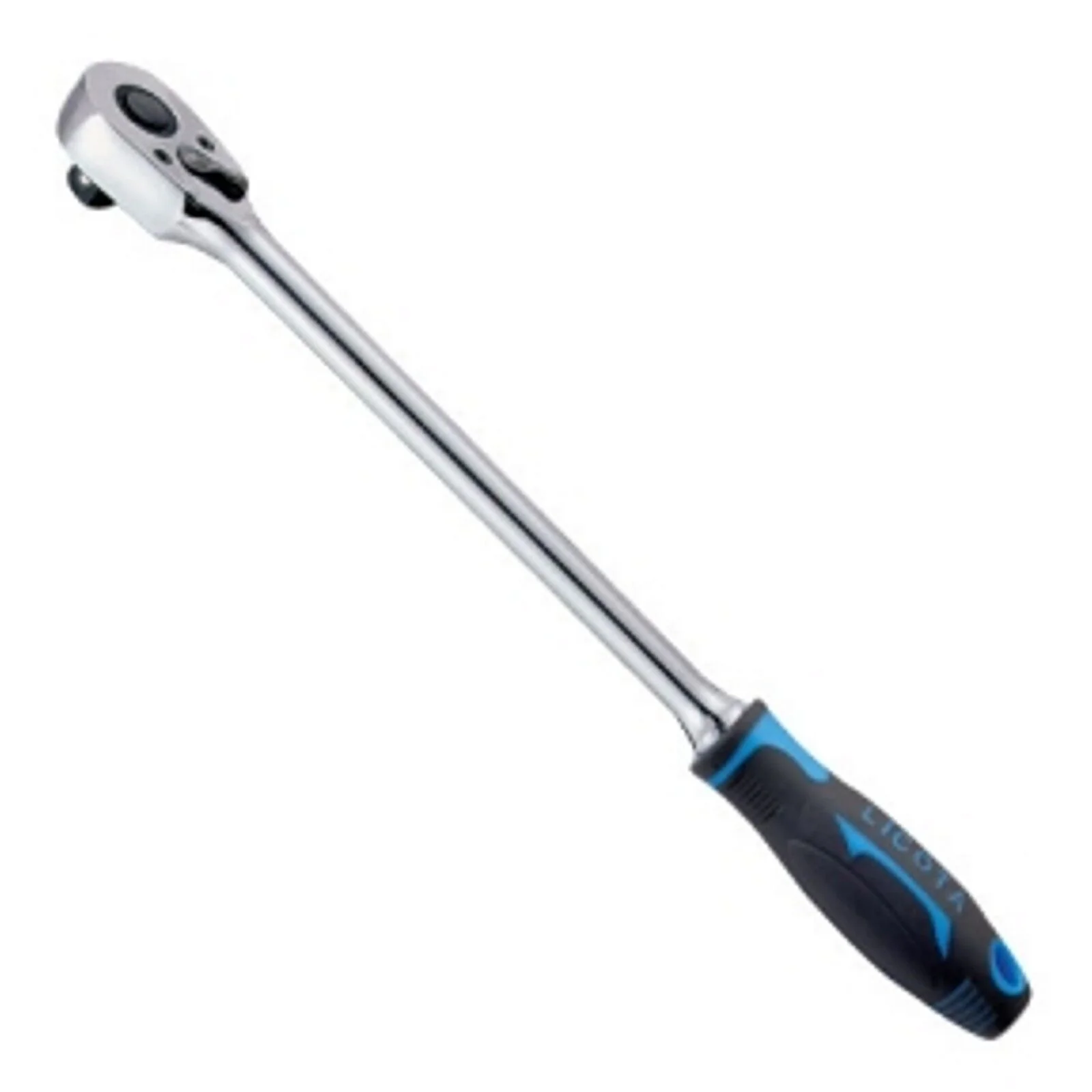
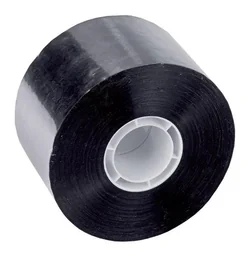
A full replacement can be expensive, but sometimes it's unavoidable. Smaller repairs to exposed pipes or connections often call for specific tools. A sturdy professional ratchet is essential for tightening many fasteners on brackets and connections. Special aluminium adhesive tape can help protect plastic pipes from damage or conduct heat. These measures help keep your pipe system in good condition.
What should you do when home remedies stop working?
DIY methods have their limits. If water won't drain at all, a serious backup is imminent, or you suspect the pipe has already broken, call a professional drain cleaning company. Don't delay: wastewater damage in your home can cost far more than a professional service call.
Professionals have specialized equipment:
- Drain inspection camera: This lets professionals inspect the pipe's condition and determine how far the roots have spread.
- High-pressure water jetting: High-pressure water flushes roots and buildup out of the pipe.
- Electromechanical cutters: Rotating cutting heads cut roots out of the pipe.
Prevention is everything. One container of Wurzel-Weg a year costs very little compared with an emergency service call involving a camera and cutting machine, which can quickly run several hundred pounds. Prevention saves money in the long run.
Roots in your pipes are a serious problem, but there's no need to panic. Watch for warning signs, use effective products such as Wurzel-Weg as directed, and follow a regular preventative routine to stay in control. You'll help keep your drains flowing freely and protect your property's value from costly damage.
Frequently asked questions
- Will Wurzel-Weg harm the tree in my yard?
- No. Wurzel-Weg targets only the roots that have already grown into the pipe. It deprives them of water, causing them to die. The rest of the tree remains unharmed because the product works locally.
- How often should I use Wurzel-Weg?
- For a minor, immediate problem, use it as directed. To prevent roots from growing back, we recommend applying it once or twice a year, ideally in spring and fall. This helps stop new, fine roots from growing in the first place.
- Can I use Wurzel-Weg in any type of pipe?
- Yes. Wurzel-Weg is suitable for all common pipe types, including plastic (PVC, HT), concrete, vitrified clay, and cast iron. It does not damage pipe materials; it works exclusively on organic roots.
- My drain is completely blocked. Will Wurzel-Weg still help?
- If your drain is completely blocked, first clear it mechanically with a drain snake to restore a minimal flow. Wurzel-Weg can then break down the remaining root residue and help prevent regrowth.
- What are the first signs of roots in a drainpipe?
- Common early signs include gurgling drains, slow-draining water in the toilet or shower, and recurring blockages that only clear temporarily. Unpleasant odors can also be a sign.
You may also be interested in
- Roots in your pipes? How to spot them and clear them fast
- Wurzel-Weg: How to remove roots from pipes—step-by-step instructions
- Wurzel-Weg: Seasonal pipe protection—when to use it
- Clogged drain? Effective home remedies and expert tips
- Clogged toilet? How to fix it and prevent future clogs
- Keep roots out of your pipes: 5 effective methods and instructions