
In brief: Effective udder care combines cleaning, disinfection and aftercare. In our test, specialist dermatitis blockers and iodine teat dips proved particularly reliable for prevention. Robust spray nozzles are suitable for mechanical cleaning. The right choice depends on farm size, milking hygiene and specific risks.
Healthy udders are the basis for profitable milk production. Systematic care prevents mastitis and safeguards milk quality. Our 2026 test and comparison shows you which products really deliver. We assess teat dips, blockers and essential accessories. This helps you find the right solution for your cattle farming.
Table of contents
Why is udder care important?
Udder diseases cost you real money. They lead to lower yields, treatment costs and possible culling. Proper care is not optional but essential. It protects animal health and your income.
The three pillars of udder health
Every effective strategy is based on three key areas.
- Cleaning: Removes coarse dirt before milking.
- Disinfection: Kills germs during and after milking.
- Care: Supports the skin's natural protective barrier.
Our test examines products for all three areas.
The best udder care products in the test
We took a close look at teat dips, blockers and accessories. The products were assessed in real-world conditions. Here are the results.
The most reviewed udder care products from our range in a direct comparison:
| Model | Customer rating | Availability |
|---|---|---|
| Alfa sight glasses for milking systems - clear visibility & performance | – | Currently unavailable |
| Gilmour spray nozzle - ideal for garden and farm work too | – | Currently unavailable |
| Demotec Easy Bloc 12-pack: Economical hoof care for multiple treatments | – | Currently unavailable |
| Dermatitis blocker, 20 kg | – | Currently unavailable |
| Dermatitis blocker, 200 kg | – | Currently unavailable |
Excellent blockers for lasting protection
Blockers form a protective film on the teat. The (dermatitis blocker, 20 kg) impressed in the test. Its creamy consistency adheres very well. It does not dry out, providing protection for hours. The 200 kg version is also an option for larger farms . The smaller 5 kg pack is suitable for trial applications or small herds.
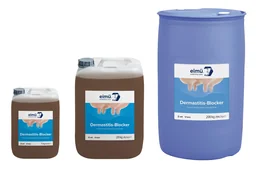
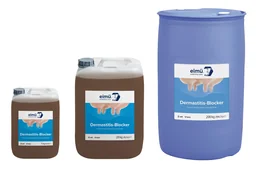
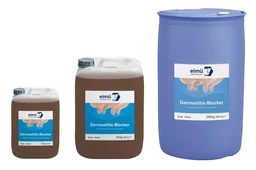
Tip: Always apply blockers completely and in a thin layer. A thick film cracks more quickly and loses its protective effect.
Effective iodine-based teat dips
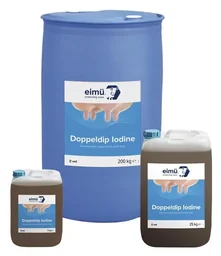
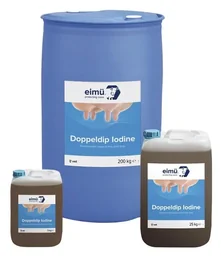
Iodine is a proven active ingredient. (Double Dip Iodine, 200 kg) delivers very good and rapid germ-reducing results. The color indicates complete coverage. For medium-sized farms, (25 kg) is a practical pack size.
Durable accessories for cleaning
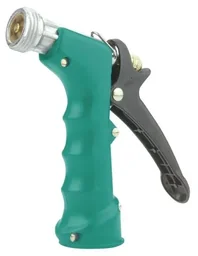
Pre-cleaning is essential. The (Gilmour spray nozzle) is durable and versatile. Its spray pattern can be adjusted and is gentle enough for the udder. For monitoring in the milking parlor, (Alfa sight glasses) are indispensable. They provide a clear view of the milk flow.

How do we test?
Our comparison is based on practical criteria. We assess more than just data sheets.
- Effectiveness: Does the product reliably reduce germs?
- Handling: Is it practical to use in everyday work?
- Material compatibility: Is the product gentle on teat skin?
- Cost-effectiveness: How much product is needed?
- Compatibility: Does it work with my milking system?
These factors give you a reliable basis for making your decision.
Important: Do not keep switching between different care products. Every change stresses the udder's skin flora. Find a suitable system and stick with it.
Buying guide: What you need to look for
Choosing the right product depends on your conditions. Answer these questions before buying.
How large is your farm?
The pack size should suit your herd. Bulk packs are cheaper per unit, but you need suitable storage and dosing options. Smaller packs are more flexible.
Which milking method do you use?
Automatic milking systems have different requirements from herringbone parlours. Check compatibility with your milking system.
Are there specific problems in your herd?
If somatic cell counts are elevated or certain pathogens are present, you may need special active ingredients. Analyse the situation carefully.
Note: Cheap products are often expensive. A lower active ingredient concentration or poor adhesion leads to higher consumption and more illness. Always calculate the cost per cow protected per day.
Application: Practical tips
The best product is useless if applied incorrectly. Follow a strict routine.
- Clean the udder with lukewarm water and a clean spray nozzle.
- Dry each udder thoroughly with a single-use paper towel.
- Milk the cows using clean, well-maintained equipment.
- Dip or spray each teat end completely immediately after milking.
- Allow the film to dry undisturbed.
Regularly check the teat skin for cracks or dryness.
Hygiene in the milking circuit
Udder care is only one part of the process. Overall milking hygiene must be right. This includes cleaning the milking equipment, clean barns and healthy animals. Sight glasses help you identify problems in the system at an early stage. Invest in a comprehensive strategy for your farming operation.
The role of sight glasses
Sight glasses such as the Alfa models tested are early warning systems. They show whether air is entering the line or residues are building up. This helps prevent vacuum fluctuations that could damage the udder.
Conclusion
Investing in high-quality udder care always pays off. In the test, mastitis blockers and iodine teat dips prove to be strong partners for prevention. Combine them with reliable accessories such as robust sprayers and inspection sight glasses. Choose a pack size that suits the size of your farm. This protects your animals effectively and safeguards your milk quality. A healthy udder is the best foundation for your success.
Frequently Asked Questions
- How often should I dip the teats?
- You should dip the teats after every milking. This consistent post-milking treatment seals the teat canal and prevents germs from entering. It is the only way to achieve reliable protection against new infections.
- What is the difference between a blocker and a teat dip?
- A teat dip primarily disinfects the teat end after milking. A blocker such as the Dermastitis Blocker also forms a longer-lasting film. This provides mechanical protection and releases active ingredients continuously.
- Can I use a normal spray nozzle to clean the udder?
- No. Use special udder sprayers. They have a gentle spray and often an ergonomic shape. The Gilmour sprayer shows in the test that it is also suitable for farm work without becoming blocked.
- Which pack size is suitable for my farm?
- The size depends on the size of your herd. For smaller herds, packs such as 5 kg or 25 kg are cost-effective. For large herds, bulk packs such as 200 kg are worthwhile for reducing costs and effort.
- Why are sight glasses important for udder care?
- Sight glasses such as those from Alfa give you direct control over your milking system. You can identify contamination or air bubbles immediately. This is essential for hygienic milk production and helps prevent udder problems.