
In brief: Your heating bill is divided into fixed costs (30-50%) and consumption-based costs (50-70%). Check meter readings, heat cost allocators and the billing period. Save immediately by ventilating correctly, bleeding radiators and lowering the temperature at night. In the long term, insulation and modern thermostats can help.
Understand Your Heating Bill: How to Save
The annual heating bill often raises questions. We explain how to read the individual items, identify errors and reduce your costs in the long term. With practical tips for immediate and long-term measures.
How do I read my heating bill?
Your bill is divided into two main sections. The first shows the total costs for heating and hot water in the building. The second section allocates these costs to the individual flats.
Look at the allocation keys. Heating costs consist of 30 to 50 percent fixed costs. These are allocated according to floor area. The remaining 50 to 70 percent are consumption-based costs.
Heat cost allocators on your radiators are crucial for these consumption-based costs. Check whether the device numbers on the bill match the numbers on your radiators.
“Consumption-based billing is required by law. It creates transparency and offers the greatest potential for saving. Everyone can see directly how their behaviour affects costs.”
Check these items
Compare your own meter readings with the figures stated on the bill. Record the readings from your heat cost allocators yourself once a year.
Check the billing period. Do the start and end dates match the calendar year? Pay attention to the allocation keys for heating and hot water. They may be different.
Important note
You have twelve months to object to your heating bill. This period begins when you receive the bill. If you spot obvious errors, contact your landlord or property management company in writing.
Why are my heating costs so high?
High costs often have several causes. An outdated boiler operates inefficiently. Uninsulated heating pipes in the basement lose heat. A lack of hydraulic balancing leads to uneven heat distribution throughout the building.
Your own usage habits also play a major role. Permanently tilted windows in winter heat the street. Radiators covered by furniture or long curtains cannot release heat properly.
The billing method also affects the total. In buildings with many long-term tenants or little modernisation, the overall costs are often higher. Your consumption-based share then increases accordingly.
Identify hidden cost factors
Air in the heating system is a classic cost factor. If a radiator gurgles, the heating water is not circulating properly. The radiator does not get fully warm, even when the thermostat is turned all the way up.
Leaky windows and doors allow heat to escape. Draughts force you to turn the thermostats up higher. Old, non-programmable thermostats do not regulate the temperature precisely.
The heating system’s night-time setback is often not configured optimally. It runs at too high a flow temperature at night. This uses unnecessary energy.
How can I save heating costs immediately?
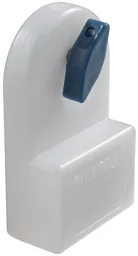
Start by bleeding your radiators. You need a radiator bleed key and a container. Switch off the heating pump. Open the valve on the radiator until only water comes out.
Our makes bleeding radiators especially easy and quick. You save energy immediately because your radiators can work at full capacity again.
Expert tip
Ventilate correctly. Turn the radiator thermostats to the frost protection setting (star symbol) while ventilating. Open the windows fully for five minutes. This replaces the air without allowing the walls to cool down.
Lower the room temperature. Every degree lower saves around six percent on heating costs. 20 to 21 degrees is sufficient in living rooms. 16 to 18 degrees is enough in the bedroom.
Use the night-time setback. Modern thermostats regulate this automatically. Consistently lower the temperature at night and when you are away.
Practical measures for everyday life
Pull back long curtains. Do not place large pieces of furniture directly in front of radiators. Heat needs to circulate freely around the room.
Seal leaky window frames. Special draught-proofing tape from a DIY store helps prevent draughts. Close shutters and curtains at night. They provide an additional insulating layer.
Dust your radiators regularly. A thick layer of dust acts as insulation. Heat output is reduced. In the Garden + Outdoor section, you will find useful accessories for home maintenance.
“Up to 15 percent of heating energy is lost through uninsulated heating and hot-water pipes. Insulating the pipes in the basement is often paid back within one heating season.”
Which long-term investments are worthwhile?
Programmable thermostats are a worthwhile investment. They control the temperature according to a schedule. They automatically turn the heating down when you sleep or are away from home.
Reflective foil behind radiators directs heat into the room. It prevents energy from being lost through the external wall. Installation is simple and the effect is noticeable immediately.
Hydraulic balancing by a heating engineer optimises the entire system. Each radiator receives exactly the amount of water it needs. This saves pump energy and balances out temperature differences.
Additional advice
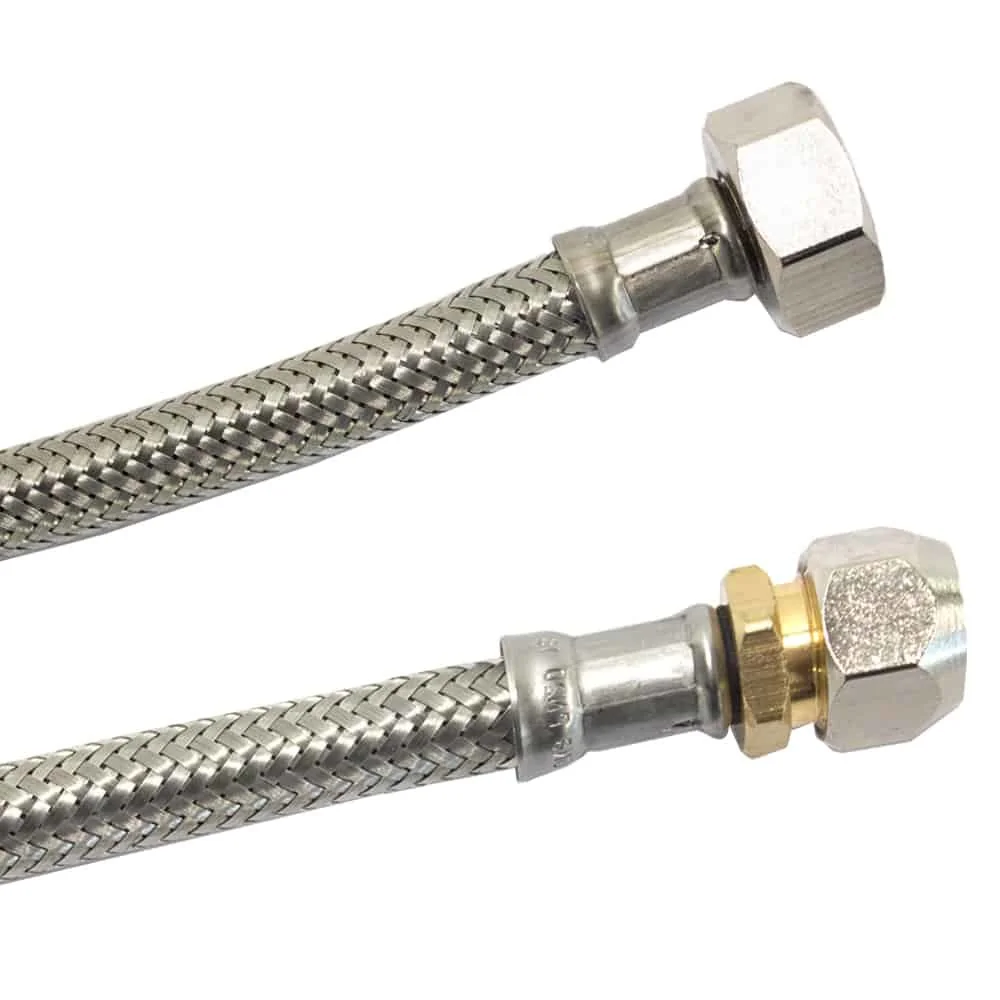
Suitable tubes and insulation materials are ideal for insulating pipes in basements or unheated rooms. Our , a stainless steel braided hose, is suitable for drinking water and robust enough for many applications.
Insulation and modern technology
Insulating the top-floor ceiling or basement is a major but worthwhile measure. It significantly reduces heat loss. Government grants support investments like these.
Modern condensing boilers use heat from the flue gas. They are significantly more efficient than old standard boilers. Replacing the boiler is one of the most effective ways to reduce heating costs.
For heating and garden work, you can find suitable accessories such as hoses and connectors in our Hoses category.
How do I protect my heating system outdoors?
Heating and water pipes in unheated garden sheds or garages must be protected from frost. Insulation sleeves prevent them from freezing. Drain unused pipes before winter.
Frost protection heaters for utility rooms switch on automatically. They keep the temperature just above freezing. This protects the system without using much energy.
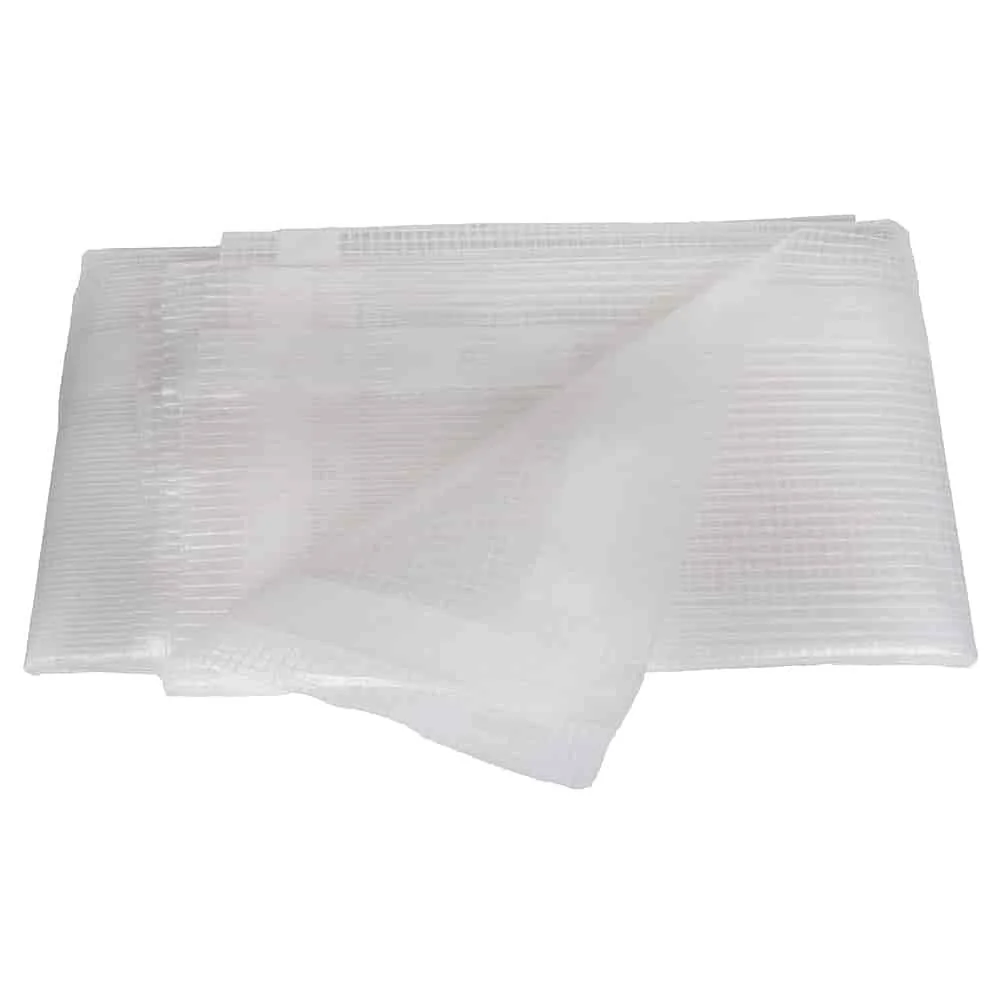
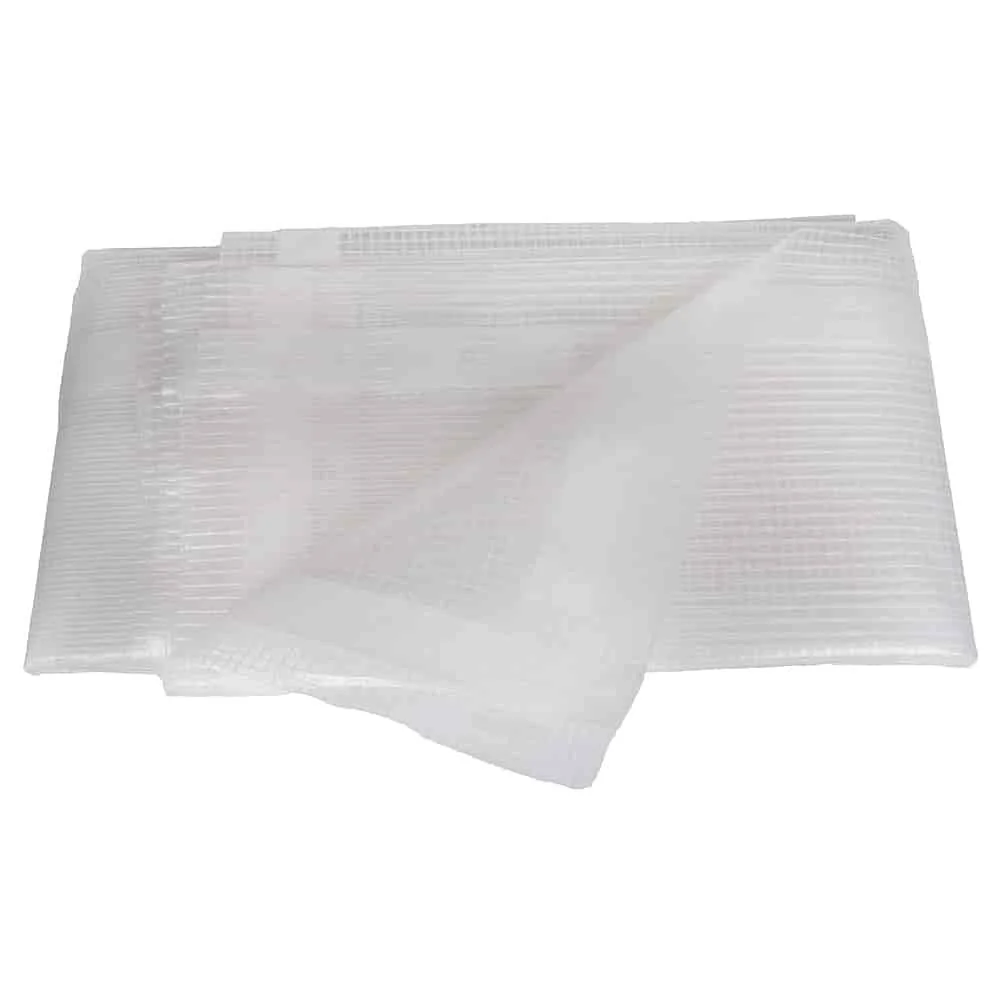
Heavy-duty tarpaulins are suitable for covering outdoor units or storage areas. Our transparent cover tarpaulins , and are tear-resistant, UV-resistant and waterproof. They reliably protect equipment in the garden.

Preparing for the heating season
Have your heating system serviced regularly. A professional cleans the burner, checks the flue and optimises the settings. This maintains efficiency and helps prevent costly repairs.
Check the pressure in the heating system. The pressure gauge should be in the green zone. If the pressure is too low, you need to top up the heating water.
Do not turn your radiators off completely in summer. Leave them on the frost protection setting. This prevents corrosion inside the system.
Save on heating costs with a smart home
Smart heating control starts with wireless thermostats. They let you control each radiator individually from anywhere using an app. The system learns your habits and adjusts the heating times.
Window sensors are an ideal addition to the system. When you open a window, the sensor automatically switches off the heating in that room. This prevents energy from being wasted.
Integration with weather services is possible. The heating responds to falling outdoor temperatures before the room gets cold. This maintains comfort and avoids peak loads.
Use energy monitoring
Modern systems display your consumption in real time. You can immediately see which measures are working. The data helps you optimise your usage habits further.
Alerts warn you about open windows when the heating is on. They report unusually high consumption. This makes you more aware of energy-guzzling appliances.
The system can be combined with other devices. Lower the heating in the living room when you start a home cinema session. The lights dim automatically. This creates a seamless, efficient overall system.
For all your home and garden projects, you will find the right products and more inspiration in our extensive shop.
Frequently Asked Questions
- How are heating costs calculated on the bill?
- Heating costs consist of basic costs (30-50%) and consumption costs (50-70%). Basic costs cover fixed expenses such as maintenance and are often allocated according to floor area. Consumption costs are based on the readings from your radiators. Using less energy directly reduces this part of the bill.
- What can I do if my heating bill is too high?
- First, check the meter readings and billing period for errors. Make sure all radiators have been properly bled. A professional hydraulic balancing service optimises heat distribution. Lowering the room temperature by 1 degree saves around 6 percent of energy.
- How can I save on heating without getting cold?
- Lower the temperature at night to 16-18 degrees. Air the rooms briefly several times a day for 5 minutes with the thermostats closed. Bleed radiators that are making gurgling noises. Use programmable thermostats. Seal draughty windows. These measures reduce consumption without reducing comfort.
- Do I need to check my heating bill?
- Yes, checking it is essential. Compare your own meter readings, the numbers on the heat cost allocators and the total costs charged. Errors in transferring or allocating data do happen. If anything is unclear, request an itemised, usage-based breakdown from your landlord or property management company.
- Which products can help me save on heating costs?
- A radiator key removes air from the heating system. Programmable thermostats control the temperature as needed. Window sealing tape prevents draughts. Reflective foil behind radiators directs heat into the room. You can find these products in our shop.
You may also be interested in
- Understanding heating costs: The heating cost guide for efficient heating
- Reduce heating costs: Effective tips for saving energy
- Heat your home efficiently and save energy: Tips for your home
- Save on heating costs: How to set your thermostat correctly
- Reduce heating costs: How to bleed and use radiators correctly
- Replace a radiator thermostat and reduce heating costs