
In brief: Yes, human urine is a highly effective, sustainable fertilizer. It contains the key nutrients nitrogen, phosphorus and potassium in a form plants can readily absorb. However, you need to follow clear hygiene and dilution rules to avoid health risks and prevent damage to plants.
Urine as Garden Fertilizer: Sustainable and Effective?
The idea is nothing new, but it is gaining attention in modern, environmentally conscious gardens: using human urine as a fertilizer. It closes a nutrient cycle right at home. But does it really work safely?
Let’s look at the facts without romanticizing them.
What makes urine a potential fertilizer?
Urine is a liquid waste product that contains excess nutrients. A healthy adult excretes enough nutrients each year to provide the equivalent of around 25 kg of commercial mineral fertilizer. Its value lies in its composition.
Fresh urine is around 95 percent water. The remaining five percent contains valuable components, mainly urea, salts, minerals and trace elements.
The nutrient balance: NPK in detail
Plants need three main nutrients: nitrogen (N), phosphorus (P) and potassium (K). Urine supplies them in a ratio that benefits plants.
- Nitrogen (N): The main component. Urine contains around 4-9 grams of nitrogen per liter, mainly in the form of urea. Plants need nitrogen for leaf growth and chlorophyll production.
- Phosphorus (P): Readily available in urine, phosphorus supports the plant’s energy supply as well as flower and fruit production.
- Potassium (K): Important for water balance, stability and resilience.
Compared with many store-bought liquid fertilizers, urine has a high nutrient concentration, and plants can use its nutrients directly.
“Urine is an almost ideal liquid fertilizer. Its nutrient composition is roughly equivalent to that of a commercial all-purpose fertilizer, but without the energy-intensive production and packaging.”
How do you apply urine safely in the garden?
The details matter. Applying it correctly determines whether your plants thrive or suffer fertilizer burn.
The golden rule: dilution is essential
Pure urine has such a high salt and nitrogen content that it can literally burn plant roots. The standard dilution is 1:10: mix one part urine with ten parts water.
For sensitive plants or frequent weekly feeding, use a dilution of 1:15 or 1:20. Water the mixture around the roots, not over the leaves.
Important note
Only use urine from healthy people who are not taking medication. Antibiotics, painkillers and hormone medications can enter the garden’s nutrient cycle. If in doubt, don’t use it.
Storage and hygiene
Fresh urine from a healthy person is virtually free of germs. Storing it can further reduce any potential pathogens. Pour it into a sealable container and leave it for four to six weeks.
During this time, urea breaks down into ammonia and the pH rises sharply. This process reduces potential pathogens. Keep the container in a cool, dark place. With the lid closed, odors should be minimal.
Which plants benefit most?
Plants have different nutrient needs. Heavy feeders are ideal candidates for urine fertilizer.
- Tomatoes, peppers and eggplants: They need plenty of nitrogen for growth and potassium for fruit development.
- Cabbage varieties (broccoli, cauliflower and kale): Urine can meet their high nutrient needs.
- Corn and zucchini: These fast-growing plants make good use of nutrients.
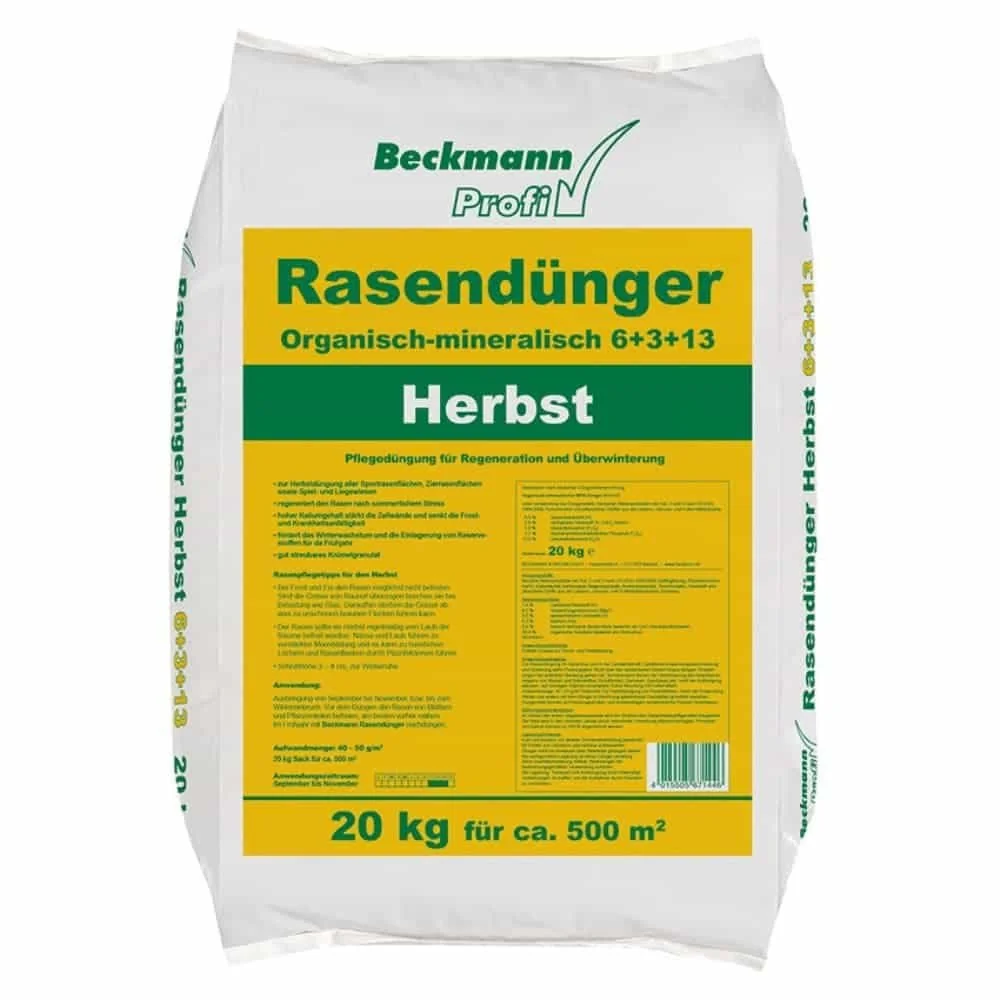
- Lawns: Diluted urine can fertilize your lawn and encourage green growth. For balanced fall fertilizing, with less nitrogen and more potassium, a specialty fall lawn fertilizer such as our is often a better choice.
Additional advice
For sensitive plants, start with a very weak solution, such as 1:20. Watch how they respond over several days. Yellow or wilting leaf edges can indicate over-fertilizing or insufficient dilution.
Plants that are unsuitable for urine
Avoid using urine fertilizer on salt-sensitive plants such as strawberries or on young seedlings. It’s also unsuitable for bog plants such as rhododendrons and blueberries, which need acidic soil, because urine becomes alkaline during storage.
Take particular care with root vegetables such as carrots and radishes, as well as soft fruit eaten raw. For hygiene reasons, use other fertilizers for these crops.
The sustainability balance: a clear winner?
From an ecological perspective, using urine as fertilizer has clear benefits. It is a locally available, free resource that would otherwise need energy-intensive treatment at a wastewater plant.
There is no need to transport or package it. You can also reduce your purchases of mineral or organic fertilizers, which require resources to produce.
“Recycling nutrients from human excretions is a key element of future circular agricultural systems. Collecting and reusing urine separately is a practical first step.”
Still, urine is not a universal solution. On its own, it may not fully meet your garden’s phosphorus and potassium needs. Combining it with other organic fertilizers, such as compost, can help.
Practical tips for everyday gardening
Would you like to try it? Here’s how to incorporate the method safely into your gardening routine.
Equipment required
You don’t need sophisticated equipment. Use a sealable canister or a large, dark plastic container to collect and store the urine. A simple watering can works well for applying it.
A spreader can help you distribute fertilizer evenly over larger areas or lawns. Browse our range of garden tools for practical helpers for every task.
Pro tip
Only mix diluted urine in the watering can just before watering. This helps prevent odors from developing in the can. Apply it in the late afternoon or on overcast days to minimize evaporation.
The right time to fertilize
Fertilize only during the main growing season, from April to August. Apply the mixture to selected plants every two to four weeks. Additional nitrogen fertilization is neither necessary nor recommended in fall and winter.
Choose a day after a rain shower, when the soil is already moist. This helps nutrients soak in and reduces the risk of fertilizer burn.
Alternative organic fertilizers for your garden
Urine is a radical, but not the only sustainable option. A healthy mix of different methods often makes your garden more resilient.
- Compost: The foundation of any organic fertilization plan. It improves soil structure and provides nutrients that are released slowly.
- Nettle liquid fertilizer: A classic source of nitrogen that must be diluted in a similar way to urine.
- Comfrey liquid fertilizer: Particularly rich in potassium, making it ideal for fruiting plants.
- Ready-made organic fertilizers: They offer a guaranteed nutrient composition and are easy to use. For lawns, our (20 kg fall lawn fertilizer) provides a perfectly balanced combination of nutrients for the cold season.
Observing your plants is crucial. Yellow leaves, poor growth or pale fruit indicate a nutrient deficiency that you can address specifically.
Conclusion: A niche tool with potential
Using urine as fertilizer is an effective, highly sustainable method for certain areas of the garden. It is particularly suitable for gardeners who want to consistently embrace circular principles and are not squeamish about it.
The method does not replace all other forms of plant care. It is one component. For most hobby gardeners, combining compost, liquid fertilizers and carefully selected organic or mineral fertilizers remains the most practical way to achieve a healthy garden.
Whichever method you choose, the right tools make the work easier. A robust (Wonder Shears) helps when cutting back plants fertilized with liquid fertilizer or after harvesting. For transporting your harvest or fertilizers, a sturdy bag such as the (Liewood organic cotton tote bag) is a sustainable and practical choice.


Experiment responsibly, start small and learn from how your garden responds. This is how you can find your own balance for lush growth.
Frequently Asked Questions
- Is urine suitable as fertilizer for all plants?
- No. Heavy-feeding plants such as tomatoes, cabbage and sweet corn benefit the most. It is unsuitable for salt-sensitive plants, young seedlings or certain houseplants. When in doubt, always dilute it heavily.
- How do I dilute urine correctly to avoid burning my plants?
- Mix urine with water at a ratio of 1:10 (one part urine to ten parts water). For sensitive plants or frequent use, a dilution of 1:20 may be more suitable. Never use it undiluted.
- What hygiene risks are associated with using urine as fertilizer?
- Fresh urine from healthy people is virtually free of germs. Risks may arise from pathogens or medication residues. Never fertilize when you have a fever or are taking medication, and do not use urine on root vegetables or berries that will be eaten raw.
- Can I use urine on my lawn?
- Yes, diluted urine is suitable as a lawn fertilizer and promotes growth. Make sure it is distributed evenly to avoid patches. For targeted nutrient supply in fall, a special fall lawn fertilizer is a good choice.
- How should I store urine for fertilizing, and does it smell?
- Store urine in sealed, dark containers for 4-6 weeks. The conversion of urea into ammonia raises the pH value, which reduces pathogens. The smell is minimal in a sealed container. Make sure the area is well ventilated when applying it.
You may also be interested in
- Pelletized organic cattle manure: The best fertilizer for your garden?
- Coffee grounds as fertilizer: Use them effectively and sustainably
- Compostable cat litter: Dispose of it sustainably in the garden
- Garden fertilizer: Which fertilizer is right for your plants?
- Organic horse manure: Natural power for your garden
- Sustainable gardening trends: Redesign your organic garden