
In brief: A successful front yard pairs great curb appeal with easy care. Perennials such as coneflowers and lavender come back year after year, while a fragrant lilac shrub adds a focal point and lasting structure. Clean bed lines and a thoughtful plant selection help keep upkeep to a minimum.
Planning a front yard makeover: How to map out your before-and-after project
An uninviting front yard can detract from the whole house. Overgrown lawn edges, a lone leftover conifer, or drab gravel often take center stage. A fresh look doesn't require clearing everything out; a thoughtful plan can bring in structure and color.
Perennials and a lilac shrub make a great foundation. Perennials return reliably each year and fill out over time. As a fragrant specimen plant, lilac adds a distinctive accent. Start by taking stock of what you already have.
Consider the sunlight, soil quality, and existing features you want to keep. Then sketch out the new bed shapes. Clean, flowing lines feel more modern than lots of small, whimsical islands.
Pro tip
Take photos from every angle before you start. These “before” pictures can keep you motivated as you work and document the transformation afterward. Mark out the planned bed edges with sand or a garden hose to see how the shapes look in your yard.
Build the foundation: Soil and edging
Prepare the soil before planting. Remove all weeds, roots and all, then loosen the soil deeply with a garden fork. Improve heavy clay soil with sand and sandy soil with compost.
For a tidy look and less upkeep, define the bed edges. Flexible lawn edging, such as the
, creates a clean divide between the bed and lawn. It keeps grass from spreading into the perennials and gives the design a crisp outline. Install the edging before you plant.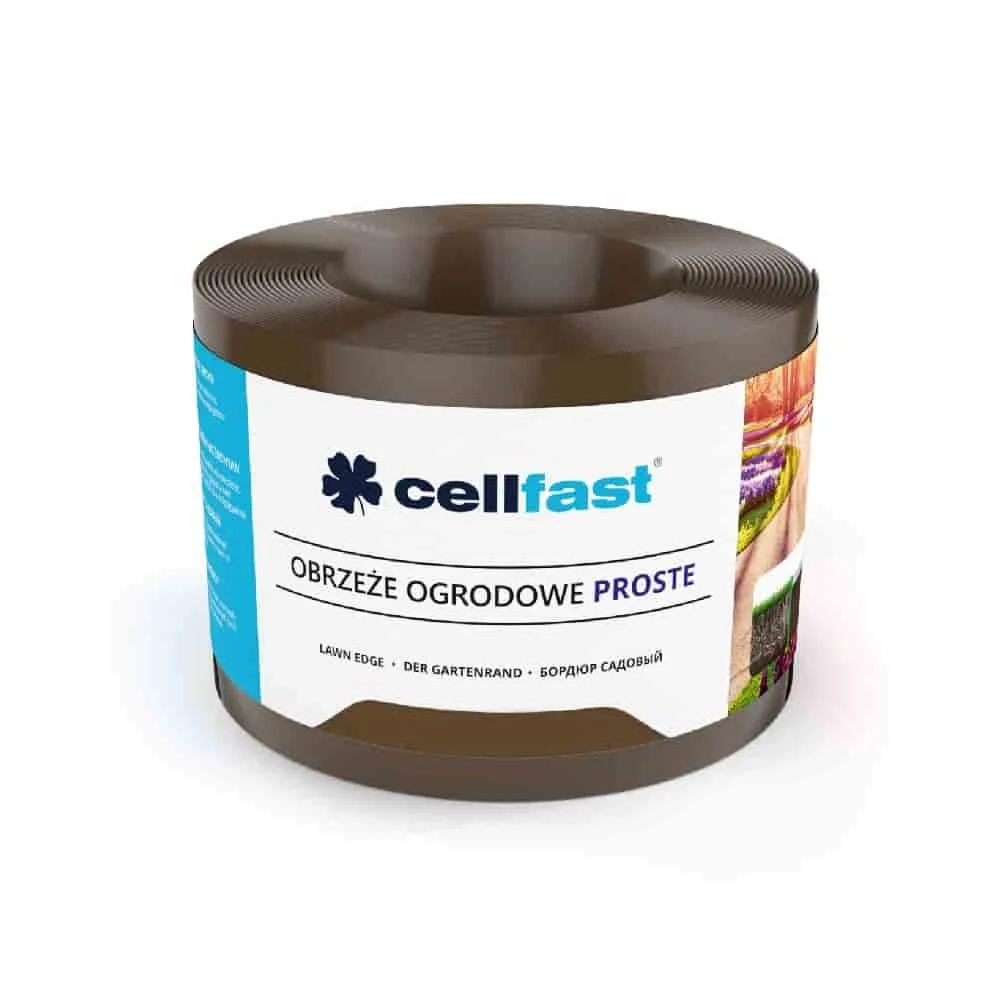
Which perennials are best for a low-maintenance front yard?
Your plant choices affect both the upkeep and the overall look. Hardy, long-lived perennials that tolerate sun and dry spells are ideal. Choose plants that grow in dense clumps to crowd out weeds and look good for as long as possible.
Repeat a few colors throughout the garden for a cohesive look. Classic combinations include blue shades with lavender and delphiniums, balanced with white or yellow accents. The 'Leuchtstern' coneflower
is an excellent choice. Its bright yellow flowers bloom from July through October and attract bees.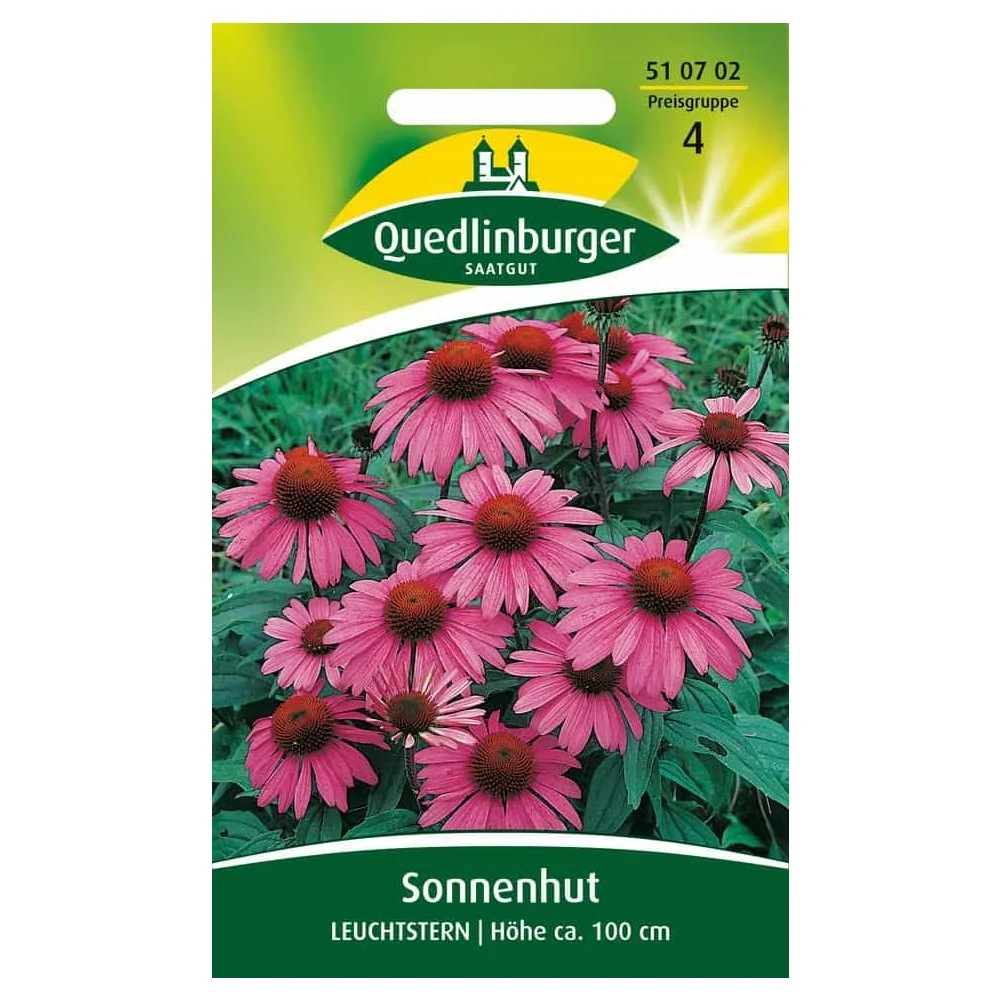
“In modern front yards, foliage and structural plants are becoming increasingly important. Pair flowering perennials with ornamental grasses such as feather reed grass or evergreen bergenias for year-round interest.”
Plant low-growing perennials at the front of the bed. Catmint, calamint, and mat-forming bellflowers create beautiful groundcover. Sage, coreopsis, and yarrow work well at medium heights. Taller perennials such as sneezeweed and phlox stand out at the back.
Important note
Avoid invasive perennials that spread aggressively, including Japanese knotweed and goldenrod. Ask your local garden center about well-behaved, clump-forming varieties. Check plant labels for mature height and width to prevent spacing problems later.
Planting and caring for perennials
Plant perennials in groups of three or five of the same variety. Group plantings look more natural and make a stronger impression than a mix of single plants. Follow the recommended spacing to give each plant room to grow.
Water perennials thoroughly after planting and during dry spells for the first few weeks. Once established, most of the varieties mentioned can get by on rainfall. In spring, cut back old stems close to the ground and add a little compost if needed.
Why is lilac an ideal shrub for the front yard?
Common lilac (Syringa vulgaris) offers more than a nostalgic fragrance. As a medium-sized shrub or small tree, it gives a front yard instant height and structure. Its lush flower clusters bloom in May in shades of lilac, white, or pink, making them a standout sign of spring.

Lilac is hardy and easy to grow. It prefers a sunny spot with well-drained soil that isn't too acidic. Once established, it handles dry conditions well. For small front yards, choose compact varieties such as 'Sensation' or 'Madame Lemoine'.
“Remove faded lilac flowers as soon as the shrub finishes blooming. This prevents the plant from putting energy into seeds and encourages it to form new flower buds for next year. Prune to rejuvenate the shrub in late winter.”
Plant lilac as a focal point in a prominent spot, such as beside the entrance or in a corner. Its upright shape contrasts with a spreading perennial bed. Pair it with perennials that bloom later to keep the garden interesting after the lilac flowers fade.
How to plant and prune lilac
Dig a generous planting hole and loosen the soil at the bottom. Plant the lilac at the same depth it was growing in its container. Backfill with the soil you removed, firm it gently, and water thoroughly. A layer of mulch helps retain moisture.
The main pruning task is to remove faded flower clusters as soon as they finish blooming. Cut them back to the next healthy side shoot. Every three to five years, remove old, overgrown stems close to the ground to rejuvenate the shrub.
Additional advice
To give all your garden plants the nutrients they need, including container plants by the entrance, keep a quality fertilizer such as the
on hand. Specialty fertilizers are formulated for specific plants and needs, unlike all-purpose fertilizers.
How can I combine perennials and lilac effectively?
The key is to combine height, bloom times, and texture. Plant the lilac at the back or in the center of the bed. Arrange perennials around it in graduated heights, with the shortest plants along the edge.
Consider the order in which plants bloom. Before the lilac flowers, lungwort and Omphalodes verna can add interest. While the lilac is in bloom, ornamental alliums and early-blooming cranesbills make lovely companions. After the lilac finishes flowering, coneflowers, sneezeweed, and Japanese anemones take center stage.
Play with leaf shapes, too. The lilac's heart-shaped leaves contrast beautifully with the fine, feathery foliage of lady's mantle or the slender stems of ornamental grasses. These combinations keep the garden interesting even after the flowers fade.
Low-maintenance finishing touches: mulch and paths
After planting, mulching is one of the most important steps toward a low-maintenance front yard. A layer of bark mulch or wood chips about five centimeters thick covers the soil. It suppresses weeds, retains moisture, and gives the bed a finished look.
Plan for access, too. A narrow, straight path made of stepping stones or bark mulch to the front door or mailbox protects your plants. Practical accessories such as a tiered trolley with frame can also help you move materials during your makeover.
Before and after: Three specific design ideas
Picture a narrow front yard at a townhouse that once had only a lawn and a thuja hedge. After the makeover, the hedge is gone. Plant a white lilac in front of the house. In front of it, create a flower bed with yellow coneflower (), blue delphinium, and silvery curry plant. A lawn edge () frames the bed.
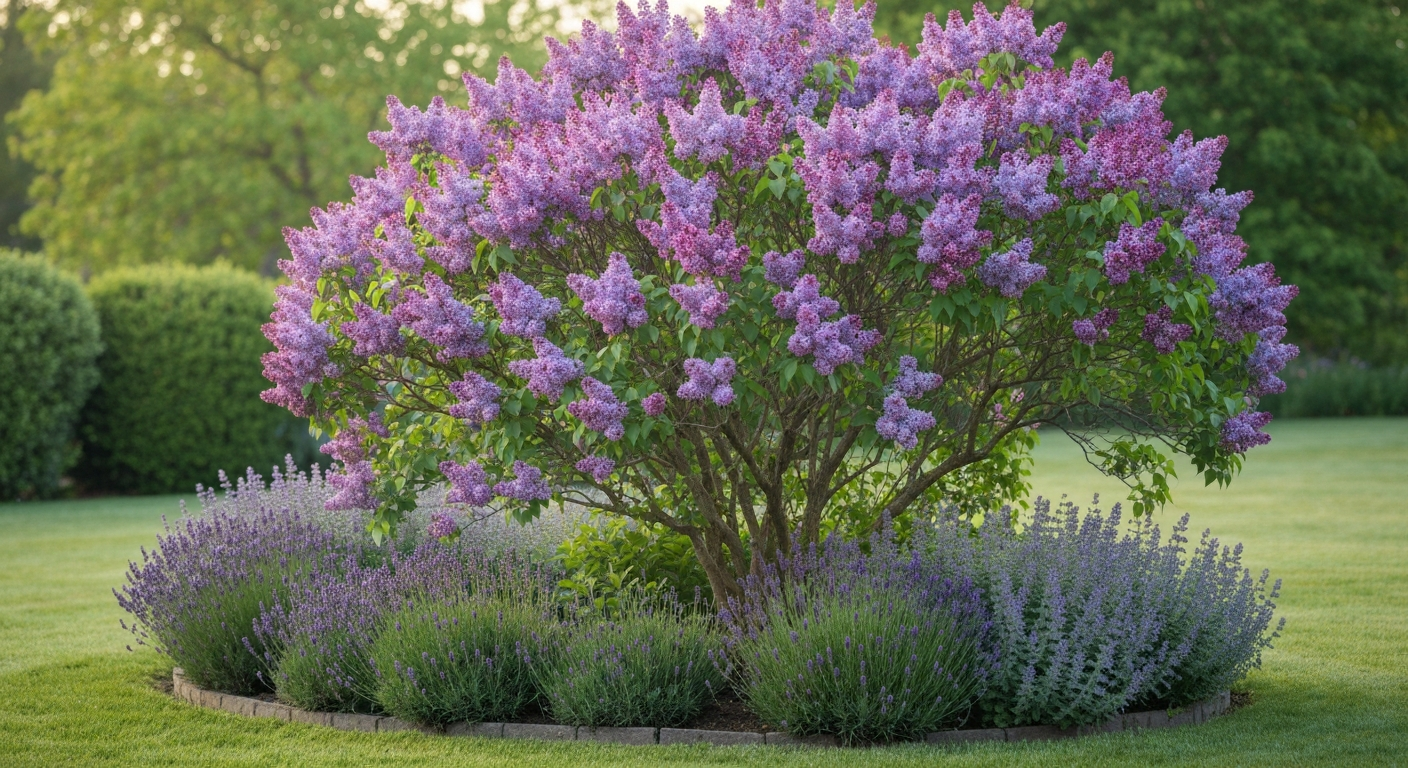
For a second scenario, imagine a large, sunny front yard with a gravel area and a few specimen rose bushes. Keep some of the gravel as a design feature and plant a compact lilac in the center. In deep beds edged all around with flexible lawn edging, plant drought-tolerant perennials such as lavender, sage, and gaura.
The third idea is for a shady, north-facing front yard. Lilac isn't a good choice here. Instead, plant an ornamental maple. Fill the perennial bed with shade-loving plants such as hostas, barrenwort, and bergenias. Here, too, crisp edges and mulch create a neat, low-maintenance foundation.
Long-term care for your new front yard
Most of the work comes in the first year. Water regularly and pull weeds as they appear. From the second year on, the workload drops significantly. The perennials become established and shade the soil.
Annual maintenance means cutting back the perennials in late winter and deadheading the lilac after it blooms. Every few years, divide overgrown clumps of perennials to rejuvenate them. Check the bed edging and secure it again if needed.
With this approach, you can turn your front yard from a problem area into an attractive, vibrant welcome to your home. The before-and-after transformation will impress you and your neighbors. Start planning for spring or fall, when the soil is easy to work.
Frequently Asked Questions
- Which perennials are easiest to care for in a front yard?
- Hardy, drought-tolerant perennials such as coneflower (Rudbeckia), cranesbill (Geranium), catmint (Nepeta), and lavender are ideal. They need little water, thrive in full sun, and suppress weeds with their dense growth. Simply cut back the dead foliage in spring.
- How do I plant a lilac in my front yard?
- Choose a sunny spot with well-drained soil. The planting hole should be twice as wide as the root ball. Plant the lilac at the same depth it was growing in its container. Water thoroughly after planting and cover the soil with mulch. Prune it once a year after flowering to maintain its shape.
- How do I create a modern, low-maintenance front yard?
- Modern front yards feature clean lines and a limited range of plants. Define flower beds with simple lawn edging. Choose a few types of perennials and repeat them in groups, pairing them with evergreen plants for structure, such as boxwood balls or ornamental grasses.
- How much does a complete front yard makeover cost?
- Costs vary widely depending on the size of the project and the materials you choose. For a small front yard, budget 300-600 euros for soil preparation, simple bed edging such as PRODUCT_10852, soil, mulch, and 15-20 perennials, including lilac. Larger projects that involve paving cost considerably more.
- How do I prevent weeds in a perennial bed?
- Dense planting is the best way to prevent weeds. Fill gaps with ground covers such as barrenwort. After planting, apply a 5-7 cm layer of bark mulch to suppress germination and retain moisture. Weed regularly at first, until the perennials fill out.