
In brief: The right flow temperature is key to efficient heating, and it’s often lower than you might think. Modern condensing boilers with underfloor heating need just 35-45°C. Older radiators may need 50-70°C. Lower the temperature gradually by 1-2 degrees and check that the rooms stay warm. Each degree lower can save around 6% on energy.
Set Your Heating Flow Temperature and Save Energy
Your heating flow temperature directly affects your energy bills. Many homes use water that’s hotter than necessary, driving up costs and increasing environmental impact. With the right approach, you can optimize your heating system and improve energy efficiency throughout your home.
We’ll show you how to adjust the temperature to improve heat distribution while maintaining home comfort. Follow these practical steps to find the right setting.
What is heating flow temperature?
Flow temperature is the temperature of the heating water as it leaves the boiler. The hot water travels through pipes to your radiators or underfloor heating, where it releases heat and cools down.
The cooled water then returns to the boiler. The difference between the flow and return temperatures is important for efficiency. A low return temperature means more heat has been released into the room.
“Flow temperature is the main control for a heating system’s efficiency. It’s often 10 to 20 degrees higher than necessary.”
Why is the right setting so important?
A flow temperature that’s too high wastes energy. The boiler heats the water more than necessary, making radiators extremely hot and causing rooms to overheat quickly.
You then have to turn down the thermostatic valves, which can lead to inefficient stop-and-start operation. The heating system keeps cycling, increasing energy use. Modern condensing boilers also work most efficiently at lower temperatures.
Important note
Only change your heating settings if you’re confident you know how. If you’re unsure, consult a qualified heating professional. Incorrect settings can cause frost damage or make your home uncomfortably cold.
How different heating systems are affected
Different systems need different temperatures. Underfloor heating works at 35 to 45 degrees Celsius because its large surface area transfers heat effectively.
Older radiators with a smaller surface area may need 55 to 70 degrees. Modern panel radiators usually fall somewhere in between. Your heating system determines how much you can save. Find suitable heating pipe insulation in our category.
How do I find the right flow temperature?
Take a systematic approach. Make a note of the boiler’s current setting, then lower the flow temperature gradually by one or two degrees.
Over the next two days, check whether every room still reaches a comfortable temperature, especially on cold days. Repeat the process until you find the lowest setting that keeps your home warm.
Pro tip
Don’t set the “night setback” too aggressively. If you lower the temperature too much overnight, the system may need a higher flow temperature in the morning to warm the house again. A steady, lower baseline temperature is usually better.
How the heating curve works
The heating curve adjusts the flow temperature based on the outdoor temperature. It sets a higher temperature in severe cold and a lower one in mild weather. A flatter heating curve is usually more efficient.
You don’t have to adjust the curve in a straight line. Often, lowering the whole curve slightly is enough. Modern heating systems can optimize this setting automatically.
Steps to adjust the setting
1. Find your boiler’s control panel. It’s often a digital display with menu buttons.
2. Open the settings for the heating flow temperature or heating curve.
3. Lower the target temperature by two degrees.
4. Check the temperature in every room the next day.
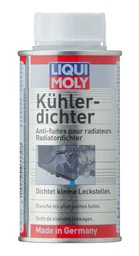
Products such as Radiator Sealant can help fix leaks that reduce your system’s efficiency. A leak-free system is the foundation for any optimization.
More ways to optimize your heating system
Flow temperature is just one factor. To improve your home’s overall energy efficiency, combine several measures. Start by bleeding your radiators. Air in the system can interfere with heat distribution.
Next, check the system’s hydraulics. Are all the radiators heating evenly? If not, you may need hydraulic balancing to set the optimal water flow for each radiator.
“Hydraulic balancing is one of the quickest-payback investments in heating technology. It can cut heating costs by another 10-15%.”
Insulating pipes and radiators
Uninsulated heating pipes in unheated areas, such as a basement, lose heat unnecessarily. This artificially lowers the return temperature and reduces boiler efficiency. Insulate these pipes with suitable pipe insulation.
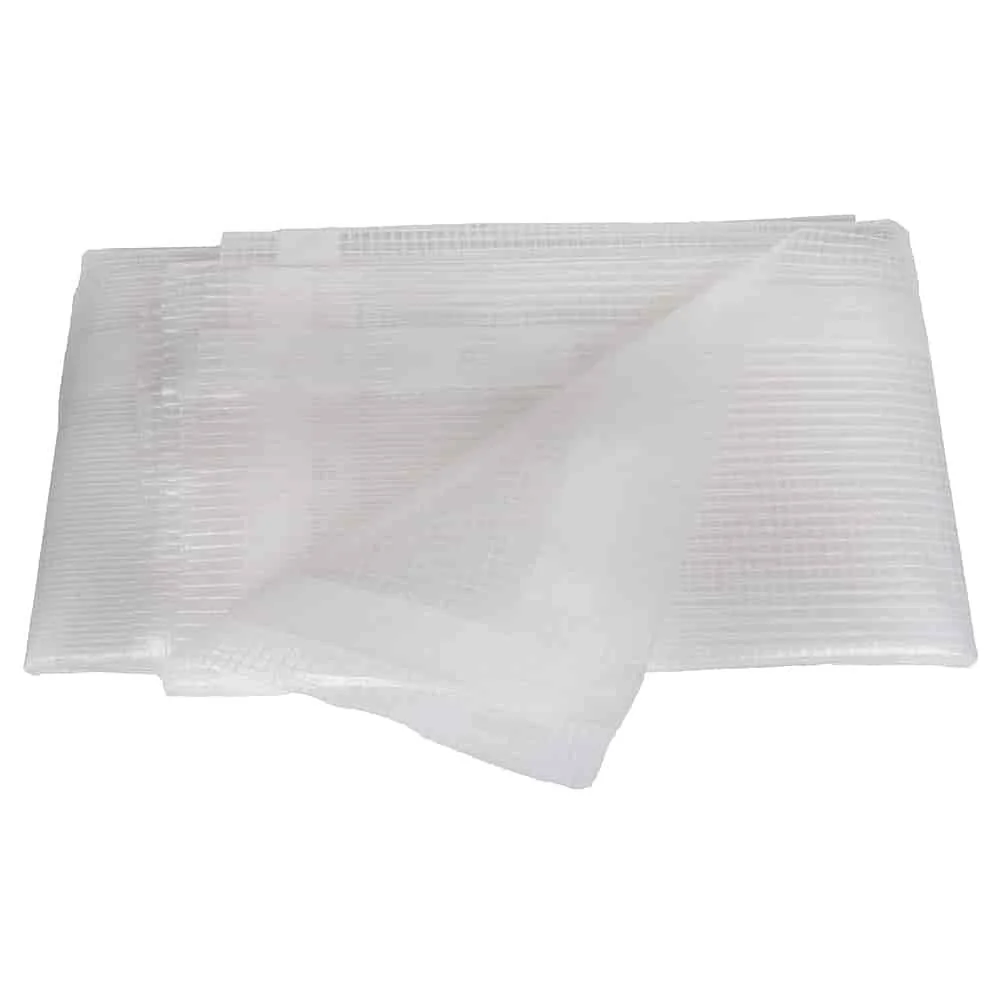
For other outdoor protection jobs, such as covering equipment, our mesh tarps are a practical choice. Products such as the Transparent Tarpaulin 3x4m or Transparent Tarpaulin 4x5 can help protect sensitive items.

Additional tip
Programmable thermostatic radiator valves are a useful addition to central heating controls. They automatically lower the temperature while you’re asleep or away from home, without changing the boiler’s flow temperature.
Special situations: older homes and underfloor heating
Optimising heating in older homes
Older homes often have less insulation and larger radiators. They generally need a higher flow temperature. Even so, lowering it by 5–10 degrees can often lead to significant energy savings.
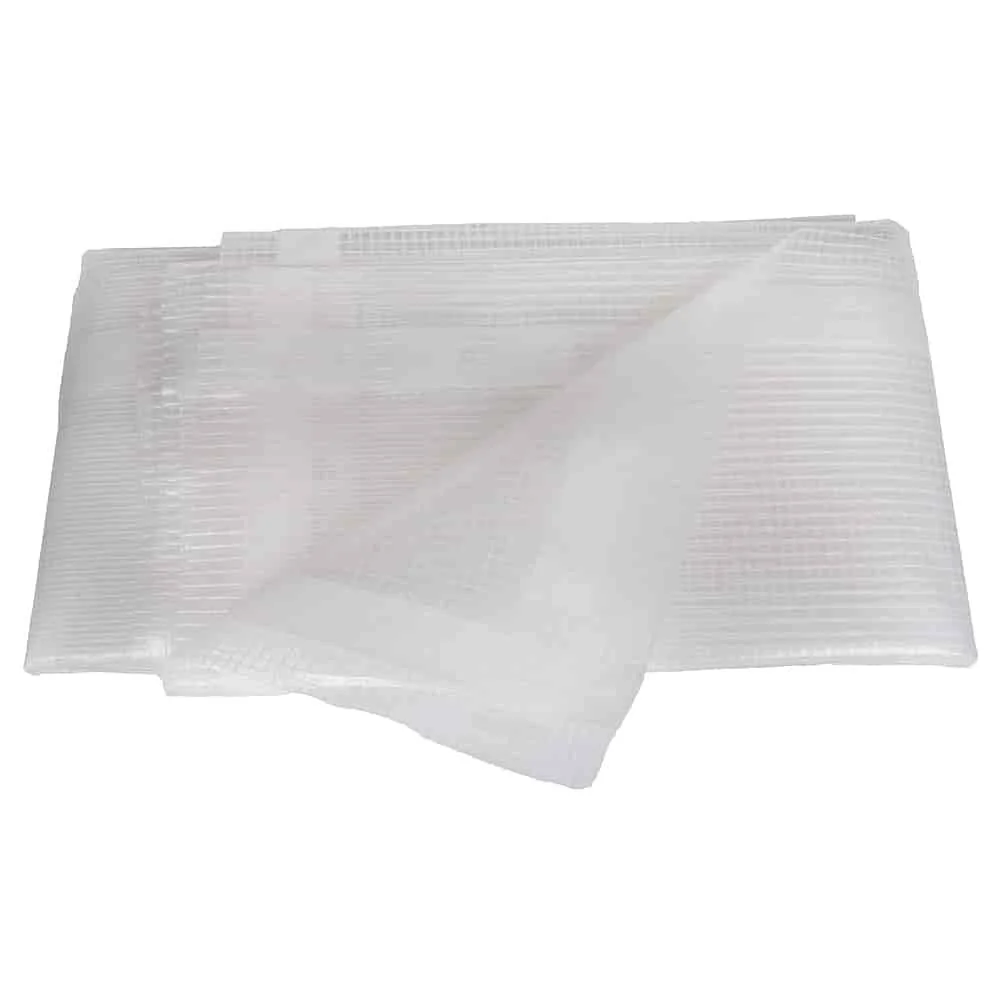
Combine the temperature adjustment with other measures. Seal your windows. Use clear covers to block drafts around doors in winter. The large 4x6 transparent tarpaulin can serve as a temporary windbreak.
Setting underfloor heating correctly
Underfloor heating systems respond slowly to temperature changes. Set the flow temperature especially low; 35 degrees is often enough.
Avoid large temperature swings. A steady, low temperature provides the best indoor comfort and greatest efficiency. The large heating surface makes up for the low flow temperature.
When you need a professional
Some settings aren’t accessible to homeowners. Contact a heating professional if your radiators don’t get warm enough even when the flow temperature is set high, or if your heating system makes unusual noises.
You may also need professional help if you can’t find the heating settings on your boiler, or if your system is very old and has only mechanical controls. A professional can also identify and optimize hidden opportunities to improve efficiency, such as adjusting the pump settings.
For other projects around your home and garden, find inspiration and supplies in our shop or in the Plumbing & Irrigation section.
Conclusion: more comfort, lower costs
Finding the right flow temperature is simple and can make a big difference. You can start saving energy right away while protecting your heating system. Indoor comfort stays the same or may even improve with more even heat.
Start lowering the temperature gradually today. Combine this step with bleeding your radiators and using smart heating controls. Your wallet and the environment will thank you.
Frequently Asked Questions
- What is a heating system’s flow temperature?
- The flow temperature is the temperature of the water as it leaves the boiler and enters the heating pipes. It’s set at the heat source and determines how much heat reaches your radiators or underfloor heating. If it’s set too high, energy is wasted.
- How do I find the right flow temperature for my home?
- The right temperature depends on your heating system and how well your home is insulated. Start at around 45°C, then raise the setting gradually until every room is comfortably warm. Modern condensing boilers work most efficiently with flow temperatures between 35°C and 55°C.
- Can adjusting the flow temperature really lower my heating bills?
- Yes. Each degree Celsius you lower the flow temperature can reduce energy use by around six percent. Lowering it from 70°C to 55°C can therefore save more than 20%. Just make sure your rooms still reach a comfortable temperature.
- Should I set a different flow temperature in summer?
- In summer, if you only need hot water, you can often turn the heating curve all the way down or switch off heating mode. The flow temperature for hot water alone is typically 50-60°C to help prevent Legionella growth.
- What’s the difference between flow temperature and return temperature?
- The flow temperature is the warm water that travels to the radiator. The return temperature is the cooler water that flows back from the radiators to the boiler. Keeping the return temperature as low as possible improves efficiency, especially with condensing boilers.
You might also be interested in
- Set your heating thermostat correctly: save money & energy
- Hydronic balancing saves heating costs and improves comfort
- Heat your home correctly & save energy: tips for your home
- Reduce heating costs: bleed radiators and heat your home correctly
- Replace your radiator thermostat and reduce heating costs
- Reduce heating costs: sensible overnight heating setback