
In brief: Good gun oil protects against corrosion, reduces wear and helps your firearm function reliably. The best choice depends on how and where you use it, the climate and your firearm type. Sprays work well for quick maintenance, while grease and ceramic formulas offer lasting protection in tough conditions. For most hunters, a combination of oil and grease is a practical choice.
Proper care helps extend your firearm’s service life and keep it reliable. High-quality gun oil is essential: it helps prevent rust, reduces wear on moving parts and keeps the action and trigger mechanism running smoothly. Our 2026 comparison can help you find the right product for your needs.
Contents
What does gun oil do?
Gun oil has three main jobs. First, it displaces moisture and leaves a protective film on metal surfaces to help prevent rust, especially after hunting in rain or fog. Second, it lubricates moving parts such as the bolt, trigger and bearings, helping the action work quietly and smoothly. Third, it helps loosen powder residue and light dirt.
Without proper protection, residue can build up, and metal parts can rust or seize. This can affect your firearm’s accuracy and safety. A quality care product is a worthwhile investment that helps protect your equipment.
What types of gun oil are available?
There are many options, and choosing the right type can make a difference.
Traditional liquid gun oils
These oils come in bottles with a dropper or pipette. They’re ideal for applying oil precisely to hinges and small mechanisms. Their thin consistency helps them reach tight spaces.
Gun oil sprays
Sprays such as the
are convenient for treating hard-to-reach areas without taking your firearm apart. The fine mist coats surfaces evenly. Aim carefully to avoid wasting product.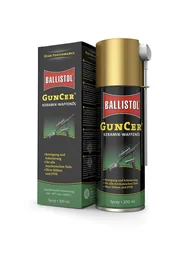
Gun grease
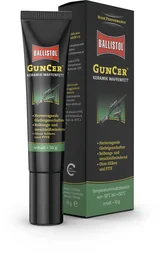
Grease is thicker than oil and stays in place longer. It’s especially useful on high-friction parts or for long-term storage. One well-known product is
. Modern options such as often contain ceramic or PTFE particles to improve lubrication.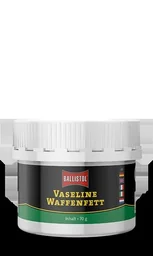
Gun care kits
For all-around protection, many people choose a complete hunting care kit. A
typically includes cleaner, oil and grease. It’s a space-saving and often cost-effective way to cover the basics.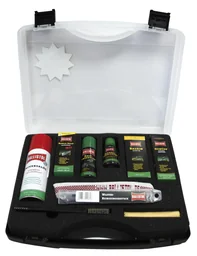
Tip: For most hunters, a spray is handy for quick field maintenance, while a quality grease provides lasting protection during winter storage.
What to look for when buying gun oil
Consider a few key features before you buy. Not every oil suits every firearm or use case.
Temperature range: Check the product’s stated temperature range. Oil for winter hunting should stay fluid in below-freezing temperatures. Grease used on hot days should stay in place.
Material compatibility: Make sure the oil is safe to use on all materials in your firearm, including steel, aluminum, plastics and different types of wood. It shouldn’t damage plastic components or dry out wood.
Corrosion protection: This is one of gun oil’s main functions. A good oil leaves a lasting protective film against moisture, sweat and fingerprints.
Ease of use: Consider how easy the product is to measure and apply. Sprays are convenient, while dropper bottles offer more control. Packaging should be practical and leakproof.
Warning: Don’t use universal or household oils such as WD-40 as a long-term gun protectant. They can dry out or leave sticky residue, and they don’t provide lasting corrosion protection. They’re suitable only for temporary moisture displacement or as a solvent.
How to apply gun oil correctly
Applying oil correctly matters just as much as choosing the right product. A little goes a long way.
- Clean the firearm thoroughly before oiling. Use a suitable cleaner to remove powder residue, dirt and old oil.
- Dry all parts carefully with a lint-free cloth.
- Apply a small amount of oil. For a spray, apply a short burst, let it work, then wipe away any excess. For dropper oil, add a small drop to moving parts and spread it evenly.
- For grease, apply a very thin layer with a clean finger or applicator. Too much can attract dirt and interfere with the mechanism.
- Let the oil soak in briefly before reassembling or using the firearm.
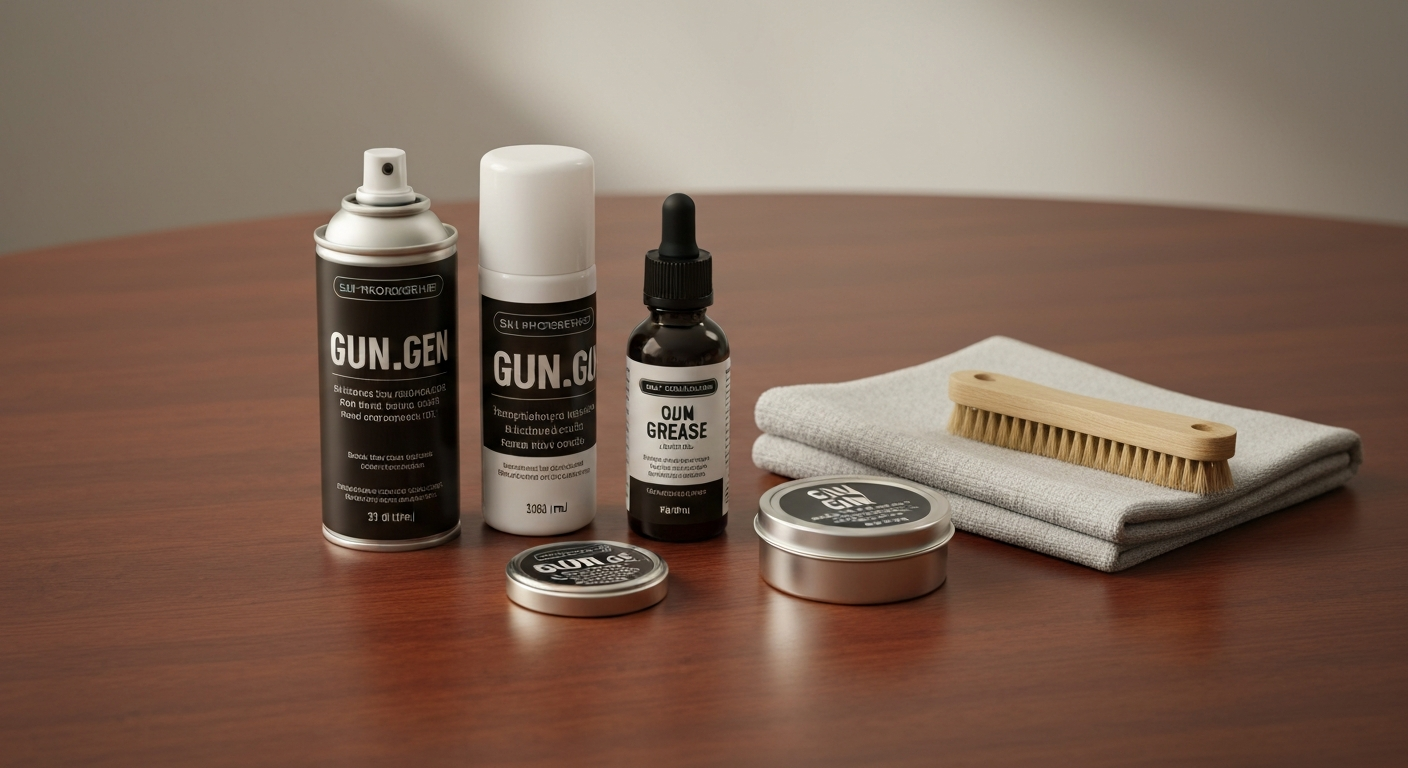
Excess oil can attract dust and dirt, forming an abrasive paste. After applying oil, check that all moving parts work freely.
Note: With a new firearm or after a thorough cleaning, apply oil, work the action briefly, then wipe the firearm down again. This removes any excess oil pushed out by the moving parts.
Product Comparison: The Best Gun Oils Tested
We compare several popular products side by side. The table below makes it easy to see the differences at a glance.
Here’s how the top-rated gun oils in our range compare:
| Model | Customer rating | Availability |
|---|---|---|
| Fritz Göbel 5 kg Pointer Scale for Agriculture & Hunting - Fast Weighing | – | Currently unavailable |
| Gun Oil Spray "GunCer", 200 ml | – | Currently unavailable |
| GunCer Ceramic Gun Grease | – | Currently unavailable |
| Vaseline Gun Grease | – | Currently unavailable |
| Gun Care Kit | – | Currently unavailable |
The gun oil spray is easy to use, making it ideal for quick maintenance after a hunting trip or for protecting the outside of the barrel. The ceramic additive in promises a particularly durable protective film that stays put even with heavy use. If you’re looking for a complete introduction to gun care, the is a good choice. It includes everything you need for cleaning and protection.
More Gun Care Tips
Taking care of your firearm involves more than simply applying oil. Add these steps to your routine.
Inspect it regularly: Before and after every use, check the exterior for signs of rust or damage. Be sure to inspect the wooden parts, too.
Store it properly: Keep your firearm in a dry room, ideally in a gun safe with humidity control. Use a heavy grease for long-term storage.
Clean it thoroughly: After a certain number of shots, or when you notice a buildup of dirt, you’ll need to disassemble the firearm and give it a deep cleaning. This requires special solvents and brush sets.
Remember to care for your accessories, too. A telescopic sight or agricultural measuring equipment also needs proper maintenance. Regular care helps preserve your equipment’s value and is an important safety measure. A well-maintained firearm works reliably when it matters most.
Choosing the right gun oil is a personal decision. Consider how often you use your firearm, your local climate, and the type of firearm you own. With the products in our comparison and the tips above, you’ll be well equipped to keep your firearm in top condition for years to come.
Frequently Asked Questions
- What’s the difference between gun oil and gun grease?
- Gun oil is thinner, penetrates well, and works for routine maintenance and lubricating moving parts. Gun grease is thicker, stays in place longer, and provides excellent corrosion protection, but it’s less suitable for fine mechanisms. The right choice depends on the temperature and how heavily the firearm is used.
- How often should I oil my firearm?
- Oil your firearm after every use to remove sweat and moisture. Before storing it for an extended period, clean it thoroughly and apply a thin film of oil. Check the oil regularly, especially when the climate changes or after hunting in wet conditions.
- Can I use regular machine oil on my firearm?
- We don’t recommend it. Standard machine oils often aren’t formulated for the specific needs of firearms. They can gum up, thicken in cold weather, or damage components. Always use a dedicated gun oil that protects against corrosion, stays stable across a range of temperatures, and is compatible with the materials.
- Is spray gun oil better than liquid oil?
- Sprays are convenient for applying oil to hard-to-reach areas and tend to leave fewer drips. Liquid oil in a bottle, on the other hand, lets you control the amount more precisely. Both work for general maintenance, while dropper oil is often a better choice for precision hinges.
- How should I store gun oil?
- Store gun oil in a cool, dry place away from direct light. Close containers securely to prevent evaporation or contamination. Check the expiration date, as the active ingredients may become less effective over time. Keep oils for different purposes clearly separated.