
In brief: The best type of walking aid depends on your mobility, stability and intended use. Lightweight, folding walking frames offer flexibility for everyday use, while sturdy walkers provide greater security and carrying capacity. Rollators combine both with a seat. Make your choice based on weight, handles, wheels and maximum load capacity. Our test compares the most important models.
Mobility is a key part of quality of life. When walking becomes difficult, walking aids provide safety and independence. But the choice is wide, from a simple walking stick to a multifunctional rollator. Our 2026 test and comparison analyses the different types, their advantages and disadvantages, and explains what to look for when buying. We help you find the model that best suits your everyday needs.
Table of contents
What types of walking aids are available?
Not every walking aid is suitable for every situation. The choice depends on your individual support needs.
Walking sticks and forearm crutches
Walking sticks provide targeted support for mild unsteadiness or to relieve pressure on one leg. Forearm crutches distribute weight more effectively across the forearm and are suitable for longer-term use, for example after knee or hip surgery. They reduce strain on the wrists.
Walking frames
A walking frame surrounds you with a four-legged frame. You support yourself with both hands. This provides maximum stability and allows you to place your full weight on the frame when you cannot walk unaided. Models such as the
are often foldable and very lightweight. They are well suited to indoor use and rehabilitation.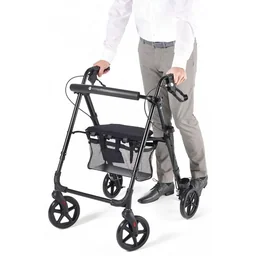
A walking frame requires more arm strength than a rollator because you have to lift it with every step. Test whether this movement feels comfortable for you.
Rollators (walkers)
Rollators are the most versatile walking aids. They have four wheels, a seat for resting, often a basket and parking brakes. They are suitable for active people who cover longer distances and need both security and storage options. They are ideal for outdoor use.
Buying criteria in the test: What should you look for?
In our assessment, we examined various factors that determine comfort and safety.
Weight and foldability
Weight is crucial if you want to transport the aid frequently, for example in the car. Lightweight materials such as aluminium are advantageous. A simple, secure folding mechanism is essential for space-saving storage. Check whether you can manage the folding process comfortably with your available strength.
Stability and load capacity
The frame's maximum load capacity must safely support your body weight. A wide base and non-slip rubber feet on the legs improve resistance to tipping, especially with walking frames. With rollators, a longer wheelbase and a low centre of gravity provide greater safety.
Handles and adjustments
The handles should be ergonomically shaped and made from a soft, sweat-resistant material. The height adjustment must be easy and stepless to ensure an optimal posture that protects your back. Some models also offer tilting handles.
A walking aid that is adjusted incorrectly can cause a hunched posture and lead to pain in the shoulders, back or wrists. Have it adjusted by a specialist retailer.
Walking aids compared in 2026
Our comparison puts different concepts side by side to make your decision easier.
Lightweight folding frame for rehabilitation
Folding walking frames such as the are the first choice during the post-operative phase or for severe mobility restrictions at home. They provide a secure frame and are often very lightweight. Their main advantage is space-saving storage. The disadvantage is their limited suitability for soft surfaces such as carpets.
The classic rollator for active users
For anyone who wants to stay mobile, a rollator is the first choice. It combines a walking aid, seat and shopping basket. Look for easy-to-operate brakes, a stable seat and wheels suitable for different terrain. Large, air-filled tyres absorb uneven surfaces better than small plastic wheels.
Special aids for the home
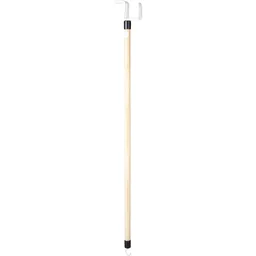
In addition to classic walking aids, there are products that make specific everyday tasks easier. A
supports you safely when transferring out of bed. A helps you get dressed without bending down. These aids are a useful addition for maintaining independence in the home.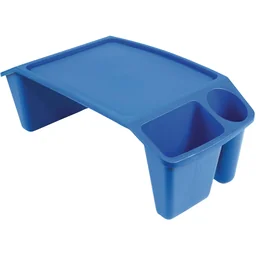
Combine different aids. A rollator for outdoor use, a lightweight walking frame for the home and specialised reaching aids can together create an ideal mobility solution.
Safety and handling
Using your walking aid safely is essential.
First steps and getting used to it
Start by practising in a safe, open environment. Walk slowly and concentrate on maintaining a steady rhythm. With a rollator, always apply the brakes when sitting down or standing up. Make sure that all adjustment mechanisms are securely locked.
Walking correctly with the aid
Do not place the walking aid too far in front of you. It should always remain within your natural stride length. With a walking frame, move it a short step forward, then step up to it and transfer your weight onto your hands. Keep your back as straight as possible.
Fall prevention and obstacles
Avoid wet or slippery floors. Take particular care around carpet edges, door thresholds and kerbs. Approach these obstacles head-on and cross them slowly. A rollator can tip over at such points. Always wear sturdy, closed-toe footwear.
Care and Maintenance
A well-maintained walking aid lasts longer and is safer to use.
Regular Cleaning
Wipe the handles and frame regularly with a mild cleaning solution. Remove hair, threads and dirt from the wheels so they can turn freely. Check the rubber tips on the supports for wear and replace them if necessary.
Function Checks
At regular intervals, check that all screws and nuts are tight. Test the brakes and folding mechanism. For air-filled tyres, the correct tyre pressure is important for smooth movement and stability. A checklist helps ensure systematic maintenance.
Correct Storage
Store your walking aid in a dry place protected from direct sunlight. A folding model saves space. Position it so that nobody can trip over it. Avoid high temperatures, such as those found in a car boot during summer.
Find more products and health aids in our Health category.
Conclusion: Making the Right Choice
Choosing the right walking aid is a very personal decision. Ask yourself: Where do I mainly need support? How much strength do I have in my arms and hands? How important are ease of transport and a seat? A folding walking frame is an excellent, lightweight solution for rehabilitation at home. A sturdy rollator gives you the freedom to safely cover longer distances outdoors and carry your shopping. Don't hesitate to try out different models at a specialist retailer. The right adjustment and a feeling of security are invaluable. With the right walking aid, you can regain safety, confidence and quality of life.
Our highest-rated walking aids compared directly:
| Model | Customer rating | Availability |
|---|---|---|
| Black Alarm Button | – | Currently unavailable |
| Bathroom Rail | – | Currently unavailable |
| Bathroom Aid - Seat Backrest | – | Currently unavailable |
| Bed Aid - Bathtub | – | Currently unavailable |
| Dressing Aid - Button | – | Currently unavailable |
Discover our full range of assistive products in the Walking Aids section and find the solution that suits your needs.
Frequently Asked Questions
- When do you need a walking aid?
- A walking aid can be useful if you feel unsteady on your feet, after an operation, or if you experience weakness or pain. It takes pressure off your joints, improves balance and helps prevent falls. If you are unsure, consult a doctor or physiotherapist for personalised advice.
- What is the difference between a walking stick and a rollator?
- A walking stick provides targeted support for mild instability. A rollator is a four-wheeled walking frame with a seat, brakes and often a basket. It provides full weight support, greater stability and opportunities to rest on longer walks.
- Can I use a walking aid outdoors?
- Yes, many models are suitable for outdoor use. Look for large, air-filled wheels for uneven ground and a sturdy design. Specialist outdoor rollators often have reinforced frames and all-terrain tyres.
- How do I adjust a walking aid correctly?
- The handles should be level with your wrists when you stand with your arms hanging loosely. With a rollator, the top of the handles should be approximately level with your hips. Your elbows should then be slightly bent. The wrong height can lead to poor posture.
- How do I clean and maintain my walking aid?
- Wipe the frame and handles regularly with a damp cloth. Remove dirt from the wheels. Regularly check that all screws are tight, the brakes work properly and the rubber pads are in good condition. Store the device in a dry place.