
In brief: A smelly washing machine is usually caused by mold and bacteria in damp residue. Incorrect detergent, temperatures that are too low and standing water in the hose are typical causes. Clean the door seal and lint filter regularly, and run a hot wash cycle without laundry.
Why does my washing machine smell?
The musty smell coming from your washing machine is no coincidence. It is the result of a biological process. Bacteria and mold find an ideal breeding ground in residue from detergent, fabric softener and textile fibers.
Moisture and warmth accelerate growth. The microorganisms form a slimy biofilm that causes the typical basement smell. This film settles in hard-to-reach areas.
Modern, energy-efficient wash cycles at low temperatures make the problem worse. They save electricity but do not kill germs. The combination of organic residue and moisture is perfect for unwanted odors.
Important note
Avoid mixing chlorine-based cleaners with acidic household products such as vinegar or citric acid. This combination can release harmful chlorine gas. Always ventilate the room well while cleaning.
The most common causes of washing machine odors in detail
1. Incorrect detergent dosing
Too much detergent or fabric softener is not rinsed away completely. The residue remains in the drum, hoses and lint filter. It coats the components and is broken down by bacteria.
Liquid detergent often leaves more residue than powder. Always dose detergent according to the water hardness in your area. You can find this information on your water supplier's website or determine it with a test strip.
“The most common cause of odor problems is using too much detergent, especially liquid varieties. They form a sticky film that creates ideal conditions for fungi.”
2. Standing water in the drainage system
Water can remain in the drain hose and siphon. This water is never replaced and becomes stagnant. Organic particles from the wash cycle collect there and begin to rot.
A hose that is too long or kinked makes the problem worse. The water cannot drain completely. Check that the hose is routed freely and slopes downward without sharp bends.
A defective or dirty hose must be replaced. A suitable drain hose is quick to install.
or are common models.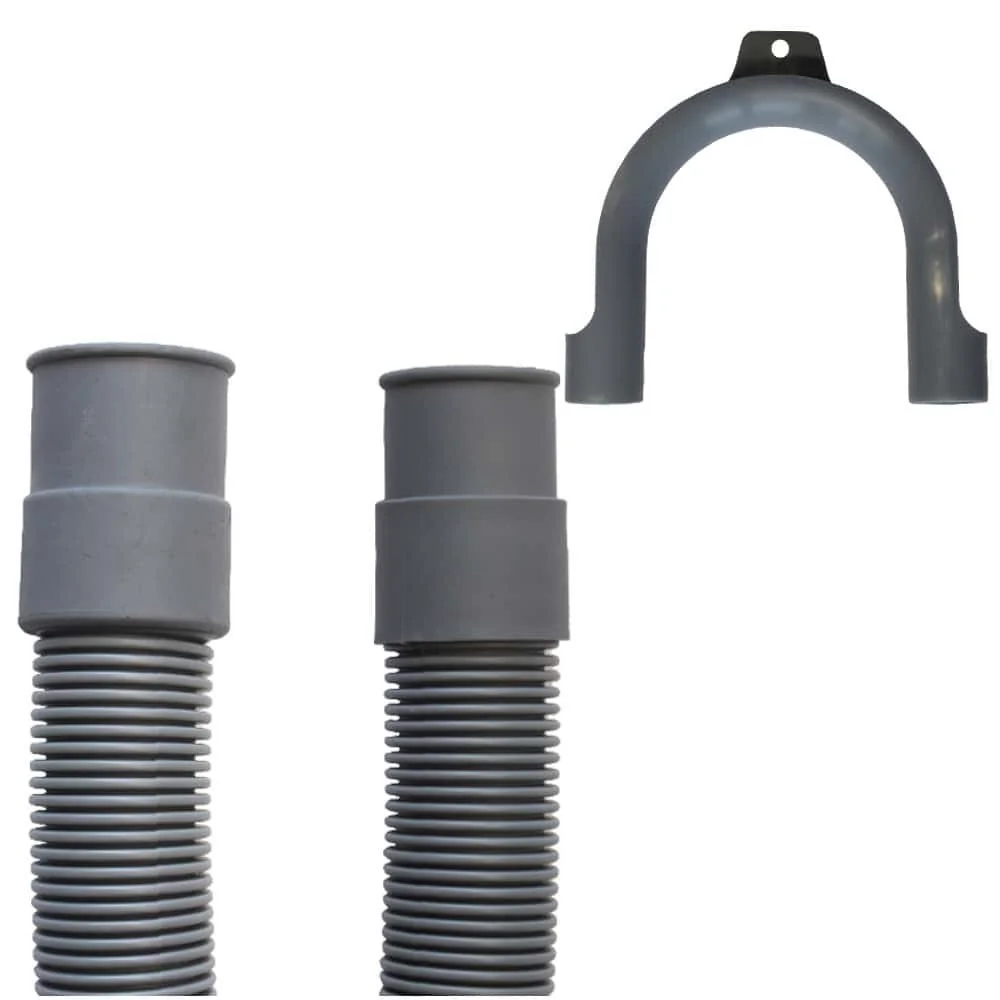
3. Neglected cleaning of the door seal and lint filter
The rubber door seal is a real odor trap. Water, hair, lint and detergent residue collect in its folds. This mixture does not dry properly between wash cycles.
The lint filter removes coarse dirt from the wastewater. If it is clogged, the water drains only slowly. Residual water remains in the machine. A full filter develops a strong, foul smell.
Pro tip
Wipe the rubber door seal thoroughly with a dry cloth after every wash cycle. Do not forget the lower fold, where most of the water collects. Leave the washing machine door and detergent drawer open overnight so the moisture can escape.
Step-by-step guide: How to clean your washing machine
Combat the smell with a systematic cleaning routine. Work from the inside out. Unplug the machine and turn off the water tap before carrying out any work.
Step 1: Clean the drum and interior
Run an empty wash cycle at the highest possible temperature. Use either a special washing machine cleaner such as
or a household remedy.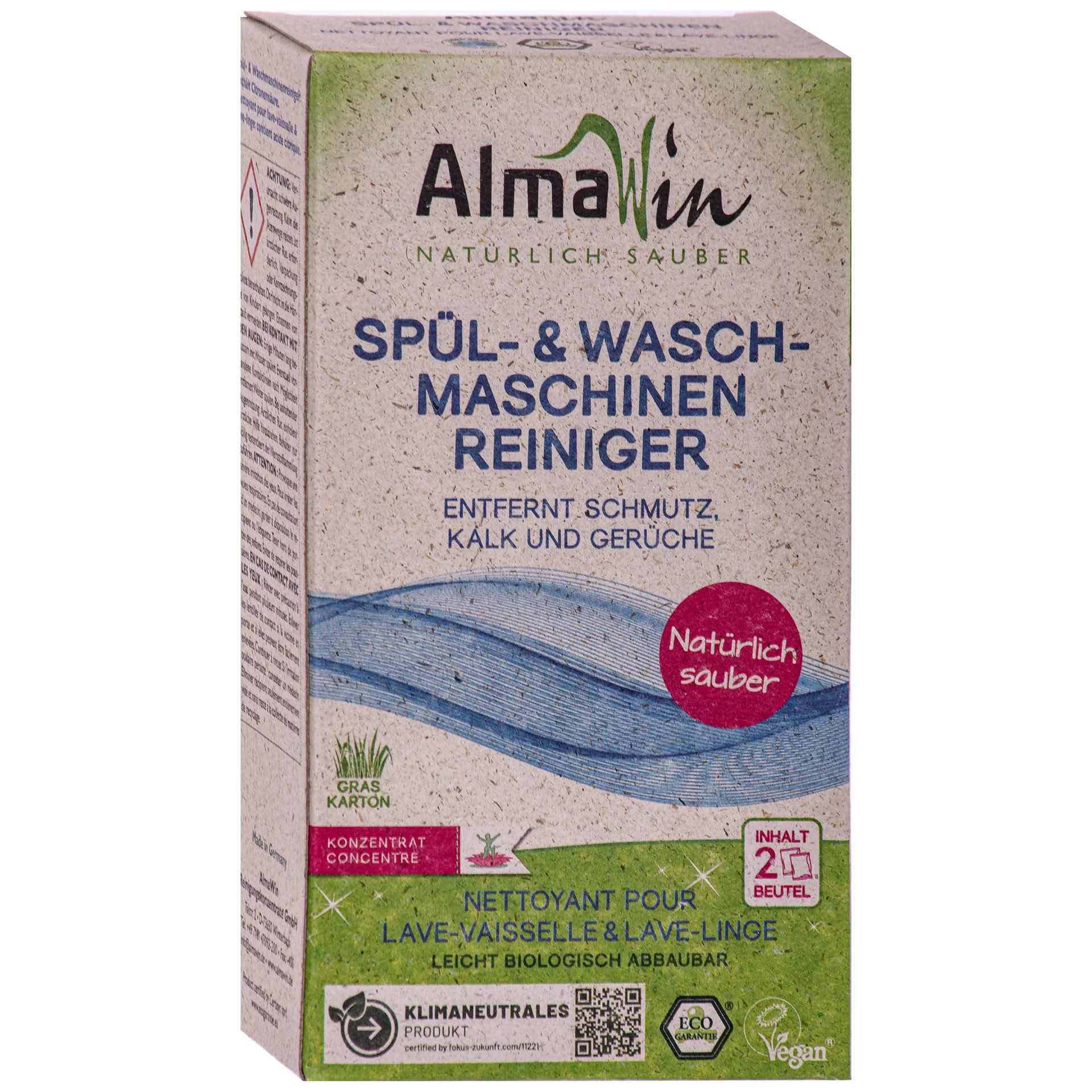
- Washing machine cleaner: Add the powder or granules directly to the drum. Start a 60- to 90-degree program without a prewash.
- Household remedy: vinegar: Pour 500 ml of vinegar essence into the main detergent compartment. Start a 60-degree cotton program.
- Household remedy: citric acid: Dissolve 150 g of citric acid powder in warm water and add it to the drum. A 60-degree program removes limescale and odors.
Step 2: Clean the rubber door seal
Carefully pull the seal apart. You will see lint, hair and a slimy coating. Remove the larger particles with your fingers.
Wipe the entire seal with a solution of warm water and a little dish soap or vinegar. Use a soft cloth or an old toothbrush for the narrow folds. Then dry the area thoroughly.
Step 3: Check the lint filter and pump area
The lint filter is behind a small flap, usually at the bottom front of the machine. Have a shallow container and some cloths ready, as residual water may escape.
Open the flap slowly. Turn the filter counterclockwise to remove it. Empty and clean it under running water. Use a flashlight to inspect the pump chamber for foreign objects such as coins or buttons.
“A regularly cleaned lint filter not only prevents odors, but also protects the pump from damage caused by objects carried into it. This simple maintenance task significantly extends the life of your appliance.”
Step 4: Clean the detergent drawer and exterior
Remove the entire detergent drawer. It can usually be lifted out by pressing a release clip. Rinse it thoroughly under the shower or in the sink.
Clean the now-empty compartment with a damp cloth. Mold in this area is a common source of odors. Also wipe the exterior and the outside of the glass door with a mild all-purpose cleaner.
Additional advice
For stubborn odors, you can run another wash cycle with two cups of baking soda in the drum after the basic cleaning. Baking soda neutralizes odors. Then run an empty cycle with clean water to remove any residue.
The Right Drain Hose: When Does It Need Replacing?
The drain hose is the lifeline of your washing machine. If it is leaking, blocked or affected by limescale, unpleasant smells are more likely to develop. Replacing it is easy and a worthwhile investment in hygiene.
Check your hose for these problems:
- Cracks or breaks: Even small cracks allow water to escape and air to enter.
- Internal deposits: The inside of the hose feels slimy or encrusted.
- A leaking connection: Water drips from the union nut connections.
To replace it, you need a suitable replacement hose. Make sure it has the correct diameter (usually 3/4 inch) and the required length. A hose that is too long should not be coiled up; instead, route it in a large loop.
Products such as (3.5m) or
(2.5m) are common standard hoses with a retaining bracket for a secure fit in the waste pipe. Installation only requires pliers to loosen and tighten the union nut.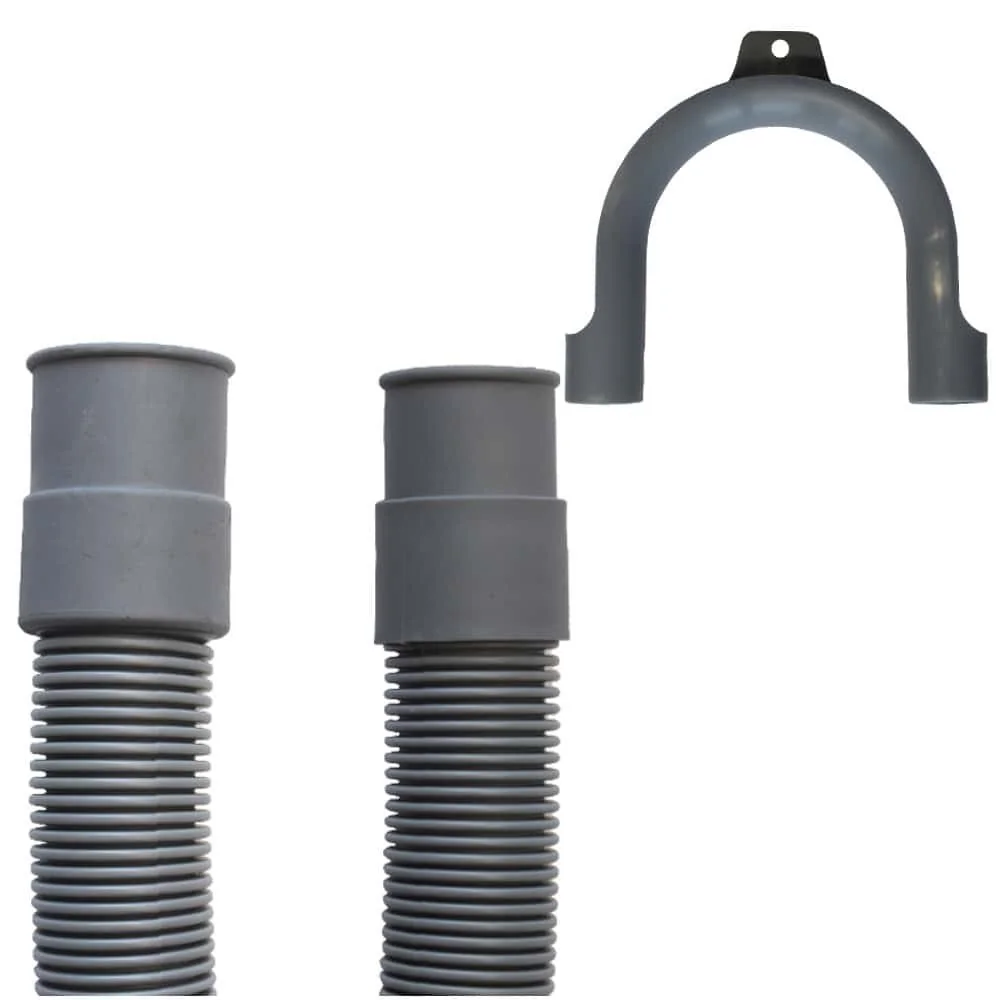
How to Prevent Unpleasant Smells for Good
Using your washing machine correctly prevents smells from developing in the first place. Incorporate these practices into your laundry routine.
Adjust Your Washing Habits
Do not wash exclusively at 30 or 40 degrees. Schedule a 60-degree programme regularly, for example every ten washes. This temperature reliably kills bacteria and germs.
Use washing powder instead of liquid detergent. Powder often contains oxygen-based bleaching agents that have a cleaning and disinfecting effect. Use it sparingly and follow the manufacturer's instructions.
Do not leave sweaty sportswear or damp towels in the drum. Wash them promptly or hang them up to dry before putting them in the machine.
Care Between Wash Cycles
Keep the machine dry. After washing, leave the door and detergent drawer open for at least a few hours. This allows air to circulate and moisture to evaporate.
Remove washed laundry promptly. Even clean laundry can start to smell musty after a short time in the closed, damp drum.
For households with very hard water, regular use of limescale removers such as citric acid is worthwhile. Limescale deposits provide bacteria with a rough surface to cling to.
When Do You Need Professional Help?
Not every problem can be solved yourself. In some cases, you need to contact customer service.
If the smell persists despite all cleaning attempts, there may be a hidden problem. A leaking heat exchanger or blocked pressure chamber are possible causes.
Modern washing machines have a built-in “Fresh Water Rinse” or “Drum Clean” mode. Use these programmes according to the operating instructions. They use more water or higher temperatures to remove residues.
For any work on electrical components or hard-to-reach parts, contact a qualified specialist. Safety comes first. In our power tool range, you will find useful helpers for other household projects.
With these tips, you can get rid of musty smells. A clean washing machine washes more efficiently, protects your textiles and provides truly fresh laundry. The best time to start cleaning the filter is today.
Frequently Asked Questions
- How often should I clean my washing machine?
- Clean the filter every four to six weeks. Wipe the rubber seal dry after every wash cycle. Ideally, run a complete cleaning cycle with washing machine cleaner or vinegar every one to two months.
- Can I use household products such as vinegar for cleaning?
- Yes, household products such as vinegar or citric acid are suitable for removing limescale and combating unpleasant smells. Add half a litre of vinegar essence to the drum and run a 60-degree programme without laundry. Avoid combining it with bleach.
- Why does my washing machine still smell after cleaning?
- A persistent smell often indicates a blocked or leaking drainage system. Check the drain hose for kinks and deposits. A blocked waste trap can also be the cause.
- Can using too much detergent damage the machine?
- Yes. Too much detergent creates excessive foam and is not rinsed out completely. Residues settle in the hoses and drum, form a biofilm and become a source of unpleasant smells. Always dose detergent according to the water hardness and how dirty the laundry is.
- What can I do if my laundry smells musty after washing?
- Do not leave laundry in the closed drum for too long. Open the door and detergent drawer after the wash cycle so they can dry. Run 60-degree programmes regularly to kill bacteria, and check the condition of your hoses.
You may also be interested in
- Cleaning your washing machine: How to keep it hygienic and odour-free
- Cleaning the washing machine filter: How to do it properly
- Repairing a washing machine: Common faults and easy DIY solutions
- How to use your washing machine correctly: Tips for cleanliness and a long service life
- Washing machine shaking? Causes and solutions for an unbalanced load
- Descaling your washing machine: How to extend its service life