
In brief: Wasps are both beneficial insects and nuisances. They provide valuable pest control by eating aphids, caterpillars and flies. However, their presence at the coffee table or barbecue makes them unwelcome guests. Respectful behaviour and targeted diversion tactics make peaceful coexistence possible.
Wasps in the Garden: Helpful Allies or Just a Nuisance?
Black-and-yellow stripes make many gardeners uneasy. Yet wasps are far more than annoying visitors at the coffee table. They are efficient hunters and make an invaluable contribution to your garden. This article looks at both sides.
Why are wasps beneficial insects?
Wasps feed their larvae protein. To do this, they hunt other insects. A medium-sized colony consumes up to half a kilo of pests every day.
Their prey includes aphids, caterpillars, spiders and flies. In this way, they keep pests under control. Their hunting instinct supports the natural balance.
A wasp colony can catch up to 500 grams of insects per day. This greatly reduces the strain on your plants and lowers the need for chemical treatments.
The most important wasp species in the garden
Not all wasps come to the cake table. Many species are shy and hunt insects exclusively.
- German wasp & common wasp: These two species are the most common visitors to coffee tables. They often build their nests in dark cavities.
- Paper wasps: This group also includes the Saxon wasp. They build free-hanging, grey nests and are very peaceful.
- Field wasps: They are very slender, form only small colonies and hunt almost exclusively insects.
You often do not even notice the peaceful species. They tirelessly collect pests.
Why do wasps become a nuisance?
From late summer onward, the food situation changes. The larvae in the nest are fed. The workers now search for sugar themselves.
They find it in ripe fruit, lemonade and cake. This behaviour leads to conflicts with people. It is a seasonal phenomenon.
Important note
Never blow on wasps. Your breath contains carbon dioxide, which the insects interpret as a threat. They may then react aggressively and sting. Stay calm and move slowly.
Hitting at them frantically makes the situation worse. The insects feel attacked. Calm behaviour is the best protection.
When and where wasps are active
Wasps are most active on warm, sunny days. Their peak season is between August and September.
They are particularly attracted to certain things:
- Open food and drinks outdoors
- Perfume and strongly scented sun creams
- Bright clothing, especially floral patterns
- Wood cladding on houses (as nesting material)
With this knowledge, you can manage encounters. A clean table and covered glasses are half the battle.
How can I protect myself and my family?
Complete avoidance is impossible. Smart measures significantly reduce conflicts. The key is diversion.
Offer wasps their own feeding station. Place a small dish of overripe grapes or a sample of meat five to ten metres away from where you are sitting.
Pro tip
Always cover drinks outdoors with a glass lid or a beer mat. Otherwise, wasps may crawl inside unnoticed. A sting in the mouth can be life-threatening. Straws are a useful additional precaution.
Keep rubbish bins closed. Regularly collect fallen fruit. These simple steps make your seating area less attractive.
Practical aids for dealing with wasps
Practical kitchen helpers are ideal for preparing food outdoors. They allow you to work quickly and store everything neatly.
Our
, the “Wunderschere”, cuts herbs, vegetables and even thin branches. This lets you prepare your picnic quickly without leaving crumbs behind.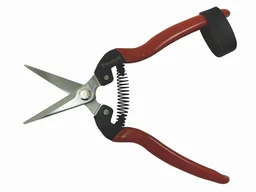
Our
, the stainless steel kitchen utensil set, includes spoons, ladles and tongs. You can use them to cover food or portion it directly without handling it with your fingers.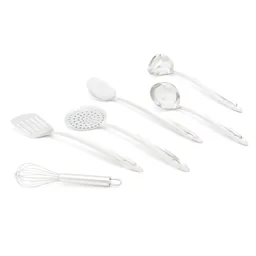
Find more practical helpers for outdoor kitchens in our garden equipment category.
What should I do about a wasp nest in the garden?
A nest often causes panic. In most cases, however, it does not need to be removed immediately. Wasps are protected species.
Assess the situation calmly. Is the nest in a quiet corner of the garden and at least five metres from paths you use frequently? If so, you can often leave it alone.
The colony dies in late autumn. Only the young queens overwinter. The empty nest is not reused. You can safely remove it in winter.
In nine out of ten cases, a wasp nest in the garden is harmless. The insects fly in and out purposefully and are not interested in people as long as their entrance is not blocked or disturbed.
Additional advice
Mark off the area around the nest with a small barrier tape or sticks if children play in the garden. Explain the situation to them. This helps prevent curious approaches and accidents.
When does a nest need to be removed?
Relocation or removal is permitted only when there is a specific danger. This is the case if the nest:
- Is directly next to a frequently used door or window.
- Is in a household with someone who has an allergy.
- Is located in a roller shutter box or children's playhouse.
In these cases, contact a professional pest controller. They need approval from the authorities. Never try to remove a nest yourself.
Natural alternatives to chemical sprays
You don't need to reach for insect spray immediately when dealing with individual nuisance wasps on the patio. There are gentler methods.
Plants can help deter wasps. Scented pelargoniums, lemon balm and lavender on the windowsill are not popular with wasps. They help keep them at a distance.
Making your own diversion feeding station is often the most effective solution. The wasps focus on the food provided and leave you alone.
If you do need a spray in late summer, for example to protect your seating area directly, you can find specific products such as our
, the aerosol spray for flies and wasps.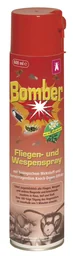
Discover more solutions for enjoyable outdoor living in our wide range in the Garden + Outdoor section.
How can I encourage beneficial wasp species?
You can design your garden to make it appealing to peaceful, insect-hunting wasp species. This helps maintain the ecological balance.
Leave old wood and pithy stems, such as those from blackberries or mullein, in a quiet corner of the garden. Many solitary wasp species nest in them.
Provide nesting aids. An insect hotel with holes of different sizes attracts mason wasps and other beneficial species. Make sure the holes are clean and free from splinters.
Plant plenty of native flowering plants. They attract not only wasps but also the insects they prey on. A diverse ecosystem regulates itself more effectively.
The garden as a habitat
A perfectly tidy garden provides less habitat. Leaving a little wildness in one corner helps nature. Piles of deadwood, piles of stones and areas of open soil are valuable.
In our Garden Tools category, you can find useful accessories for nature-friendly garden design, such as garden fleece and practical tools.
A garden that provides a home for beneficial insects needs less intervention. Wasps and other helpful creatures take over some of the work for you.
Conclusion: respect instead of panic
Wasps are not malicious attackers. They are part of a complex system in your garden. Their role as pest controllers is indispensable.
Their nuisance behaviour in late summer is temporary and caused by their natural life cycle. With knowledge and a few simple tricks, you can get through this phase comfortably.
Treating wasps with respect protects both you and the insects. You don't have to love wasps. But understanding their role can turn a feared nuisance into a tolerated helper.
Design your garden so that you feel comfortable – with, and sometimes despite, its wild inhabitants. In our Garden + Plant Accessories category, you'll find everything you need for your green paradise.
Frequently asked questions
- Which wasp species are beneficial in the garden?
- German wasps and common wasps in particular are active as beneficial insects. Their workers feed the young on protein from aphids, caterpillars, flies and other pests they catch. A medium-sized colony can therefore eliminate hundreds of pests every day and support the ecological balance in the garden.
- How can I keep wasps away from my patio?
- Offer the wasps an alternative food source some distance away. A small bowl of overripe grapes or a piece of grilled meat can distract them. Always cover food and drinks when you are outdoors. Avoid sudden movements and don't blow on the insects – the carbon dioxide makes them aggressive.
- Are wasp stings dangerous?
- For most people, wasp stings are painful but harmless. The local swelling subsides after a few days. Stings in the mouth or throat are dangerous, as are stings for people with allergies. If you have a known allergy, always carry an emergency kit and call the emergency services immediately in an emergency.
- Am I allowed to remove a wasp nest from my garden?
- You may only have a wasp nest removed in exceptional circumstances and with official permission, as wasps are protected species. Often, waiting is the best solution because the colony dies off in late autumn and the nest can then be removed safely. If there is an immediate danger, contact a professional pest controller.
- What attracts wasps most?
- Wasps are attracted to sweet foods, meat, ripe fruit and sugary drinks. Perfume, brightly coloured clothing and wooden cladding can also interest them. Keep your barbecue and dining areas clean, cover your bins and regularly collect fallen fruit to make your garden less attractive to wasps.
You may also be interested in
- Wasps and hornets in the garden: How can you live peacefully with them?
- Ground-nesting wasps in the garden: Relocate or eliminate them?
- Wasp species in the garden: How to identify the most common species
- How to deter wasps in the garden using home remedies
- Wasp stings: First aid and preventive measures in the garden
- Wasp nest under the roof: Remove, relocate or leave it alone safely?