
In brief: Water damage happens when moisture gets into your home through leaks, flooding or condensation. Look for stains, musty odors, swollen wood or salt deposits on walls. Drying the area right away with dehumidifiers and fans helps prevent further damage, including mold. Call a professional for major damage.
Water Damage at Home: Causes, Signs and Drying
Water always finds a way in. At home, it can cause serious damage. Water can weaken your home's structure and harm your health by encouraging mold growth. Finding the problem early and drying the affected area properly are essential.
We'll explain where moisture comes from, which warning signs to take seriously and how to dry out your home. Acting quickly can help prevent lasting damage.
What Are the Most Common Causes of Water Damage?
Moisture can get into your home in several ways. The cause determines what to do next and what your insurance may cover. Water damage can come from inside or outside the home.
Damage from Inside: Faulty Plumbing
Many common causes are hidden behind your walls. A burst hose on a washing machine or dishwasher can release a lot of water in a short time. Rusted or burst pipes, including those damaged by freezing temperatures, can go unnoticed until significant damage has occurred.
Leaking connections at faucets, drain traps or radiators can release water continuously. Even a small leak can cause serious damage over several months. Clogged drains, including those in the home drainage system, can cause water to back up and overflow.
Important note
If water is leaking, shut off power to the affected area right away. Water and electricity can be deadly together. Then turn off the main water supply to stop the leak.
Damage from Outside: Weather and the Building
Heavy rain or flooding can push water through leaky basement windows, window wells or cracks in the foundation. Damaged roof tiles, clogged gutters or damaged waterproofing membranes on flat roofs can let rainwater inside. Water may travel through the roof structure without being noticed.
Rising damp moves up through masonry from the soil. It is a common problem in older buildings without a modern damp-proof course. Gaps and cracks in the exterior walls let rainwater reach the insulation and interior walls.
More than 80 percent of plumbing damage occurs at the flexible supply lines of household appliances. Regularly checking these lines for cracks and damage can help prevent disasters.
Condensation and Poor Ventilation
This cause is easy to overlook. Warm, humid indoor air condenses on cold walls, window recesses or surfaces behind cabinets. Humidity that stays above 60 percent in the bathroom, kitchen or bedroom can make the problem worse.
Poor ventilation, especially in modern, tightly sealed homes, keeps moisture from escaping. It can condense and soak into plaster and wallpaper. The result is widespread moisture damage that may affect a large area.
How Can I Spot Water Damage Early?
The sooner you act, the less secondary damage there is likely to be. Some signs are easy to see; others show up as less obvious clues. Keep an eye out.
Visible Warning Signs on Walls and Ceilings
Water stains, dark spots or yellowish-brown discoloration on ceilings and walls are clear warning signs. The marks often spread in a circular pattern. Wallpaper may ripple, peel away from the wall or bubble.
Salt efflorescence—white, powdery deposits on masonry or plaster—can indicate rising or penetrating moisture. Plaster may swell and crumble. Wood paneling, baseboards and door frames can warp, swell or develop dark stains.
Expert tip
Check hidden corners. Move large pieces of furniture away from the wall regularly and inspect the backs. Moisture often builds up in poorly ventilated spaces behind cabinets, sofas or curtains.
Odors and Changes in Indoor Air
A musty, moldy or earthy smell that remains after you air out the room is a classic sign of hidden moisture and possible mold growth. The air may feel damp and cool all the time, even with the heat on.
An unexplained increase in heating costs can point to damp walls. Wet masonry transfers heat more easily and lets your home cool down faster. Your heating system has to work harder to maintain the temperature you set.
Simple Checks for Hidden Leaks
Check your water meter. Write down the reading, avoid using water for two hours, then check it again. If the reading has changed, there may be a leak in your plumbing. Listen to water pipes with a screwdriver or stethoscope. A constant hissing or rushing sound may point to a small leak.
Run your hand over floor coverings, especially along exterior walls and in corners. Areas that feel unusually cold or slightly damp may signal a problem. Watch for an increase in silverfish or woodlice. These pests thrive in damp environments.
The critical period begins after 48 hours. Standing water and humidity above 70% create ideal conditions for mold growth. Effective drying should start before then.
What Immediate Steps Should I Take After Finding Water Damage?
Every minute counts. A clear plan can limit damage and help protect your insurance claim. Stay calm and work through the steps methodically.
First Steps: Secure the Area, Stop the Leak and Protect Your Belongings
As mentioned, shut off the electricity first. Then find and stop the source of the water. Turn off the main water supply, switch off faulty appliances or catch leaks in buckets. Move portable items such as rugs, furniture, electronics and personal belongings out of the affected area.
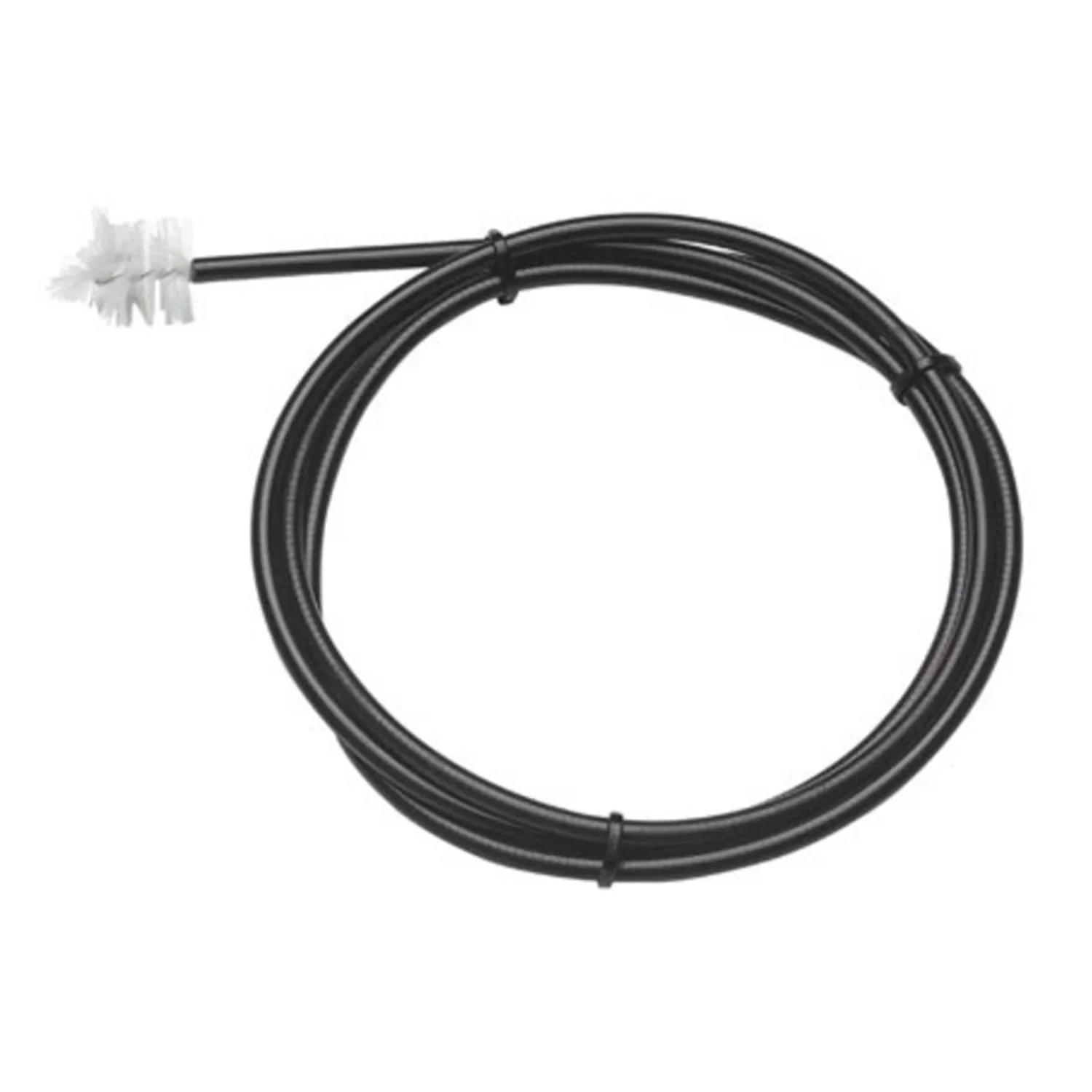
Put them somewhere dry. Start removing standing water right away. Scoop it up with buckets, then use a wet/dry vacuum or a wet vacuum to remove the remaining water. For initial cleaning in hard-to-reach areas, a can help.
Additional advice
Document the damage carefully for your insurance company. Take photos and videos from several angles before you begin cleanup. Also record the source of the damage, such as the burst pipe or overflowing washing machine.
Prepare the Area for Drying
Remove water-damaged materials that can't be salvaged, such as soaked drywall, swollen laminate flooring or loose plaster. This helps the building materials underneath dry much faster.
Make sure all affected surfaces are easy to reach. Clear the room as much as possible. Open windows and doors to improve airflow if the outdoor air is drier than the air inside. In rainy weather or when outdoor humidity is high, close the windows and use drying equipment.
Which methods will dry out my home properly?
Drying involves more than airing out a room. It means removing moisture from building materials in a targeted way. The right method depends on the extent of the damage and the materials affected.
Convection drying: Air movement and dehumidification
This standard method uses warm, dry air. Powerful fans, such as axial or radial blowers, circulate the air and remove moisture from damp surfaces. They keep moisture from building up and speed up evaporation.
Condensation or desiccant dehumidifiers actively remove moisture from the circulating air. A condensation dehumidifier cools the air, causing water to condense and drain away. The now-dry, warmed air can absorb moisture again. This cycle reduces indoor humidity to below 40 percent.
Contact drying and specialized methods
With contact drying, heating plates or mats are placed directly on damp walls, concrete subfloors or ceilings. The heat penetrates the material and drives moisture toward the opposite, cooler surface, where it evaporates. This method is ideal for solid building materials such as concrete.
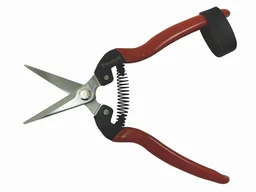
Infrared drying uses radiant heat to dry materials. Infrared heaters warm damp building materials directly instead of heating the air. Moisture evaporates from the inside out. This method is highly targeted and energy-efficient for localized damage. A durable tool such as the can be useful for cutting up water-damaged materials before disposal.
When do I need a professional water damage restoration service?
Professional help is needed for damage that goes beyond localized, surface-level moisture. This includes walls soaked from floor to ceiling, damp concrete subfloors and insulation inside wall or floor cavities. If you can already see mold, remediation should be handled by professionals with the proper protective equipment.
Professionals use moisture meters, such as hygrometers and CM meters, to measure moisture levels at different depths in a material. They use combined drying methods, such as negative-pressure drying for cavities in roofs or floors. Once the work is complete, they provide a drying report documenting the results, which can support your insurance claim.
How can I prevent water damage in the long term?
Prevention is the best protection. Regular maintenance and careful use of water-based appliances and systems can significantly reduce the risk.
Regular maintenance and inspection
Check all flexible hoses on your washing machine, dishwasher, toilet and heating system at least once a year. Replace them every 5 years, even if they still look intact. Have a professional inspect your roof and gutters regularly, ideally in the fall, for damage and clogs.
Make sure your sewer backwater valve is working properly. Check your basement for damp spots after heavy rain or snowmelt. Look for cracks in plaster or masonry and have them professionally sealed promptly.
Smart technology and sensible habits
Install water leak detectors beneath washing machines, dishwashers and heating systems, as well as in high-risk areas such as the basement. These alert you to water on the floor with an alarm or smartphone notification. A smart system with a shutoff valve can even automatically stop the water supply when an alert is triggered.
Ventilate properly: opening the windows wide for 5-10 minutes several times a day is more effective than leaving them cracked open. This replaces the air without allowing walls and furniture to cool down. Heat all rooms evenly, including those you rarely use, to prevent condensation on cold walls. Make sure damp rooms such as the bathroom and kitchen are well ventilated.
Water damage can seriously disrupt your home. But understanding the causes, watching for warning signs and using the right drying methods can help protect your home's structure and your health. Act quickly and methodically, and seek professional help if you're unsure what to do.
Frequently Asked Questions
- How can I identify hidden water damage?
- Watch for subtle signs: a persistent musty, earthy smell in a room, unusually high heating bills, faint dripping sounds inside walls, or doors and windows that suddenly stick because the wood has swollen. Damp spots behind furniture or on hard-to-see areas of a wall are clear warning signs.
- What should I do immediately if I have water damage?
- First, make the area safe by switching off the circuit breakers for the affected area. Stop the source of the water if possible by shutting off the main water supply or turning off the leaking appliance. Move items that could be damaged by water and start ventilating the area. Document the damage thoroughly for your insurance company.
- Can I dry out water damage myself?
- You can handle small, surface-level areas of damage yourself with powerful fans and a high-performance dehumidifier. Professional structural drying is essential for soaked walls, concrete subfloors and ceilings, or if you suspect mold. Pressure and suction methods can also dry hidden cavities.
- Which insurance covers water damage?
- Homeowners insurance covers damage to the house itself, such as burst pipes or rainwater entering the home. Renters or homeowners insurance covers damaged furniture and personal belongings. Report the damage right away, take photos and have the insurer determine the exact cause.
- How long does drying take after water damage?
- Drying time depends on the material, the amount of water and the drying method. Slightly damp drywall may dry within 3-5 days. A soaked concrete subfloor often takes 2-4 weeks to dry with professional structural drying. A moisture meter is the only way to confirm that it is completely dry.
You may also be interested in
- Damp Interior Walls: Identify the Causes and Repair the Damage
- How to Remove Mold from Your Home: Causes and Long-Term Solutions
- Mold in Your Home? How to Identify, Treat and Prevent It
- Mold in the Bedroom: Causes, Treatment and Prevention
- Dehumidifiers: How to Reduce Humidity in Your Home
- Water in the Fridge? Find the Cause and Fix It Yourself