
In brief: Welcome hedgehogs to your garden with piles of leaves and branches, dense hedges, native plants and a small, shallow water dish. Avoid slug pellets, robotic lawnmowers at night and uncovered shafts. Leave leaves on the ground, create access gaps to neighbouring gardens and only provide suitable food for animals in need.
Quick answer: Welcome hedgehogs to your garden with piles of leaves and branches, dense hedges, native plants and a small, shallow water dish. Avoid slug pellets, robotic lawnmowers at night and uncovered shafts. Leave leaves on the ground, create access gaps to neighbouring gardens and only provide suitable food for animals in need.
Seeing a hedgehog in your garden is a sign of a diverse habitat. This nocturnal visitor searches for beetles, larvae, earthworms and safe places to rest during the day. A closely mown lawn alone offers little food or shelter.
A hedgehog-friendly garden does not have to look wild. Small, permanent features that remain accessible are what matter: a hedge, a pile of leaves, an unpaved corner and a gap in the fence leading to the neighbouring property. This creates a natural garden where hedgehogs and other species can find food.
What does a hedgehog need in the garden?
Hedgehogs need three things: prey, cover and safe routes. They travel several hundred metres at night in search of food. A single small garden is therefore often not enough if high walls and continuous fences cut it off from the surrounding area.
Natural prey instead of a feeding station
A hedgehog's natural diet consists mainly of insects and other invertebrates. Beetles, caterpillars, earwigs, spiders and earthworms live in leaf litter, beneath shrubs and in loose soil. So avoid sterile lawns and do not automatically treat every wild corner as untidy.
Native shrubs, perennials and species-rich meadows provide insects with nectar, pollen and shelter. Hedgehogs benefit from this indirectly. The more small creatures your garden supports, the less supplementary feeding is needed.
Hiding places and routes
Hedgehogs sleep in sheltered nests during the day. A dry pile of leaves or branches beneath a hedge is better than an exposed patch of lawn. Loosely layer branches and leave leaves underneath so air can circulate and the shelter stays dry.
- Leaves: Gather autumn leaves beneath hedges and shrubs instead of clearing every area completely.
- Branches: Stack thin branches loosely and securely, without adding sharp wire or plastic.
- Hedges: Dense native shrubs connect feeding areas with safe resting places.
- Access gaps: Leave a hand-width opening at the bottom of fences leading to the neighbouring garden.
- Soil: Unpaved areas allow insects and earthworms to live in the garden.
Expert tip
Place the pile of leaves in a quiet spot beneath a hedge or tree. A thin layer of branches on top protects it from the wind. Only check the shelter from the outside and leave the pile undisturbed until spring.
How can you create a hedgehog-friendly garden?
Plan your garden with different levels of vegetation. Ground cover, perennials, shrubs and individual trees create transitions where moisture is retained and insects can find food throughout the year. Even a small wild corner is enough if you leave it in place permanently.
Hedges, perennials and richly structured beds
Native hedge plants such as hawthorn, hazel, elder and blackthorn provide shelter and attract insects. Trim hedges outside the nesting season and leave some branches as deadwood. Dense structures protect hedgehogs from dogs, light and wind.
Perennials with different flowering times extend the food supply for insects. Leave faded stems standing over winter. Cut them back in spring, when many insects have overwintered in them.
Flowering areas and natural garden care
A flowering area does not replace shelter, but it improves the overall food supply. The seed
is ideal for a natural garden area where corn poppies add colour as annual flowers and attract insects. Do not sow such areas too densely and avoid chemical pesticides.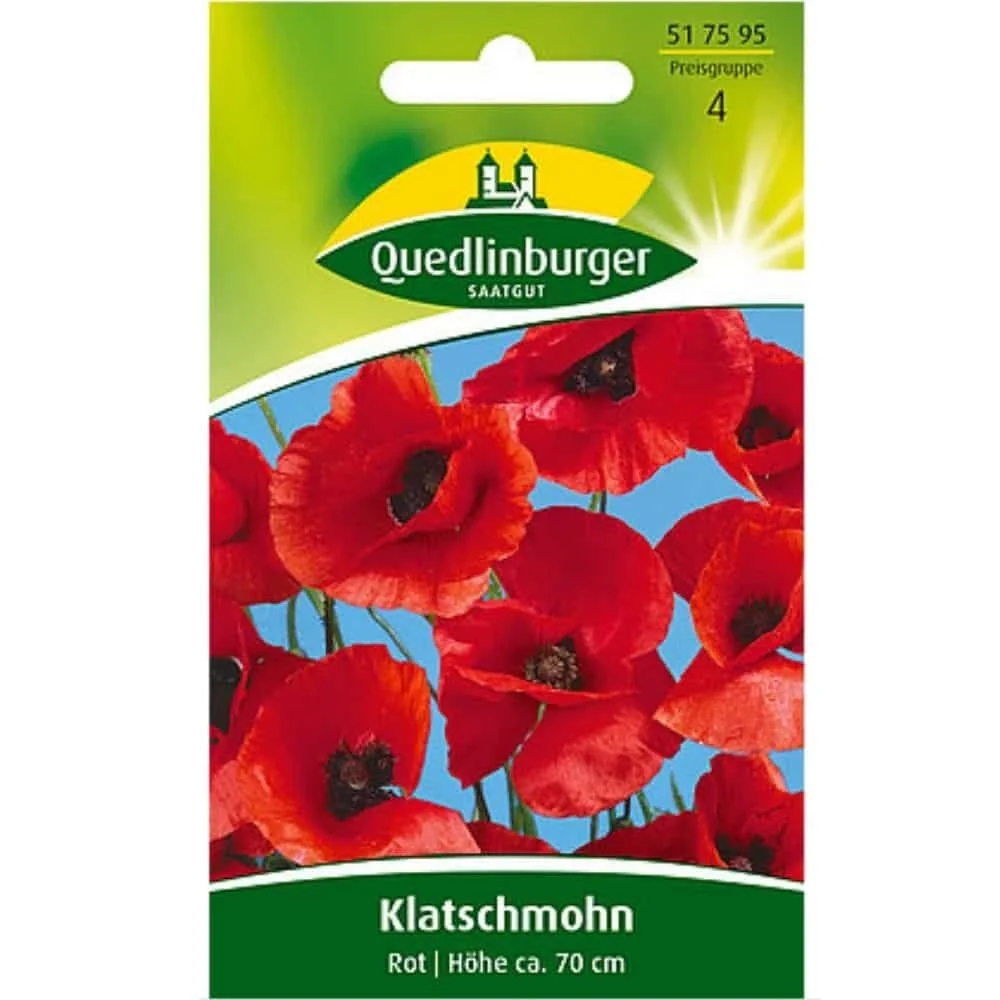
A garden can look well maintained while still preserving habitats. Divide the work into sections: mow part of the meadow, let another part grow longer and do not use a leaf blower on piles of leaves. In the Garden + Outdoor category, you will find suitable equipment for different garden areas.
For beds with perennials, shrubs and flowering plants, take a look at garden and plant accessories. There you can choose tools and aids that support natural garden care. A plastic cover should not remain on the ground permanently, as animals can become trapped underneath.
Cut individual branches for a loose pile of brushwood with
. Gather the cuttings in a quiet spot and use them to build a stable pile. If you would also like to support other garden wildlife, complements the habitat for birds, which also benefit from native shrubs and a natural garden.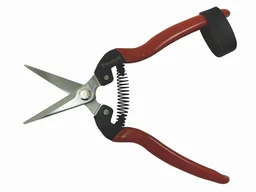
The rest of your garden equipment should also be safe. Regularly check heavy pots, nets and decorations for sharp edges and narrow gaps. Hedgehogs should be able to pass beneath structures without getting stuck.
What food and water help hedgehogs?
A healthy adult hedgehog will usually find enough food for itself in a wildlife-friendly garden. Supplementary feeding is not a substitute for natural habitats. It is mainly helpful during long dry periods, in early spring or for visibly weakened animals.
Suitable food
If you provide supplementary food, small portions are sufficient. High-quality cat food with a high meat content, unseasoned boiled egg or unseasoned scrambled egg are suitable. Put the food out in the evening and remove any leftovers the next morning.
- Suitable: Wet cat food with a high meat content, boiled egg, fresh water.
- Not suitable: Milk, bread, fruit, nuts, sweets, seasoned foods and leftovers.
- Unsuitable for wildlife: Raw pork products and spoiled food.
Milk causes digestive problems in hedgehogs. Fruit and nuts are also not part of their natural diet. Use heavy, shallow bowls that do not tip over easily, and clean them every day.
Water without the risk of drowning
A shallow bowl of fresh water helps on hot days. Place it on a level surface and change the water regularly. Deep water butts, pools and ponds need an escape aid made from rough material so that an animal that has fallen in can get out again.
Information about suitable hedgehog food can make your choice easier. However, do not provide food every night indefinitely if there is no need. Feeding stations can otherwise attract rats, mice and other unwanted visitors.
Important note
Do not simply handle a healthy hedgehog or take it indoors. A hedgehog that is active at night generally does not need help. Injured, apathetic animals or those found out during the day in cold weather should be taken to a wildlife rescue centre or a veterinary practice experienced in treating hedgehogs.
How can you protect hedgehogs from dangers in the garden?
Many dangers arise from tasks that seem harmless to people. Robotic lawn mowers, brush cutters, leaf blowers, open shafts and garden nets can seriously injure hedgehogs. Check the garden closely before carrying out any work and move leaves, brushwood or compost slowly.
Robotic lawn mowers and garden tools
Only operate a robotic lawn mower during the day, when hedgehogs are resting in their hiding places. Even safer is to check the area manually before mowing. As a general rule, do not use a brush cutter or strimmer under hedges, in tall grass or beneath piles of leaves.
Choose suitable garden tools for maintaining your garden and use them selectively. Leaf blowers destroy nests and drive away small animals. A rake works more slowly, but it can be controlled more precisely.
Make shafts, nets and water features safe
- Cover cellar shafts and light wells with a close-mesh, sturdy grille.
- Stretch garden nets tightly and several centimetres above the ground so that no animal can become entangled in them.
- Fit ponds and pools with a shallow ramp made of wood, stone or coarse mesh.
- Store wire, cords and plastic ties in a closed container and remove loose pieces immediately.
- Check compost heaps and brushwood piles before moving or burning them.
Slug pellets and insecticides damage the habitat. They reduce the hedgehog's food supply and can enter the food chain through poisoned prey. Instead, rely on robust plants, barriers and collecting slugs by hand in small areas.
“A natural garden with native plants, leaves and brushwood provides hedgehogs with food and safe hiding places.”
How can you protect hedgehogs through the winter?
The best winter protection for hedgehogs is a dry, undisturbed shelter. A pile of leaves beneath a hedge is often enough. A sheltered location, dry ground and sufficient nesting material are important.
Creating a dry shelter
Loosely pile up leaves and cover them with brushwood. Do not use plastic sheeting, airtight boxes or impregnated wood scraps. The shelter needs air, but it must not become completely soaked by rain.
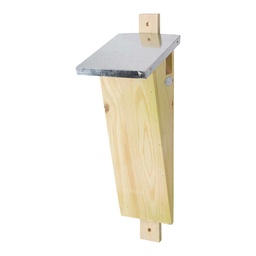
A purchased hedgehog house is not essential. If you put one up, it should be stable, have a small entrance and be filled with dry leaves inside. Place it somewhere quiet and only check from the outside that it remains dry and undamaged.
Planning autumn work correctly
Do not tidy the entire garden at once. Leave leaves under shrubs and do not move piles of brushwood once temperatures start to fall. Do not use a leaf blower on a pile of leaves, as it may already contain a hedgehog.
Build bonfires only shortly before lighting them, or carefully rebuild the pile. Check the area with a torch and leave generous spaces between the branches. Even safer is to avoid burning brushwood altogether.
Additional advice
Mark a hedgehog shelter discreetly with a small stone or stake. This helps all family members recognise the quiet zone and avoid it during garden work. Also tell children that a pile of leaves is not a playground.
When does a hedgehog need help?
A hedgehog needs expert help if it is injured, barely moving, appears severely underweight or is out during the day in cold weather. An animal that has fallen into a shaft or been bitten by a dog should also receive prompt care.
- Using gloves, place the animal in a tall cardboard box lined with a towel.
- Place a lukewarm hot-water bottle under part of the box so that the hedgehog can move away from it.
- Offer water, but do not give any medication or milk.
- Call a wildlife rescue centre or a veterinary practice experienced in treating hedgehogs.
What can you do for hedgehogs in the garden today?
You do not need to redesign the entire garden. Start with a few measures that will last. Every open connection to the neighbouring garden and every safe hiding place improves the habitat.
- Leave a pile of leaves and brushwood under a hedge.
- Create a hand-width opening in the fence to the next garden.
- Put out a shallow bowl of fresh water.
- Remove loose nets, cords and open containers from ground level.
- Set the robotic lawn mower to operate only in daylight.
- Avoid slug pellets and widely used insecticides.
- In autumn, mark all resting places that must not be moved or burned.
Observe the garden over several weeks. Tracks in the soil, rustling under the hedge or droppings near a hiding place show that the habitat is being used. Only handle a hedgehog if there is a specific reason to help it.
A hedgehog-friendly garden combines tidiness with places to retreat. Leaves, hedges, native plants and safe routes help not only hedgehogs, but also insects, birds and amphibians. This turns a single corner of the garden into a resilient wildlife garden.
“Hedgehogs are wild animals. Above all, they need peace, cover and a safe habitat—not human contact.”
Frequently Asked Questions
- How can I make my garden hedgehog-friendly?
- Create piles of leaves and branches, dense hedges and a dry shelter. Leave gaps in the fence so hedgehogs can roam. Avoid slug pellets and robotic lawnmowers at night. A shallow bowl of water is also helpful.
- What can hedgehogs eat in the garden?
- Hedgehogs mainly eat beetles, larvae, earthworms and other small creatures. If needed, high-quality cat food with a high meat content, plain scrambled egg and fresh water are suitable. Do not give them milk, bread, fruit, nuts, sweets or seasoned food.
- Should I feed hedgehogs in my garden?
- Healthy hedgehogs can usually find enough food for themselves in a wildlife-friendly garden. Supplementary feeding may be helpful during dry periods, in early spring or for weakened animals. Provide small portions, clean the bowl daily and seek expert advice if an animal appears unwell.
- What dangers do hedgehogs face in the garden?
- Dangers include robotic lawnmowers at night, open drains, steep-sided ponds, swimming pools, garden netting and slug pellets. Fire pits and garden tools used carelessly can also injure hedgehogs. Secure water features, check piles of branches before moving them and leave gaps at ground level in fences.
- How does winter protection help a hedgehog?
- A dry pile of leaves or branches protects hedgehogs from cold and damp. Leave the shelter undisturbed until spring and do not clear away all the leaves. A hedgehog in need of help may have visible injuries, appear apathetic or show marked weakness; report it to a wildlife rescue centre.
You may also be interested in
- Helping hedgehogs in summer: How to support garden visitors
- Garden fences: How to protect hedgehogs in your garden
- How can I create a wildlife-friendly natural garden?
- Build your own hedgehog house: A winter shelter for garden visitors
- Native hedges in the garden: Create a home for wildlife
- Feeding hedgehogs in the garden: What can they eat?