
In brief: Wenge is an African hardwood with a distinctive, very dark, almost black grain streaked with lighter lines. It is exceptionally hard, heavy, and durable, making it a good choice for demanding furniture, veneers, and high-end interiors. Working with it takes sharp tools and experience because the wood can splinter. For DIY projects, it works especially well for small, high-quality accents.
Table of Contents
- Wenge wood: Origin and distinctive features
- Wenge wood properties in detail
- How do you work with wenge wood?
- Uses and DIY project ideas
- Care, protection, and finishing
- Buying and storing wenge wood
Wenge wood: Origin and distinctive features
Wenge comes from the Millettia laurentii tree, native to the tropical rainforests of Central Africa. Its most distinctive feature is its unusual color. The heartwood darkens from light brown to a very deep, almost black shade with characteristic lighter streaks.
These stripes form as the tree grows in alternating phases, giving each surface a striking, graphic pattern. No two boards are alike. This distinctive look makes wenge a sought-after, limited resource.
Responsible management of wenge forests is a serious concern. When buying, look for certifications such as FSC, which indicate responsible forestry.
“Wenge is more than just a dark wood. Its grain tells the story of how it grew, and its exceptional hardness challenges any craftsperson to do their best. It is a material of contrasts—delicate in appearance, tough in substance.”
Wenge wood properties in detail
Understand wenge’s properties before you start working with it. They affect your tool choices and project planning.
Exceptional hardness and weight
Wenge is rated in durability class 2, meaning it is highly resistant to fungal decay and insect attack. Its Brinell hardness is over 40 N/mm²; oak, by comparison, measures around 34 N/mm².
Wenge is also heavy, with a density of around 880 kg/m³. Account for that weight in larger projects. Shelves and tables need to be strong enough to support it.
Important note
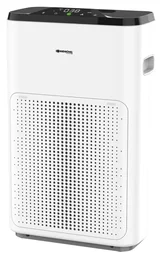
Wenge dust can cause allergic reactions affecting the skin and respiratory tract. Always wear a particulate-filtering mask (FFP2/FFP3) and protect your skin when sawing or sanding. An in your workspace is a sensible way to protect your health during this project.
Color, grain, and changes over time
Color is one of wenge’s biggest draws. When freshly worked, it ranges from deep chocolate brown to black, with lighter streaks that create dramatic contrast.
When left untreated and exposed to light, however, the surface turns gray. It loses its warm brown tone and takes on a cooler appearance. UV-protective stains can slow this process, but they cannot stop it completely.
How do you work with wenge wood?
Wenge’s hardness calls for precise work. Dull tools can cause tear-out and burn marks.
Sawing and cutting
Use sharp saw blades with fine teeth. For straight cuts, a circular saw fitted with a blade for hardwood is a good choice. Use a high cutting speed and feed the wood slowly.
For curves and cutouts, a jigsaw is the tool to reach for. A
with long, fine teeth is ideal for precise cuts in dry natural wood.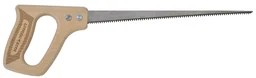
“Every cut matters when you work with wenge. Its hardness quickly exposes mistakes by tearing the fibers. Always work with the grain, never against it. Sharpen your plane irons and chisels before you start—it saves time and frustration.”
Gluing and joining
Use a high-strength white wood glue or polyurethane (PU) glue for wenge. The surface is slightly oily, so wipe it with acetone before gluing to improve adhesion.
Pre-drill carefully before driving screws or nails, as the wood can split easily. Use special wood drill bits with a center point.
Pro tip
Sand wenge in stages. Start with 100 grit to remove saw marks, then work through 120 and 150 grit before finishing with 180 or 220 grit for a smooth surface. Use a sanding block to keep surfaces flat. Sanding by hand alone can leave uneven dips.
Uses and DIY project ideas
Wenge is expensive, so use it selectively as an accent to manage costs and make the most of its visual impact.
Furniture making and interior design
Wenge is a popular veneer for MDF or plywood panels. Veneering gives you large, stable surfaces with a high-end look at a more manageable price. It works well for cabinet fronts, tabletops, and wall paneling.
As solid wood, wenge can be used to build especially durable, heavy furniture. A small side table, a book stand, or sturdy bed frame reinforcements are all achievable projects.
Decorative accents and handles
Small details are where wenge’s beauty really stands out. Turn handles for cabinets or knives, cut thin inlays for decorative woodworking, or make elegant picture frames and coat hooks.
A
is a useful tool for detailed hand carving and shaping in hardwood. It gives you precise control.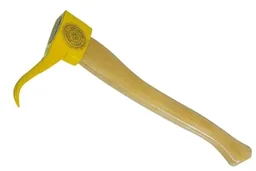
Additional tip
Pair wenge with light-colored woods such as maple or ash. The contrast brings out the depth of wenge’s color and creates a modern look. Avoid pairing it with other very dark woods, which can make the overall look feel too heavy.
Outdoor use: What to consider
Wenge’s natural durability makes it suitable for some garden uses. Consider using it for garden tool handles, small decking details, or decorative accents on garden furniture made from weather-resistant lumber.
Protect the wood with oils made for outdoor use. Over time, though, it will turn gray as part of its natural aging process.
Care, Protection and Finishing
The finish affects both the appearance and durability of Wenge wood.
Oiling for a Natural Look
Oil enhances the grain and preserves the wood's natural character. Hardwax oils penetrate deeply, cure and provide good abrasion resistance. Apply several thin coats. Polish the final coat after it has dried completely.
Oiled surfaces work well for kitchen countertops, but they require regular maintenance.
Varnishing for Maximum Protection
Water- or solvent-based clear varnish completely seals the surface. It forms a hard, dirt-repellent layer. This is the preferred choice for heavily used surfaces such as tabletops.
The downside: you lose the wood's lively, tactile surface. It then feels like plastic.
Buying and Storing Wenge Wood
Buy Wenge from a specialty lumber supplier. Inspect the boards in person, as color and grain can vary considerably. Look for cracks and warping.
Store the wood flat, stacked with battens between the layers, in a dry, temperature-controlled room. Avoid direct heat or sunlight before working with it. The wood needs time to acclimate.
Sturdy Big Bags are useful for transporting and storing offcuts or lumber. They protect against dust and moisture.
Wenge wood is both a challenge and a reward. Its distinctive appearance and durability make the effort and expense worthwhile for special projects. With the right tools, patience and respect for the material, you can create unique pieces that last for generations.
Frequently Asked Questions
- Is Wenge wood suitable for beginner woodworkers?
- Wenge is challenging for beginners because it is hard and prone to splintering. You need very sharp tools and some experience working with hardwoods. It is best to start with smaller projects, such as handles or inlays.
- How do I care for and oil Wenge wood?
- Clean the surface to remove all dust. Apply a thin, even coat of clear wood oil, such as linseed oil or a specialty hardwood oil. Wipe off any excess oil after it has soaked in. Several thin coats produce a better result than one thick coat.
- Why is Wenge wood so expensive?
- Its high price reflects its limited availability, the complex import process from Central Africa, its high density, and the time-consuming drying and processing involved. Wenge is an exclusive hardwood.
- Can I use Wenge wood for outdoor furniture?
- Yes. Its natural durability class 2 generally makes Wenge suitable for outdoor use. However, its intense color fades considerably with UV exposure, turning silvery gray. Regular oiling is essential to protect it.
- What are some alternatives to Wenge wood?
- For a similar dark look, consider stained oak or walnut. More affordable, equally hard woods for similar uses include Bangkirai and oak. Dark plywood veneer can also be an option for indoor projects.
You may also be interested in
- Build Your Own Wooden Table: Custom Furniture for Your Home
- How to Sand Wood: Get a Smooth Finish on Your DIY Projects
- How to Rout Wood: Techniques and Tips for DIYers
- MDF Boards: A Guide to This Versatile Wood-Based Material
- Circular Saws: A Versatile Tool for DIYers
- Resin for DIY Projects: Properties and Uses