
In brief: Household trash includes items that can’t be recycled or placed in another recycling bin. Examples include hygiene products such as diapers and tissues, dirty packaging (e.g., greasy pizza boxes), vacuum cleaner bags, ash, and broken plastic toys. Never put electronics, batteries, glass, or light bulbs in the trash.
What Goes in the Trash? A Guide to Household Waste
The trash can is the last stop for household waste that can’t be recycled. Sorting waste correctly helps protect the environment and can save money. Here’s what belongs in the trash can.
What is household trash?
Household trash is what’s left after recyclable materials have been sorted out. This waste is usually incinerated, and the energy is used to generate electricity or heat. Sorting waste properly is essential for effective recycling.
How well waste is sorted determines how successful recycling can be. Putting items in the wrong bin wastes valuable raw materials and increases costs for everyone.
What goes in the trash? A clear list
Put the following items in the trash. This list is a practical guide for everyday waste sorting.
Hygiene and sanitary products
Many hygiene products can’t be recycled because they’re made from multiple materials.
- Diapers and incontinence products: They contain plastic and superabsorbent materials.
- Facial tissues and paper towels: Especially after they’ve been used.
- Cotton swabs and makeup pads: Even if they’re made of paper.
- Razor blades and disposable razors: Wrap them securely.
Important note
Never put medication in the trash or down the drain. Take expired medication to a pharmacy or a hazardous waste collection site.
Dirty packaging and composite materials
Heavily soiled materials can interfere with recycling.
- Greasy pizza boxes and baking paper: Grease contaminates paper recycling.
- Coated paper bags (such as bread bags): The plastic coating can’t be separated.
- Dirty aluminum foil (such as grill trays): Grease and food residue are the problem.
- Plastic coffee pods: Unless they’re accepted through a dedicated take-back program.
Household items and other waste
Put broken items made from materials that can’t be separated in the trash.
- Vacuum cleaner bags with their contents: Household dust and fibers can’t be recovered.
- Candle stubs and wax: If no wick remains.
- Broken plastic toys: Especially if they contain no electronics.
- Leather and fabric scraps (very dirty): Clean textiles should go to a textile recycling collection.
- Ash (completely cooled!): From a fireplace, stove, or barbecue.
A common mistake is putting small electronics in the trash. They contain valuable metals that need to be recycled. In Germany, this is required by law under the Electrical and Electronic Equipment Act.
What should never go in the trash?
These types of waste have their own required disposal methods. They must be sorted separately.
- Glass bottles and jars: Take them to a glass recycling drop-off, sorted by color.
- Clean paper, cardboard, and cartons: Put them in the paper recycling bin.
- Packaging (yellow bag/yellow bin): Plastic, metal, and composite packaging.
- Food and yard waste: Compostable kitchen and yard waste.
- Electronics (even the smallest items): From cables to energy-saving bulbs.
- Batteries and rechargeable batteries: Return them to a retailer or a hazardous waste collection vehicle.
- Hazardous waste (paint, chemicals): Take it to a hazardous waste collection site or facility.
Top tip
Empty the bin under your sink regularly. Damp food scraps and cleaning cloths can start to smell quickly. A practical waste sorting system such as the
or helps keep everything organized.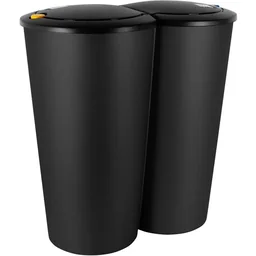
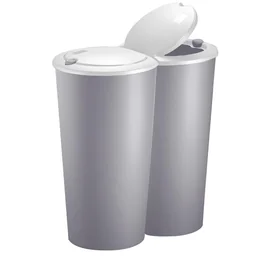
How can I organize household waste sorting?
A little planning makes sorting and disposing of household waste much easier. It saves time and stress.
Choose the right bins
Several small bins are often more effective than one large one. Sort waste where it’s generated.
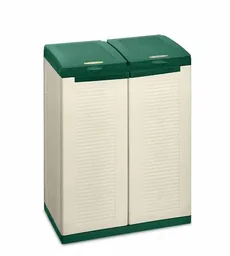
In the kitchen, use separate bins for trash, food scraps, and recyclables. An in-stock double bin such as the
can hold two types of waste. For outdoor use, try a weather-resistant system such as the .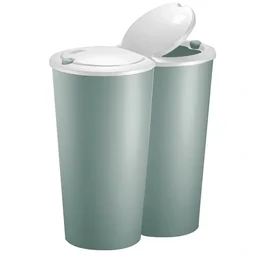
Make space and establish routines
Put bins where waste is generated. Keep food scraps and trash in the kitchen; a spot in your home office or hallway might work better for paper recycling.
Empty small collection bins into the large outdoor bins regularly to prevent odors and pests. Browse our small items category for compact, attractive ways to keep things tidy.
Extra tip
You don’t need to rinse yogurt cups completely. A quick scrape is enough; they don’t need to be dishwasher-clean. This saves water and energy.
Special cases in everyday life
Some types of waste can be confusing. Here are clear answers.
Toys, CDs and small plastic toys
Broken plastic toys without electronics go in the trash. Donate toys that are still in good condition. Even though they're made of plastic, old CDs and DVDs don't belong in your recycling bin. Throw them in the trash or take them to a special collection point.
Frying grease and cooking oil
Never pour them down the drain or put them in the trash. Let used grease cool, collect it in a tightly sealed container (such as its original tub) and take it to a collection point, such as a recycling center. Many supermarkets also accept used cooking oil.
Wallpaper and renovation waste
Old wallpaper scraps belong in the trash as long as they aren't vinyl-coated. Larger amounts of construction waste, such as plaster, tiles and rubble, must be taken to a waste disposal company or recycling center. They don't belong in your household trash bin.
Make waste sorting easy for children
Children learn by watching adults. Get them involved in sorting waste from an early age.
Explain in simple terms why sorting waste matters. Use colorful bins or stickers with symbols. To encourage them as they start tidying their own room, offer an appealing accessory such as the
or a as a fun reward.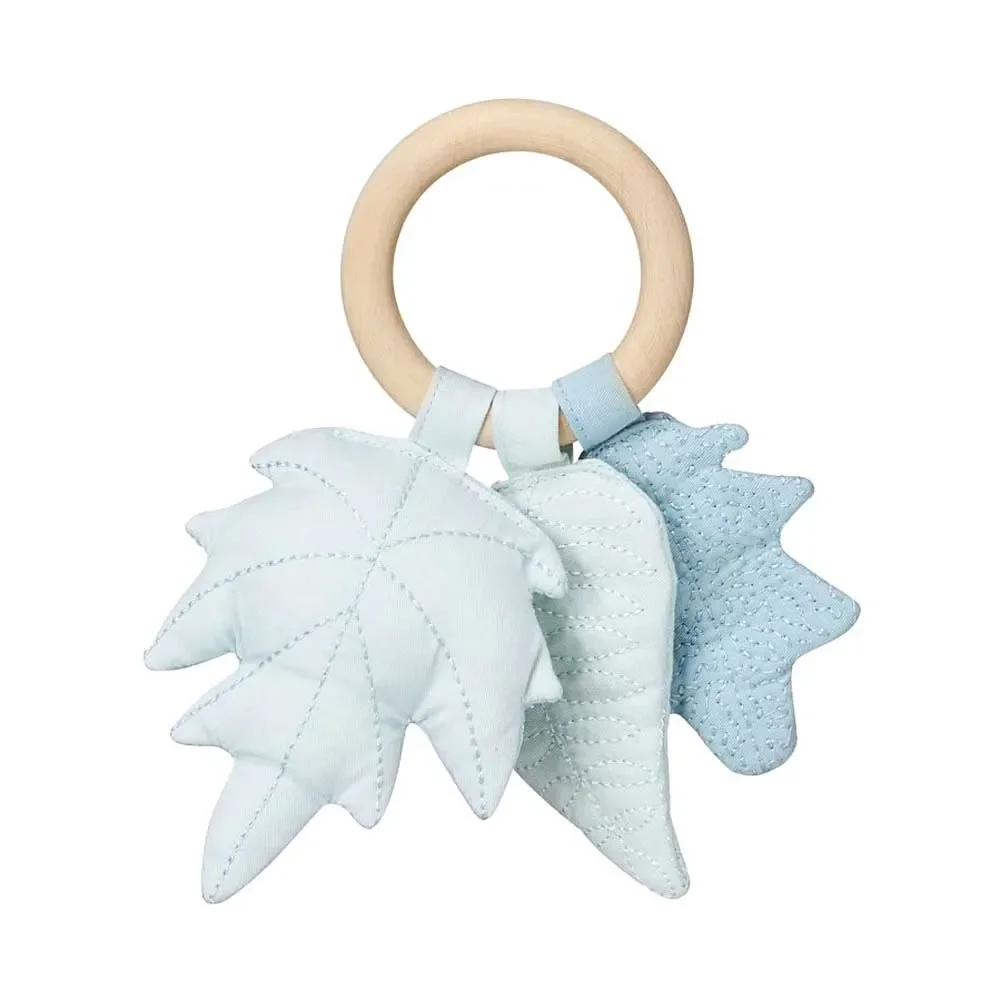

Explore more ideas in our baby muslin blankets and baby burp cloths categories. Browse our Christmas toys sale to find a gift that will bring lasting joy and stay out of the trash for a long time.
Conclusion: Sort waste properly and reap the benefits
Sorting household waste correctly isn't rocket science. Once you know what belongs in the trash, everything else becomes easier. You'll help protect the environment and conserve resources.
Invest in a waste-sorting system that suits your home. A product such as the
makes it easy. Start today with one simple change, such as keeping batteries out of the trash. Every step counts.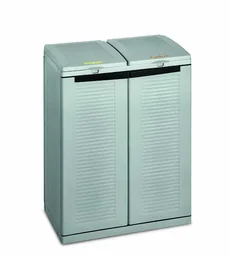
Frequently Asked Questions
- Can broken plastic toys go in the trash?
- Yes, broken plastic toys that no longer work and contain no electronics belong in the trash. They're often made from composite materials that can't be recycled. Donate toys that are still in good condition. Never throw battery-operated toys in the trash; take them to an e-waste collection site instead.
- Do diapers go in the trash or compost?
- Diapers always belong in the trash. They're made from plastics, superabsorbents and cellulose, which don't break down in compost and can interfere with the composting process. Roll up used diapers tightly to contain odors. Find practical storage solutions for your child's room, such as the nursery for boys or nursery for girls.
- What should I do with a greasy pizza box?
- A pizza box that's heavily stained with grease belongs in the trash. Grease and cheese residue can contaminate paper recycling. If the box is only lightly stained, separate the clean sections and recycle them with paper. For an organized kitchen, practical sets such as PRODUCT_5240 are ideal.
- Do vacuum cleaner bags go in the trash?
- Yes, throw full vacuum cleaner bags in the trash. Their contents include household dust, hair and small particles that can't be recycled. Don't empty the bag, as this can stir up dust. When sorting household waste, look for systems that help keep everything organized.
- Can I put fireplace ash in the trash?
- You can throw small amounts of cold wood or coal ash in the trash. Wrap it in paper or put it directly in the trash can. Make absolutely sure the ash has cooled completely to prevent a fire hazard. Ash from charcoal grills also belongs in the trash, not in compost.
You may also be interested in
- How to sort household trash: A simple rule of thumb
- Recycling center: How to dispose of waste properly
- Household recycling: How to sort waste for a more sustainable everyday life
- Bulky waste disposal: What qualifies and how does it work?
- How to dispose of e-waste properly: A practical guide
- Zero waste at home: Simple tips for everyday life