
In brief: A well-equipped garden tool bag makes gardening more efficient. The essentials include a hand trowel, a small hand rake, pruning shears and sturdy gloves. Useful extras such as plant labels and garden twine round out your kit. Keeping tools organised and maintaining them regularly saves time and protects your plants.
Table of contents
Picture this: You’re in the garden, the sun is shining, and you spot the first weed spreading through the perennial bed. You want to tackle it right away. But where’s the weeding tool? And the gloves? The search begins, and your initial enthusiasm soon turns to frustration. A well-packed, organised garden tool bag puts an end to this time-consuming routine.
Your garden tool bag is a mobile toolbox and a constant companion as you move between beds and bushes. With the right essentials, you’ll have what you need for everyday jobs close at hand. That saves time and frustration while making gardening more efficient and enjoyable.
Anyone who creates gardens believes in the future.
What should you keep in a basic garden tool bag?
A good beginner's gardening kit doesn't have to be expensive or overloaded. Focus on the essential tools you need for 90 % of everyday jobs. Choose quality over quantity. A well-made tool feels better in your hand, lasts longer and makes the work easier.
Hand tools – The essentials
These three tools are the foundation of your collection. They’re every gardener’s extra pair of hands and should always be in your bag.
- Hand trowel: The ultimate garden essential. Use it to dig planting holes for perennials, seedlings and bulbs, loosen soil in pots and remove smaller weeds. Look for a sturdy connection between the handle and blade. Stainless steel is a good choice because it resists rust.
- Hand rake: With three or five tines, a hand rake is ideal for loosening and aerating soil in beds and planters before sowing. It also helps remove shallow-rooted weeds and work fertiliser or compost into the soil surface.
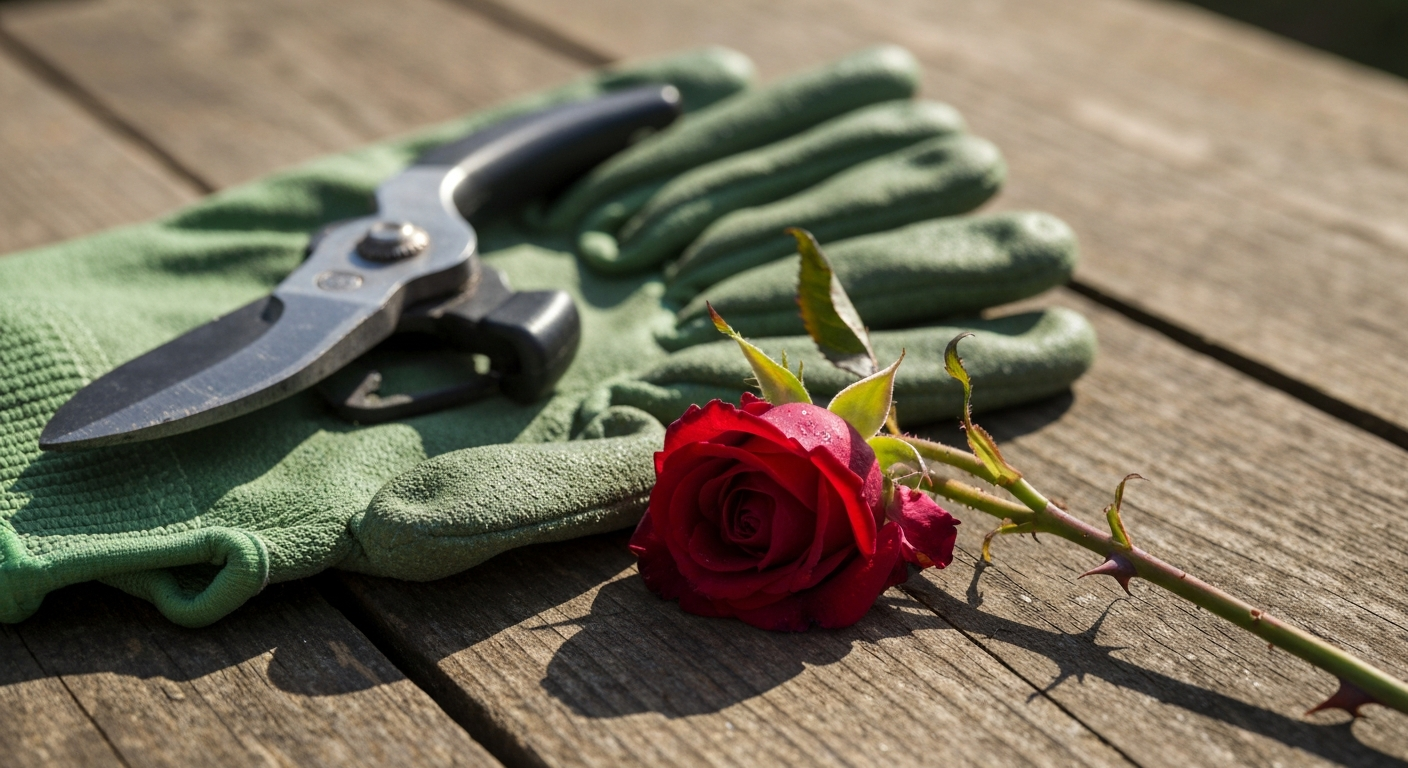
- Pruning shears: Precise pruning is essential for healthy plants. You’ll need good pruning shears for roses, perennials and small branches. Bypass shears, with two blades that slide past each other, are the best choice for clean cuts on live wood.
Protection and comfort – Your hands will thank you
Gardening is hands-on work, so protect your hands from dirt, thorns, sharp edges and moisture. A good pair of gloves is essential. Choose gloves that fit well while still giving you enough dexterity for the job. Different materials suit different tasks: wear thin fabric gloves for planting and sturdy leather gloves when pruning roses.
Important note
Don’t underestimate the risk of minor injuries. Soil can contain tetanus bacteria. Always wear gloves when gardening, and make sure your tetanus vaccination is up to date.
Small helpers with a big impact
Often, it’s the little things that make the difference. These garden accessories take up hardly any space but can prove invaluable.
- Garden twine or plant wire: Use it to support tall tomato plants, secure climbing roses or tie back spreading perennials. Keep a small roll in your bag.
- Plant labels and a waterproof marker: It’s easy to lose track when sowing seeds or planting new perennials. Label everything straight away so you know what’s growing where.
- Pocketknife: Handy for opening bags of soil, cutting twine or making small, precise cuts where larger pruning shears would be awkward.
How do you organise your garden tools effectively?
The best tools are of little use if you can’t find them. Effective garden tool organisation starts with the right bag and a simple system. That keeps everything close at hand and makes it easy to see if anything is missing.
Choosing the right bag or basket
A classic garden tool bag is often made from sturdy canvas or linen and has several outer pockets for quick access to hand tools. A large main compartment holds gloves, twine and larger items. Sturdy plastic buckets with clip-on tool belts or open wooden crates can also work well. The important thing is to choose a container that’s stable and easy to clean.
A system for staying organised
Make a habit of giving every tool its own place. The outer pockets are ideal for your trowel, rake and pruning shears. Small items such as plant labels or a knife fit neatly into smaller, closable compartments. This helps you avoid lengthy searches. Practical storage baskets can also help keep small items organised in the garden shed.
Pro tip
Personalise your garden tool bag. Add a small bottle of water, sunscreen, a packet of bandages and your mobile phone. You’ll be well prepared for longer gardening sessions and have everything important with you.
Why is it important to care for your garden tools?
High-quality garden tools are an investment. The right care helps them last for years. Clean, sharp tools make gardening more enjoyable and are better for your plants.
Clean your tools after every use
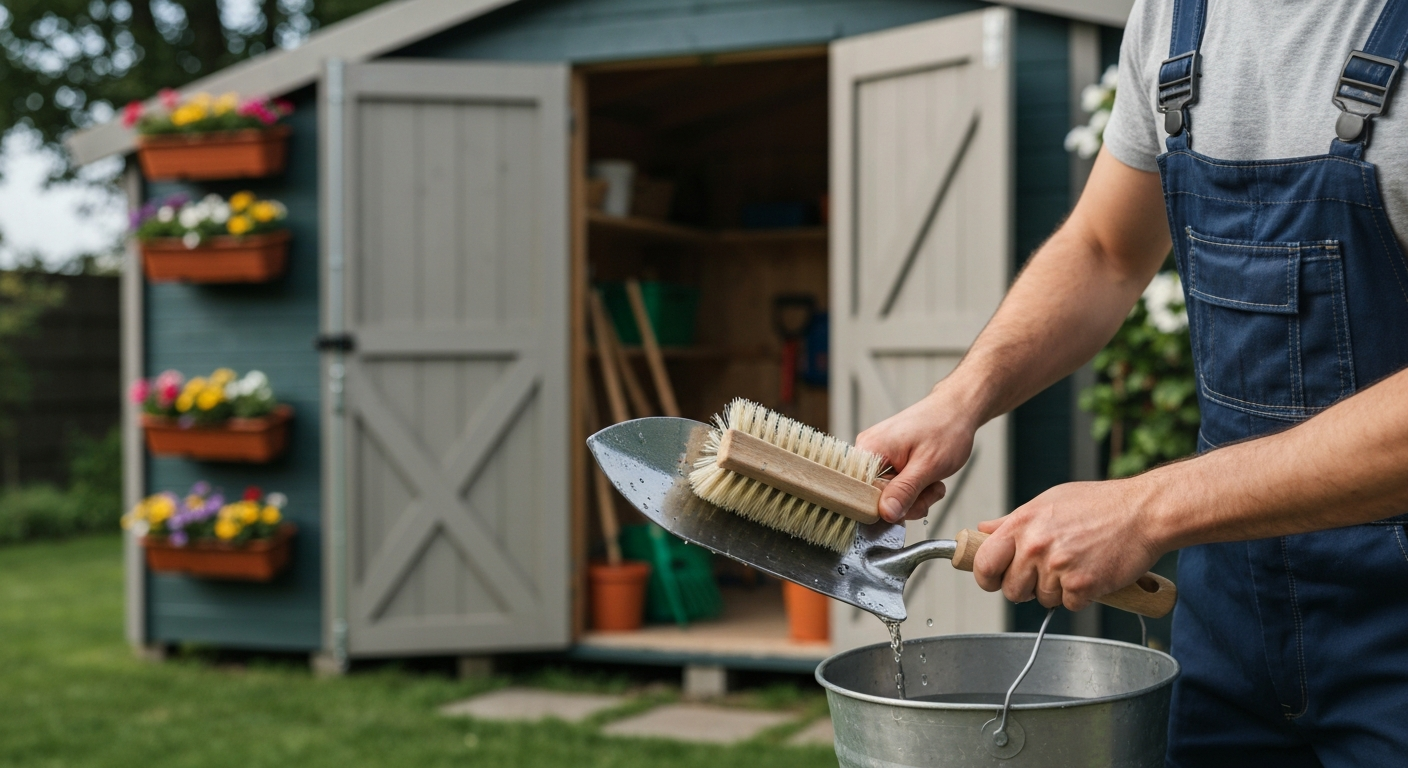
Make it a habit to give your tools a quick clean after each job. Brush off coarse dirt. Soak dried-on soil briefly in a bucket of water, then dry the tools thoroughly with a cloth to prevent rust. A handy
can help you keep all the brushes and cloths you need close at hand.
Sharpening for clean cuts
A sharp blade is especially important for cutting tools such as pruning shears. Blunt blades crush plant stems instead of cutting cleanly through them. The ragged wounds they leave are vulnerable to disease. Sharpen the blades regularly with a whetstone or knife sharpener. It’s well worth the effort.
A sharp, clean tool not only makes the work easier, it also protects plants from disease by leaving smooth cuts that heal faster.
Corrosion protection and storage
After cleaning and drying your tools, rub the metal parts with a lightly oiled cloth. This helps prevent surface rust and keeps moving parts running smoothly. Store your garden tool bag and its contents in a dry, sheltered place such as a garden shed or cellar.
The expanded tool kit for experienced gardeners
Once you’ve discovered your passion for Garden + Outdoor and are ready to take on bigger projects, you can expand your garden tool set with a few practical additions. These tools aren’t essential for everyday gardening, but they make specific tasks much easier.
Specialty tools for specific tasks
- Weeding knife: Ideal for deep-rooted weeds such as dandelions. Its long, narrow blade lets you pry the entire root out of the soil without disturbing the surrounding ground too much.
- Dibber: A simple, pointed wooden or metal tool for quickly making evenly spaced holes in the soil for seeds or small bulbs.
- Patio joint knife: Perfect for scraping moss and weeds from the joints between patio slabs or pavers without bending down.
- Bulb planter: A cylindrical tool that cuts out a neat plug of soil. Place the bulb inside, then fill the hole with the plug you removed.
Additional advice
Buy tools as you need them. Complete sets can be tempting, but you’ll often use only a fraction of what they contain. Start with the essentials and add tools selectively to suit your gardening projects.
Useful gardening accessories to work more efficiently
Along with classic tools, plenty of other accessories can make gardening more comfortable and efficient.
- A kneeling pad or garden kneeler: Protects your joints during longer tasks in the flower bed. Many models also have storage space for small tools.
- A flexible garden tub or collapsible bucket: Indispensable for collecting weeds and leaves or hauling soil and mulch.
- A tape measure: Useful for keeping the right distance between plants, which is essential for healthy growth.
A well-organized garden tool bag is more than just a collection of tools. It makes gardening more thoughtful and enjoyable, so you can focus on what matters most: helping your plants grow and thrive. If you want to delight a gardening friend, this kind of basic kit, perhaps with a lovely
, is always a welcome gift.
Frequently Asked Questions
- What are the three most important tools for beginner gardeners?
- The three essentials are a sturdy hand trowel for planting and digging, sharp pruning shears for making precise cuts on perennials and shrubs, and a pair of durable gardening gloves to protect your hands from thorns, dirt, and moisture. These tools can handle most everyday gardening tasks.
- How do I clean my garden tools properly?
- After each use, remove loose dirt with a brush and water. Then dry the tools thoroughly to prevent rust. Remove stubborn sap from pruning shears with a little oil or denatured alcohol. Regular cleaning can significantly extend the life of your tools.
- Which gloves are best for gardening?
- The best gloves depend on the task. For general planting, flexible fabric gloves with a rubberized grip are ideal. When pruning roses or thorny shrubs, durable leather gloves offer the best protection. Waterproof gloves are ideal for working with damp soil.
- Why are sharp pruning shears so important?
- A sharp blade makes a clean, smooth cut. This does less damage to the plant and helps the wound heal faster. Dull pruning shears crush the shoots, leaving ragged edges where diseases and pests can enter. Sharpen your pruning shears regularly.
- How should I store my garden tools over winter?
- Clean all your tools thoroughly and dry them completely. Wipe metal parts with a lightly oiled cloth to protect them from surface rust. Store the tools in a dry, sheltered place such as a shed or basement. Hanging them up is best for protecting the blades.
You may also be interested in
- Garden tools: The essentials for every gardening task
- How to care for garden tools and make them last longer
- Efficient harvesting: The best tools and tips for your garden
- How to clean and care for your garden tool bag
- My dream garden: Ideas for designing your garden
- Gardening gloves: How to choose the right pair for every task