
In brief: The best time to sow flowers depends on the variety. Sow heat-loving annuals outdoors after the last frost, from mid-May onward. Start frost-sensitive varieties indoors on a sunny windowsill as early as February. Biennials and cold-germinating flowers are best sown in late summer or fall.
A garden full of colorful blooms is a dream for many gardeners. The journey begins with a tiny seed. But turning that seed into a thriving plant takes more than soil and water. Timing is key: it affects germination, growth and how many flowers your plants will produce. With the right know-how, you can turn your garden into a blooming paradise.
Why does sowing time matter?
Every plant follows its own natural calendar, shaped over thousands of years. That calendar determines when conditions are right for germination. Temperature, day length and moisture are the main signals a seed responds to. Sow too early, and a late frost can kill tender seedlings. Sow too late, and the growing season may be too short for a full display of blooms.
Sowing at the right time gives young plants enough time to develop strong roots and healthy foliage before they flower. It also helps you make the most of seasonal conditions and grow plants better able to withstand pests and diseases. Paying attention to timing is a simple way to work with nature.
Those who want to garden in harmony with nature must never watch the clock, but must pay attention to nature’s signs.
Cold, warm and light germinators: What do you need to know?
To choose the right time to sow, you need to understand what your chosen flowers need. Flower seeds can be divided into several groups, each with its own requirements.
Cold germinators: The patient ones
Cold germinators, also called frost germinators, need a period of cold to break seed dormancy. In nature, winter does the job. Columbines, poppies, delphiniums and primroses are among the plants in this group. Sow these seeds directly outdoors in fall or late winter. The cold soil signals that it is time to get ready for spring.
Warm germinators: The sun lovers
Most annual summer flowers are warm germinators. Many come from warmer climates and need steady temperatures between 18 and 25 degrees Celsius to sprout. Popular examples include zinnias, sunflowers, marigolds and nasturtiums. Wait until the risk of frost has passed before sowing them outdoors, or start them indoors in a warm spot.
Additional advice
Always read the seed packet carefully. It has key information about germination temperature, sowing depth and the best time to sow that particular variety. Use it as your main guide.
Light and dark germinators
Another important difference is how much light seeds need. Light germinators need light to sprout, and their seeds are often very small. Scatter them on the soil surface and press them down gently, but do not cover them with soil. Poppies, impatiens and begonias are examples. Dark germinators, on the other hand, need darkness. Cover their seeds with a layer of soil about twice as deep as the seeds are thick. Cornflowers and delphiniums are examples.
Flower seed sowing calendar: When should you sow each variety?
The gardening year has several sowing windows, each suited to different flowers. Whether you’re starting seeds on a windowsill or sowing directly in a flower bed, use this guide to enjoy blooms throughout the season.
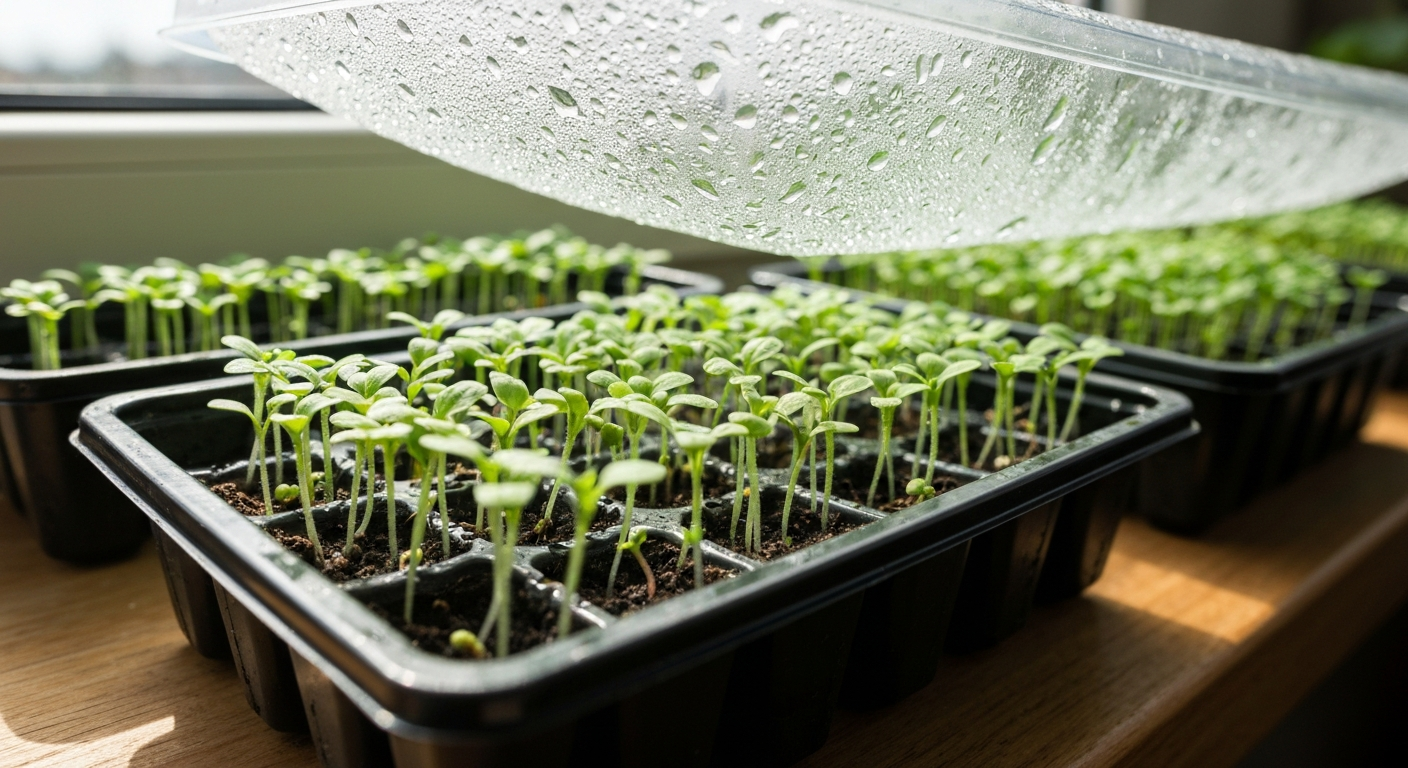
Starting seeds on a windowsill (January – March)
To get flowers blooming early in the season, start many varieties indoors. This gives frost-sensitive and slow-growing plants a valuable head start. You can begin as early as late January or February.
- Suitable varieties: geraniums, petunias, begonias, snapdragons and impatiens.
- How to proceed: Fill seed trays with seed-starting mix. Sow the seeds according to their needs (light or dark germinators) and keep the soil evenly moist. Choose a bright, warm spot. The right Garden + Plant Supplies, such as seed-starting pots, can make the job easier.
Direct sowing outdoors (April – June)
Once the soil has warmed up and hard frosts are no longer expected, you can sow outdoors. Many hardy annuals and Flower Seed Mixes can go straight into their final spot in the flower bed.
- Suitable varieties: marigolds, cornflowers, nasturtiums, cosmos, love-in-a-mist and sunflowers.
- Timing: You can sow hardy varieties outdoors as early as April. For more frost-sensitive warm germinators, it is better to wait until after the last expected frost, often around mid-May.
Important note
Keep your local last frost date in mind. May 11 to 15 is traditionally considered a risk period for late-night frosts in parts of Europe. Wait until after this period to plant heat-loving seedlings started indoors outside for good. If frost is in the forecast, cover freshly sown areas with garden fleece.
Summer and fall sowing (July – October)
The sowing season doesn’t end in spring. Summer and fall are the best times to sow biennials and cold germinators.
- Biennial plants: Pansies, English daisies, forget-me-nots, sweet Williams and hollyhocks are sown now. They form a rosette of leaves in the first year, then bloom profusely the following spring.
- Cold germinators: As mentioned above, you can sow cold germinators such as columbines or corydalis in fall. Winter provides the cold period they need.
How do you prepare the soil for sowing?
A well-prepared seedbed is the foundation for successful germination. Young roots need loose soil so they can spread out and absorb water and nutrients. Take your time with this important step.
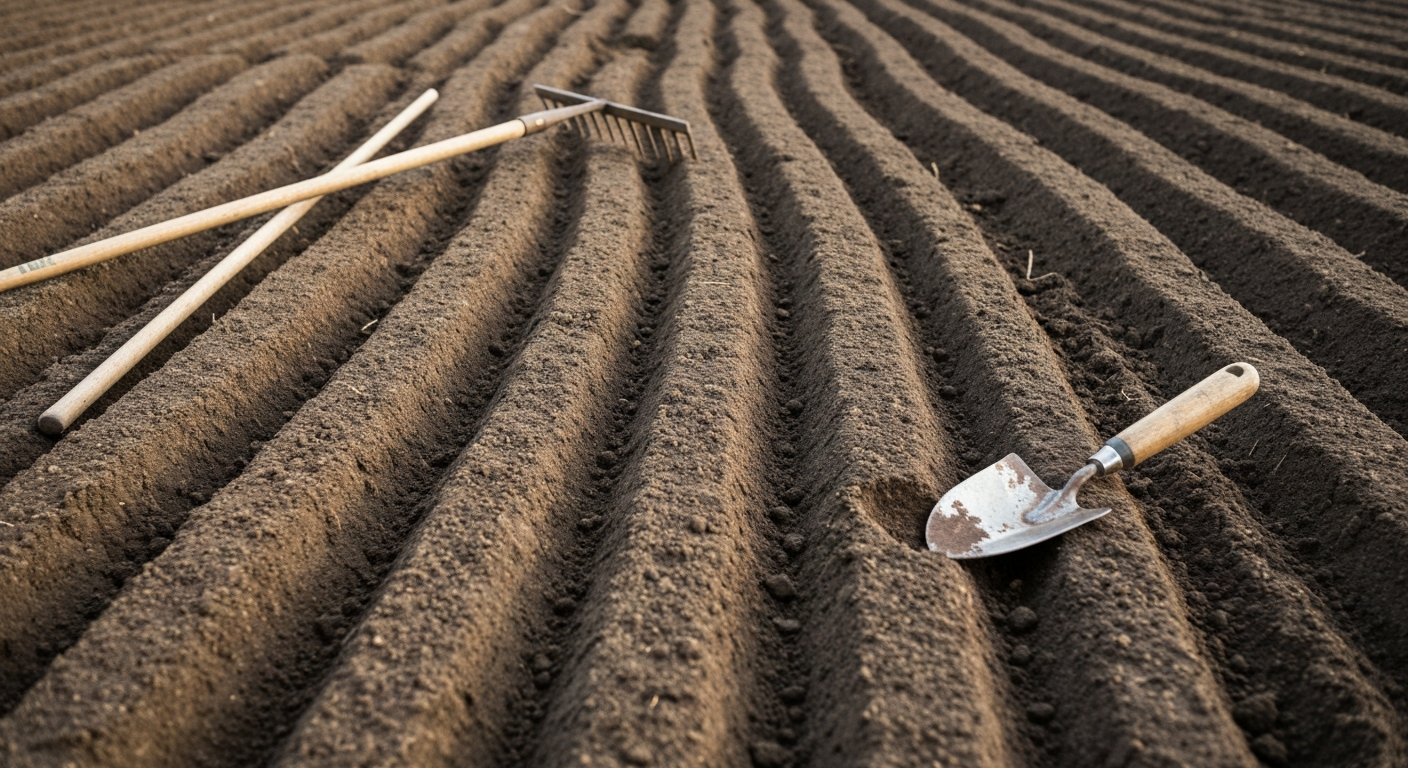
First, loosen the soil deeply with a digging fork or cultivator. Carefully remove all weeds, including their roots, so they don’t compete with delicate seedlings for light, water and nutrients. Remove stones and large clumps of soil, too.
Then rake the surface smooth until the soil has a fine, crumbly texture. Add compost to poor sandy soil to help it retain water. Mix sand into heavy clay soil to prevent waterlogging. If needed, lightly work an organic Plant & Flower Fertilizer into the top layer of soil.
Step by step: How to sow flower seeds correctly
With the right technique, you can give your seeds the best possible start. Follow these simple steps for successful direct sowing outdoors.
- Check the seeds: Check the expiration date on the seed packet. Older seeds may not germinate as well.
- Make shallow furrows: Use a stick or the edge of a rake to make shallow furrows in the prepared bed. Space them according to the plants' mature height; you’ll find this information on the seed packet.
- Sow thinly: Scatter the seeds sparingly and evenly in the furrows. It’s better to sow too thinly than too thickly. Seedlings growing too close together will need to be carefully thinned later.
- Cover the seeds: Cover the seeds with soil, except for varieties that need light to germinate. As a rule of thumb, the soil layer should be about twice as deep as the seed is thick.
- Firm the soil: Gently press down the soil with a board or the back of your hand. This improves contact with the soil and helps the seeds absorb moisture.
- Water carefully: Gently water the sown area with a fine spray. A strong stream of water could wash the seeds away. Keep the soil consistently moist over the next few weeks.
Pro tip
Very fine flower seeds can be difficult to distribute evenly. Before sowing, mix them with a little dry sand or semolina. This adds bulk and makes it much easier to spread the seeds evenly throughout the bed.
Care after sowing: From seedling to flower
Your work isn’t finished once you’ve sown the seeds. Now it’s time to care for them and lay the groundwork for a beautiful display of blooms.
Watering and thinning correctly
The top layer of soil should never dry out after sowing. Water regularly, but avoid waterlogging, which can cause seeds and seedlings to rot. Once the seedlings have developed their first true leaves after the cotyledons and are growing too close together, thin them out. Remove the weaker plants so the strongest have enough room to grow.
Choosing the right time to sow is half the battle when it comes to a successful harvest or a magnificent display of flowers.
Fertilizing and pruning
Once the plants have reached a good size, they’ll benefit from extra nutrients. Add liquid fertilizer to your watering can every few weeks to support vigorous growth and abundant blooms. During the growing season, one of the most important care tasks is regularly removing faded flowers. This process, also known as deadheading, keeps the plant from putting its energy into producing seeds and encourages it to grow new buds instead. For a clean cut, use a sharp tool such as the
. This can extend the blooming season of many summer flowers well into fall.
Frequently asked questions
- Can I sow flowers in the fall?
- Yes. Fall is ideal for seeds that need a period of cold to germinate and for biennials such as pansies and hollyhocks. They develop strong roots over the winter and then bloom especially early and abundantly the following spring. Some hardy annuals can also be sown in the fall.
- What does it mean to start flower seeds indoors?
- Starting seeds indoors means sowing flower seeds early in the year, usually from February on, in small pots on a windowsill or in a greenhouse. This gives you sturdy young plants to transplant outdoors after the last frost, giving them a head start on growth.
- How deep should I sow flower seeds?
- Sowing depth depends on the type of seed. A good rule of thumb is to sow each seed about as deep as it is thick. Very fine seeds that need light to germinate shouldn’t be covered with soil. Simply press them onto the moist soil, where they can get the light they need.
- Why aren't my flower seeds germinating?
- There could be several reasons: you sowed at the wrong time or depth, the temperature was unsuitable, or the seeds didn’t get enough moisture. Also check the seeds’ expiration date. Sometimes seeds just need a little more time. Don’t give up too soon!
- Do I need special soil for sowing seeds?
- Yes, seed-starting mix is highly recommended. It’s low in nutrients, which encourages young roots to grow strong and spread out. Standard potting mix is often too heavily fertilized and can burn delicate seedlings or cause them to grow quickly but weakly.