
In brief: Use Wurzel-Weg preventively in spring and fall, when roots are most active. If you’re already noticing problems such as slow drains, use it right away to dissolve fine roots and help prevent complete blockages in garden and drain pipes before costly repairs are needed.
A well-kept garden with beautiful trees and shrubs is a pleasure to look at. But an invisible danger lies beneath the surface: roots. As they search for water and nutrients, roots can quietly work their way into the smallest cracks in drain pipes. What starts as a fine network of hair roots can quickly grow into a dense mass that slows drainage and eventually blocks the pipe completely. The result can be costly, time-consuming repairs.
Take action before it’s too late. Timely prevention can help protect your drainage system. With the right product at the right time, you can keep your pipes clear and avoid hassle and high costs. An effective product for the job is Wurzel-Weg. It dissolves invading roots without damaging your pipes or garden plants.
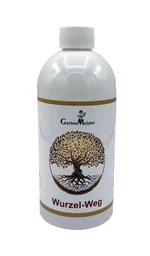
How can you tell if roots have entered a pipe?
Root damage develops gradually. The first signs are often subtle, but knowing what to look for can help you catch the problem early. Don’t ignore these warning signs—they may point to a growing problem in your home’s drainage system.
Warning signs you can hear and smell
Your drains can give you clues. A sudden, loud gurgling sound from the toilet, shower, or sink after you flush or drain water is a clear sign. Roots may be narrowing the pipe, leaving less room for air to escape.
Another unmistakable sign is an unpleasant, sewage-like odor coming from the drains. When debris collects around the roots and isn’t flushed away properly, it begins to rot.
Signs to look for in your home and garden
The most obvious symptom is a slow drain. Is water draining much more slowly than usual from your sink, shower, or bathtub? Does the water level in the toilet rise worryingly high after you flush? These signs suggest that flow through the pipe is already severely restricted.
Take a look at your garden, too. Are there unexplained wet or soggy patches above the route of your drain pipes? Or is the grass unusually green and lush in one spot? This may mean that water and nutrient-rich wastewater are leaking from a pipe damaged by roots.
A gurgling drain isn’t just a nuisance; it’s often the first sign of a problem that can lead to a burst pipe and repair bills in the thousands if left untreated. Acting early is the best way to protect your drainage system and avoid costly repairs.
Why are spring and fall the key seasons?
Timing your preventive treatment is key to its success. Roots don’t grow at the same rate all year. Their activity is closely tied to the seasons, and understanding these cycles can help you target root intrusion effectively.
Rapid growth in spring
After winter dormancy, nature comes back to life. As soon as the soil warms up, trees and shrubs begin a major growth spurt. They need plenty of water and nutrients to produce leaves and flowers. Their roots spread aggressively in every direction as they search for the best sources.
Drain pipes are an ideal source of water for roots. They release heat, and moisture constantly escapes through tiny leaks at joints or hairline cracks. This attracts fine feeder roots. Once they find a way inside, they can grow rapidly in the nutrient-rich environment. Treating your pipes in spring helps stop this growth before it becomes a problem.
Roots search for nutrients in fall
While growth above ground slows in fall, roots keep working. Plants prepare for winter by storing energy and nutrients in their root systems. Once again, warm, damp pipes are a prime target. Treatment in late fall removes newly established roots and helps keep your pipes clear through winter, reducing the risk of damage from standing water that freezes.
How to use Wurzel-Weg correctly: A guide
Using Wurzel-Weg is simple and safe when you follow a few basic steps. Plan the treatment so the product can work for as long as possible without interruption.
- Best time: Apply the product late in the evening before bed. This keeps water from flowing through the pipes for several hours, giving the product time to work effectively.
- Preparation: Let everyone in your household know not to use the toilets or drains for the next 6-8 hours.
- Dosage: Carefully read the instructions on the package. Mix the recommended amount of granules with water to activate them.
- Application: Slowly pour the activated solution into the highest drain in the affected drainage system, usually the toilet on the top floor. If the problem is in a basement floor drain, apply it there.
- Contact time: Let the product work for at least 6, preferably 8 hours. During this time, it breaks down the root cell structure so the roots die and can be flushed away.
- Flush through: The next morning, flush thoroughly with plenty of water to clear dead root residue from the system.
Important note
Wurzel-Weg is designed to treat developing and moderate blockages caused by fine roots. Don’t use it in a pipe that is already completely blocked, because the solution can’t reach the blockage. In that case, mechanical cleaning is essential.
Long-Term Strategies: How to Prevent Root Damage
Seasonal treatment is an important part of the solution. To protect your sewer pipes over the long term, you should also take additional steps. A comprehensive approach can help prevent the problem from coming back.
Choose the Right Plants
The best protection starts with planning your garden. Some plants have more aggressive roots than others, so learn about a plant's root growth before planting it. Keep trees with vigorous roots, such as willows, poplars, and maples, a safe distance from your pipes.
Near pipes, choose shallow-rooted plants or varieties with less aggressive root systems. These include many fruit trees grafted onto dwarfing rootstocks, magnolias, ornamental cherry trees, and flowering dogwoods.
A garden plan can also help protect your home. Choosing the right trees and shrubs near utility lines is one of the most effective and affordable ways to prevent root damage.
Root Barriers and Inspections
For new plantings, or if you want to keep a problem tree, root barriers (rhizome barriers) may help. These sturdy plastic panels are buried vertically in the ground to guide roots downward, away from your pipes.
Pro Tip
If you suspect a serious problem or are buying an older home, consider having a professional sewer camera inspection. A small camera moves through your pipes and gives you a clear picture of their condition. This can help you spot root intrusion, cracks, and other damage before it becomes an emergency.
Keep an Eye on What Grows Above Ground
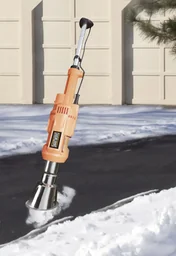
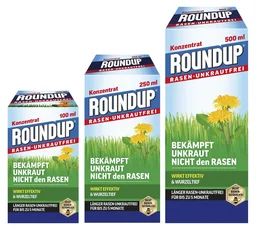
Pay attention to what's growing on the surface, too. Aggressive weeds with deep taproots can indicate soil conditions that may also affect your pipes. Keep the area above your pipes clear of these plants. A tool such as the hot-air weed killer with root spike attachment helps you remove these plants precisely, without chemicals. To control deep-rooted weeds throughout your lawn, a lawn weed killer concentrate can be a sensible way to tackle the problem at its root.
Additional Advice
Make pipe maintenance part of your overall garden care routine. Healthy, well-maintained lawn and garden soil give plants less reason to send their roots searching far and wide for water and nutrients, where they could threaten your pipes.
What Should You Do If Roots Have Completely Blocked the Pipe?
Prevention is ideal, but sometimes the problem has already gone too far. If water won't drain or starts backing up through the drains, there is likely a serious blockage. This is when chemical products such as Wurzel-Weg reach their limits because they can no longer get to the blockage.
In this case, you'll need mechanical pipe cleaning. Professionals use specialized tools for the job:
- Motorized drain snakes: A long, flexible snake with a specialized cutting head is fed into the pipe. It cuts through the roots and breaks up the blockage.
- High-pressure water jetting: High-pressure water flushes the remaining roots and buildup out of the pipe, thoroughly cleaning its interior.
Contact a professional contractor if you have a complete blockage. Trying to clear a serious blockage yourself can cause further damage to the pipe.
Planning ahead is key. Apply Wurzel-Weg regularly in spring and fall to help prevent emergencies. You'll keep roots under control, maintain your wastewater pipes, and protect your property's value. Take action before a problem develops.
Frequently Asked Questions
- How often should I use Wurzel-Weg as a preventive treatment?
- For optimal protection, use Wurzel-Weg twice a year: once in spring to help control aggressive growth and again in late fall to prepare your pipes for winter. If many trees grow near your pipes, more frequent applications may be advisable.
- Will Wurzel-Weg damage my trees or plants?
- No. When applied correctly through the drain, Wurzel-Weg only affects roots that have grown into the pipe. It works locally and does not affect the health of the tree or surrounding garden plants.
- Can I use Wurzel-Weg if the pipe is completely blocked?
- Wurzel-Weg is intended primarily for prevention and early-stage blockages. If the pipe is already completely blocked, the product can no longer reach the roots. In this case, a professional will need to clear the pipe mechanically.
- Is Wurzel-Weg suitable for all types of pipes?
- Yes. Wurzel-Weg's formula is suitable for common pipe materials, including plastic (PVC, PE), concrete, cast iron, and clay. It does not attack pipe materials; it specifically breaks down the organic root structures blocking the drain.
- What are the first signs of roots in a pipe?
- Watch for gurgling drains, water draining slowly from the toilet or shower, and unpleasant odors. In the garden, unexpectedly wet spots or especially lush grass growing above the pipe route can also be early warning signs.
You May Also Be Interested In
- Roots in Sewer Pipes: Your Year-Round Protection Plan
- Wurzel-Weg: How to Remove Roots from Pipes - Guide
- 5 Common Mistakes When Removing Roots from Pipes
- Wurzel-Weg Review: Effective & Safe for Removing Tree Stumps?
- Stop Roots in the Garden: 5 Effective Methods & Guide
- When to Kill Weeds with Hot Air: The Seasonal Guide