
In brief: White spots on leaves usually indicate fungal diseases such as powdery mildew or downy mildew. They develop in warm, humid weather or in dry, muggy conditions. An accurate diagnosis is essential because treatment strategies vary. Acting quickly with fungicides and adjusting plant care can save your plants.
White Spots on Leaves: Causes & Solutions
A healthy garden is a joy. But suddenly, white spots appear on the leaves of your roses, cucumbers or ornamental plants. You should take this warning sign seriously. We show you how to identify plant fungi and which steps to take to combat them.
What are the most common causes of white spots?
White spots are almost always a sign of stress or disease. Fungal diseases are the main suspects, but care mistakes and pests are also possible. An accurate diagnosis is the first step towards recovery.
Powdery mildew: The “pretty” fungus
Powdery mildew forms a flour-like, wipeable coating on the leaf surface. It mainly affects ornamental plants such as roses, asters and phlox, as well as cucumbers, courgettes and grapevines. This fungus thrives on warm days and cool nights. It can also spread in dry weather.
Downy mildew: The hidden danger
Downy mildew appears as yellowish to brownish spots on the upper surface of the leaves. On the underside, you will find a grey-white, velvety coating of spores. It needs moisture and often affects lettuce, spinach, grapes and roses. A single rain shower is enough for it to spread.
“Distinguishing between powdery mildew and downy mildew is essential. While powdery mildew can grow in dry conditions, downy mildew requires moisture on the leaf. This determines your prevention measures.”
Other fungal diseases and symptoms
Not every white discolouration is mildew. Leaf curl, or Taphrina fungus, on fruit trees causes blistered, reddish-white deformations. Grey mould (Botrytis) often starts with wilting areas covered in grey growth. Mineral deposits from irrigation water or sunburn can also cause pale spots.
Important note
Do not confuse fungal infestation with nutrient deficiency. Magnesium deficiency appears as pale areas between the leaf veins, but usually without spots. A targeted soil test can provide certainty.
How can I tell the difference between powdery mildew and downy mildew?
The correct diagnosis determines your strategy. Check these characteristics.
- Location of the coating: Powdery mildew is mainly found on top, while downy mildew is always found underneath.
- Appearance: Powdery mildew is powdery and wipeable. Downy mildew looks fluffy or velvety.
- Leaf spots: With downy mildew, yellow-brown spots on the upper surface are the first sign.
- Weather: Powdery mildew prefers dry warmth. Downy mildew follows periods of rain.
Use a magnifying glass to inspect the undersides. Document the progression of the infestation with photos.
How can I effectively treat powdery mildew and other fungi?
Once the fungus has been identified, it is time to take action. Act quickly before the spores spread throughout the garden.
Immediate measures when plants are affected
Remove heavily affected leaves and shoots immediately. Put them in household waste, not on the compost heap. This interrupts the spore cycle. Disinfect your garden tools after pruning.
Use fungicides in a targeted way
Specialist fungicides can help with persistent infestations. Choose products approved for the affected plant. Spray in dry, calm weather and thoroughly cover both sides of all leaves.
Expert tip
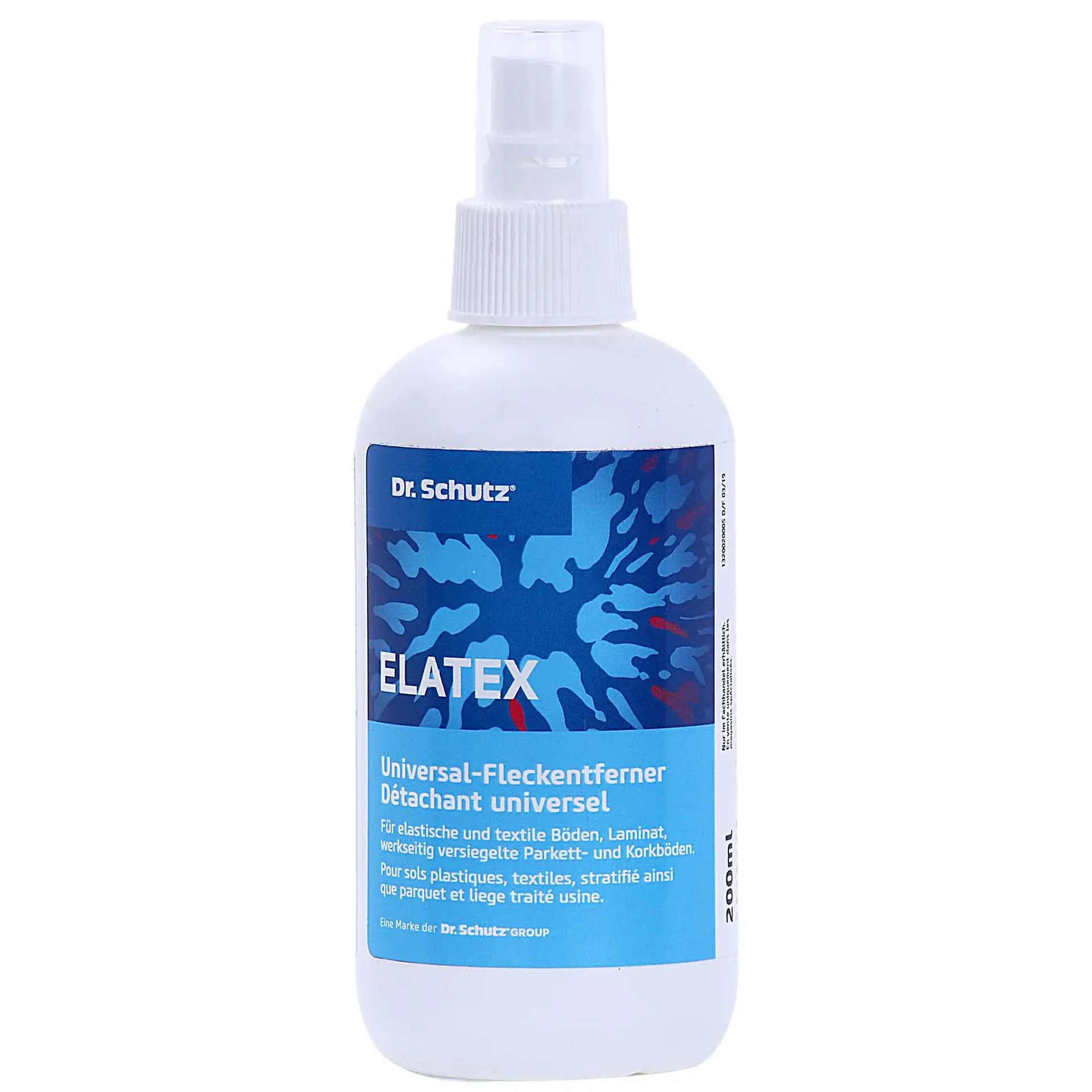
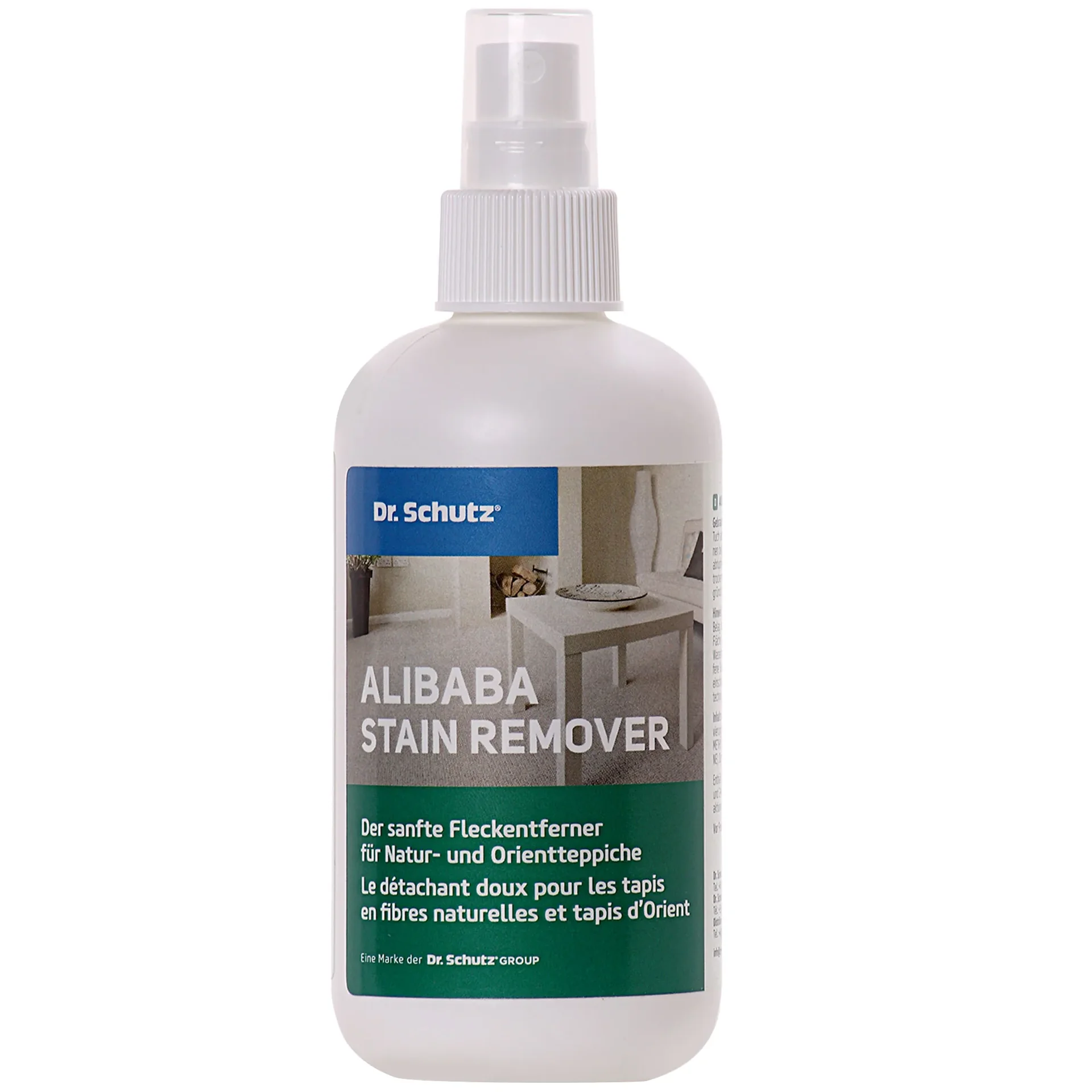
When treating mildew, always treat the undersides of the leaves as well. This is where the spores are found. When applying treatments repeatedly, alternate active ingredient groups to prevent resistance. Products such as our are effective against fungal leaf diseases.

For sensitive areas or after harvesting, or can also be used to clean surfaces that have come into contact with plant debris. Always follow the instructions for use.
“Prevention is the best plant protection. A sunny, airy location, robust varieties and proper watering can turn your garden into a fortress against fungi.”
Biological and mechanical alternatives
Netting or covers protect sensitive crops from too much rain. Beneficial insects such as ladybirds do not eat the spores, but they help support a healthy plant environment. A horsetail tea strengthens plant cell walls as a preventative measure.
How can I prevent fungal infestation in the garden?
A resilient garden is created through smart planning and care.
Location and plant selection
Choose resistant varieties, identified by abbreviations such as ‘MR’ for mildew resistance. Do not plant too closely together. Good airflow helps the leaves dry quickly. Prevent waterlogging with well-drained soil.
Watering and fertilising correctly
Water in the morning and apply it directly to the roots. This allows the leaves to dry by evening. Avoid over-fertilising with nitrogen, as soft, lush growth is more susceptible. A potassium-rich fertiliser promotes strength.
Additional advice
Mulch your beds. A layer of straw or bark mulch prevents spores from splashing from the soil onto the leaves. Check your plants weekly for early signs. Early detection is half the battle.
Garden hygiene throughout the year
In autumn, thoroughly clear away diseased fallen leaves and pruning waste. Clean greenhouses and cold frames before the new season. Disinfect pots and tools. A clean garden is a healthy garden.
Which plants are particularly at risk?
Some plants are especially prone to powdery mildew. These include roses, cucumbers, zucchini, black elderberries, grapevines and gooseberries. Maple, phlox and delphiniums are also frequently affected.
Take extra precautions with these species. Do not plant them in sheltered, windless corners. Make sure they get enough sunlight. If the problem persists, replace the variety with a mildew-resistant one.
When should I seek professional help?
If your measures are unsuccessful or large trees and shrubs are affected, consult a professional. Expert advice is also important if symptoms are unclear and could indicate a dangerous quarantine disease. Plant protection services in your region often provide identification assistance.
White spots on leaves are a warning sign, but no reason to panic. With systematic diagnosis, prompt action and preventive measures, you can restore balance to your garden. Strengthen your plants with optimum care and the right plant care supplies. This will help you keep leaf diseases and troublesome plant fungi under control.
Frequently asked questions
- Can I treat powdery mildew with home remedies?
- Yes, home remedies can help with a mild infestation. A mixture of 1 part fresh milk and 9 parts water is effective against powdery mildew. A baking soda solution (1 tbsp per 1 litre of water with a little rapeseed oil) can also inhibit the fungus. Spray the undersides of the leaves every few days. For severe infestations, fungicides from specialist retailers are more effective.
- Is powdery mildew dangerous to people or pets?
- The fungal spores of powdery mildew are not directly harmful to people or pets. However, they can trigger allergic reactions. Wash your hands thoroughly after gardening with infected plants. Do not eat heavily affected plant parts, as their flavour and nutritional value may be impaired.
- Why do white spots keep appearing in the same area of my garden?
- Fungal spores overwinter in fallen leaves, plant debris or the soil. Without thorough autumn clean-up, they infect new shoots in spring. Growing susceptible varieties in the same spot encourages infestation. Rotate susceptible crops and choose resistant varieties to break the cycle.
- Can white spots also be caused by pests?
- Yes, not all white coatings are caused by fungi. Mealybugs leave cotton-like deposits, while spider mites cause pale speckling. Thrips suck out plant cells, creating silvery-white spots. Inspect the undersides of leaves and shoot tips with a magnifying glass. Control measures include insecticides or beneficial insects, not fungicides.
- How can I prevent fungal infections in my greenhouse?
- Good ventilation is essential. Air the greenhouse regularly to remove humid air. Water in the morning directly at the roots so the leaves can dry by evening. Make sure plants have enough space between them. A layer of mulch prevents spores from splashing onto the plants. Resistant varieties and balanced fertilisation help strengthen plants.
You may also be interested in
- Leaf spot disease: How to identify, treat and prevent it
- Identify and successfully treat plant diseases
- How to get rid of whitefly: Protect your plants naturally
- Weeds with white flowers: Identify and remove them
- How to care for houseplants: Tips for healthy leaves
- Verticillium wilt: Identify it, prevent it and save affected plants