
In brief: If birds are staying away from your feeder, it may be for natural reasons, such as plenty of food in the wild or changes in the weather. Other causes include a location that leaves birds exposed to predators, poor-quality or spoiled food, and inadequate hygiene. Choose a safer spot, offer fresh, high-quality food and clean the feeder regularly.
Sudden silence at the feeder: where have the birds gone?
You carefully set up and filled your bird feeder. Just yesterday, chickadees, finches and sparrows were flocking around it. Today, it is eerily quiet. This can worry many backyard birders. But there are usually simple, natural reasons why your feathered visitors have suddenly disappeared. It does not necessarily mean you have done anything wrong.
Birdwatching in your own yard is a fascinating hobby. Once you understand what influences birds’ behavior, you can take targeted steps to make your yard an inviting place for wildlife again. Patience and the right approach are key.
Why have the birds suddenly stopped visiting my feeder?
Nature follows its own rules. Seasonal and environmental factors often influence birds’ behavior. Before moving the feeder or changing the food, consider whether nature itself is offering a more abundant food supply.
Natural food sources nearby
Late summer and fall can be a feast for birds. Trees and shrubs are full of ripe fruit, berries and seeds. Meadows and perennial plants offer plenty of insects and seeds. With so much food available, many birds prefer fresh, natural fare. Your feeder may temporarily lose its appeal. That is a good sign: it means the natural environment nearby is thriving.
Weather and seasonal changes
Weather plays a crucial role. In mild temperatures and without snow cover, birds may still find enough food on the ground in winter. During prolonged freezes and persistent snow cover, your feeder can become vital for survival and attract more visitors. A sudden warm spell can reduce activity, as can the start of spring or fall migration.
A feeder is like a restaurant for birds. How busy it gets depends not only on what’s on the menu, but also on nearby competition and the weather. Sometimes nature’s buffet is simply more tempting.
Population changes and migration patterns
Bird populations naturally fluctuate. A poor breeding season can mean fewer young birds and, in turn, fewer visitors the following year. Many species also migrate. Birds that spent the summer with you head south in fall, while winter visitors from the north and east may not have arrived yet. These seasonal changes can leave your feeder quiet for a while.
Could the feeder’s location be the problem?
Once you have ruled out natural causes, take a closer look at the location. For a bird, feeling safe while feeding comes first. Birds will avoid a poorly placed feeder, no matter how tempting the food is.
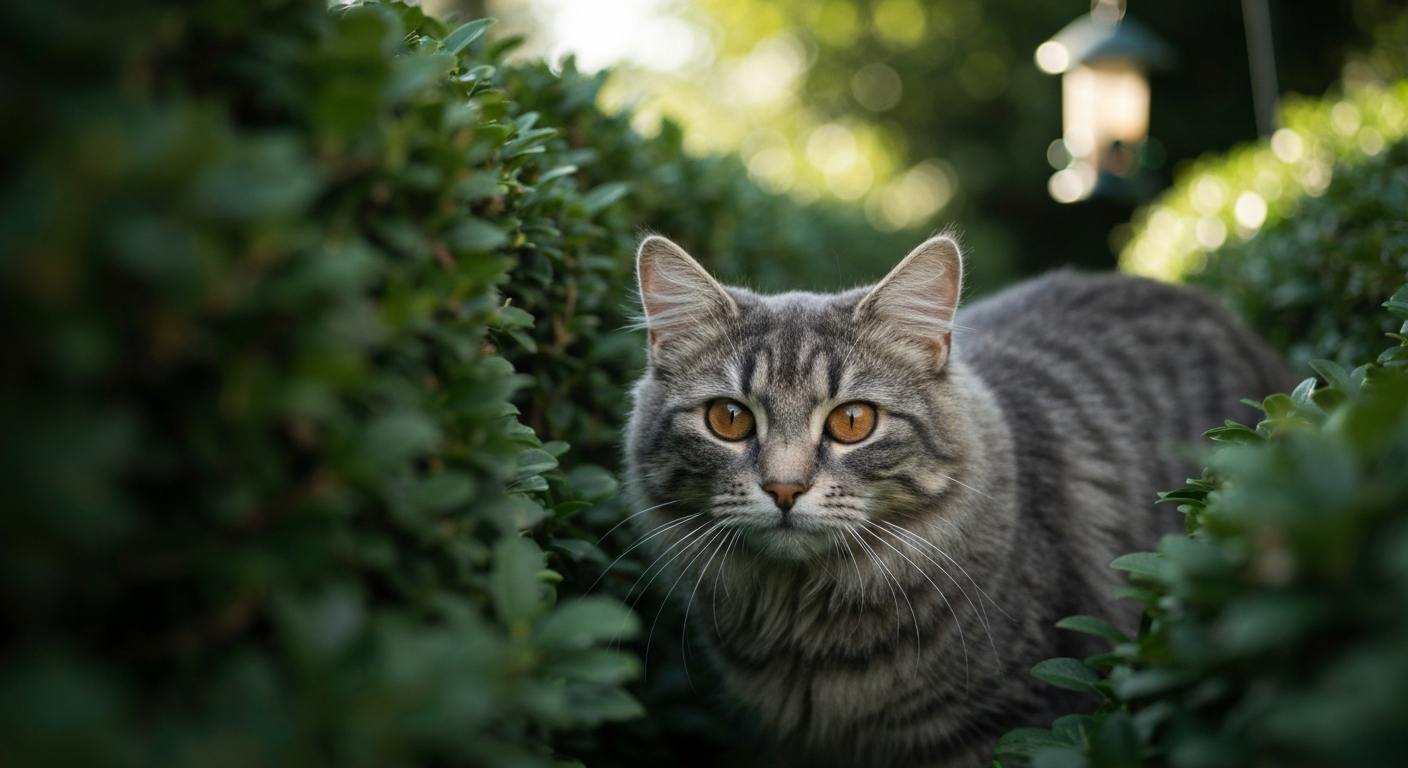
Not enough protection from predators
Cats pose the greatest danger to small birds at feeders, but martens and hawks can also be a threat. A feeder placed right next to dense hedges or beneath low branches gives predators the perfect cover for a surprise attack. Birds sense the danger and avoid the spot. An open location with a clear view is a better choice.
Place the feeder where birds can see clearly in every direction for at least two to three metres. A freestanding pole or hanging feeder also makes it harder for cats to reach.
Too much noise and activity
Birds are wary animals. Constant activity near a feeder can keep them away. Avoid spots beside a frequently used patio table, clothesline or window where people are often moving around. Children playing nearby or dogs running loose can also cause birds to avoid the area. Look for a quieter corner of your yard.
Additional advice
A source of water near the feeder can make your yard much more appealing. Birds readily use a shallow bowl of fresh water for drinking and bathing, especially on hot days and in winter, when natural water sources may be frozen.
Not enough cover or escape routes
A completely bare spot is not ideal either. Birds need nearby cover so they can quickly take shelter if danger appears, or check the area before flying to the feeder. Trees or larger shrubs a few metres away make ideal lookout posts. They offer shelter without giving predators a direct place to hide. The right balance of open visibility and nearby escape routes is essential.
How does bird food affect how many birds visit?
The quality and type of food you offer determine which birds you attract and how many. The wrong food, or food that has spoiled, may be why birds stop visiting—and it can put their health at risk.
Choosing the wrong food for different bird species
Different bird species have different food preferences. Broadly speaking, they fall into two groups: seed-eating birds and softbill birds.
- Seed-eating birds (e.g. finches, sparrows and tits) have strong beaks and love sunflower seeds, hemp seeds and crushed peanuts.
- Softbill birds (e.g. blackbirds, robins and thrushes) prefer oats, raisins, fruit or special softbill food.
A seed mix, such as classic 10 kg bird seed, mainly attracts seed-eating birds. To attract a wider variety, offer a mix of foods. High-quality wild bird food, such as 20 kg premium no-mess wild bird food, is an excellent choice because it leaves no seed hulls behind. For an especially energy-rich meal that can attract demanding species such as the great spotted woodpecker, try 20 kg deluxe bird food with mealworms.
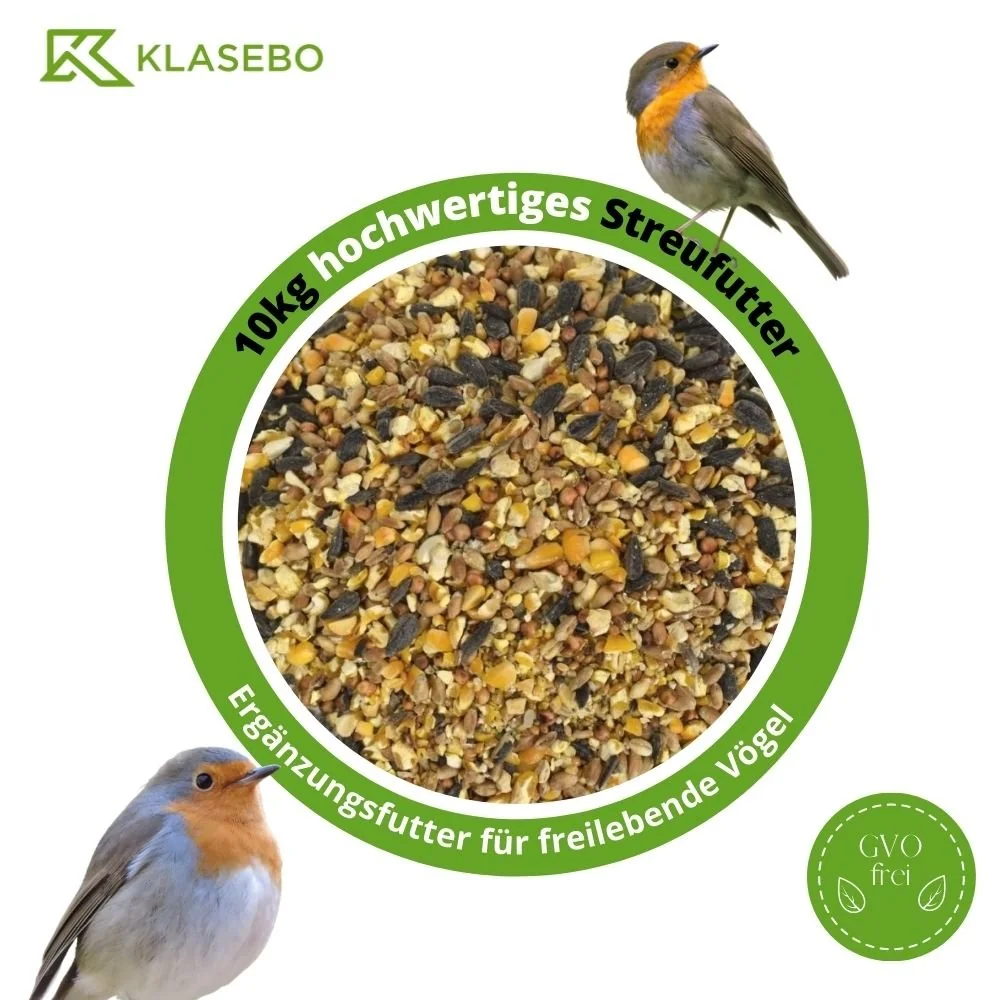
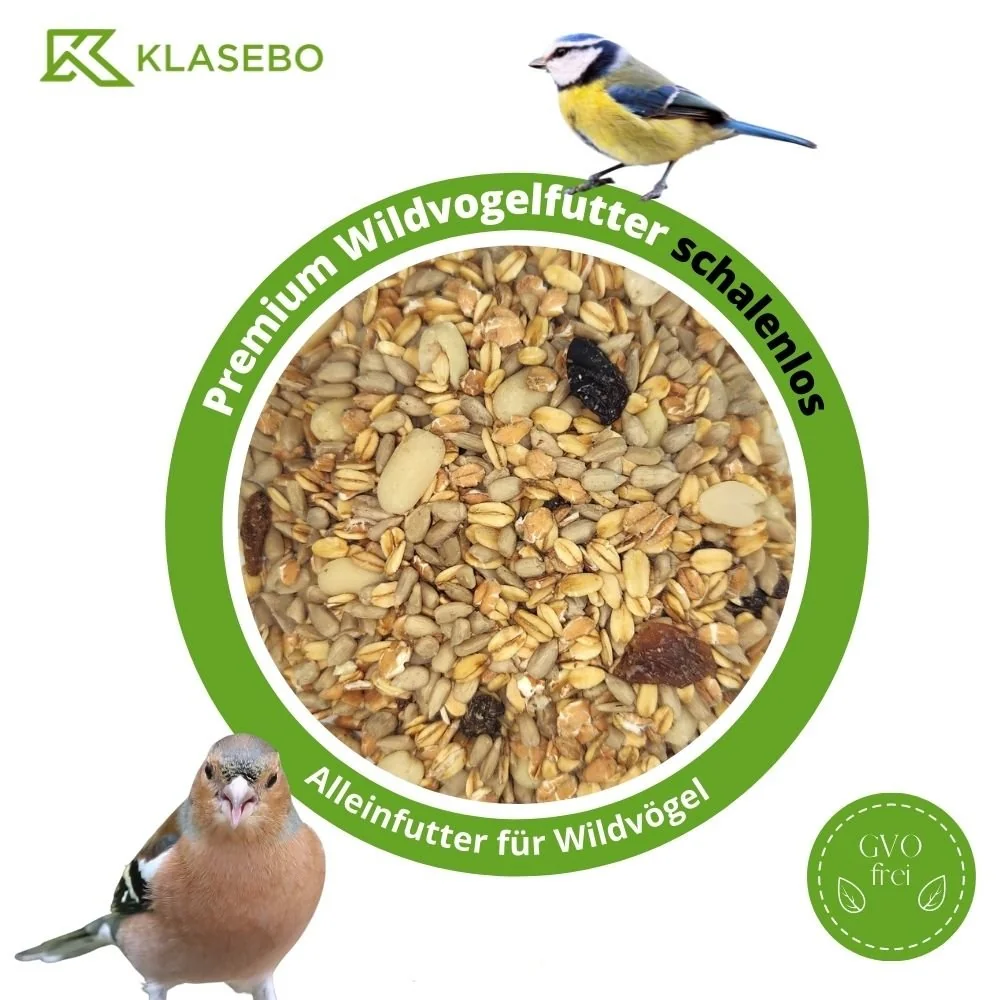
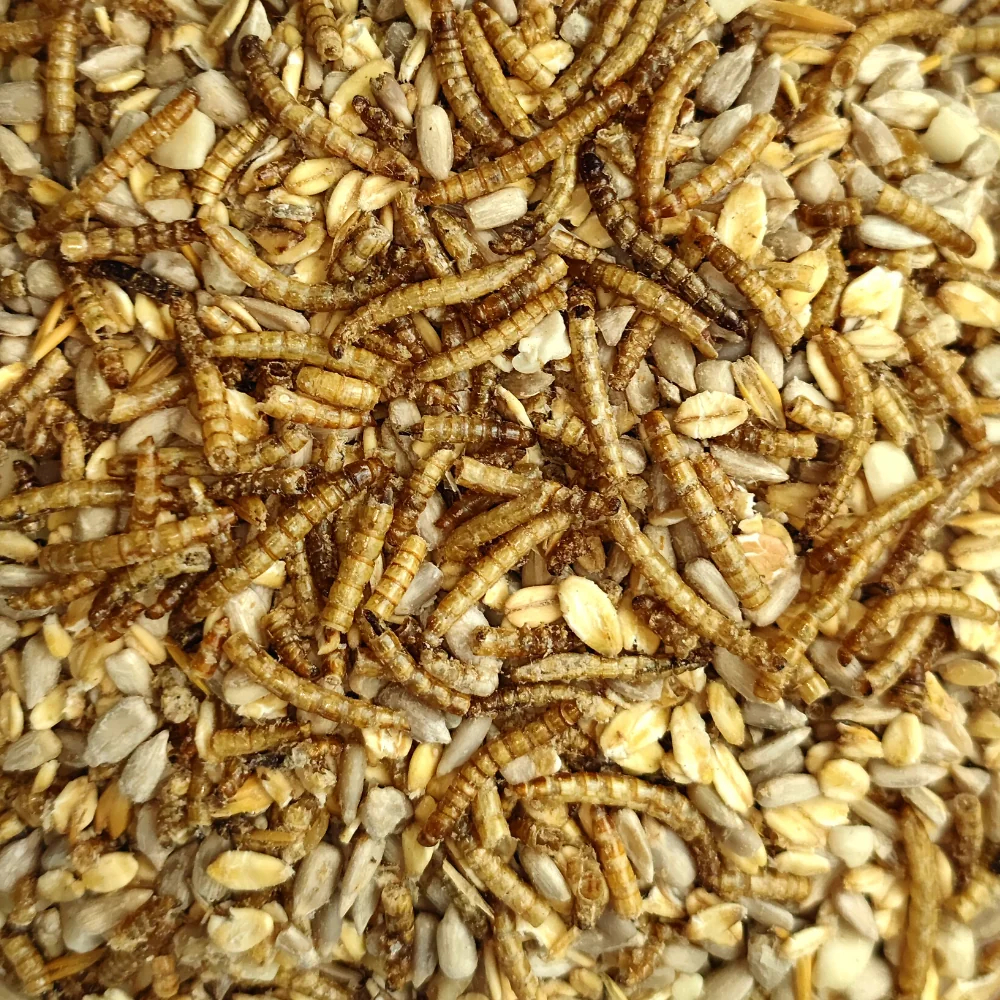
Spoiled or poor-quality bird food
Birds are quick to detect poor-quality food. They will reject food that is old, rancid or moldy. Moisture is the biggest enemy of bird food. Make sure your bird feeder keeps food protected from rain and snow. Store supplies in a cool, dry, sealed place.
Variety is key. Offer different types of food in different places—for example, a feeder for seed-eating birds, a feeding table for softbill birds and suet blocks for tits—and you'll attract a wider variety of species to your yard.
Poor hygiene at the feeding station
A dirty feeding station can harbor pathogens such as salmonella or trichomonads. Bird droppings in food can quickly spread disease and decimate local bird populations. Birds instinctively avoid unhygienic places, so regular, thorough cleaning is essential.
Important note
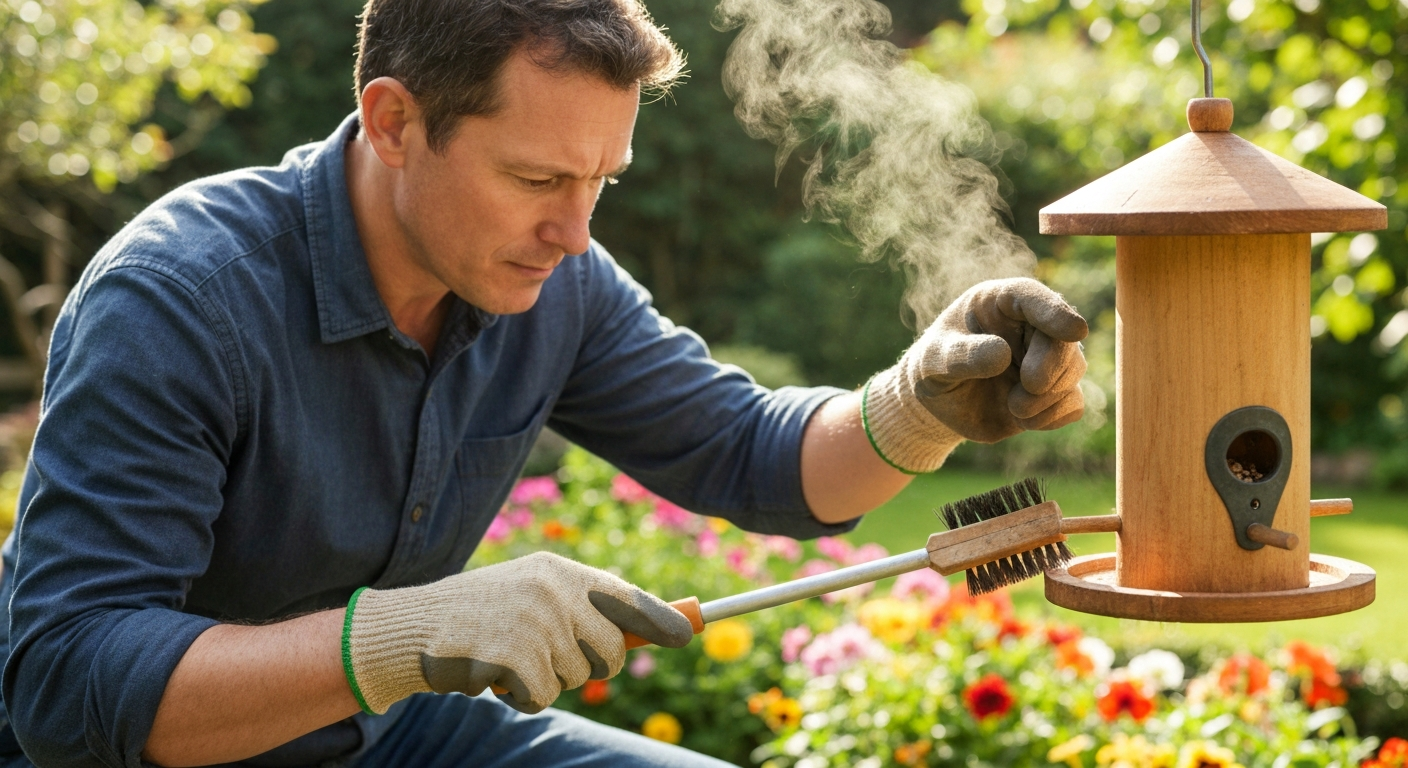
Clean your bird feeder at least once a week. Remove all leftover food and droppings. Rinse it with hot water and scrub it clean. Do not use chemical cleaning products. Let the feeder dry completely before adding fresh food.
What can I do to attract more birds?
If birds stop visiting, you can take targeted steps to encourage them to return. Often, even small changes can turn your yard into a popular spot for birds again.
Optimizing your feeding station
Take a critical look at its location. Choose a spot where birds have a 360-degree view and nearby trees or shrubs 2-5 metres away for cover and escape routes. Use feeders such as tube feeders to protect food from contamination and make it harder for cats to reach.
Choose the right food for every season and bird species
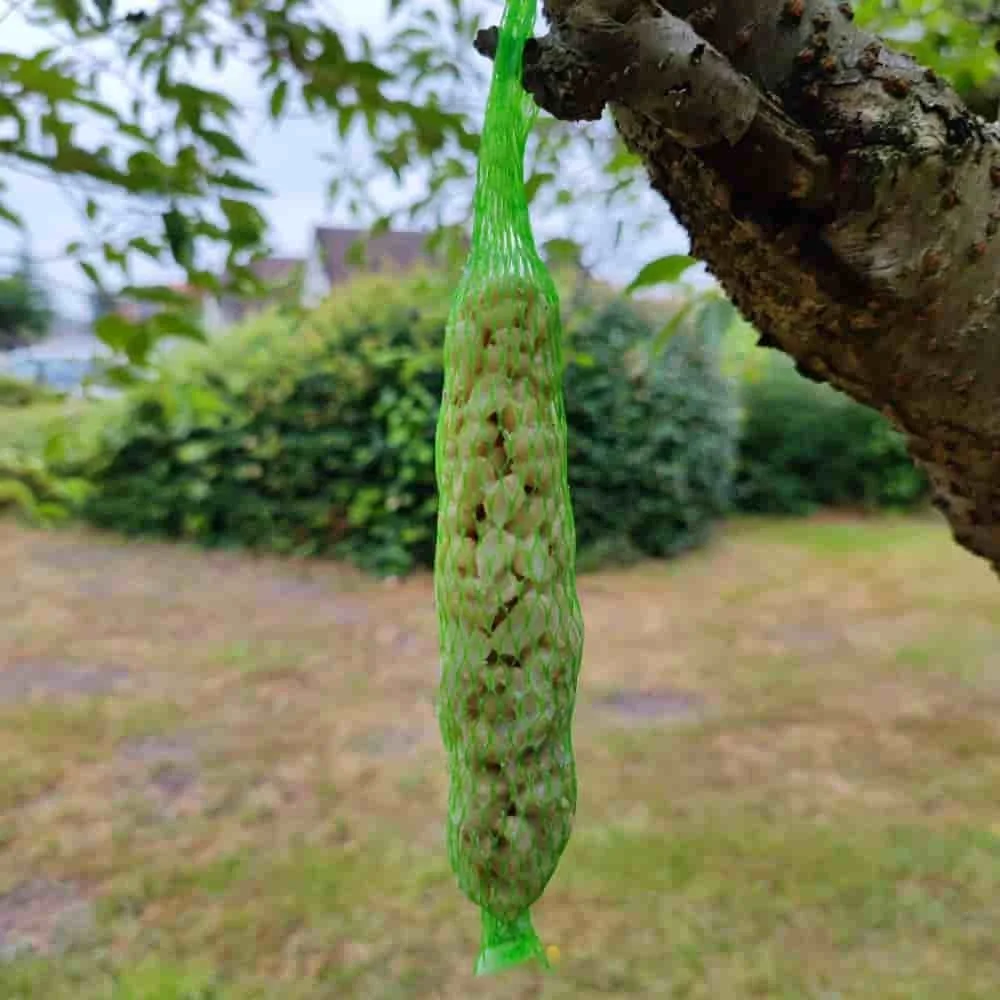
Adjust what you offer throughout the year. In winter, high-energy suet is especially popular. For example, these peanut bird food sticks make a welcome treat. A varied mix of grains and seeds, including peanuts for birds, will appeal to a wide range of species. Try different foods and see what the birds in your yard like best.
Top tip
Put food out in several small areas of your yard instead of using just one large feeding station. This spreads out the crowds, reduces stress and competition between birds, and gives shyer species a chance to feed in peace. It can increase both the variety of species and the total number of visitors.
Make your yard bird-friendly
The best way to protect birds is to create a natural yard. Native shrubs such as hawthorn, elderberry and rowan provide shelter and natural food in the form of berries and insects. A “wild corner” with nettles and thistles provides seeds for goldfinches and other finches. Avoid pesticides and create habitats. A bird-friendly yard is the most sustainable way to feed birds and attract them throughout the year.
Frequently Asked Questions
- Why have birds suddenly stopped visiting my bird feeder?
- There can be many reasons. Often, plenty of natural food is available, such as ripe berries or seeds in late summer. Changes in the weather, a new predator such as a cat in the neighborhood, or spoiled bird food can also keep birds away. Check the location, food quality and hygiene.
- Which bird food attracts the most birds?
- A varied mix attracts the widest range of species. Sunflower seeds are popular with finches and chickadees. Birds such as blackbirds and robins that prefer softer foods like rolled oats, raisins and fruit. High-quality mixes containing fat and insects such as mealworms are particularly nutritious and attractive to many species.
- How often should I clean a bird feeder?
- Clean bird feeders regularly, at least once a week, and more often if they are heavily used. Remove old food and droppings. Use hot water and a brush. Avoid chemical cleaning products so you do not endanger the birds' health.
- Where is the best place for a bird feeder in the garden?
- The ideal location is open and easy to survey, so birds can spot predators early. It should be around two to three meters away from dense bushes or trees. These provide a safe place to retreat, but do not give predators direct cover for an attack. Protect the feeder from strong wind and rain.
- Can the wrong or old bird food harm birds?
- Yes, definitely. Spoiled, wet or moldy food can spread diseases such as salmonellosis, which can be fatal to birds. Unsuitable food such as salty leftovers, bread or dairy products can also damage their health. Only provide fresh bird food that is suitable for the species.
You might also be interested in
- Wild birds in the garden: how to create nesting boxes and feeding stations
- Feeding birds: when is the right time? Suet balls tested
- How to feed birds in the garden: what is allowed?
- Attract birds: turn your suet ball feeder into a hotspot
- How to store bird food correctly: freshness and safety for birds
- How to feed blackbirds: the best way to help garden birds