
In brief: If your heating system is making noise, the cause is usually air in the system (gurgling), incorrect water pressure or an incorrectly set pump (humming, buzzing), or the thermal expansion of pipes (knocking, cracking). You can fix simple problems such as trapped air by bleeding the radiators. More complex causes, such as a faulty pump or valves, require a professional.
A quiet hum is normal. But if your heating system gurgles, knocks or whistles, it can be disruptive and may indicate a problem. Often, these are minor issues you can fix yourself. Sometimes, however, you need a professional. We explain how to identify the noises coming from your heating system and what you can do about them.
Why is my heating system gurgling and bubbling?
Gurgling or bubbling is the most common noise. The cause is almost always the same: air in the heating system. Over time, air collects in the radiators, usually at the highest points of the system. It blocks the flow of water, causing the radiator to heat unevenly or not at all. The trapped air creates the disruptive noises.
The solution is simple: you need to bleed the radiators. You can easily do this yourself. All you need is a radiator key, a cloth and a small container to catch any water that escapes. A suitable key belongs in every household and can often be found in the Plumbing + Irrigation section.
How to bleed your radiators step by step:
- Switch off the circulation pump: Switch off the circulation pump in your heating system. Wait around 30 to 60 minutes so the air can collect in the radiators.
- Turn the radiator thermostats fully up: Turn the thermostats on all radiators to the highest setting.
- Open the bleed valve: Place the radiator key on the radiator valve. This is usually located on the side opposite the thermostat. Have the cloth and container ready.
- Let the air escape: Slowly turn the valve anticlockwise to open it. You will hear a hissing sound as the air escapes.
- Close the valve: As soon as a steady stream of water comes out, close the valve again. Tighten it by hand only to avoid damaging the seal.
- Check the water pressure: After bleeding all radiators, check the pressure of the heating system and top up the water if necessary.
- Switch the circulation pump back on: Switch the pump back on. The noises should now have disappeared.
Expert tip
Bleed the radiators systematically. If you live in a multi-story home, start with the radiators on the lowest floor and work your way up. Air naturally rises, allowing you to remove it effectively from the entire system.
What does humming or rushing water in the heating system mean?
A constant hum, buzzing or rushing-water noise often indicates a problem with the circulation pump or water pressure. This pump ensures that hot water circulates from the boiler to the radiators and back again. If its speed is set too high, the water is forced through the pipes too quickly, causing loud flow noises.
Modern pumps adjust their output automatically. On older models, the speed can often be adjusted manually using a small switch on the pump. A lower setting is usually sufficient, reduces the noise and also saves electricity.
A correctly sized and adjusted high-efficiency pump can reduce the electricity costs of heating by up to 80 percent while also minimizing noise in the system.
Another cause of rushing noises is water pressure that is too low. Check the pressure gauge on your heating system. The needle should be in the green-marked area, usually between 1.5 and 2.0 bar. If the pressure falls below this, you need to top up the water. You can find instructions in the manual for your heating system.
Why does the heating system knock and crack when it warms up?
Rhythmic knocking or loud cracking, especially when the system heats up and cools down, is caused by thermal expansion. Metal expands when heated and contracts when cold. When heating pipes rub against walls, ceilings or their mounting clips, these expansion noises occur.
Check the route of the heating pipes. Are the pipe clips too tight? Do the pipes have enough room where they pass through walls or ceilings? Sometimes, simply loosening the clips slightly can help. For larger problems, the contact points can be lined with felt or special insulating materials. Proper heating pipe insulation not only helps prevent heat loss but also dampens this type of noise.
In rare cases, swapped flow and return connections at the radiator valve can also be the cause. Water flows through the valve in the wrong direction and forces it to close, causing a loud banging noise. The only solution is to have a professional replace it with a valve specially designed for this purpose.
Additional advice
In old, uninsulated pipe systems, cracking noises can be very pronounced. Modernizing the pipes, for example with flexible pipes such as the
, can help. These modern systems compensate for expansion more effectively and are quieter.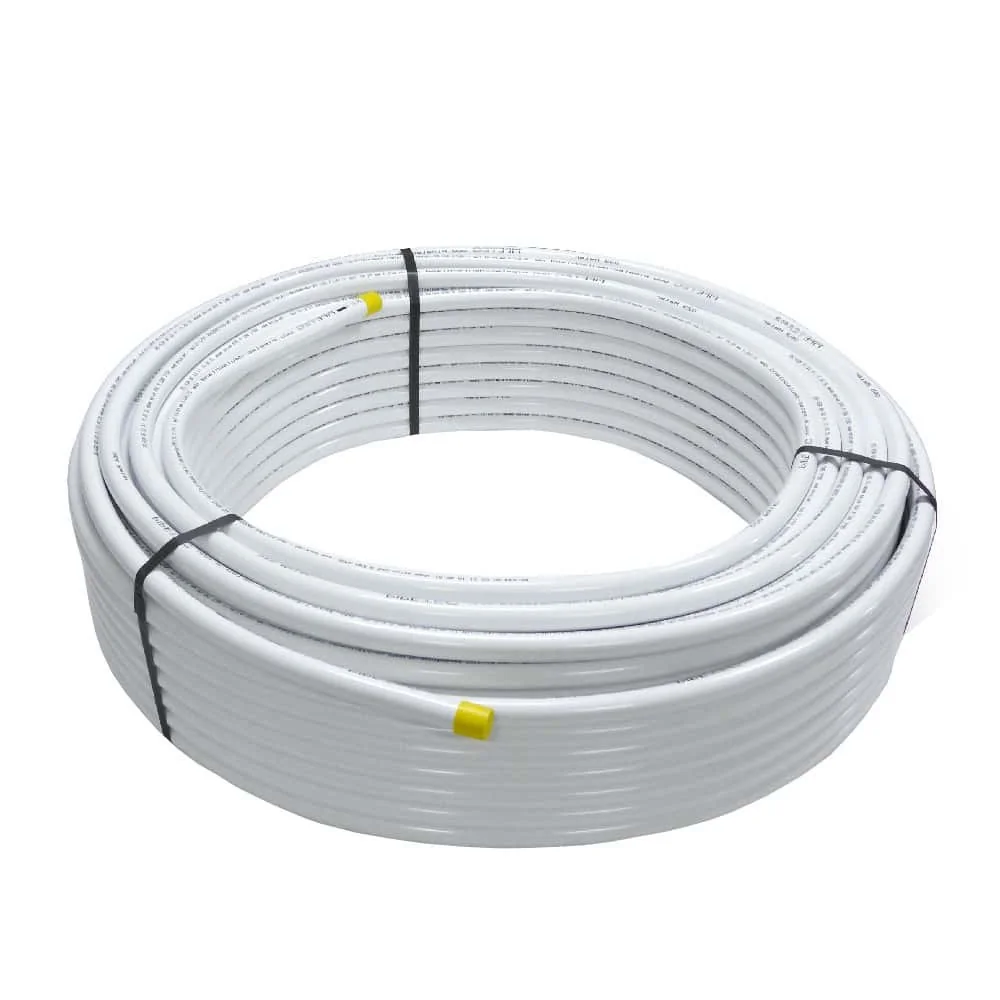
Which noises indicate a serious problem?
Many common heating noises are harmless, but some can signal a more serious problem that needs professional attention. Pay particular attention to high-pitched whistling or a dull rumbling from the boiler.
Whistling and hissing
A high-pitched whistle from a thermostatic radiator valve may mean the system has excessive differential pressure. Too much pressure is forcing water through the narrow valve. Hydraulic balancing can fix the problem. A heating professional adjusts the system so each radiator gets the right amount of water. This helps distribute heat evenly, lower heating costs, and stop the noise.
Important note
Only a qualified heating professional should work on the boiler, gas supply, or electrical components such as the control system or pump. Never try to repair these yourself. Doing so can be life-threatening!
Dull rumbling or loud banging
These noises usually come directly from the boiler and may be a warning sign. Limescale and sludge can build up on the heat exchanger. Water beneath the deposits can suddenly heat up and turn to steam, causing a kettling noise. This puts extreme strain on the material and sharply reduces efficiency. A professional must clean the boiler or, in the worst case, replace it. For safe system operation, an easily accessible
is also a smart addition to the boiler room.
How can I prevent heating system noises?
Regular maintenance is the best way to prevent annoying heating noises. Professional heating system maintenance helps keep your system quiet, efficient, and reliable for years to come. Have a heating professional inspect your system once a year.
During a professional service visit, these parts are checked and adjusted:
- System pressure: The pressure is checked and adjusted if needed.
- Circulator pump: The pump settings are checked for efficiency and noise.
- Valves: Key valves are tested to make sure they work properly.
- Burner and boiler: Cleaning helps ensure clean combustion and prevent buildup.
- Safety components: The expansion tank and safety valve are checked.
Regular heating system maintenance can prevent problems and reduce energy use by up to ten percent. That saves money and helps protect the environment.
A well-maintained system runs quietly and reliably all winter. An annual inspection can quickly pay for itself through lower heating costs and longer-lasting components. Find accessories and tools for simple maintenance in our maintenance supplies category.
Once you know what different heating noises mean, you can take care of minor issues yourself and recognize when to call a professional. That helps keep your home warm and peaceful.
Frequently Asked Questions
- Why is my radiator gurgling?
- A gurgling radiator most often means there is air in the heating system. Air bubbles collect in the radiator and keep hot water from circulating evenly. This makes noise and reduces heating performance. Bleed the affected radiator to fix it.
- What should I do if my heating system is knocking?
- Knocking often happens when heating pipes expand as they warm up and rub against brackets, walls, or ceilings. Check whether the pipe clips allow enough movement. The wrong flow direction through a valve or loose components can also cause knocking.
- Is a whistling noise from my heating system dangerous?
- A whistle is usually not dangerous, but it may indicate excessive pressure or a circulator pump running too fast. Water may be moving too quickly through the pipes and valves. A heating professional can balance the system hydraulically and adjust the pump to fix the noise and improve efficiency.
- How often should I bleed my radiators?
- Bleed your radiators when you hear gurgling or when a radiator does not heat properly even with the thermostat turned up. It is a good idea to check all radiators at the start of heating season and bleed them if needed. Otherwise, bleed them as needed rather than on a regular schedule.
- Can I adjust my heating system's water pressure myself?
- In most cases, you can adjust the water pressure yourself. Find the pressure gauge on your heating system. The recommended range is often marked in color (usually between 1,5 and 2,0 bar). To add water, connect the fill valve to a faucet with a hose and slowly fill the system until it reaches the target pressure.
You may also be interested in
- Heating not getting warm? Find and fix the problem
- Maintain your heating system: Tips to prevent heat loss and cracks
- How does a heating system work? Home heating basics, explained
- Heating system maintenance: Costs, benefits, and ways to save
- Heating system won't turn off? Find and fix the problem
- Replacing your heating system: When is it worth it?