
In brief: Maintain the ideal chlorine level through regular testing and targeted dosing. A level between 0,5 and 1,0 mg/l (ppm) is ideal for outdoor pools. You can test it with test strips or a digital photometer. If needed, top up the chlorine with fast-dissolving chlorine granules. Keep water quality stable by checking the pH and chlorine levels weekly, and dose more often during heavy use or hot weather.
Why is the right chlorine level so important?
Chlorine is essential for pool hygiene. It kills bacteria, viruses, and algae spores, helping keep the water safe for swimming. If the chlorine level is too low, germs and algae can grow unchecked. The water may become cloudy or green and potentially harmful to your health.
However, a chlorine level that is too high can also cause problems. It can irritate your eyes, dry out your skin and hair, and bleach swimwear. Prolonged over-chlorination can also damage pool materials such as liners and seals. The goal is to maintain a stable, ideal level.
For private outdoor pools, this is typically between 0,5 and 1,0 milligrams per liter (mg/l), also known as parts per million (ppm). For heated pools or very heavy use, a level of up to 3,0 mg/l may be appropriate. Accurate testing is the basis for deciding what to do next.
Pro tip
Test at the same time each day, ideally in the evening. Sunlight breaks down chlorine more quickly during the day. An evening test shows how much chlorine has been used, so you can dose accurately and keep the water disinfected overnight.
How do I test the chlorine level correctly?
You have two practical options: test strips or a digital photometer. Test strips are quick and easy to use. Dip a strip into the water for a few seconds, shake off the excess, and compare the color change after the specified wait time with the color chart on the packaging.
Digital photometers provide more precise readings. Place a water sample in the supplied test tube, add a reagent tablet or drops, and put the tube into the device. It measures the exact color intensity and displays the result digitally. This investment is worthwhile for professional pool care in the garden.
Measure the pH level as well as the total chlorine level. The pH level has a major effect on how well chlorine works. If the pH is too high (alkaline), chlorine is effective at only a fraction of its potential. Keep the pH between 7,0 and 7,4.
Important note
Store test strips and reagents in a cool, dry place away from light. Moisture or heat can affect the results. Check the expiration date, and use opened packs within one season because the chemicals lose their effectiveness.
What types of chlorine are available, and how do I dose them?
Two types are commonly used for routine chlorination in private pools: fast-dissolving chlorine granules and slow-dissolving chlorine tablets. Granules are ideal for shocking the pool or quickly raising the chlorine level. Dissolve them in a bucket of pool water according to the packaging instructions, then distribute the solution throughout the pool.
Chlorine tablets release chlorine slowly over several days. Put them in a floating dispenser or in the skimmer basket of your filtration system for continuous basic chlorination. You can often use both methods: tablets for routine treatment and granules for quick adjustments.
The dose depends on your pool's volume and the measured starting level. First, calculate the water volume in cubic meters (length x width x average depth). The packaging instructions tell you how many grams or tablets to use per cubic meter of water to raise the level by a specific amount.
“Many pool owners underestimate the effect of pH. If it is too high, chlorine can't do its job effectively. First adjust the pH to the ideal range with pH minus or pH plus, then add chlorine. You'll use fewer chemicals and get better results.”
Stabilizing chlorine: the role of cyanuric acid
Free chlorine breaks down quickly in the sun's UV rays. Cyanuric acid, also known as stabilizer, protects chlorine from breaking down. It is already included in many chlorine products, especially tablets. However, if the cyanuric acid level is too high (over 50 ppm), it can prevent chlorine from working effectively.
Test the cyanuric acid level once or twice per season. If it is too low, add stabilizer directly. If it is too high, the only solution is to partially drain the pool and refill it with fresh tap water. For all your pool maintenance supplies, you'll find what you need here.
What should I do if there are problems with water quality?
Cloudy water despite adding chlorine? This is a classic sign that the free chlorine level is too low or the pH is out of range. First, test the pH and adjust it as needed. Then shock the pool by adding an increased dose of fast-dissolving chlorine granules to temporarily raise the level to around 5 mg/l.
Keep the filter pump running during treatment and for at least 24 hours afterward. Also check the filter. A dirty sand filter or clogged filter fleece can significantly reduce cleaning performance. For cleaning accessories or the area around the pool, a powerful power tool such as our
can be helpful.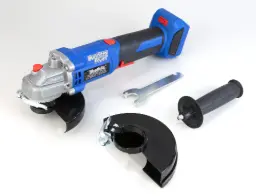
Additional advice
Don't forget mechanical cleaning. Even the best chlorine can't remove leaves, insects, or dirt from the pool floor. Vacuum the pool regularly with a pool vacuum. Use a leaf net to remove larger floating debris from the surface. Clean water requires less chlorine.
The dreaded “chlorine smell”
The pungent smell many people associate with chlorine is not caused by free chlorine, but by combined chlorine (chloramines). These compounds form when chlorine reacts with sweat, skin flakes, sunscreen, or urine. They are inactive and can strongly irritate the eyes and mucous membranes.
A high combined chlorine level means your pool needs a “shock treatment”. This involves adding a very high dose of chlorine (shock chlorination) to break down and neutralize the chloramines. Afterward, aerate the water well, for example with jets or water features, to disperse the remaining by-products.
How can I supplement my pool chlorine care effectively?
Chlorine is not the only factor to consider. A comprehensive range of pool equipment for your backyard includes several essential components. A pool cover is indispensable. It not only keeps leaves and dirt out, but also significantly reduces chlorine consumption caused by sunlight and evaporation. A high-quality pool cover is a worthwhile investment.
Filter run time is crucial. In summer, you should run the filter for at least 8-12 hours a day, or preferably continuously. This is the only way to circulate all the water through the filtration system several times a day and clean it. Cloudy water is a clear sign that the filter isn't running long enough.
“The best chemicals are useless if the mechanics fail. A clean filter is the heart of pool maintenance. Backwash the sand filter regularly or replace filter cartridges according to the manufacturer's instructions. In the long run, this saves chemicals and energy.”
Prevent algae without harsh chemicals
Algae thrive in stagnant water, warmth and sunlight. In addition to maintaining the correct chlorine level, you can take simple steps to prevent them. Brush the walls and floor every week to remove early signs of algae. Ensure good water circulation by correctly adjusting the return jets.
Keep the area around the pool clean. Leaves and soil contain nutrients that promote algae growth. A sturdy yard tool such as our
helps keep the area clean. Insects that land in the water also introduce organic matter. An helps reduce annoying flies and mosquitoes around the pool.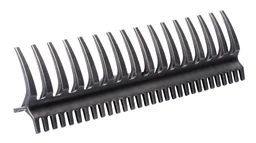
Your checklist for perfect pool maintenance
Complete these tasks regularly to maintain the ideal chlorine level and crystal-clear water.
- Daily: Skim the surface with a net. Check that the filtration system and pump are working properly.
- 2-3 times a week: Test the chlorine level and pH. Add more chlorine if necessary.
- Weekly: Vacuum the pool floor. Brush the walls and floor. Backwash or clean the filter.
- Monthly: Check the total alkalinity and cyanuric acid levels. Shock the pool if necessary.
- At the beginning and end of the season: Perform a complete water analysis. Clean the pool thoroughly, winterize it or prepare it for the season.
With this systematic approach and the right equipment, you can keep your pool's chlorine level stable within the ideal range. The result is safe, clear and inviting water that keeps you refreshed all summer long.
Frequently Asked Questions
- How often should I test the chlorine level in my pool?
- Test the chlorine level at least twice a week. If the pool is used heavily, exposed to strong sunlight or affected by rainfall, test it daily. Regular testing is key to preventing algae growth and bacterial contamination.
- What is the ideal pH for chlorine to work effectively?
- A pH between 7,0 and 7,4 is ideal for chlorine to work effectively. If the pH is too high (above 7,6), chlorine loses its disinfecting power. If the pH is too low (below 7,0), the water can become corrosive and damage materials.
- Can I add too much chlorine to my pool?
- Yes, you can add too much chlorine, and doing so is undesirable. Excessively high chlorine levels (above 3 mg/l) irritate the eyes and mucous membranes, bleach swimwear and put strain on materials. Reduce the level by partially replacing the water or waiting for it to break down naturally.
- What is the difference between free and combined chlorine?
- Free chlorine (FC) is the active, disinfecting component. Combined chlorine (CC) forms when chlorine reacts with dirt and is no longer effective. Total chlorine is the sum of both. High combined chlorine causes the typical 'chlorine smell' and indicates poor water maintenance.
- Why is my pool water green even after adding chlorine?
- Green water indicates algae growth, even when chlorine is present. Common causes include a chlorine level that's too low, an incorrect pH or insufficient filter run time. You'll need to shock the pool, run the filter for an extended period and possibly use an algaecide.
You may also be interested in
- Chlorine in Your Pool: Risks, Dosage and Alternatives
- Pool pH: How to Maintain It Properly and Effectively
- Plan and Maintain a Backyard Pool: The Path to Your Own Swimming Pool
- Green Pool Water? Effective Solutions and Prevention
- Pool Robots: Effective Cleaning for Your Swimming Pool
- Brown Pool Water? How Vitamin C Clears It Quickly