
In brief: A wildlife-friendly garden and a biodiverse balcony combine native plants, varied habitats and low-impact maintenance. Flowers throughout the seasons provide food, while water and dead wood offer places to shelter. Avoid pesticides, peat and overly tidy spaces. Step by step, you can create habitat for wild bees, butterflies, birds and soil organisms.
Direct answer: A wildlife-friendly garden and a biodiverse balcony combine native plants, varied habitats and low-impact maintenance. Flowers throughout the seasons provide food, while water and dead wood offer places to shelter. Avoid pesticides, peat and overly tidy spaces. Step by step, you can create habitat for wild bees, butterflies, birds and soil organisms.
Biodiversity takes more than a single insect hotel. It depends on food, nesting sites, water, shelter and healthy soil where tiny organisms can thrive. You can provide these essentials in a large garden or on just a few square metres of balcony.
A wildlife-friendly garden need not look neglected. It simply follows different rules: prune selectively, leave seed heads standing and make room for leaves, dry stems and small wild patches. On a balcony, pots, planters and vertical planting help make the most of limited space.
What does a wildlife-friendly garden mean for biodiversity?
A wildlife-friendly garden works with the conditions in your space. Sun, shade, soil, wind and moisture determine which plants will thrive. Choose species to suit those conditions instead of using lots of fertiliser, water and pesticides to make the space fit your preferred planting scheme.
Biodiversity is about more than the number of animal and plant species. It also includes genetic diversity within species and the variety of habitats. A garden with flowers, hedges, bare soil, fallen leaves and dead wood provides more ecological niches than a lawn surrounded by evergreen ornamental shrubs.
Plan for variety, not just individual showstoppers
A large butterfly bush can attract plenty of butterflies in summer. But it is not enough if there are no flowers in spring or caterpillars cannot find suitable food plants. Choose a range of plant species with different flowering times and growth habits.
- Food: Single flowers offer pollen and nectar. Seed heads feed birds and other wildlife in autumn and winter.
- Breeding: Some wild bees nest in the ground, while others use hollow stems or cavities. Butterfly caterpillars rely on specific food plants.
- Shelter: Hedges, leaves, grasses, perennials and dead wood protect wildlife from the weather and predators.
- Connectivity: Several small areas can serve as stepping stones when linked to nearby gardens, green corridors or trees.
Avoid choosing exotic plants with no ecological connection to the local area. Many ornamental plants look attractive but offer native insects little accessible food. A diverse bed of suitable native perennials usually does more good than a perfectly arranged but sterile planter.
“Biological diversity includes the diversity of species, genetic diversity within species and the diversity of ecosystems.”
How much space do you need?
You do not need a large area to create habitat. A sunny pot of thyme, a shallow water dish and a slightly wild patch with dry stems can improve conditions for many small species. The key is the quality of these features and keeping them available throughout the seasons.
In a garden, you can manage different areas in different ways. A short-mown path, a mown seating area and a border cut less often can work well together. If you do not want to transform the whole lawn, start with a patch of flowers and expand it later.
Find ideas for different spaces in the Garden and Outdoor section. Start with the conditions in your space, not a shopping list.
How can you create habitats in the garden and on the balcony?
Creating a habitat means meeting several needs in the same place. An animal needs not only food, but also a safe place to rest, overwinter or raise its young. Arrange plants and materials to create sunny, shady, dry and damp areas.
First, observe the conditions you already have
Walk through the garden or onto the balcony on different days. Note when the sun reaches the area, where rainwater collects and which spots dry out quickly. Also consider strong winds, warm house walls and the load-bearing capacity of a balcony.
This assessment helps prevent unsuitable purchases. A drought-tolerant knapweed will not thrive permanently in a dark, waterlogged pot. A shade-loving perennial will scorch on a south-facing balcony. Plants suited to their location need less water and remain more stable.
Spread flowering plants throughout the season
A single flowering period provides food only briefly. Combine early-flowering bulbs and wild perennials with summer bloomers and late-flowering species. This ensures that insects can find pollen and nectar from the first warm days of spring through to autumn.
- Depending on the location, wild tulips, winter aconites, lungwort and native willows are suitable for spring.
- In summer, oregano, viper's bugloss, knapweed, mallow, meadow sage and various herbs provide food.
- For late summer and autumn, choose autumn stonecrop, chicory, late-flowering knapweeds and native asters.
Prefer single flowers rather than double varieties. In double flowers, the stamens are often transformed into petals, making it harder for insects to reach the pollen and nectar. Colours play a role, but flower shape, flowering time and accessibility are just as important.
Places to shelter made from wood, leaves and stones
A piece of dead wood is not waste. Beetle larvae, fungi and microorganisms use dead branches, while spiders and other animals inhabit the gaps between them. Create a small pile of branches in a dry, quiet spot and secure it so that it cannot topple over.
Leaves beneath shrubs protect the soil and provide many animals with winter shelter. A pile of leaves and larger branches can offer hedgehogs protection, provided it is not directly beside a road or in a hollow where water collects. A low natural stone structure creates warm crevices for insects and other small animals.
Open soil complements these structures. Many solitary bees dig their nesting tunnels themselves in sandy, vegetation-free areas. Do not cover every gap with bark mulch, weed fabric or dense ground cover.
Expert tip
In autumn, leave around one-third of the perennial stems standing and cut back the rest in late spring. This keeps the garden looking tidy while also providing overwintering sites for insects. Mark sensitive plants so that you do not accidentally remove the dry stems.
Provide water without creating traps
A shallow water dish helps birds and insects, especially on hot days. Place several stones or pieces of wood inside it so that insects can land safely and climb out again. Make sure the dish is stable and change the water regularly.
Even a small garden pond can be valuable. Choose a shallow marginal zone and avoid fish if you want to encourage amphibians and aquatic insects. Check rain barrels with open access, as steep, smooth sides can become traps for animals that fall in.
With suitable garden irrigation, you can water plants precisely. Water the root area in the morning or evening and avoid frequent surface spraying.
Make use of small spaces vertically
Balconies often lack floor space. Make use of several levels instead: large containers on the ground, planters on the railing and climbing supports on the wall. Climbing plants such as ivy or native honeysuckle provide structure, but need a sufficiently large pot and secure support.
A combination of herbs, perennials and small shrubs creates more variety than uniform balcony planters. Thyme and oregano flower, rosemary provides structure, and a native berry plant can provide additional food. Bear in mind the weight of wet compost and secure all containers against the wind.
Which plants promote biodiversity on the balcony?
For balcony biodiversity, choose plants that insects can actually use and that can cope with life in a container. Native species suited to the location provide a good foundation. It is better to choose a few strong plants in sufficiently large pots than many tightly packed mini-containers.
Native flowers for different seasons
A species-rich planting scheme begins with a list of the available light conditions. On a sunny balcony, compost dries out quickly, while a north-facing balcony must cope with shade and moisture. Your plant selection needs to match these conditions.
- Sunny and dry: Thyme, oregano, viper's bugloss, dyer's chamomile and various native knapweeds need little water once established.
- Partial shade: Bellflowers, wild strawberries, garlic mustard and dead-nettles provide flowers or fruit and tolerate less direct sunlight.
- Damp and shady: Lungwort, sweet woodruff and native ferns provide structure. Check that the pot still has good drainage.
- For autumn: Autumn stonecrop, native asters and late-flowering herbs extend the food supply.
Avoid varieties with heavily double flowers and plants that may become invasive in your region. When choosing seed, look for native mixes that list the specific species. A packet labelled bee-friendly alone says little about the plants' origin, flowering period or actual benefits.
Peat-free compost and suitable containers
Peat-free compost protects peatlands and is suitable for ecological gardening. If necessary, mix in mature compost or suitable organic materials instead of continually adding mineral fertiliser. Use containers with drainage holes and saucers so that excess water can drain away.
Large pots retain moisture for longer and give roots more space. Light-coloured containers heat up less in the sun than dark plastic pots. A layer of mulch made from leaves or coarse plant material reduces evaporation, but must not permanently cover the root collar.
In the garden and plant accessories section, you will find tools and supplies for planters, growing media and plant care. Before buying, check that the material, size and drainage are suitable for the particular plant.
More than flowers: nesting sites, water and darkness
A balcony can provide food, but not every insect hotel is automatically useful. Buy or build models made from untreated hardwood with smooth holes. Reed tubes must be cleanly cut and securely fixed at both ends.
Place insect hotels in a sunny, dry spot protected from rain. They need clear flight paths and should not hang directly above a frequently used seating area. You can support ground-nesting solitary bees with a small open area of compact sand or clay.
Important notice
Do not use insecticides in a wildlife-friendly garden, and do not release animals from bottle gardens or other captive systems outdoors. Non-native species, diseases and unsuitable materials can harm local populations. Also remove water features if they become contaminated or are not positioned safely for children and pets.
How can you garden organically with minimal effort?
Organic gardening doesn’t mean leaving every plant to fend for itself. Check your plants regularly, take targeted action and accept a few signs of insect feeding. A garden with some nibbled leaves can be more ecologically stable than an immaculate space that only looks that way because of pesticides.
Keep plants healthy and assess pests
Check new plants before planting them, and inspect shoot tips, the undersides of leaves and the soil. A few aphids provide food for ladybug larvae, lacewings and birds. Take action only when a plant is clearly weakened or an infestation is spreading quickly.
- Remove heavily infested shoot tips with clean scissors.
- Use a targeted stream of water to rinse aphids off sturdy plants.
- Encourage natural predators with flowers, leaf litter and deadwood, and avoid broad-spectrum pesticides.
- Keep diseased plant parts out of the compost if the pathogen could continue to spread there.
Varying your planting and leaving enough space between plants can reduce fungal problems. Water the soil rather than the leaves, and choose hardy species. These steps can reduce maintenance over several years.
Make use of compost and soil life
The soil is a habitat in its own right. Earthworms, springtails, mites, fungi and bacteria break down organic matter and make nutrients available. Leave leaves beneath shrubs and trees, apply mature compost sparingly and avoid digging the soil too often.
A layer of mulch protects against drying out and temperature swings. Use shredded branches, leaves or well-rotted compost. Don’t spread fresh grass clippings thickly over wet soil, as they can rot and restrict airflow.
Peat has no place in a wildlife-friendly garden. Peatlands store carbon and water and provide habitat for specialized species. Check the labels on potting soil and planting mixes for peat-free or reduced-peat options.
Save water and water plants selectively
Water less often, but thoroughly. This encourages deeper roots and helps plants withstand short dry spells. Young plants and container plants need water more frequently, while established native perennials often need less.
Rainwater is suitable for most garden plants. Collect it in a covered rain barrel and distribute it with a watering can or a suitable hose. Mulch, large containers and placing pots in the shade can reduce water use even further.
Tools and small observation projects
For pruning, harvesting and removing individual diseased shoots, you don’t need a large collection of tools. Sharp, clean scissors prevent crushing and are easy to clean after use. For these tasks, the
, the Wonder Scissors for home and garden are a great choice.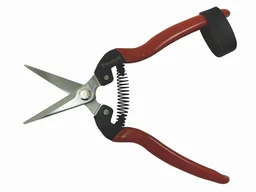
The products
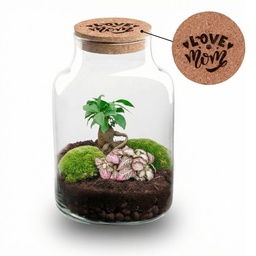

For more suitable garden tools, choose models that feel comfortable in your hand and are repairable or built to last. A few reliable tools make regular maintenance easier and help avoid unnecessary material use.
“Wildlife-friendly gardens provide food, nesting sites and hiding places, making them important habitats for many animal species.”
How do you care for a wildlife-friendly garden throughout the year?
The best care routine follows the seasons and the life cycles of animals. Do not cut back, mow or tidy up according to a rigid calendar. First check which plants are producing seeds and which areas are currently being used.
Spring: start carefully
Wait until the first warm days have passed before fully cutting back dry perennial plants. Insects may overwinter in hollow stems. Remove only stems that block paths, are collapsing or look diseased.
- Check water dishes, nest boxes and fixings.
- Sow suitable wildflowers on open, prepared soil.
- Remove invasive or vigorous plants before they produce seeds.
- Compost healthy prunings and use mature compost sparingly.
Allow spring bulbs to die back naturally after flowering. Cut the foliage only when it has completely yellowed. The plant stores energy in the leaves for the next season.
Summer: observe instead of constantly intervening
Mow lawns in sections. If you cut every area short on the same day, insects suddenly lose food and cover. Always leave part of the lawn longer and change the unmown area the next time you mow.
Water container plants early in the morning or in the evening on hot days. Remove faded flowers only where the plant otherwise produces no new blooms or where seed heads are unwanted. With wild perennials, leave as many seed heads as possible.
Observe which plants are being visited. Make a note of wild bees, hoverflies, butterflies, beetles and birds. This simple list shows which flowers are working and where you can make improvements next year.
Autumn and winter: preserve food and shelter
Leave fallen leaves under hedges, shrubs and trees. Remove them from paths, steps and lawns for safety reasons, but then spread them beneath woody plants. Dry seed heads provide birds with food and, covered in frost, create protective structure.
Leave branches, pieces of bark and rotting wood in a safe place. Do not burn piles of leaves or brushwood if they have already been lying there for some time. Animals may use such piles as hiding places.
Additional advice
Keep a brief garden journal. Note flowering times, frequent visitors, dry areas and plants that do not thrive. After one season, you will see where you can save water, add a native species or thin out planting that has become too dense.
How can you tell whether your garden is improving?
Greater biodiversity is not only shown by rare animals. Look for different flowering periods, more insect species, spiders in the vegetation, birds searching for food and visible soil life. A reduced need for watering, healthy plants and less pest spread also indicate a better habitat.
Photograph the same areas at different times of year. This lets you see whether flowers are available in spring, summer and autumn. Also compare the number of plant species and how unmown or untidy areas develop.
A wildlife-friendly garden grows with your observations. On a balcony, start with three well-chosen containers, a secure water dish and one area of uncut stems. In a garden, you can develop these into a flower meadow, a hedge, a deadwood pile and a varied lawn. Each of these decisions helps create habitat.
Frequently asked questions
- Which plants are suitable for a wildlife-friendly garden?
- Choose native, site-appropriate plants such as sage, viper's bugloss, wild carrot, Cornelian cherry, hazel and native fruit varieties. Choose single flowers because insects can reach their pollen and nectar. Combine spring bulbs, summer flowers and late-flowering species so food is available from spring through autumn.
- How can I make my balcony bee-friendly?
- Use large pots with peat-free compost and native, single-flowered plants. Group species with different flowering periods, such as bellflower, dyer's chamomile and thyme. Provide a shallow, stable water dish with stones. Avoid insecticides and leave some stems standing until spring.
- Does a wildlife-friendly garden need a wildflower lawn instead of a lawn?
- No. A short lawn can provide paths, play areas and seating areas, while you can sow wildflowers along the edges or in islands. Mow in stages and leave sections longer. Flowers, structure and reduced fertiliser use are what matter, not eliminating lawns completely.
- Which bee hotel is suitable for wild bees?
- A good bee hotel is made from untreated hardwood or suitable reed tubes with smooth, clean inner walls. The holes should not be ragged and should offer a range of diameters. Place the hotel in a sunny, dry and secure position. It becomes even more effective when combined with a continuous supply of flowers and open, sandy soil for ground-nesting species.
- How do I care for a wildlife-friendly garden in autumn?
- Do not clear everything away. Leave leaves under shrubs, cut hollow stems back in spring and keep deadwood in a safe place. Remove only diseased plant parts and anything blocking paths. You can leave some windfall fruit on the ground, provided it does not rot or pose a pest risk to neighbouring plants.
You may also be interested in
- Support wild bees and insects: How to create an insect-friendly garden and balcony
- Wildlife-friendly garden in spring: How can I create a habitat for insects and birds?
- Garden for biodiversity: Support insects and abundant blooms
- Create a wildlife garden: A paradise for people and animals
- Urban gardening: How to garden on a balcony and patio
- How can I make my balcony more sustainable?