
In brief: The best time to feed winter birds is from November to the end of February, using energy-rich suet food, sunflower seeds and unsalted peanuts. Place the bird feeder somewhere sheltered from cats and wind. Combine feeding with natural food sources such as seed heads left standing to create a bird-friendly garden.
Winter Birds: How to Feed and Watch Them in Your Garden
Winter transforms your garden into a stage for feathered visitors. Great tits, sparrows and robins now search for food and shelter. With the right bird feeding and observation, you can help these animals while experiencing nature right outside your window.
Why feed winter birds?
Natural food sources such as insects and seeds are scarce in winter. Frozen ground and snow cover make it harder to find food. Appropriate feeding supports birds in extreme conditions.
This helps promote biodiversity right in your garden. Watching birds also creates a connection with local wildlife. For children in particular, identifying different bird species becomes an exciting experience.
Expert tip
Start feeding early in winter. Birds remember reliable feeding stations. Keep filling them regularly, even during severe frost.
Which birds visit gardens in winter?
Get to know the most common visitors. Each species has its own food preferences and behaviour.
Resident birds: Year-round inhabitants
These birds stay with us throughout winter. They already know your garden. They include the great tit, with its black head, and the noisy house sparrow.
Blackbirds search for food on the ground. The agile blue tit clings to suet balls. You can identify these species by their familiar behaviour.
Short-distance migrants: Winter visitors from the north
Bramblings and robins from Scandinavia add variety to the winter garden. They move to more southerly regions. They are often seen in small flocks.
Observe their particular wariness. These birds need quiet feeding places. Dense hedges provide essential shelter.
“Winter feeding can help around 10 to 15 bird species, especially those that also hunt insects in winter or can crack hard-shelled seeds.”
How can you identify different bird species?
Identify birds using three simple features. First, observe their size compared with the familiar sparrow.
Then look at the shape of the beak. Strong conical beaks indicate seed-eating birds. Delicate tweezer-like beaks belong to insect-eating birds.
Memorise distinctive markings. The robin’s orange-red breast is unmistakable. The great spotted woodpecker has a red patch on its head.
Make a note of features such as the long tail of the wagtail. Listen for characteristic calls. Tits produce varied chirps, while sparrows make a noisy scratching sound.
What is the right food?
Choose bird food according to the visitors in your garden. Seed-eating birds such as finches and sparrows prefer sunflower seeds.
Soft-food eaters such as robins and blackbirds take oats and raisins. You can find suitable wild bird food in our shop.
Important note
Never use salted or seasoned leftovers. Bread swells in a bird’s stomach and is unsuitable. Exotic grains such as millet often attract only pigeons.
Energy-rich suet food
Suet balls and suet blocks provide concentrated energy. Make sure nets do not pose a risk. Loose suet balls in special feeders are safer.
Homemade suet food made from beef fat and seeds is a good alternative. Our suet food for birds provides this energy in a practical form.
Grains and seeds
Sunflower seeds are accepted by almost all species. Shelled seeds leave less mess. Unsalted peanuts are popular with many birds.
Hemp seeds and poppy seeds add variety. You can find special mixes with peanuts for birds in our range.
“Feed especially during persistent frost, freezing rain or continuous snow cover. On mild winter days, birds can usually still find enough natural food.”
How do you build a bird feeder yourself?
A homemade bird feeder protects food from moisture. It gives birds a clean feeding station. Start with a simple design.
Choosing materials and tools
Use untreated wood such as spruce or larch. It must be weather-resistant. The boards should be 15-20 millimetres thick.
You need a saw, sandpaper and wood screws. Our garden tools range offers suitable helpers. The
Wonder Scissors cuts thin pieces of wood precisely.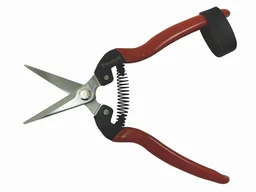
Additional advice
Drill several drainage holes in the base of the bird feeder. This keeps the food dry. A coarse mesh floor also prevents waterlogging.
Instructions for building a classic feeder
Cut the base, roof and side panels to size. The roof should overhang by at least 5 centimetres on all sides. This keeps the feeding area dry.
Screw the side panels to the base. Attach the roof with a hinge or fixed brackets. This allows you to remove it for cleaning.
Sand all edges smooth. Treat the wood with an environmentally friendly stain. Later, mount the feeder on a sturdy post or branch.
Where should you place a feeding station and bird bath?
The location determines safety and whether birds accept it. Birds need clear flight paths and protection from predators.
Hang or place the feeder at least 1.5 metres high. Cats cannot reach it there. A distance of two metres from windows prevents collisions.
Choose a sheltered spot. A south-eastern orientation provides morning sun. Nearby bushes offer a refuge in case of danger.
The right bird bath for winter
Birds also need water in winter. A frost-proof bird bath with integrated heating solves the problem. Alternatively, provide fresh water every day.
Clean the bird bath regularly. Do not use chemical cleaners. Brush off deposits with hot water.
How do you create a bird-friendly garden?
Feeding is only part of the picture. A natural garden provides habitat all year round. Start with a diverse range of plants.
Native shrubs such as elder, blackthorn and hawthorn produce berries. These often remain on the bushes well into winter. They provide natural food for birds.
Leave perennials with seed heads standing. Thistles, teasels and sunflowers provide food for seed-eating birds. A slightly untidy corner of the garden does no harm.
Avoid pesticides and chemical fertilisers. They reduce the supply of insects. Natural methods help preserve the ecological balance.
Nest Boxes and Shelter
Nest boxes provide more than just nesting opportunities. Many birds use them as winter roosting places. Clean the boxes thoroughly in autumn.
Piles of leaves and branches in quiet corners provide important hiding places. Stacks of deadwood are home to insects that birds can feed on. A dense hedge made from native shrubs offers protection from the wind.
Our range in the Garden + Outdoor section can help you design your garden. From watering to maintenance, you will find everything you need for a natural garden.
How do you observe and record birds?
Systematic observation deepens your knowledge. Keep a birdwatching diary. Record species, numbers and any unusual behaviour.
Binoculars with 8x42 magnification are ideal. They provide a bright image with plenty of detail. Keep them ready to hand by the window.
Take photos of your feathered visitors. Images can help you identify them later. Look out for characteristic poses and markings.
Take part in citizen science projects. NABU invites people to take part in its annual "Winter Bird Count". Your observations contribute to scientific analysis.
Which mistakes should you avoid?
Overfeeding attracts rats and other unwanted visitors. Only offer as much food as the birds will eat in a day. Remove damp or contaminated food immediately.
Do not place feeding stations too close together. This reduces conflict between the birds. Otherwise, dominant species may defend all the food sources.
Do not forget about hygiene. Clean bird feeders weekly with hot water. Wear gloves when doing so. Dry the feeders thoroughly before refilling them.
Stop feeding in early spring. By the end of March at the latest, birds should switch to natural food sources. Otherwise, they may become too dependent on the food you provide.
Products for winter bird feeding
Our shop offers practical aids for feeding birds. The
Winter Bird Set contains selected bird food for the cold season. It provides different species with the energy they need.
The precision scissors help you build a bird feeder or maintain your garden. They cut precisely and are versatile to use. With them, you can create a bird-friendly garden.
Discover more products in our Bird Food category. From classic mixes to specialist suet food, you will find everything you need for species-appropriate feeding.
Prepare your garden for winter with the right Garden Accessories. Protective covers for furniture and practical tools make the cold season easier.
Winter birds bring life and movement to your garden. With the right feeding and garden design, you can create an oasis for feathered visitors. Observe, learn and enjoy nature right on your doorstep.
Frequently Asked Questions
- When should I feed winter birds?
- Traditional winter feeding starts in November during prolonged frost or snow and ends at the end of February. Supplementary feeding is especially important during severe frost or when the ground is covered in snow. Stop feeding in spring so that birds can use natural food sources.
- What is the best food for winter birds?
- Choose energy-rich suet food such as suet balls, sunflower seeds and unsalted peanuts. Soft-food eaters such as robins need porridge oats, raisins and bran. Avoid salted leftovers, bread and seasoned products, as these are harmful to birds.
- How can I identify the most common winter birds?
- Look at their size, beak shape and distinctive markings. The great tit has a black cap and yellow breast. The sparrow is brown and grey with a strong beak. The robin has the orange-red breast it is named for. Blue tits are small with blue and yellow plumage.
- How can I build a safe bird feeder myself?
- Use untreated wood such as spruce or larch. The roof should extend generously beyond the sides to protect the food from moisture. Drill holes in the base to allow water to drain away. Mount the feeder at least 1.5 metres high in a cat-safe, sheltered location.
- What makes a garden bird-friendly?
- Plant native shrubs such as elder or hawthorn to provide natural food. Leave perennials with seed heads standing over winter. Provide a bird bath with ice-free water. Avoid pesticides and create shelter with nest boxes and dense hedges.
You may also be interested in
- Feeding birds in winter: The right way to feed garden birds
- Birds in the garden: How to create a paradise for feathered friends
- Feeding birds: When is the right time? Suet balls tested
- Identifying garden birds: Which species visit your garden?
- Feeding garden birds correctly: What is allowed?
- 4-in-1 solar bird bath: How it becomes a year-round oasis for birds