
In brief: Winter-hardy palms are species that can withstand short periods of frost down to around -15°C. Success depends on choosing robust varieties such as windmill palm or dwarf palmetto, a sheltered location and special winter protection. With the right preparation, these exotic plants can thrive permanently in many regions of Germany and give the garden a distinctive Mediterranean character.
Winter-Hardy Palms: Bring Exotic Flair to Your Garden
The desire for a Mediterranean feel in your own garden is strong. Winter-hardy palms make it achievable. They withstand German winters and transform garden aesthetics in the long term.
The key lies in choosing the right species and adapting their care. Not every palm is suitable. However, the hardiest varieties are surprisingly resilient.
What does "winter-hardy" really mean for palms?
Winter hardiness is not an absolute term. It describes a plant's ability to survive certain sub-zero temperatures. For palms, this often refers to the frost tolerance of the root area and growing point.
The rating "down to -15°C" applies to established plants in an optimal location. Young palms and specimens grown in containers are more sensitive. Wet conditions combined with frost pose the greatest danger.
Important note
USDA hardiness zones provide useful guidance. Germany is predominantly in Zones 6 to 8. Buy palms that are rated for your zone. A Zone 7b palm (down to -15°C) has better chances of survival in Zone 8 (down to -12°C).
Hardiness develops with age. A mature, well-rooted palm withstands periods of frost better than a freshly planted specimen. Patience is a crucial factor.
Which winter-hardy palm species are suitable for my garden?
The selection of frost-tolerant palms is larger than you might think. They differ in growth habit, leaf structure and maximum frost tolerance. These species have proven their worth.
The classics: Windmill Palm and Dwarf Palmetto
The Chinese windmill palm (Trachycarpus fortunei) is the best-known winter-hardy palm. Its characteristic, fibre-covered trunk and fan-shaped leaves define its appearance. It can tolerate temperatures down to -17°C for short periods.
The dwarf palmetto (Sabal minor) comes from the southeastern United States. It often forms no visible trunk, with the leaves growing directly from the ground. Its frost tolerance is around -15°C. It is tolerant of wet winter conditions.
The Needle Palm and the Wagner Palm
The needle palm (Rhapidophyllum hystrix) is considered one of the most frost-hardy palms in the world. It can withstand temperatures down to -20°C. Its slow growth and needle-like spines on the trunk are distinctive.
Trachycarpus wagnerianus is a more compact variety of the windmill palm, with stiffer, smaller leaves. It is more resistant to wind and tolerates temperatures similar to the species fortunei. Its elegant growth habit is highly prized.
“Choosing the right species is half the battle. But the location determines success or failure. Despite its hardiness, a windmill palm on a cold, windy east-facing side has little chance of survival.”
How do I find the perfect location for my palm?
Palms love warmth and shelter. A spot in front of a south-facing house wall is ideal. The wall stores heat during the day and releases it at night. It also protects against cold easterly winds.
Soil conditions are critical. Good drainage prevents waterlogging. Heavy clay soils must be loosened with sand and gravel. A drainage layer of gravel in the planting hole is essential.
Expert tip
Plant your palm in spring or early summer. This gives it enough time to form new roots and become established before the first winter. This significantly increases its chances of survival. Good garden tools make the work easier.
Avoid dips where cold air collects. Slight slopes are beneficial. Make sure there is enough space for the crown to reach its eventual width.
What does proper care involve in summer and winter?
Care varies with the season. In summer, the focus is on growth and strengthening; in winter, it is on protection and survival.
Watering and feeding during the growing season
Water thoroughly, but only when the top layer of soil has dried out. Palms tolerate short dry spells better than constantly wet conditions. A layer of mulch helps retain moisture.
Feed regularly from April to August. Use a specialist palm fertiliser or a potassium-rich fertiliser for green plants. Potassium promotes cell stability and frost resistance.
provides a practical long-term feeding solution.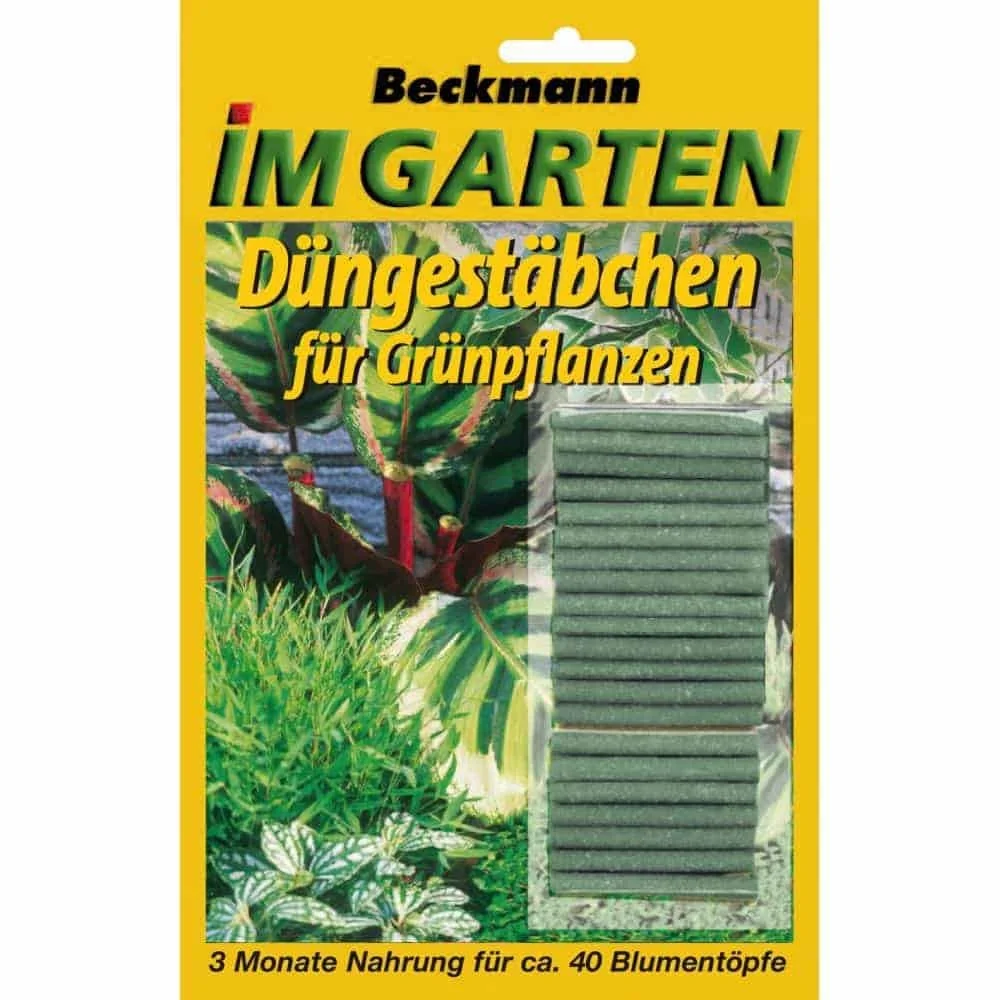
Check the leaves regularly for pests. Outdoors, palms are relatively robust. Scale insects may occasionally appear.
Essential winter protection: Here's how
Protection focuses on three zones: the roots, trunk and growing point. Cover the root area with a 20-30 cm thick layer of leaves, bark mulch or garden fleece.
Wrap the trunk with coir mats, reed or jute. Tie the fronds loosely together to protect the sensitive growing point from rain and snow. During severe prolonged frost, a light-permeable cover made of bubble wrap or fleece can help.
Additional advice
Water your palm lightly on frost-free days in winter. Evergreen species in particular lose water through their leaves. Water stress in frozen soil is a common cause of damage. Proper garden watering is important all year round.
What problems typically occur?
Brown leaves are the most common symptom. In winter, frost damage is usually the cause. Cut off frost-damaged fronds only in late spring, when there is no longer any risk of frost.
In summer, brown tips often indicate drought or a nutrient deficiency. Yellow leaves may point to waterlogging or iron deficiency. Check the drainage.
Rot at the base of the trunk is a warning sign. It is caused by too much moisture, especially in winter. Remove wet mulch and allow the area to dry out.
“Many palms do not die from frost itself, but from the combination of wet soil followed by frost. Good drainage is therefore more important than any insulating mat.”
Container Palms: Portable Exoticism
Growing palms in containers offers maximum flexibility. In winter, you can move the palm into a cool, bright basement or garage. The container must be frost-resistant and large enough.
The root ball freezes through more quickly in a pot. Insulate the container with bubble wrap, coir mats or polystyrene. Place it on feet or a wooden pallet so that water can drain away.
The growing medium must be particularly free-draining. Mix high-quality container plant compost with expanded clay, lava granules and sand. Water sparingly in winter too, but prevent it from drying out completely.
Design ideas with winter-hardy palms
Plant palms as specimen plants in the lawn. They create an architectural focal point. Combine them with other winter-hardy exotics such as yucca, olive trees or hardy agaves.
Create a Mediterranean-style bed. Plant low-growing, sun-loving perennials such as lavender, sage or santolina around the palm trunk. The contrast between the leaf shapes is particularly attractive.
Use palms for privacy on the patio. Grouped in large planters, they form a natural, exotic screen. Matching garden equipment completes the look.
Palms also enhance front gardens. A single windmill palm by the entrance creates a year-round green and welcoming statement.
Choosing and buying: what to look out for
Buy from specialist nurseries or tree nurseries. The plants there have often already adapted to the local climate ("acclimatised"). Ask about the exact variety and its frost tolerance.
Choose a strong, healthy-looking plant. The fronds should be firm, not limp. Check that the root ball is solid and has no smell of rot.
Start with a smaller, younger palm. It establishes more easily and often grows away faster than an expensive, large specimen. It also saves money.
With a sharp tool such as the
you can later remove dead leaves cleanly. To keep the garden around the palm free from pests, an can be useful.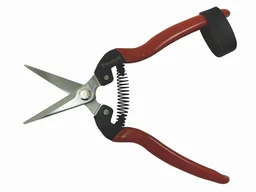

Winter-hardy palms are a worthwhile investment. With every frost period they survive, they gain character and value. They transform your garden into a personal, exotic oasis that impresses all year round. Success depends on knowledge, choosing the right species and consistent care. Start your project.
Frequently asked questions
- Which palm is the hardiest for the garden?
- The Chinese windmill palm (Trachycarpus fortunei) is considered the most frost-tolerant species for Central European gardens. Mature, established specimens can briefly withstand temperatures down to -17°C. Well-drained soil and winter protection for the trunk and the plant's growing point are important during the first few years and in periods of severe frost.
- How do I overwinter my hardy palm outdoors?
- Loosely tie the fronds together to protect the growing point from moisture. Wrap the trunk with a coconut mat or reed. Cover the root area with a thick layer of leaves, bark mulch or garden fleece. During severe frost, use a special plant cover or a fleece hood.
- Can I also grow my hardy palm in a container?
- Yes, growing it in a container is ideal if you want to protect the palm more easily in winter or move it to a frost-free location. The container must be sufficiently large and frost-resistant. The root ball freezes through more quickly in a pot. In winter, place the container on an insulating base and wrap it with bubble wrap and mats.
- When and how should I fertilise hardy palms?
- From April to August, fertilise every 4-6 weeks with a special palm fertiliser or a balanced fertiliser for green plants. This supplies important nutrients such as potassium, which helps with frost hardiness. Stop fertilising from September so that new growth can mature. Specialist retailers also stock practical fertiliser sticks.
- Why are the leaves on my hardy palm turning brown?
- Brown leaf tips or entire fronds can have several causes: summer dryness, waterlogging in winter, frost damage, nutrient deficiencies or excessively low humidity. Only cut off completely brown fronds in spring, as they still provide some protection. Above all, check the water supply and avoid waterlogging.
You may also be interested in
- Discover the diversity of plants for your garden
- Choosing and planting hedge plants: the complete guide
- Types of flowers for the garden: a practical overview
- Exotic plants for the garden: 7 eye-catching additions to your flower bed
- Banned plants for the garden: what is permitted in Germany?
- Exotic houseplants: care, location & popular varieties