
Kurz erklärt: Die letzte Ernte vor dem Winter beginnt mit einem genauen Blick auf die Wetterprognose. Sie ernten Wurzelgemüse wie Möhren und Pastinaken nach dem ersten Frost, da er den Zuckeranteil erhöht. Späte Äpfel und Birnen pflücken Sie, bevor sie vollreif sind, und lagern sie kühl und dunkel. Kürbisse und Zucchini nehmen Sie vor dem ersten Nachtfrost ins Haus. Diese finale Ernte schützt Ihre Pflanzen vor Verderb und sichert die Versorgung für den Winter.
Garten winterfest machen: Die letzte Ernte einholen
Der Herbst gibt das Signal für den finalen Akt im Gartenjahr. Bevor der erste Frost den Boden hart werden lässt, sichern Sie den Ertrag monatelanger Pflege. Diese herbstliche Gartenarbeit entscheidet über den Erfolg Ihrer Erntezeit und bereitet Ihre Pflanzen auf die Ruhephase vor.
Sie konzentrieren sich jetzt auf robustes Wintergemüse, späte Obstsorten und die richtigen Lagerbedingungen. Eine systematische Vorgehensweise spart Zeit und sichert die Qualität Ihrer Ernte. Dieser Leitfaden zeigt Ihnen, wie Sie Ihren Garten winterfest machen und die Erntezeit erfolgreich abschließen.
Wie planen Sie die finale Ernte?
Der Zeitpunkt ist der wichtigste Faktor. Sie beginnen nicht an einem festen Datum, sondern reagieren auf das Wetter. Ein genauer Blick auf die lokale Frostvorhersage ist unverzichtbar. Manche Gemüsesorten gewinnen durch leichten Frost an Geschmack, andere werden sofort ungenießbar.
Erstellen Sie eine Prioritätenliste. Frostempfindliches wie Kürbis, Zucchini und Bohnen ernten Sie zuerst. Winterharte Sorten wie Grünkohl oder Pastinaken können oft länger im Beet bleiben. Ein praktisches Erntekörbchen hilft Ihnen, die Gaben des Gartens sauber und ordentlich zu sammeln.
Profi-Tipp
Nutzen Sie trockene Tage für die Ernte. Nasses Gemüse fault schneller in der Lagerung. Ernten Sie in den späten Vormittagsstunden, wenn der Morgentau abgetrocknet ist, die Mittagssonne die Pflanzen aber noch nicht erhitzt hat.
Ein guter Ernteplan berücksichtigt auch die Lagerfähigkeit. Sie verarbeiten oder verbrauchen leicht verderbliche Ware zuerst. Langlebige Sorten wie Möhren, Rote Bete oder Winteräpfel legen Sie für die kommenden Monate ein. Die richtige Planung ist der erste Schritt, um Ihren Garten winterfest zu machen.
Welches Gemüse ernten Sie jetzt?
Die Auswahl an spätem Gemüse ist überraschend groß. Wurzelgemüse steht ganz oben auf der Liste. Möhren, Pastinaken, Schwarzwurzeln und Topinambur vertragen Frost im Boden ausgezeichnet. Oft graben Sie sie erst nach den ersten kalten Nächten aus, denn die Kälte wandelt Stärke in Zucker um.
Kohlarten sind die Stars der kalten Jahreszeit. Rosenkohl, Grünkohl, Weißkohl und Wirsing entwickeln ihr volles Aroma erst bei niedrigen Temperaturen. Sie ernten diese Blattgemüse nach Bedarf, solange der Boden nicht gefroren ist. Ein scharfes Messer oder eine zuverlässige Gartenschere ist dafür das ideale Werkzeug.
Kürbisse und Speisekürbisse müssen vor dem ersten Frost geerntet werden. Prüfen Sie die Reife durch den Klopftest. Ein hohler, dumpfer Ton und ein verholzter Stiel sind gute Zeichen. Schneiden Sie den Stiel mit einem scharfen Messer ab und lassen Sie etwa fünf Zentimeter stehen.
„Die Lagerfähigkeit von Wurzelgemüse hängt stark von einer sauberen, trockenen und unverletzten Schale ab. Verzichten Sie auf das Waschen nach der Ernte. Bürsten Sie die Erde nur grob ab. Feuchtigkeit in der Lagerung ist der größte Feind.“
Vergessen Sie nicht die Kräuter. Mehrjährige Sorten wie Thymian, Salbei oder Rosmarin können Sie jetzt noch einmal beernten und trocknen oder einfrieren. Einjährige Kräuter wie Basilikum sind frostempfindlich und sollten vor der kalten Jahreszeit komplett geerntet werden.
Die richtige Technik für Wurzelgemüse
Sie lockern den Boden vorsichtig mit einer Grabegabel. Stechen Sie sie in einigem Abstand zur Pflanze seitlich in die Erde und hebeln Sie vorsichtig. So vermeiden Sie Beschädigungen an den Rüben. Beschädigtes Gemüse verbrauchen Sie sofort, es eignet sich nicht für die Einlagerung.
Entfernen Sie das Laub bei Möhren, Rote Bete und anderen Rüben. Drehen Sie es einfach ab, anstatt es abzuschneiden. Dies verhindert, dass das Gemüse während der Lagerung wieder austreibt und seine Energie verliert. Das Laub können Sie kompostieren oder als Mulchmaterial nutzen.
Wichtiger Hinweis
Lagern Sie Äpfel und Birnen niemals zusammen mit Kartoffeln oder Zwiebeln. Das von den Früchten abgegebene Reifegas Ethylen lässt die Knollen und Zwiebeln vorzeitig keimen und weich werden. Trennen Sie die Lagerbereiche konsequent.
Wie gehen Sie mit dem letzten Obst um?
Späte Apfel- und Birnensorten sind jetzt erntereif. Sie pflücken die Früchte, bevor sie vollreif vom Baum fallen. Heben Sie jede Frucht an und drehen Sie sie vorsichtig. Löst sie sich leicht mit Stiel, ist sie bereit. Verwenden Sie für hohe Äste einen Obstpflücker, um Quetschungen zu vermeiden.
Überprüfen Sie jede Frucht auf Druckstellen, Schädlinge oder Faulnis. Nur einwandfreie Früchte eignen sich für die lange Lagerung. Sortieren Sie beschädigtes Obst sofort aus. Es lässt sich zu Mus, Kompott oder Saft verarbeiten. Für die Ernte und erste Verarbeitung ist ein robustes Gartenwerkzeug unerlässlich.
Die richtigen Lagerbedingungen entscheiden über den Erfolg. Ideal ist ein dunkler, gut belüfteter Raum mit konstanten Temperaturen zwischen zwei und sechs Grad Celsius. Legen Sie die Früchte in flachen Holzkisten oder auf Lattenrosten aus, sodass sie sich nicht berühren.
Quitten und späte Pflaumen ernten Sie ebenfalls jetzt. Quitten sind erst genießbar, nachdem sie durch Frost oder Lagerung weich geworden sind. Pflaumen verarbeiten Sie am besten sofort zu Mus oder lagern sie eingefroren. Denken Sie auch an Hagebutten und Sanddorn für die winterliche Vitaminversorgung.
Was passiert nach der Ernte im Beet?
Eine abgeerntete Fläche ist keine leere Fläche. Sie bereiten den Boden jetzt für das nächste Jahr vor. Entfernen Sie alle Pflanzenreste, um Krankheitserregern und Schädlingen keine Überwinterungsmöglichkeit zu bieten. Gesunde Reste kommen auf den Kompost, kranke entsorgen Sie über den Hausmüll.
Zusätzlicher Rat
Markieren Sie die Standorte von mehrjährigem Gemüse wie Rhabarber oder Spargel sowie von winterharten Kräutern mit kleinen Stäben. So finden Sie die schlafenden Pflanzen im zeitigen Frühjahr leicht wieder und arbeiten nicht versehentlich darüber.
Lockern Sie den Boden oberflächlich mit einem Grubber oder einer Grabegabel. Tiefes Umgraben stört das Bodenleben unnötig. Sie können jetzt eine Gründüngung aussäen, beispielsweise Winterroggen oder Gelbsenf. Diese Pflanzen schützen den Boden vor Erosion und verbessern seine Struktur.
Alternativ bedecken Sie die Beete mit einer dicken Schicht Kompost oder Laub. Diese Mulchschicht schützt den Boden, unterdrückt Unkraut und fügt ihm mit der Zeit Nährstoffe zu. Für diese Arbeiten finden Sie passendes Zubehör in unserer Gartenaustattung.
„Ein bedeckter Boden ist ein lebendiger Boden. Ob durch Gründüngung oder Mulch – lassen Sie die Erde im Winter nie nackt liegen. Diese Decke ist wie eine Isolierschicht für die unzähligen Mikroorganismen, die Ihren Boden fruchtbar halten.“
Mehrjährige Pflanzen schützen
Nicht alles wird abgeerntet. Mehrjährige Stauden, Beerensträucher und Obstbäume bleiben im Garten. Schneiden Sie bei Stauden das abgestorbene Laub erst im späten Winter zurück. Es bietet Insekten Unterschlupf und schützt die Pflanzenkrone vor strengem Frost.
Empfindliche Gehölze wie junge Obstbäume oder Rosen schützen Sie mit einer Schicht Mulch rund um den Wurzelbereich. Den Stamm von Obstbäumen streichen Sie mit einem speziellen Weißanstrich, um Frostrisse zu verhindern. Diese entstehen durch starke Temperaturunterschiede zwischen sonnenbeschienener und schattiger Rinde.
Wie lagern Sie die Ernte richtig?
Die Lagerung ist die Krönung Ihrer herbstlichen Gartenarbeit. Unterschiedliche Gemüsearten fordern unterschiedliche Bedingungen. Das Prinzip ist einfach: Sie imitieren die natürliche Winterruhe der Pflanze. Dafür benötigen Sie kühle Temperaturen, hohe Luftfeuchtigkeit und Dunkelheit.
Ein klassischer Erdkeller oder ein kühler, frostfreier Raum im Haus sind ideal. Möhren, Rote Bete, Pastinaken und Sellerie lagern Sie in feuchtem Sand oder in perforierten Plastiksäcken im Keller. Der Sand verhindert das Austrocknen der Rüben. Kontrollieren Sie die Vorräte regelmäßig auf Fäulnis.
Zwiebeln und Knoblauch brauchen es trocken und luftig. Sie binden sie zu Zöpfen oder legen sie in Netzsäcke. Lagern Sie sie an einem kühlen, aber frostfreien Ort. Kürbisse und Winterkürbisse mögen es etwas wärmer, bei etwa 12 bis 15 Grad Celsius, ebenfalls trocken und dunkel.
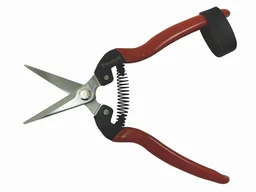
Produkte wie das
unterstützen Sie bei der Ernte und dem Transport zur Lagerstätte. Ein stabiles, leicht zu reinigendes Körbchen schont Ihr Gemüse. Für die weitere Verarbeitung, etwa das Einkürzen von Stielen oder das Zerteilen von großen Kürbissen, ist ein scharfes und sicheres Werkzeug wie die ideal.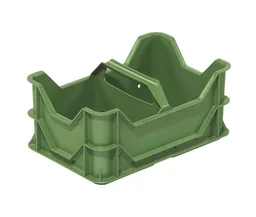
Pflanzen überwintern: Welche brauchen besonderen Schutz?
Nicht alle Gartenpflanzen sind winterhart. Kübelpflanzen wie Olivenbäume, Zitrusgewächse oder Fuchsien bringen Sie an einen frostfreien, hellen Ort. Ein kühler Wintergarten, ein Treppenhaus oder eine Garage mit Fenster eignen sich. Reduzieren Sie das Gießen stark, die Pflanzen ruhen.
Winterharte Stauden und Gehölze im Beet schützen Sie bei extremen Frostperioden mit einer Laub- oder Reisigschicht. Besonders empfindlich sind neu gepflanzte Stauden, deren Wurzelsystem noch nicht tief genug reicht. Eine Schicht Gartenvlies hält kalte Winde ab.
Denken Sie auch an winterblühende oder immergrüne Pflanzen wie die
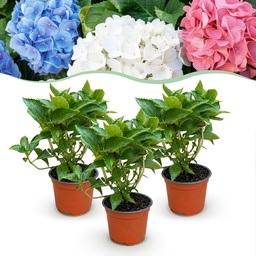
Rosen häufeln Sie mit Erde oder Kompost an. Das schützt die empfindliche Veredelungsstelle. Bei Hochstammrosen packen Sie die Krone in spezielle Rosenschutzhauben aus Vlies ein. Entfernen Sie diesen Schutz im Frühjahr rechtzeitig, sobald die stärksten Fröste vorbei sind.
Das Ende der Erntezeit ist ein Neuanfang
Wenn die letzte Ernte eingebracht ist, haben Sie Ihren Garten winterfest gemacht. Diese Arbeit schließt den Kreislauf des Gartenjahres. Sie haben Vorräte für die Küche angelegt und Ihren Pflanzen eine geschützte Ruhephase ermöglicht.
Nutzen Sie die ruhigeren Wintermonate, um Ihre Werkzeuge zu reinigen und zu pflegen. Planen Sie die nächste Saison. Welche Sorten haben sich bewährt? Was möchten Sie nächstes Jahr anders machen? Der Abschluss der Erntezeit ist der perfekte Moment für diese Bilanz.
Mit den richtigen Werkzeugen und etwas Planung wird die herbstliche Gartenarbeit zu einer lohnenden Aufgabe. Sie sichert nicht nur die Ernte, sondern investiert in die Fruchtbarkeit Ihres Gartens für das kommende Jahr. Beginnen Sie jetzt, und genießen Sie die Früchte Ihrer Arbeit den ganzen Winter über.
Häufige Fragen
- Wann sollte ich die letzte Ernte im Garten einholen?
- Sie orientieren sich am ersten Nachtfrost. Wurzelgemüse ernten Sie oft erst danach, während frostempfindliche Kürbisse oder Zucchini vorher geerntet werden müssen. Kontrollieren Sie regelmäßig die lokalen Wettervorhersagen, um den optimalen Zeitpunkt nicht zu verpassen.
- Welches Gemüse kann ich noch im Spätherbst ernten?
- Zu den typischen Spät- und Wintergemüsen gehören Grünkohl, Rosenkohl, Pastinaken, Schwarzwurzeln und Winterlauch. Viele dieser Sorten vertragen leichten Frost, der sogar ihren Geschmack verbessert. Einige können den ganzen Winter über im Beet bleiben.
- Wie bewahre ich Kürbisse nach der Ernte richtig auf?
- Lassen Sie Kürbisse nach der Ernte an einem warmen, luftigen Ort etwa zwei Wochen ausheilen. Danach lagern Sie sie trocken, kühl (bei 10-15°C) und dunkel. Achten Sie darauf, dass die Schale unverletzt ist, um Fäulnis zu vermeiden.
- Muss ich meine Obstbäume nach der Ernte noch pflegen?
- Ja. Entfernen Sie sogenanntes Fallobst vom Boden, um Krankheiten und Schädlingen keine Überwinterungsmöglichkeit zu bieten. Ein weißer Kalkanstrich am Stamm schützt die Rinde vor Frostrissen. Diese Pflege ist Teil der herbstlichen Gartenarbeit.
- Was passiert mit abgeernteten Gemüsebeeten?
- Sie räumen abgestorbene Pflanzenreste ab, um Krankheiten vorzubeugen. Anschließend lockern Sie den Boden leicht und können eine Gründüngung wie Winterroggen einsäen oder den Boden mit Kompost bedecken. Das schützt und nährt den Boden für die nächste Saison.
Das könnte Sie auch interessieren
- Garten winterfest machen: Die ultimative Checkliste für den Herbst
- Kürbisse ernten und dekorieren: Tipps für den Herbstgarten
- Effektiver Pflanzenschutz im Winter: Tipps für den Garten
- Gartentipps Juli: Was jetzt im Hochsommer zu tun ist
- Nutzgarten Checkliste März: Bereit für die Gartensaison
- Vorfrühling im Garten: Startschuss für die Gartensaison