
In brief: The final harvest before winter begins with a close look at the weather forecast. Harvest root vegetables such as carrots and parsnips after the first frost, as it increases their sugar content. Pick late apples and pears before they are fully ripe and store them in a cool, dark place. Bring pumpkins and zucchini indoors before the first overnight frost. This final harvest protects your plants from spoilage and helps secure your food supply for winter.
Winterize Your Garden: Harvest the Last Crop
Fall signals the final act of the gardening year. Before the first frost hardens the soil, secure the rewards of months of care. This fall gardening work determines the success of your harvest season and prepares your plants for their dormant phase.
Now you should focus on hardy winter vegetables, late fruit varieties and the right storage conditions. A systematic approach saves time and preserves the quality of your harvest. This guide shows you how to winterize your garden and successfully bring the harvest season to a close.
How do you plan the final harvest?
Timing is the most important factor. You do not start on a fixed date; instead, you respond to the weather. Keeping a close eye on the local frost forecast is essential. Some vegetables gain flavor from a light frost, while others become inedible immediately.
Create a priority list. Harvest frost-sensitive crops such as pumpkins, zucchini and beans first. Hardy varieties such as kale and parsnips can often stay in the garden bed longer. A practical harvest basket helps you collect your garden produce neatly and cleanly.
Pro tip
Choose dry days for harvesting. Wet vegetables spoil more quickly in storage. Harvest in the late morning, once the morning dew has dried but before the midday sun has heated the plants.
A good harvest plan also takes storage life into account. Process or use highly perishable produce first. Store long-lasting varieties such as carrots, beets or winter apples for the coming months. Proper planning is the first step in winterizing your garden.
Which vegetables should you harvest now?
The selection of late-season vegetables is surprisingly large. Root vegetables top the list. Carrots, parsnips, salsify and Jerusalem artichokes tolerate frost in the soil extremely well. You often dig them up only after the first cold nights, because the cold converts starch into sugar.
Cabbage varieties are the stars of the cold season. Brussels sprouts, kale, white cabbage and savoy cabbage develop their full flavor only at low temperatures. Harvest these leafy vegetables as needed, as long as the soil is not frozen. A sharp knife or reliable garden shears is the ideal tool for the job.
Pumpkins and winter squash must be harvested before the first frost. Check ripeness by tapping the fruit. A hollow, dull sound and a woody stem are good signs. Cut the stem with a sharp knife and leave about five centimetres attached.
“The storage life of root vegetables depends heavily on a clean, dry and undamaged skin. Do not wash them after harvesting. Simply brush off the loose soil. Moisture in storage is their greatest enemy.”
Do not forget the herbs. You can harvest perennial varieties such as thyme, sage or rosemary one more time and dry or freeze them. Annual herbs such as basil are sensitive to frost and should be harvested completely before the cold season.
The right technique for harvesting root vegetables
Loosen the soil carefully with a digging fork. Push it into the soil at some distance from the plant and lever gently. This helps prevent damage to the roots. Use damaged vegetables immediately; they are not suitable for storage.
Remove the leaves from carrots, beets and other root vegetables. Simply twist them off instead of cutting them. This prevents the vegetables from sprouting again during storage and losing energy. You can compost the leaves or use them as mulch.
Important note
Never store apples and pears together with potatoes or onions. The ethylene gas released by the fruit causes tubers and onions to sprout prematurely and become soft. Keep the storage areas strictly separate.
What should you do with the last fruit?
Late apple and pear varieties are now ready to harvest. Pick the fruit before it falls from the tree fully ripe. Lift each fruit and twist it gently. If it comes away easily with the stem attached, it is ready. Use a fruit picker for high branches to avoid bruising.
Check every fruit for pressure marks, pests or rot. Only flawless fruit is suitable for long-term storage. Sort out damaged fruit immediately. It can be processed into applesauce, compote or juice. A sturdy garden tool is essential for harvesting and initial processing.
The right storage conditions determine success. A dark, well-ventilated room with constant temperatures between two and six degrees Celsius is ideal. Place the fruit in shallow wooden crates or on slatted racks so that the pieces do not touch.
Quinces and late plums should also be harvested now. Quinces are not edible until they have softened through frost or storage. It is best to process plums into jam immediately or store them frozen. Also remember rose hips and sea buckthorn as sources of vitamins for winter.
What happens in the garden bed after harvest?
A harvested bed is not an empty bed. Now you should prepare the soil for next year. Remove all plant debris so that pathogens and pests have no place to overwinter. Healthy material can go on the compost, while diseased material should be disposed of with household waste.
Additional advice
Mark the locations of perennial vegetables such as rhubarb or asparagus, as well as hardy herbs, with small stakes. This makes it easy to find the dormant plants again in early spring and prevents you from accidentally working over them.
Loosen the surface of the soil with a cultivator or digging fork. Deep digging unnecessarily disturbs soil life. You can now sow a cover crop, such as winter rye or yellow mustard. These plants protect the soil from erosion and improve its structure.
Alternatively, cover the beds with a thick layer of compost or leaves. This mulch layer protects the soil, suppresses weeds and gradually adds nutrients. You can find the right garden supplies in our gardening collection for these jobs.
“Covered soil is living soil. Whether through cover crops or mulch, never leave the earth bare in winter. This cover acts like an insulating layer for the countless microorganisms that keep your soil fertile.”
Protecting perennial plants
Not everything is harvested. Perennial plants, berry bushes and fruit trees remain in the garden. For perennials, cut back dead foliage only in late winter. It provides shelter for insects and protects the plant crown from severe frost.
Protect sensitive woody plants such as young fruit trees or roses with a layer of mulch around the root area. Paint the trunks of fruit trees with a special white tree coating to prevent frost cracks. These occur because of major temperature differences between sunlit and shaded bark.
How should you store your harvest properly?
Storing your harvest is the crowning achievement of your fall gardening work. Different types of vegetables require different conditions. The principle is simple: you mimic the plant's natural winter dormancy. To do this, you need cool temperatures, high humidity and darkness.
A traditional root cellar or a cool, frost-free room in the house is ideal. Store carrots, beets, parsnips and celery root in damp sand or perforated plastic bags in the cellar. The sand prevents the root vegetables from drying out. Check your supplies regularly for rot.
Onions and garlic need a dry, well-ventilated place. Tie them into braids or place them in mesh bags. Store them somewhere cool but frost-free. Pumpkins and winter squash prefer slightly warmer conditions, around 12 to 15 degrees Celsius, and should also be kept dry and dark.
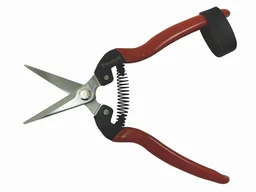
Products such as the
help you harvest and transport your produce to storage. A sturdy, easy-to-clean basket helps protect your vegetables. For further processing, such as trimming stems or cutting up large pumpkins, a sharp, safe tool like the is ideal.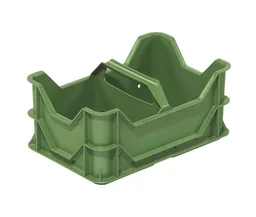
Overwintering plants: which ones need special protection?
Not all garden plants are hardy. Move potted plants such as olive trees, citrus plants and fuchsias to a bright, frost-free location. A cool sunroom, stairwell or garage with a window works well. Water them much less, as the plants are dormant.
During periods of severe frost, protect hardy perennials and shrubs in flower beds with a layer of leaves or brushwood. Newly planted perennials are especially vulnerable because their roots have not yet grown deep enough. A layer of garden fleece shields them from cold winds.
Also remember winter-flowering or evergreen plants such as the
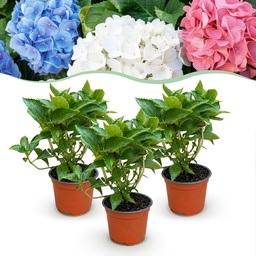
Mound soil or compost around roses to protect the sensitive graft union. For standard roses, cover the crown with special fleece rose covers. Remove this protection promptly in spring, once the hardest frosts have passed.
The end of the harvest season is a new beginning
Once you have brought in the last of the harvest, your garden is ready for winter. This work completes the gardening year. You have stocked your pantry and given your plants a protected dormant period.
Use the quieter winter months to clean and maintain your tools. Plan for the next season. Which varieties did well? What would you like to do differently next year? The end of the harvest season is the perfect time to take stock.
With the right tools and a little planning, fall gardening can be rewarding. It not only helps preserve your harvest but also supports your garden's fertility for the coming year. Get started now and enjoy the fruits of your labor throughout the winter.
Frequently Asked Questions
- When should I harvest the last crops in the garden?
- Use the first overnight freeze as your guide. You can often harvest root vegetables afterward, while frost-sensitive pumpkins and zucchini need to be harvested beforehand. Check your local forecast regularly so you don't miss the ideal time.
- Which vegetables can I still harvest in late fall?
- Typical late-fall and winter vegetables include kale, Brussels sprouts, parsnips, black salsify and winter leeks. Many of these varieties tolerate light frost, which can even improve their flavor. Some can stay in the garden bed all winter.
- How should I store pumpkins after harvesting?
- After harvesting, let pumpkins cure in a warm, well-ventilated place for about two weeks. Then store them in a dry, cool place at 10-15°C, away from light. Make sure the skin is undamaged to prevent rot.
- Do I need to care for my fruit trees after harvesting?
- Yes. Remove fallen fruit from the ground to help prevent diseases and pests from overwintering. A white limewash on the trunk protects the bark from frost cracks. This is part of fall garden care.
- What should I do with harvested vegetable beds?
- Clear away dead plant material to help prevent disease. Then lightly loosen the soil and either sow a cover crop such as winter rye or cover the soil with compost. This protects and nourishes the soil for the next season.
You might also be interested in
- Prepare Your Garden for Winter: The Ultimate Fall Checklist
- Harvesting and Decorating Pumpkins: Tips for the Fall Garden
- Effective Winter Plant Protection: Garden Tips
- July Gardening Tips: What to Do in Midsummer
- March Kitchen Garden Checklist: Get Ready for the Gardening Season
- Early Spring in the Garden: The Start of the Gardening Season