
In brief: Wood pellet prices vary by season and region. The energy content in kWh per tonne matters more than the price per bag alone. An average single-family home needs around 4-5 tonnes per year. Long-term contracts and buying in summer can noticeably reduce heating costs. The total cost of a pellet heating system includes the purchase price, fuel and maintenance.
What does a pellet heating system really cost?
A pellet heating system costs more upfront than a conventional gas or oil boiler. For a complete heating system replacement, including a buffer tank, pellet storage and installation, expect to pay between 20,000 and 30,000 euros. The exact cost depends on the size of your home, the existing heating system and any work needed to make room for storage.
The investment can pay off through lower fuel costs. Government incentive programs such as the BEG can significantly improve the system's cost-effectiveness. You may be able to get up to 30 percent of eligible costs back.
Remember to factor in ongoing expenses, including chimney sweep visits, annual boiler cleaning and periodic replacement of worn parts. Set aside several hundred euros per year for maintenance.
The three main cost components
1. The heating system: The pellet boiler is the centerpiece. Its output must match your home's heat demand. An oversized boiler runs inefficiently and uses more pellets.
2. The storage system: You need space for the fuel. A pellet bunker in the basement, an underground tank in the yard or a bag silo all take up room. Installation costs can vary considerably.
3. Installation and commissioning: A qualified contractor must install the system. The work includes connecting it to your existing heating system, setting up the controls and completing a safety inspection.
You can't work out the total cost of a pellet heating system from the boiler price alone. Professional planning that accounts for your home's heat demand and site conditions is key to keeping running costs low and extending the system's service life.
How are wood pellet prices calculated?
The price of a tonne of wood pellets isn't fixed. It reflects several costs. Raw wood accounts for around half of production costs, and the price of sawmill by-products from the timber industry plays a major role.
Energy used to dry and press the pellets also affects the price. Logistics are another major cost: transportation from the factory to the retailer and then to your home all add to the final price.
Expert tip
Don't buy pellets based only on the price per tonne. Look for the ENplus A1 quality standard. Certified pellets have a defined heating value, low ash content and high resistance to abrasion. Cheap products can cause clinker buildup in the boiler, increase fuel use and lead to costly repairs.
Local availability affects prices. Pellets are often cheaper in heavily wooded areas than in regions without a wood-processing industry. Demand in fall and winter also pushes prices up seasonally.
Why buying in summer can save you money
Many homeowners order pellets in late summer or early fall, when demand—and prices—are rising. Savvy buyers place their orders in late spring or early summer instead.
Manufacturers' storage facilities are often full at this time of year, while demand is low. Many suppliers offer early-bird discounts, letting you lock in a price for the upcoming heating season.
You'll need enough storage space for your order. Check that your pellet bunker or silo can hold the required amount. A dry, protected storage area is essential to preserve pellet quality.
How can you save on heating costs with a pellet heating system?
Savings mainly come from comparing pellets with fossil fuels. Oil and gas prices can fluctuate sharply due to geopolitical events, while pellet prices tend to be more stable over the long term. They're linked to the timber market, which is less speculative.
Modern pellet boilers are also highly efficient. Condensing technology captures energy from the flue gas, while automatic ignition and demand-based controls help minimize fuel use.
Important note
The biggest savings often come from improving your home's insulation, not changing fuel. An outdated heating system in an uninsulated home will still be expensive to run on pellets. Prioritize insulation, new windows and hydraulic balancing of the heating system. These improvements help a new boiler deliver the greatest benefit.
Pair your pellet heating system with solar thermal energy. Solar heating can supply hot water in summer and reduce the load on the pellet boiler during the shoulder seasons. This saves money and helps protect the system.
A simple but effective step is insulating the heating pipes in unheated rooms. This helps more heat reach your living spaces. A product such as the
can help remove air from the system and improve circulation.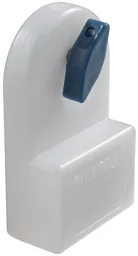
Many homeowners underestimate how much an optimized heating curve and a properly vented system can help. You can save up to 10 percent on energy without any investment. Hydraulic balancing is the foundation of an efficient heating system, whatever fuel it uses.
Why are pellets a serious alternative for home heating?
Pellets offer greater independence. They make you less vulnerable to supply disruptions and price spikes in the global oil and gas markets. The fuel comes from local forests, and supply chains are short and transparent.
From an environmental standpoint, pellets are considered CO2-neutral. Modern filter technology reduces particulate emissions to a minimum. Pellet heating systems also meet the strict limits set by the Federal Immission Control Ordinance.
Modern pellet heating offers comfort comparable to a gas heating system. Fully automatic fuel feeding, remote maintenance via app and low-interruption combustion technology make it a convenient primary heating option.
Additional advice
Check the local infrastructure before making a decision. Are there reliable pellet suppliers in your area? What have your neighbors experienced with their systems? A conversation with a local specialist retailer or an independent energy consultant can offer valuable practical insights.
Consider your home's overall energy efficiency
A pellet heating system alone doesn't make a home efficient. It's one part of a larger system. Energy efficiency starts with insulating the roof, exterior walls and basement ceiling. Airtight windows and controlled ventilation also help.
Your heating system should be sized to match your home's energy use. A buffer tank absorbs peak demand and helps the boiler run efficiently. Setting the heating circuits and thermostatic valves correctly can also save energy.
Consider how you heat your water, too. Combining hot water generation with renewable energy can be especially worthwhile. A well-designed system is key to lower heating costs and a smaller environmental footprint.
How do you plan to switch to wood pellets?
Start with an energy assessment. A professional will evaluate your home's condition, calculate its actual heating needs and create a renovation plan tailored to your home. The assessment itself may qualify for funding.
Get quotes from several heating contractors certified to install biomass systems. Compare more than just prices: consider the proposed system, warranty terms and service, too.
Apply for funding early. Applications to BAFA or KfW must be submitted BEFORE you place your first order with the contractor. A well-prepared application can speed up approval.
Plan the installation date carefully. Replacing a heating system is a major home improvement project. The warmer months are often the best time, when you don't need heat. Coordinate all contractors to keep the work on schedule.
Pellet heating systems are a future-ready, environmentally friendly and cost-effective alternative. With careful planning, you can reduce your heating costs over the long term and increase your home's value. Browse our plumbing and irrigation categories for more accessories to help make your home more energy efficient.
Frequently Asked Questions
- How much do wood pellets currently cost per tonne?
- In 2023, the average annual price of wood pellets was around 280 to 320 euros per tonne (gross). Prices can vary considerably and are often lower in summer than in fall. The cost per kilowatt-hour is what matters: high-quality pellets (ENplus A1) deliver more energy per tonne, which can make the higher price worthwhile.
- How many wood pellets does a single-family home use each year?
- A modern, well-insulated single-family home with 150 m² of living space uses an average of 4 to 5 tonnes of pellets per year. The exact amount depends on the home's energy efficiency, the heating system's efficiency and your household's heating habits. An older, unrenovated home may use twice as much.
- Are pellet heating systems really environmentally friendly?
- Pellet heating systems burn renewable raw materials and are considered CO2-neutral because they release only the carbon dioxide absorbed by the tree while it was growing. This depends on sustainable forestry. Modern systems with fine-particle filters produce very low emissions, making them a climate-friendly alternative to oil and gas.
- What are the pros and cons of pellet heating?
- Pros: less dependence on fossil fuels, more stable long-term costs, government funding and CO2-neutral operation. Cons: higher upfront costs than gas or oil boilers, space needed for storage (a pellet bunker or silo), and regular ash removal and cleaning. The payback period is 10-15 years.
- Does the government offer incentives for installing a pellet heating system?
- Yes. Installing an efficient pellet heating system is eligible for funding through the Federal Funding for Efficient Buildings (BEG) program. The subsidy can cover up to 30% of eligible costs. Applications must be submitted to BAFA or KfW BEFORE work begins. An energy consultant can advise you.
You might also be interested in
- Ordering heating oil: How to get the best price
- Pellet heating: A sustainable option for your home
- Understanding heating costs: Compare heating costs and efficiency
- Home heating systems: Compare costs and efficiency
- Replacing an oil heating system: What homeowners need to know
- Planning pellet storage: How to calculate the space you need