
In brief: Choosing the right router depends largely on how you plan to use it. Specialised biscuit joiners are ideal for precise biscuit joints, while a powerful 1500 W wood router is the better choice for demanding woodworking projects. Accessories such as circle guides and router bit sets greatly expand your options. In our 2026 comparison, we show you the key criteria.
Are you planning to expand your workshop or starting a specific woodworking project? A good router is often the key to success. However, the market offers a confusing variety of options. Our 2026 wood router review and comparison brings clarity. We compare the best models for different requirements and show you what really matters when buying. This helps you make a confident choice for your next project.
Table of contents
- What types of routers are available?
- Buying criteria tested: What you need to look for
The top-rated routers from our range compared side by side:
Model Customer rating Availability WFF760 biscuit joiner, 760 Watt 🏆 Test winner ★ 4,9 (32) In stock "CircleGuideKit" circle guide for routers – Currently unavailable 1/2" collet TRC120 – Currently unavailable 12-piece 12 mm TCT router bit set – Currently unavailable 12-piece 12 mm TCT router bit set – Currently unavailable - Typical applications and projects
- Router safety: What is essential
- Care and maintenance of your router
- Conclusion and recommendation
What types of routers are available?
Not every router is designed for every task. Choosing the right type is the first step.
Wood routers: The all-rounder for woodworking
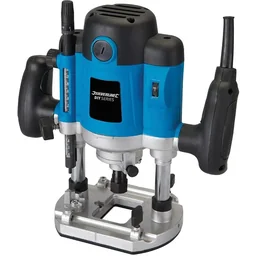
A wood router is the most versatile tool in this category. It cuts into the material from above and is ideal for edges, grooves, recesses and profiles. You can find them in our range under routers. For demanding jobs, a powerful model such as the is an excellent choice.
Biscuit joiners: Specialists for strong joints
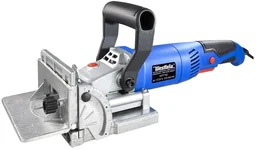
These machines, also known as Lamello joiners, cut precise semicircular slots for biscuits. They create particularly strong and clean wood joints. The is an example of this kind of specialist machine.
CNC routers: For maximum precision
CNC machines are computer-controlled and unbeatable for repeatable, complex routing work. However, they are a separate category and require the appropriate know-how.
Tip: For beginners and most DIY projects, a high-quality wood router is the best foundation. Specialist tools such as biscuit joiners can be added for frequent, specific tasks.
Buying criteria tested: What you need to look for
When comparing the models, we took several factors under close consideration.
Power and speed
Power in watts determines how forcefully the machine works. More power is essential for hardwood and large router bits. Almost equally important is continuously variable speed control. This lets you adjust the speed optimally to the router bit diameter and material.
Precision and guidance
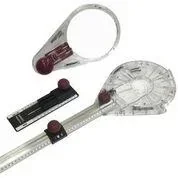
Play in the spindle or a wobbly baseplate can ruin any workpiece. Look for a robust design and precise guidance systems. A good edge guide is standard. For circles and curves, a circle guide such as the is essential.
Handling and comfort
Good machines feel comfortable in your hand and have easily accessible controls. A quick collet change saves time. A dust extraction option keeps the work area clean and protects your health.
Warning: Never work without suitable hearing and eye protection! Routing generates high noise levels and sends chips flying. Respiratory protection is mandatory when working with dusty materials such as MDF.
The best routers compared side by side 2026
This table provides an overview of the key data for the models we tested. You will find the detailed test results in the following sections.
{{COMPARISON_TABLE}}Typical applications and projects
A router opens up countless possibilities. Find inspiration in our extensive tools category.
Furniture making and wood joints
This is where a router is indispensable. You can make dovetail joints, cut tongue-and-groove joints or create invisible joints with a biscuit joiner. For the latter, the is ideal.
Decorative edges and profiles
Turn plain edges into coves, rounded edges or complex profiles. With the right template and router bits, you can also create custom shapes.
Fittings and recesses
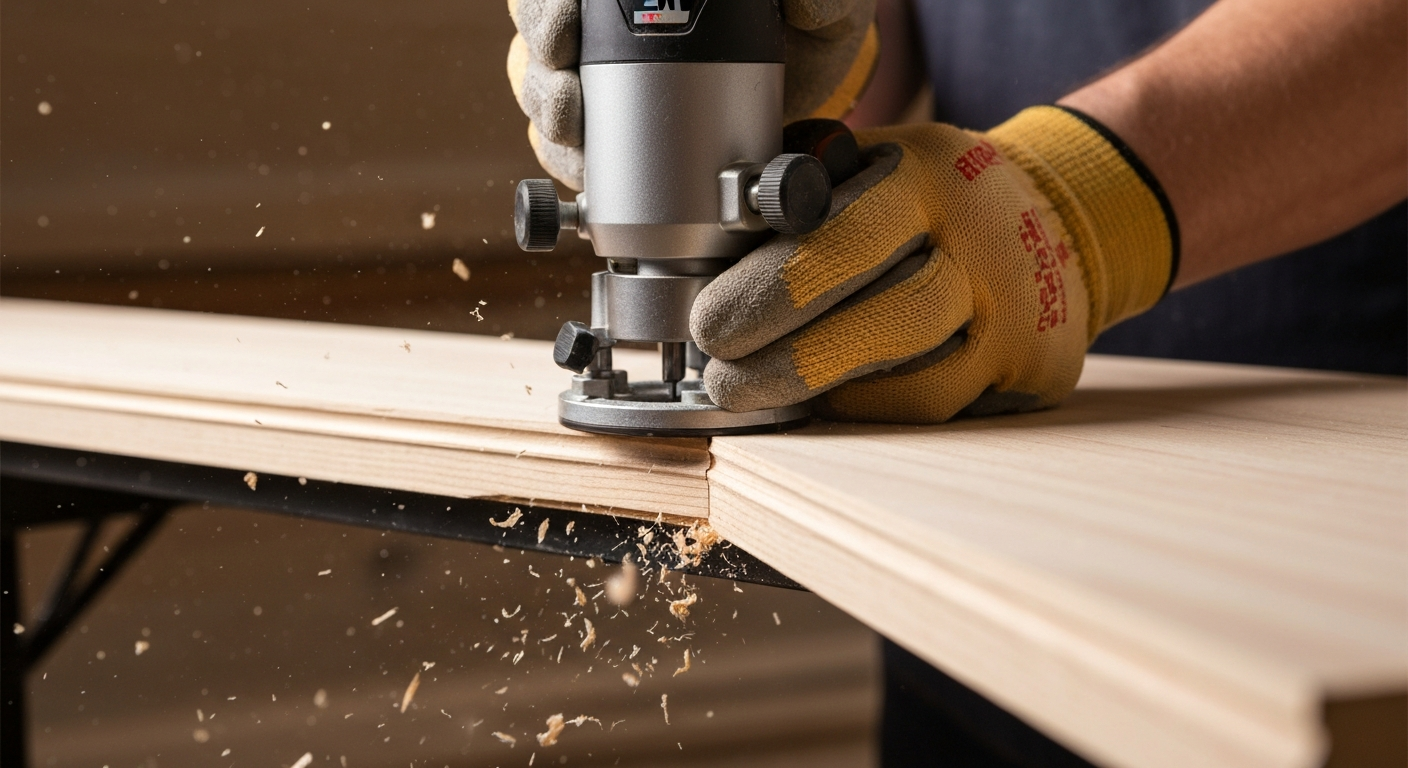
Cut precise, fast-fitting recesses for hinges, drawer slides or recessed spotlights. A stable guide is essential for this.
Note: The quality of the router bits is at least as important as that of the machine. High-quality carbide (TCT) cutters stay sharp for a long time and produce clean cuts. A set such as the router bit sets available from us is a good basic setup.
Router Safety: Essential Rules
Routers are powerful tools. Treat them with respect and always stay focused while working.
Proper Work Preparation
Always secure the workpiece and the machine firmly. Loose parts can cause dangerous kickback. Before starting, check that the router bit is seated correctly and securely.
Protective Equipment and Dust Extraction
Always wear safety goggles and hearing protection, as well as a mask when dust is produced. Connect the machine to a dust extractor to minimise dust exposure.
Working Technique and Cutting Depth
Work against the router bit's direction of rotation. This prevents the machine from pulling forward uncontrollably. Cut deep recesses in several small stages. This protects the machine, router bit and workpiece.
Care and Maintenance of Your Router
Good care significantly extends the service life of your machine.
Cleaning After Use
Remove dust and shavings from the machine after every use. Cleaning the collet area is particularly important. Use a brush or compressed air for this purpose.
Maintaining Moving Parts
Never allow moving guides and adjustment screws to run dry. Lightly oiling them with machine oil keeps them running smoothly. Check the motor brushes regularly.
Storage and Safekeeping
Store the router in a dry, dust-free location. Do not leave the machine plugged in when storing it. Keep router bits sorted and protected.
Conclusion and Recommendation
There is no one ideal router. Choose one based on your projects. For versatile DIYers who want to shape edges, cut grooves and install hardware, a powerful router such as the is the first choice. It forms the foundation of your workshop.
If your focus is precision furniture making with biscuit joints, investing in a specialist machine such as the is worthwhile. It saves time and guarantees perfect results. For anyone who wants to use their router more efficiently, useful accessories such as the router circle jig are a real asset. Browse our full range of power tools to complete your equipment. With the right tools, your projects will be safe and deliver perfect results.
Frequently Asked Questions
- What is the difference between a router and a biscuit joiner?
- A router is a versatile all-purpose tool for cutting grooves, shaping edges and creating recesses. A biscuit joiner, also called a biscuit cutter, is designed specifically for creating precise slots for biscuits, producing strong and invisible wood joints.
- How much power (Watt) do I need for a router?
- For occasional work on softwood, 700-1000 Watt is sufficient. For frequent use, hardwood or larger router bits, choose a machine with at least 1200 Watt. More power means less kickback and smoother operation.
- Is an electronic speed controller important?
- Yes, an electronic speed controller is very important. It allows you to adjust the speed to suit the router bit diameter and material. This helps prevent scorching the wood and produces a clean finish.
- Which accessories are essential to get started?
- In addition to the machine, a sturdy base plate, a parallel guide and various collets for the router bits are essential. A router circle jig and a router bit set significantly expand your options from the start.
- Can I also use a router on metal?
- Yes, but only with special metal-cutting bits and appropriate care. The speed must be reduced significantly, and you will often need coolant lubrication. For dedicated metalworking, metal milling machines are better suited.